ラセルバデルキャンプのおすすめランニングルート
4.7
(32)
629
ランナー
36
ランニング
ラセルバデルキャンプでランニングを楽しめば、このエリアをより深く知ることができます。ランニングに適した美しいルートが見つかるように、komootがラセルバデルキャンプでのルートのコレクション全体を評価して選び抜いた、人気ランニングトレイルをご紹介します。ルートをクリックして詳細を表示し、他のユーザーがアップロードした役立つ情報や写真を閲覧しましょう。
最終更新日: 10月 21, 2026
5.0
(1)
71
ランナー
11.6km
01:23
180m
180m
中程度のジョギング. ある程度のフィットネスレベルが必要です。 ほとんどが舗装路です。
37
ランナー
13.6km
02:04
630m
630m
難しいジョギング. 標準以上のフィットネスレベルが必要です。 安定して歩行できる技術、丈夫な靴、高標高地での登山経験が必要です。

27
ランナー
19.0km
02:55
1,000m
1,000m
難しいジョギング. 標準以上のフィットネスレベルが必要です。 安定して歩行できる技術、丈夫な靴、高標高地での登山経験が必要です。
27
ランナー
7.59km
00:52
110m
110m
中程度のジョギング. ある程度のフィットネスレベルが必要です。 ほとんどが舗装路です。
21
ランナー
24.2km
03:24
960m
960m
難しいジョギング. 標準以上のフィットネスレベルが必要です。 ほとんどが舗装路です。
さらに多くのルートや他のユーザーのおすすめ情報を確認できます。
すでにアカウントをお持ちですか?
おすすめのツアーは他のkomootユーザーが実際に経験した何千ものアクティビティに基づいています。
無料アカウントで今日から始めよう
次の冒険が待っています。
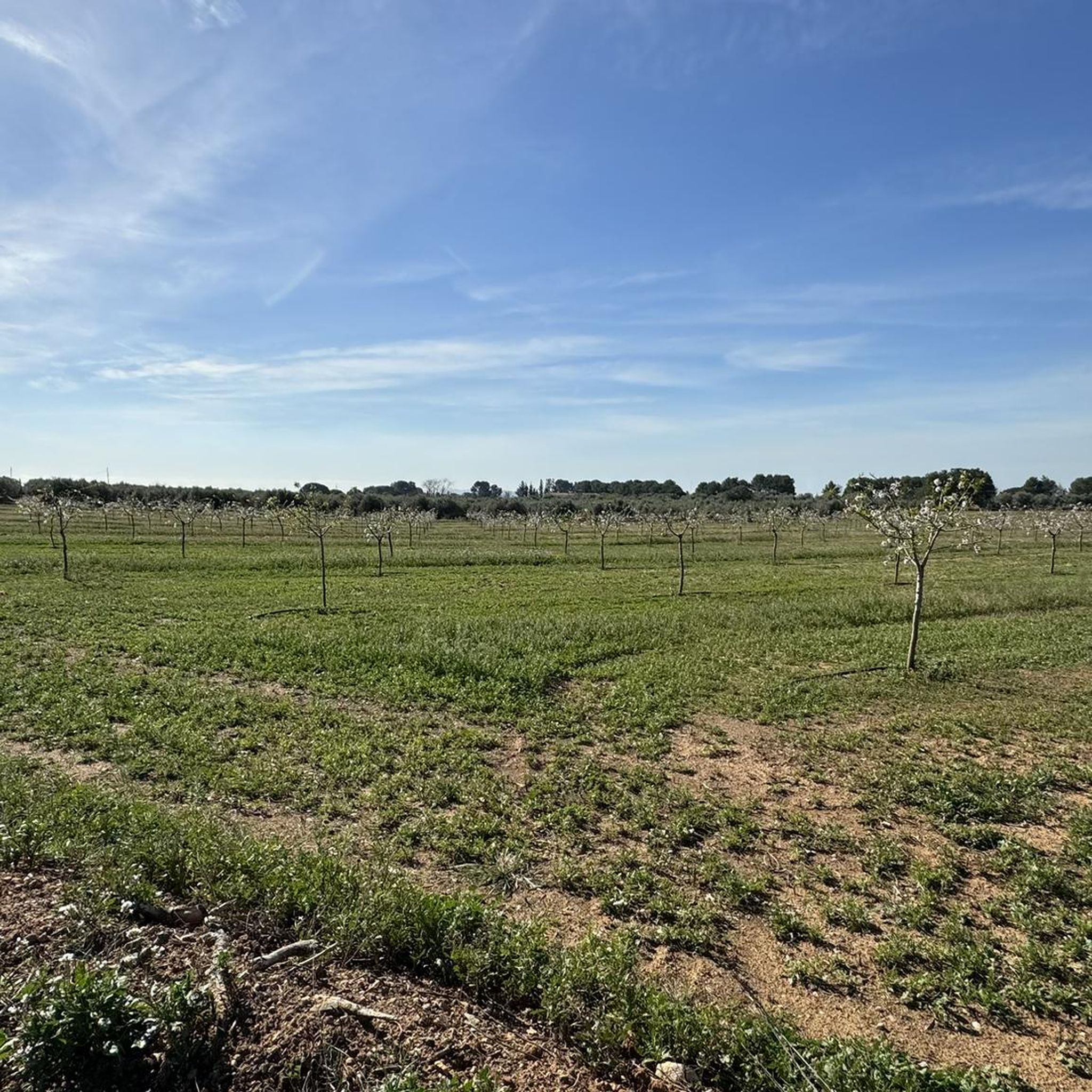
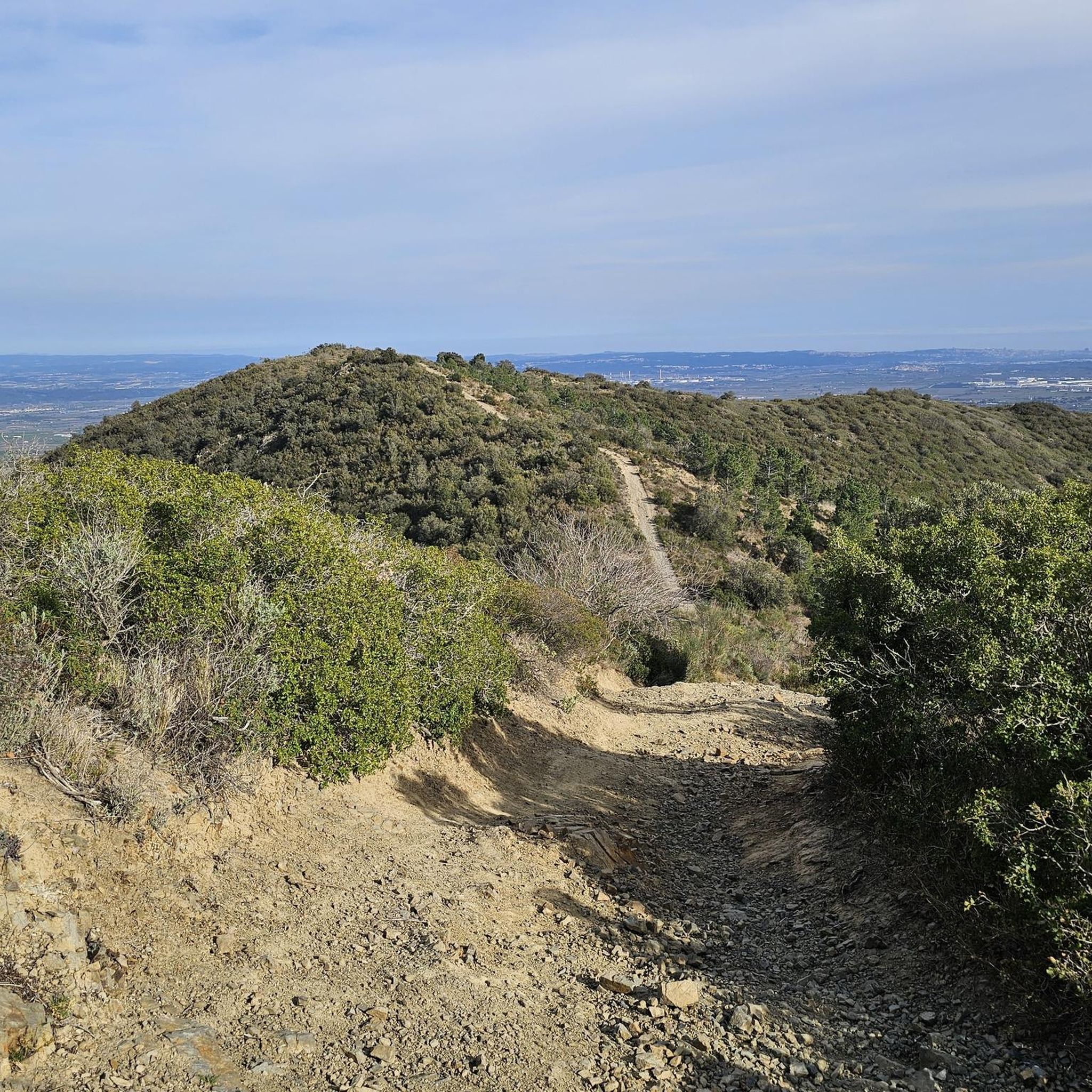
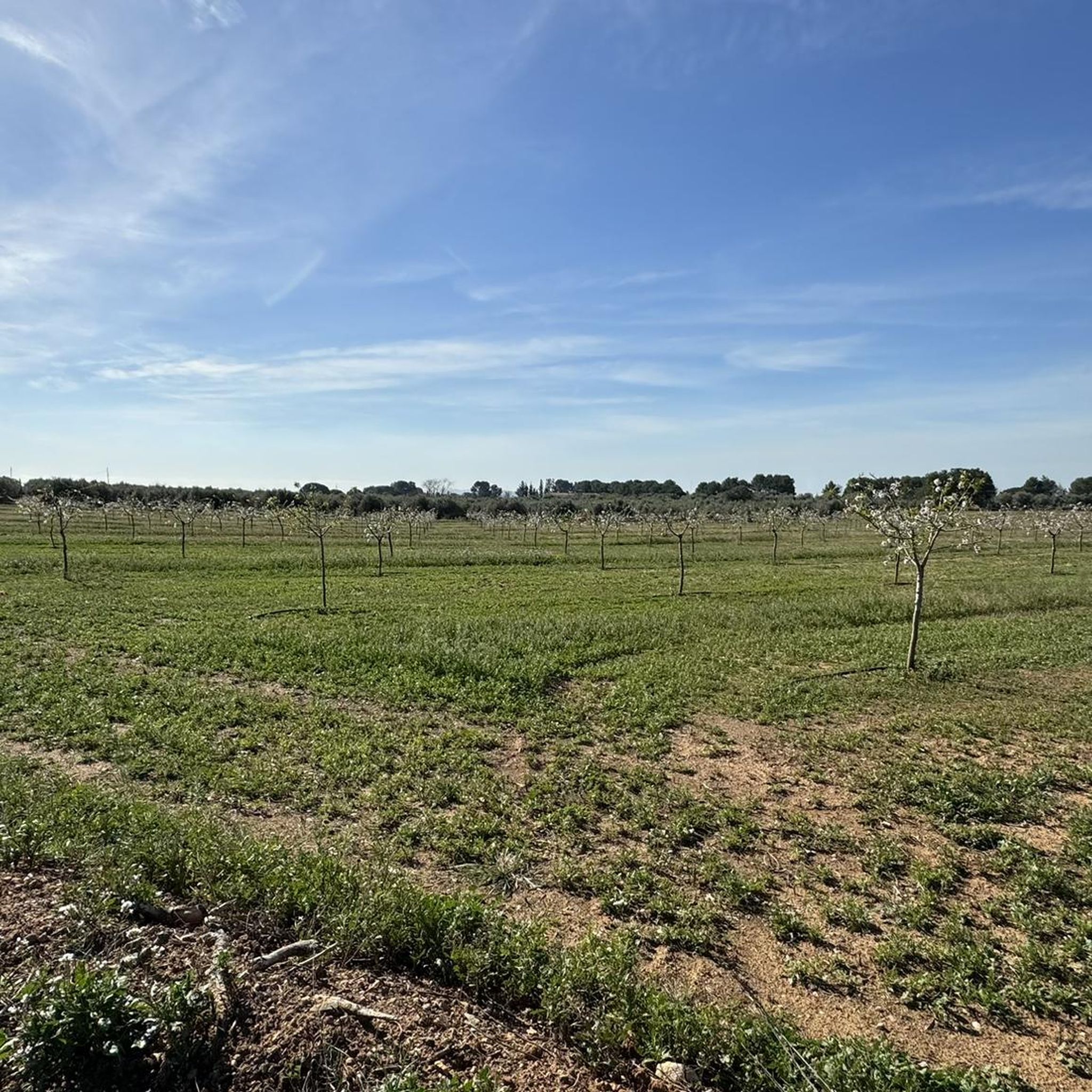
コミュニティからのヒント

I love it! The summit is approaching!
0
0

A nice trail that also allows us to learn a bit of history about how water was brought to La Selva del Camp in the past.
1
0

This pass can be done via Vilaplana, which is smoother, or via the other side, coming from Selva del Camp. If you go up through the Selva del Camp, it's much more difficult because there are slopes of 11%.
0
0

Good ramps with good pavement. It climbs well and is worth it.
1
0

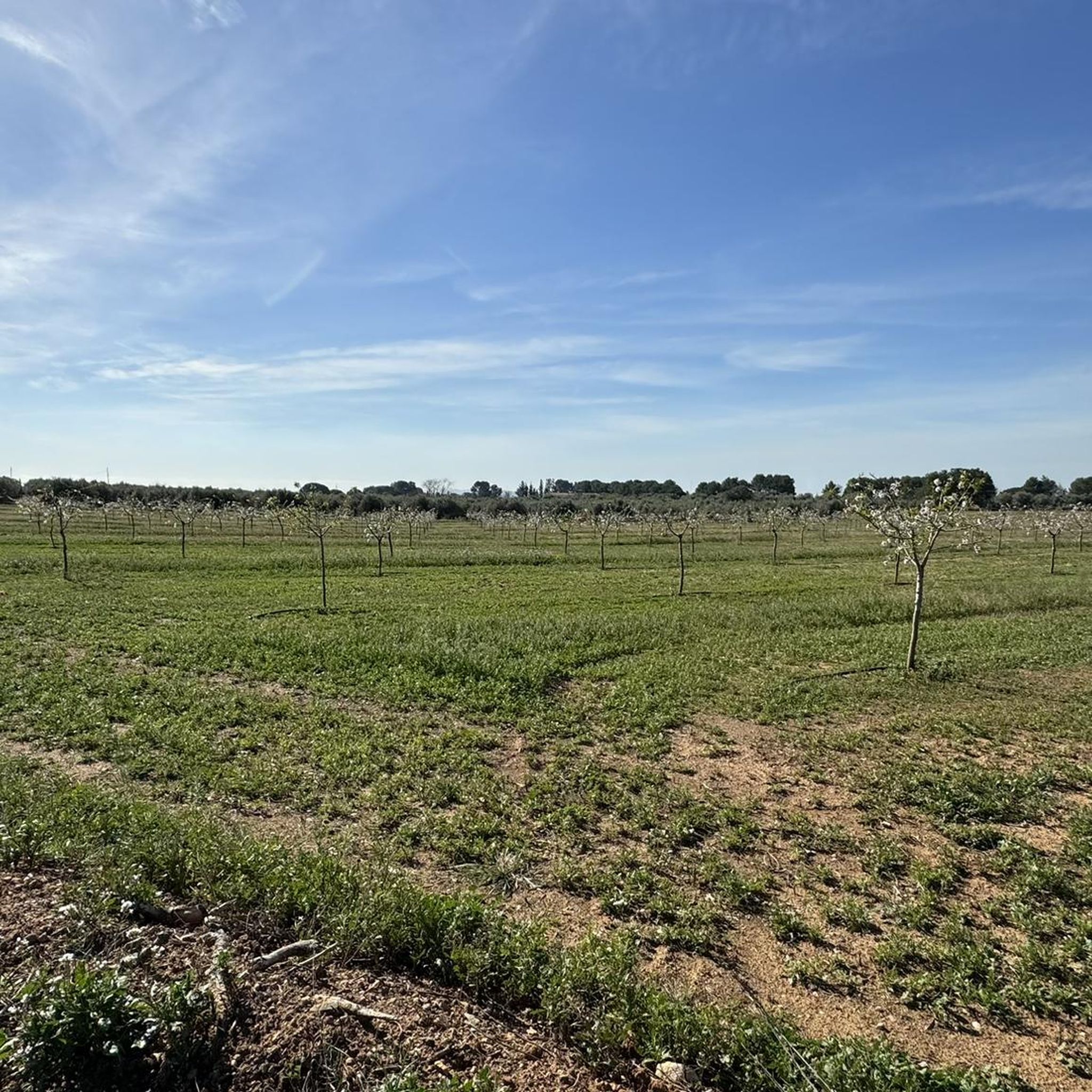
Old drinking water tank to supply the town of Vilaplana, built in 1921 in the Noucentista style, which was discontinued in 1997 with the construction of a new tank. It was restored in 2025. (photo 2)
2
0

In the bed of the Riera you can see the remains of a primitive lock known as the Peixera where the canalization work of the Rec of the town begins. A few meters above the Pantà factory is preserved, a hydraulic work started in 1739 and abandoned two years later. This work was determined by the Commune, authorized by the archbishop, lord and baron of the town, being directed by the maestro major Miquel Malet, his sons and various master builders. The costs were around 5,370 pounds.
0
0
The Selva Castle was for centuries the stately residence of the prefects of Tarragona and the archbishops of the metropolis. It belonged to the Papordia of the archbishop of Tarragona, and was probably built at the end of the 12th century. It was a residence very frequented by the paborde, but it mainly served as a storehouse for nuts and tithes. In 1411 Pope Benedict XIII decreed the abolition of the pabordia and the Castle was administered directly by the Archbishop of Tarragona and in the s. In the 16th century, the building was expanded with residential buildings and an upper floor accessed by a staircase. The action of the Constituent Courts during the Biennium of 1822 ended, in fact, with the lordships. This work was complemented by the confiscation laws of the middle of the 19th century, and thus the Selva Castle would become the property or usufruct of the Town Council. Passing through various users after the ecclesiastical confiscation, the Castle, the town's largest heritage building had become a ruin that the Selvatans have lived with for decades. Finally, in a municipal economic boom, the City Council, entering the new millennium, decided to carry out an ambitious project such as that of restoring the monument and giving it a function of public use in accordance with its identity , a first-rate cultural facility.
0
0
The hermitage of Sant Pere has been redone on several occasions due to its poor state of preservation. The original hermitage dates from the middle of the 13th century, it was of Romanesque style and of larger dimensions. In addition, it was accompanied by an annexed house where the hermits and the donated lived, who were responsible for the maintenance of the cult and the lands attached to the hermitage. One of the most important reforms was that of 1588, under the supervision of Pere Blai (1553-1620) and which, according to some authors, would follow the Renaissance traces typical of the time. Finally, the last intervention took place throughout the 19th century and ended in the 1870s. The privileged position of the hermitage as a viewpoint of the Camp and first bastion of the mountains of the Sierra de la Mussara has been a determining factor for some military campaigns. During the French War (1808-1814), the Napoleons occupied the hermitage and adapted it to wartime needs. They had loopholes and parapets built there in order to defend themselves from attacks. However, the French were not the only ones to occupy the chapel militarily. During the First Carline War (1833-1840), clashes continued to occur between the supporters of Isabel II (1830-1904) and Charles V (1788-1855)
1
0
ラセルバデルキャンプでのの人気観光スポット

komootモバイルアプリでインスピレーションを得よう


さらに探索
他の地域の最高のランニングトレイル & ルートを見てみましょう。
