自然保護区ラピエトラのおすすめツーリングルート
4.5
(143)
1,318
ライダー
74
ライド
自然保護区ラピエトラ周辺で人気のサイクリングルートを走り、この自然公園の魅力を思いっきり満喫したい。そんなあなたのためにkomootおすすめのルートをまとめました。 ページを下にスクロールして、自然保護区ラピエトラ周辺でのバイクライドルートから気に入ったルートを選び、さっそく冒険に出かけましょう。
最終更新日: 10月 11, 2026
5.0
(4)
23
ライダー
28.3km
02:11
440m
440m
中程度の自転車ライド. ある程度のフィットネスレベルが必要です。 全般的に舗装された状態です。あらゆるスキルレベルに適しています。
5
ライダー
28.4km
02:27
490m
490m
難しい自転車ライド. 標準以上のフィットネスレベルが必要です。 全般的に舗装された状態です。あらゆるスキルレベルに適しています。

6
ライダー
23.7km
01:34
360m
360m
中程度の自転車ライド. ある程度のフィットネスレベルが必要です。 全般的に舗装された状態です。あらゆるスキルレベルに適しています。
4.8
(17)
220
ライダー
68.5km
04:36
1,120m
1,120m
難しい自転車ライド. 標準以上のフィットネスレベルが必要です。 全般的に舗装された状態です。あらゆるスキルレベルに適しています。
4.4
(9)
78
ライダー
59.4km
03:58
930m
930m
難しい自転車ライド. 標準以上のフィットネスレベルが必要です。 全般的に舗装された状態です。あらゆるスキルレベルに適しています。
さらに多くのルートや他のユーザーのおすすめ情報を確認できます。
すでにアカウントをお持ちですか?
おすすめのツアーは他のkomootユーザーが実際に経験した何千ものアクティビティに基づいています。
無料アカウントで今日から始めよう
次の冒険が待っています。

コミュニティからのヒント


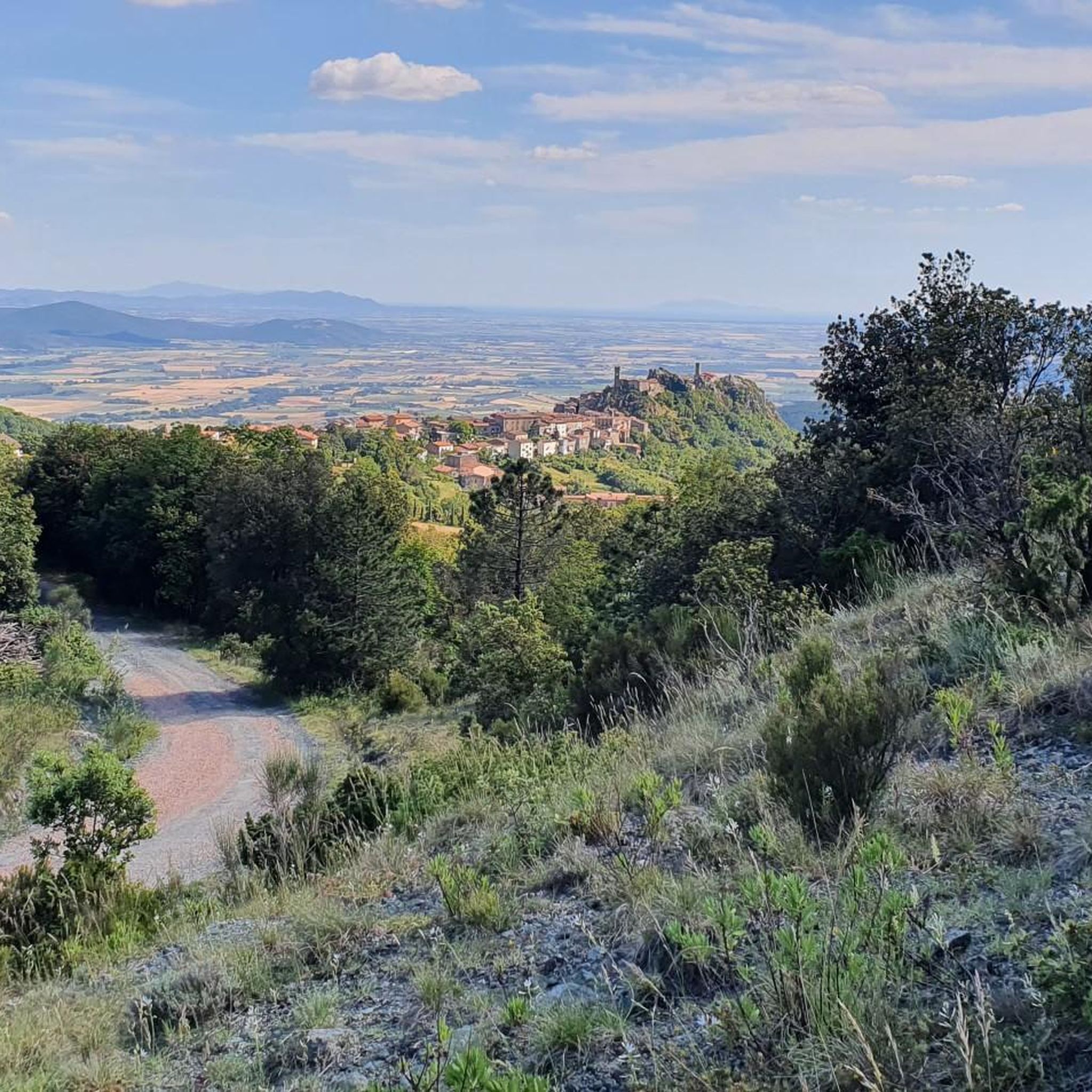
Tattiは、トスカーナ州グロッセート県にあるMassa Marittima市のフラツィオーネ(行政教区)である、古く示唆に富むイタリアのメディアバルビレッジです。Colline Metallifereの約412メートルの高さにあり、トスカーナのマレンマを見下ろし、約200人の小規模なコミュニティがあります。
0
0
考古学博物館は、マッサ・マリティマのドゥオーモ広場に面した(1225年築)かつてのポデスタ宮殿に収蔵されています。コレクションは、下部旧石器時代からエトルリア時代まで年代順に並べられたセクションに分かれています。先史時代のコレクションの主要な展示品は、マレンマ地域でこの種の唯一の遺物であるヴァド・アル・アランチョのエネオリト時代のステラ像です。エトルリア時代の遺物は主にアチェーザ湖畔の集落で行われた発掘調査から来ており、主に調理用食器、織機のおもり、漁具のおもり、レンガなどです。さらに、ネクロポリスで発見された埋葬品、特に食器(ファイアンス粘土とブッケロ)、青銅製の留め金、鉄製の花瓶立て、鉄製と青銅製の武器も展示されています。1階には、自然サイズの洞窟の再現を含む教育セクションがあります。旧石器時代のエネオリト時代の洞窟です。ガイド付きツアーや教育活動、文化イベントの企画、映像の上映サービスが利用可能です。
1
0

The perimeter walls are still partially visible, especially in the southern section, where an arched gate surmounted by three rounded stones stands. At the highest point of the hill stands the imposing stone keep, which extends around a courtyard. Within the walls is the church of Santa Maria Assunta, dating back to the 13th century but completely renovated in the late 19th century. It has a distinctive urban layout, dominated by an imposing stone keep arranged around a courtyard accessed through two round-arched gates, defended by a large tower with a massive base.
0
0

Loop starting from Monticiano (Si) by i'Lupo che cammina
1
0
Massa Marittima is a fortified medieval village located on a hill, known for its beauty and wealth of artistic and architectural heritage. Key attractions include the magnificent Piazza Garibaldi, with the Cathedral of San Cerbone, the Palazzo del Podestà, and the Palazzo Comunale. Other points of interest include the Fonti dell'Abbondanza with its famous fresco of the Tree of Fertility and, in the upper town, the Torre del Candeliere and the Cassero Senese within the medieval walls.
1
0
Massa Marittima is a municipality located in the southern area of the Colline Metallifere, an area that has been inhabited since prehistoric times, as documented by numerous archaeological finds. The settlement is thought to be of Etruscan origin, but the city's most important period began in the 9th century, when it became a bishop's seat. From then until the 14th century, the city reached its peak splendor, thanks in part to the area's abundant mineral resources.
3
0

komootモバイルアプリでインスピレーションを得よう


さらに探索
他の地域の最高のサイクリングルートを見てみましょう。
