ビジャルバデルアルコーのおすすめライド
4.8
(51)
683
ライダー
28
ライド
ビジャルバデルアルコー周辺のロードバイクルートをお探しですか?ここでは、komootが提供するビジャルバデルアルコーでのロードバイクライドのコレクション全体を評価して選び抜いた人気ルートをご紹介します。各ライドの詳細をぜひご覧ください。
最終更新日: 9月 17, 2026
5.0
(31)
114
ライダー
75.5km
03:43
1,090m
1,090m
難しいロードライド. 標準以上のフィットネスレベルが必要です。 全般的に舗装状態が良好で走行しやすい道です。
9
ライダー
55.8km
02:17
320m
320m
中程度のロードライド. ある程度のフィットネスレベルが必要です。 全般的に舗装状態が良好で走行しやすい道です。

76
ライダー
99.2km
05:07
1,670m
1,670m
難しいロードライド. 標準以上のフィットネスレベルが必要です。 全般的に舗装状態が良好で走行しやすい道です。
65
ライダー
110km
05:31
1,750m
1,750m
難しいロードライド. 標準以上のフィットネスレベルが必要です。 全般的に舗装状態が良好で走行しやすい道です。
63
ライダー
111km
05:08
1,370m
1,370m
難しいロードライド. 標準以上のフィットネスレベルが必要です。 全般的に舗装状態が良好で走行しやすい道です。
さらに多くのルートや他のユーザーのおすすめ情報を確認できます。
すでにアカウントをお持ちですか?
おすすめのツアーは他のkomootユーザーが実際に経験した何千ものアクティビティに基づいています。
無料アカウントで今日から始めよう
次の冒険が待っています。

コミュニティからのヒント

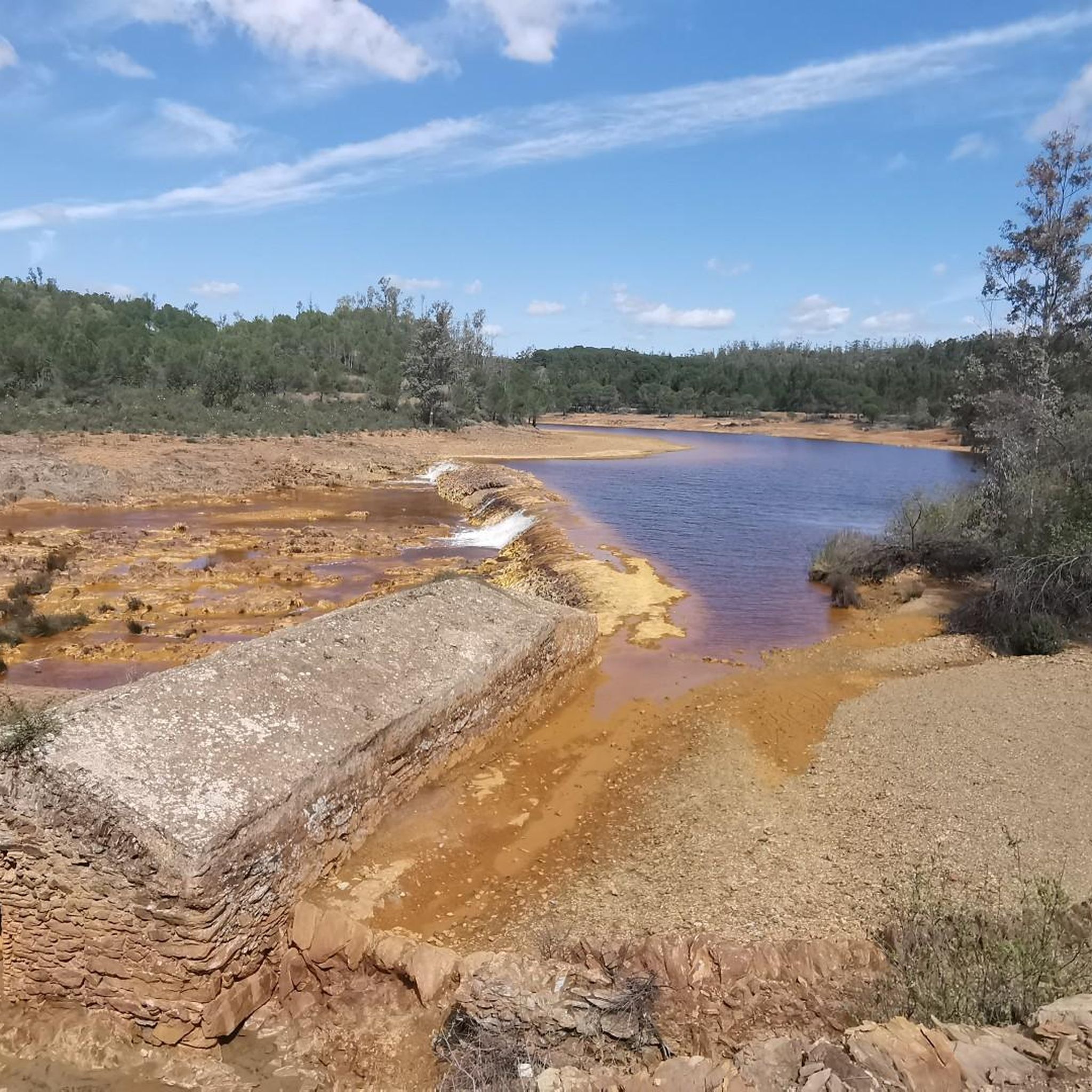
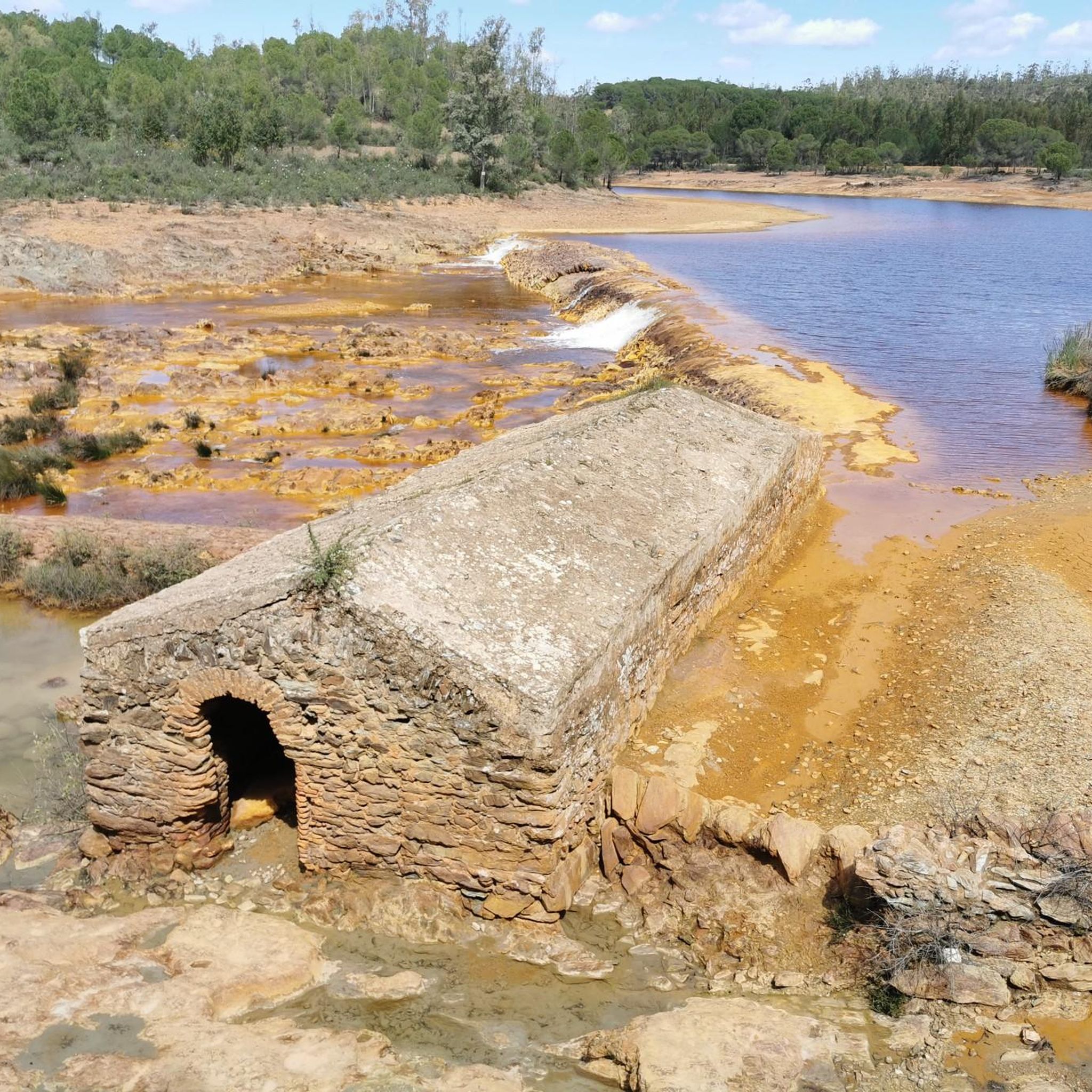
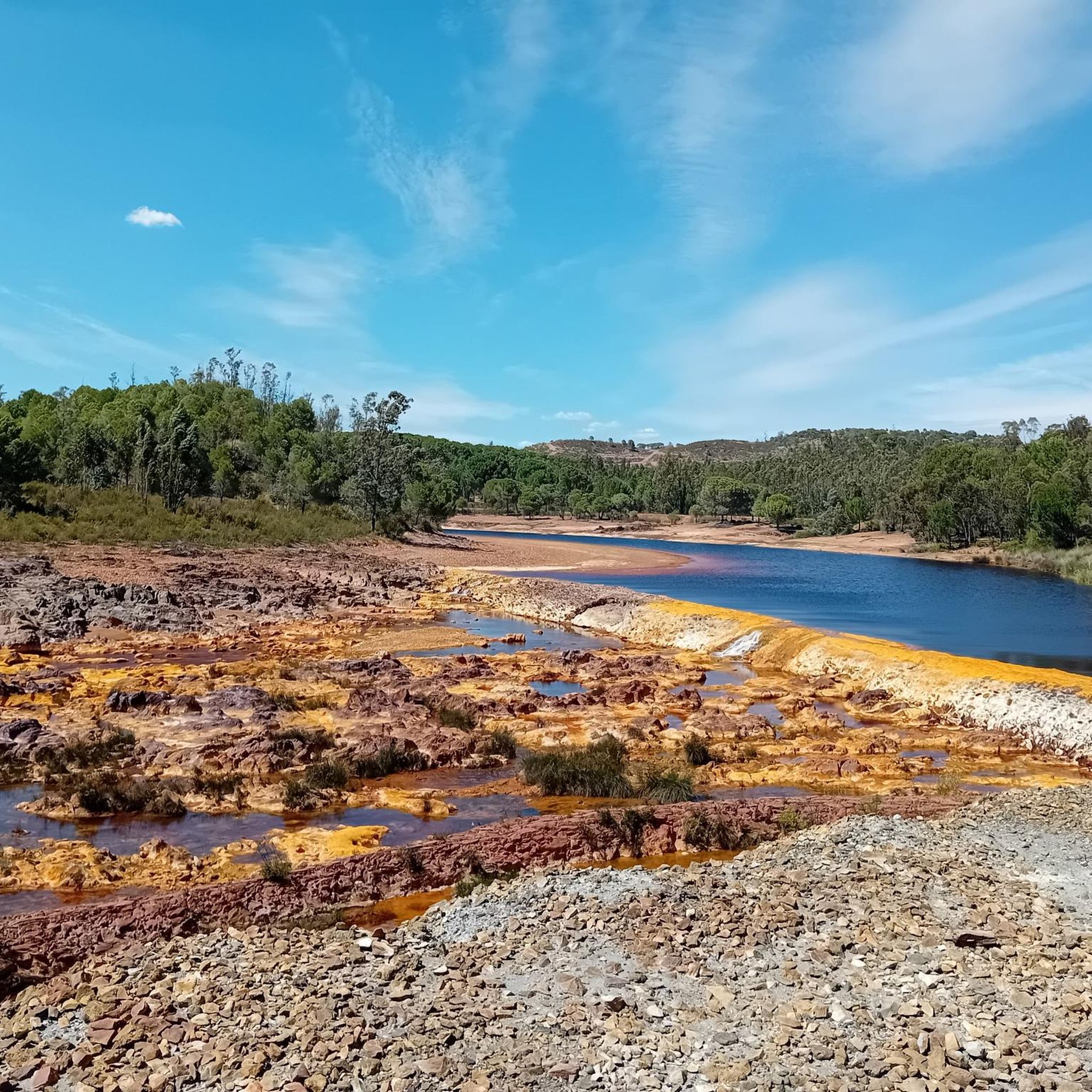
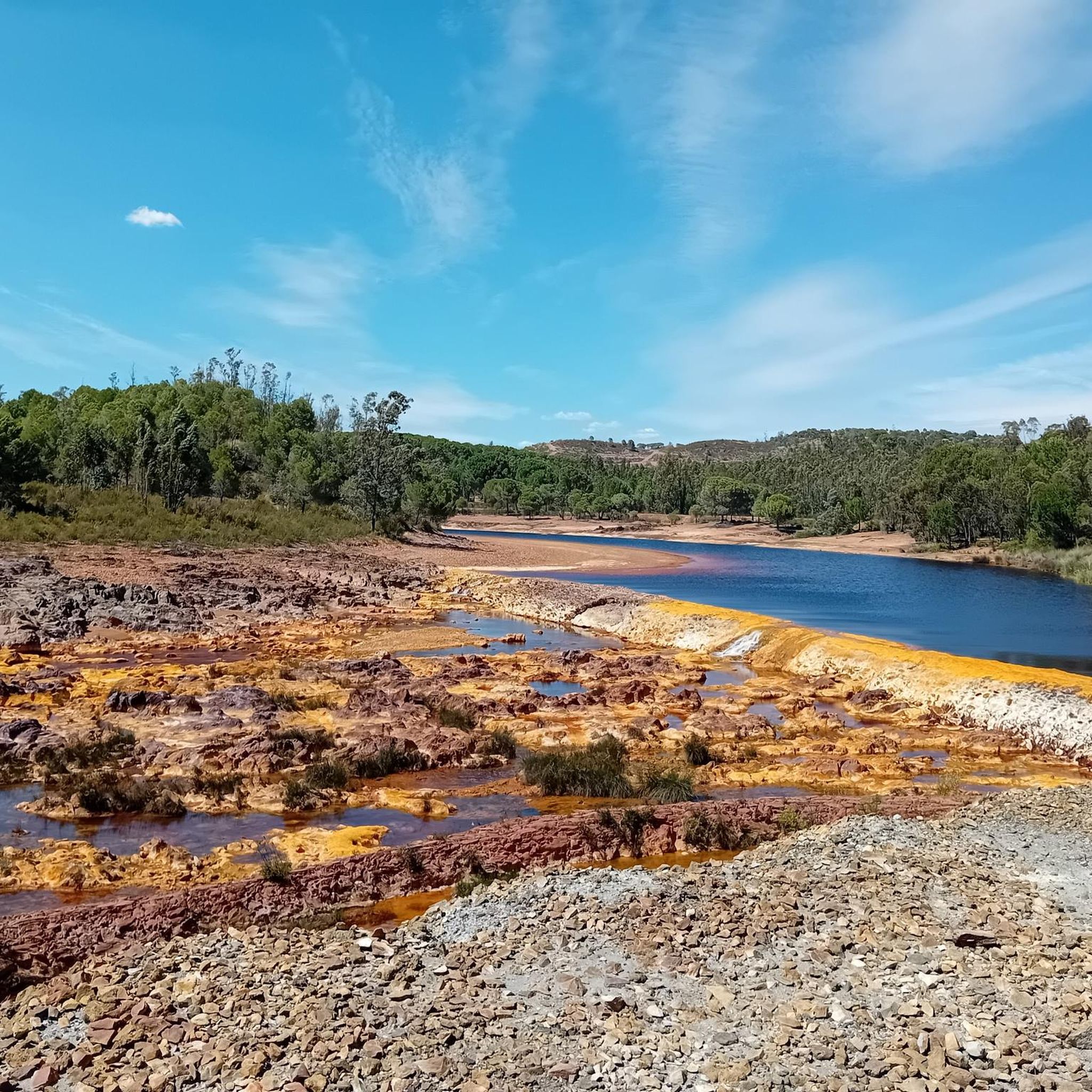
ティント川は、鉄鉱石や硫化物の酸化によって引き起こされる、深い赤色と極度の酸性度で有名です。その特異性から、NASAやその他の宇宙機関は、火星の地球上の類似体としてこの川を研究しています。なぜなら、その極端な環境には、非常に過酷な環境でも生き残ることができる微生物が生息しているからです。さらに、この地域は、フェニキア人、ローマ人、その他の文明によって5000年以上前から鉱物学的に採掘されてきました。
0
0

The area is linked to the Iberian Pyrite Belt, where copper and other metal mining was intense from the 19th century onwards. To transport the ore, the British built the Riotinto Railway (1873-1875), which included numerous bridges over the Tinto River and its tributaries. Many of these bridges fell into disuse after the railway line closed in the 20th century and remain today as industrial remnants.
1
0
The source of the Tinto River is located in the municipality of Nerva, in the province of Huelva, Andalusia, and is one of the most unique landscapes in Europe due to its reddish color and its scientific and geological value.
1
0

The Parish Church of Santa María de la Purificación, due to its volumetric force and its location in an elevated part of the town, becomes the most representative architectural landmark. Despite being initially located away from the urban center, it is a remarkable example of a Sevillian church, in which the Mudejar and Baroque styles converge, following a very characteristic approach to 18th-century construction practice in the area. Built according to Mudejar principles in its original construction, which appears to date from the 15th century, it would later be practically rebuilt after the damage caused by the 1755 earthquake, conforming to the Baroque guidelines prevailing in the second half of the 17th century. A reconstruction in which Pedro de Silva, Antonio Matías de Figueroa, and José Álvarez participated. Among them, Antonio Matías de Figueroa stands out for the significance of his intervention in the complex. His work on the Manzanilla church can therefore be considered one of the last examples of this family's distinctive style—the so-called triumphal baroque—and one of the first signs of the change of direction demanded by the changing times, in their preference for the primacy of Rococo lines over Baroque masses. The appearance of neoclassical elements (the Gospel nave portal), derived from the presence of José Alvarez (1782–1783) as director of the works, also speaks to the formal evolution of the style toward the last quarter of the century. Finally, the tower (1760-1779) stands out, attributed to Lucas Cintora and Francisco Díaz Pinto, and one of the most beautiful examples in the province. It perfectly fits one of the two characteristic typologies of 18th-century Andalusia, originating from the Giralda in Seville. It forms part of a unique group of towers in Huelva, along with that of the Temple of San Pedro in Huelva and that of the Church of San Juan Bautista (La Palma del Condado), all of which follow a very similar model. This building represents another example of the intense religious construction activity that characterized 18th-century Huelva architecture, motivated by a fortunate combination of economic, demographic, and natural circumstances (earthquakes), and which has come to be known as its Golden Age.
0
0
The Plaza de España in La Palma del Condado is an emblematic and central place in this charming town in the province of Huelva. Surrounded by historic buildings and with a vibrant atmosphere, it is a popular meeting point for both locals and visitors. In this square, you can find the Parish Church of San Juan Bautista, one of the most representative churches of the 18th century Sevillian Baroque style. In addition, the square is close to other points of interest such as the Convent of Our Lady of Carmen and the Old Town Hall.
3
0

The bridge on/over the Rio Tinto, which is no longer complete, is a nice photo opportunity
0
1

Obligatory stopping point if you take the road. There are incredible views even of the Rio Tinto mining railway.
0
0

Religious sanctuary of the town of Berrocal. Said congregation was divided into two buildings that represented two sides, the one above and the one below. That is why we still find the Hermitage of the Brotherhood of the Santa Cruz de Abajo and the one above.
1
1
ビジャルバデルアルコーでのの人気観光スポット

komootモバイルアプリでインスピレーションを得よう


さらに探索
他の地域の最高のロードサイクリングルートを見てみましょう。
