ラアラメダデガルドン周辺のアトラクション&必見スポット - トップ11
ラアラメダデガルドンには必見のスポットがたくさんあります。ハイキング愛好家やサイクリング愛好家の方は、ぜひラアラメダデガルドンを探索してこのエリアにある11
の隠れたスポットを訪れてみてください。このエリアの必見スポットを確認し、次の冒険に出かける計画を立てましょう。
最終更新日: 10月 15, 2026
シエガ・ベルデ遺跡
ハイライト • 歴史的な場所
翻訳者 Google •
役立つ情報 は

Vilar Formoso
ハイライト • 集落
翻訳者 Google •
役立つ情報 は
今すぐサインアップして、こんな場所を発見しよう
最高のシングルトラック、ピーク、その他のエキサイティングなアウトドアスポットのおすすめを受け取ろう。
フエルテ・デ・ラ・コンセプシオンとレドゥクト・デ・サン・ホセ
ハイライト • 城
翻訳者 Google •
役立つ情報 は

レアル・フエルテ・デ・ラ・コンセプシオン
ハイライト • 歴史的な場所
翻訳者 Google •
役立つ情報 は

無料アカウントで今日から始めよう
次の冒険が待っています。
ラアラメダデガルドン周辺で人気
コミュニティからのヒント

Freineda, a small border village, welcomed Lord Wellington between late 1812 and the spring of 1813, during the Peninsular War. In a stone house next to the church, the general established his headquarters, while the rest of the general staff dispersed to neighboring villages. Although described at the time as poverty-stricken, the village became the scene of major military decisions. Today, it remains modest and small, but keeps the memory of that time alive: on the facade of the house where Wellington lived, a plaque commemorates his visit.
2
0

Armed conflicts between borders have been the daily bread in these areas between the two countries. It was built in the 17th century and currently has more than three centuries of history, where its walls are still standing. Currently, it is rehabilitated and is a hotel.
0
2
Near this bridge is the Siega Verde Site, which is considered the most important outdoor Paleolithic art complex in Castilla y León and the most outstanding in the Iberian Peninsula.
0
0

Declared a World Heritage Site by UNESCO, the open-air zoomorphic site of Siega Verde is the most important of its kind in the entire Iberian Peninsula. The stone carvings that can be seen represent animals including horses, bears and goats, which makes it curious that some have existed in these lands when they are now extinct. The site itself is not open to the public so that they can be preserved, but very close is the Interpretation Classroom.
0
0

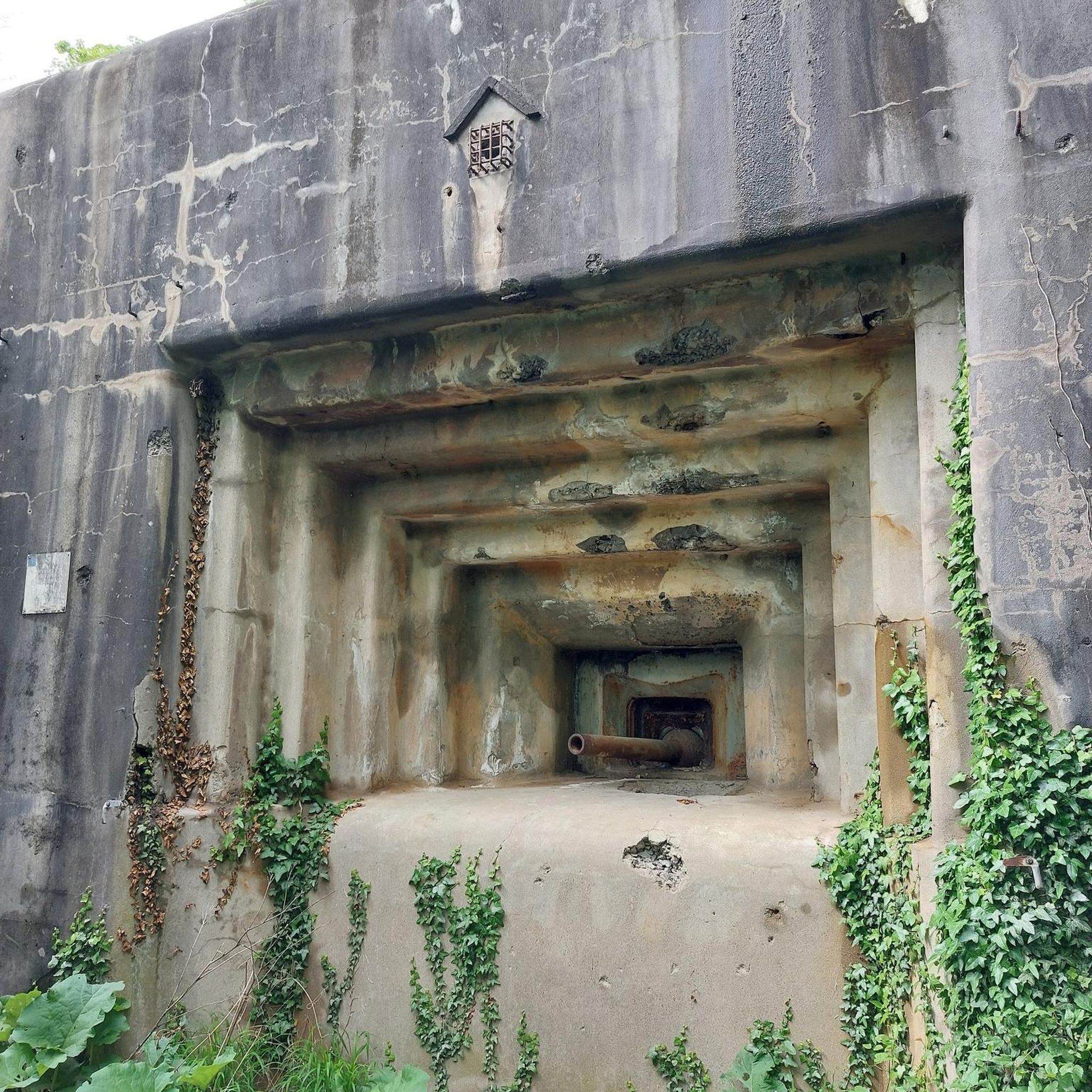
The refurbishment and reconversion project of this 17th-century fortress won, in 2014, the prize for the best restoration of a military building in Spain. What are now luxury rooms on the Spanish-Portuguese border could house 1,500 infantrymen and 200 horses at his creation. The fort had two phases. The first, in the 17th century, when after the uprising in Lisbon that deposed Philip of Habsburg, it was built to serve as a base for an army that would recover Portugal. The Second, in the 18th century, when it was rebuilt to oppose the Portuguese stronghold of Almeida. During the war of independence, it was partially blown up and, for much of the 19th century, the surrounding inhabitants took advantage of it as a quarry until its sale to the private sector gave rise to the current construction.
1
0
Together with Fuentes de Oñoro they form a border population center known as La Raya. This denomination is the colloquial way of calling the more than 1,200 kilometers of border between the two Iberian countries, but it is used especially in places where the political border is a mere anecdote and both sides share a cultural and historical unity. Vilar de Formoso has traditionally been a border post. Today it is the railway gateway to the Portuguese country from Europe on the surexpress train that connects Lisbon with France. It is also a prosperous commercial crossroads in the region.
0
0
The zoomorphic carvings of Siega Verde occupy more than a kilometer of stones on the banks of the Águeda and are the most important open-air site on the Iberian Peninsula. They are part of the Vale de Coa complex, in Portugal, which was declared a World Heritage Site by UNESCO. Horses, bears, goats and other species extinct on the peninsula such as the woolly rhinoceros, reindeer and bison are represented in the carvings. The site is fenced for its preservation, but an interpretation room has been built that details the life of the inhabitants of the area in the Palaeolithic.
0
0
ラアラメダデガルドンでのの人気ルート

komootモバイルアプリでインスピレーションを得よう


さらに探索
まだ探しているハイライトが見つかりませんか?他の地域のトップアトラクションのガイドを見てみましょう:
