マルセ周辺のアトラクション&必見スポット - トップ20
マルセには必見のスポットがたくさんあります。ハイキング愛好家やサイクリング愛好家の方は、ぜひマルセを探索してこのエリアにある20
の隠れたスポットを訪れてみてください。このエリアの必見スポットを確認し、次の冒険に出かける計画を立てましょう。
最終更新日: 10月 10, 2026
シノン王宮要塞
ハイライト • 城
翻訳者 Google •
役立つ情報 は

シャトー・デュ・リヴォー
ハイライト • 城
翻訳者 Google •
役立つ情報 は

今すぐサインアップして、こんな場所を発見しよう
最高のシングルトラック、ピーク、その他のエキサイティングなアウトドアスポットのおすすめを受け取ろう。
サンクチュエール・ノートル=ダム=ド=リヴィエール
ハイライト • 宗教的な場所
翻訳者 Google •
役立つ情報 は

シノンからリシュリューへのヴォワ・ヴェルト
ハイライト • サイクリングロード
翻訳者 Google •
役立つ情報 は

無料アカウントで今日から始めよう
次の冒険が待っています。

コミュニティからのヒント

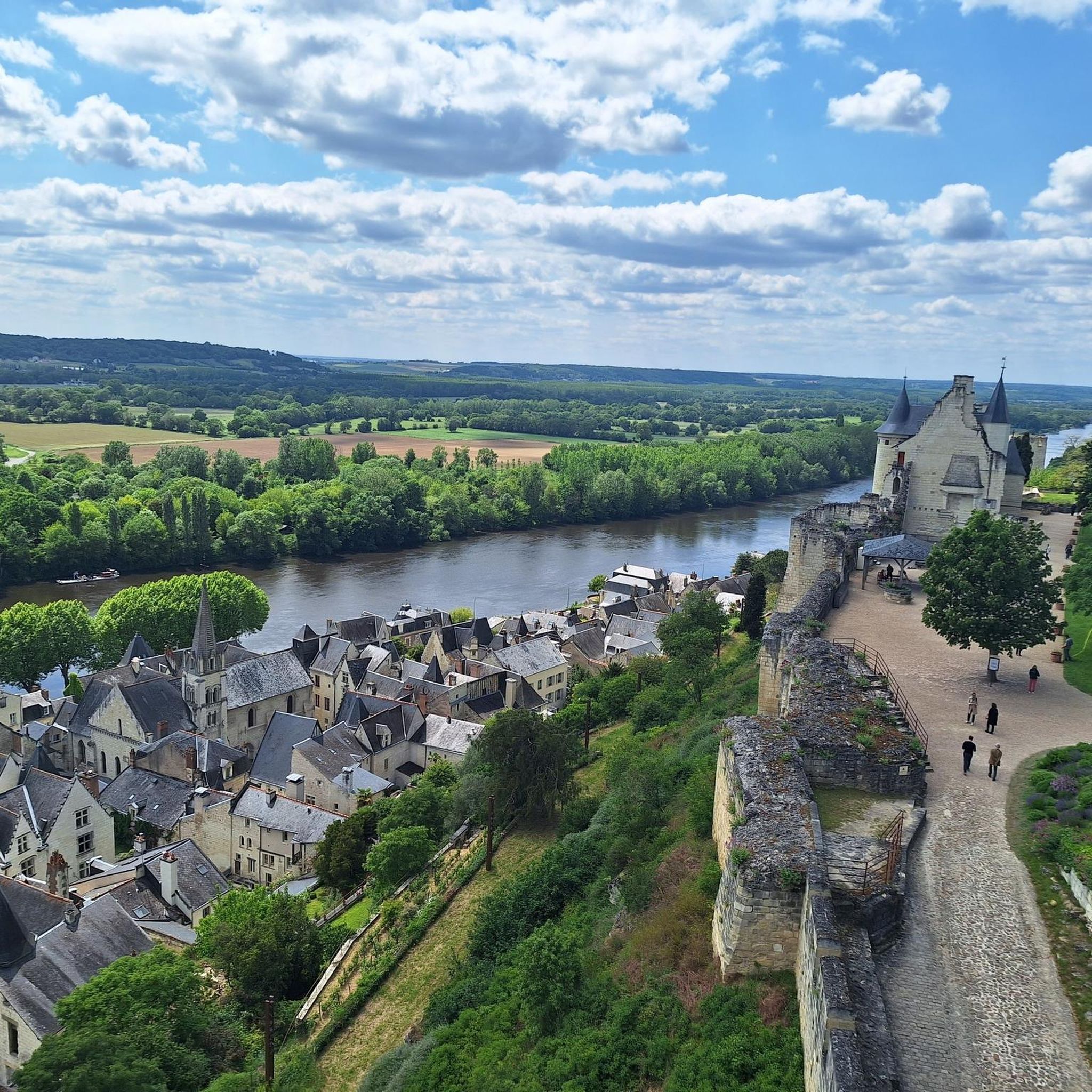
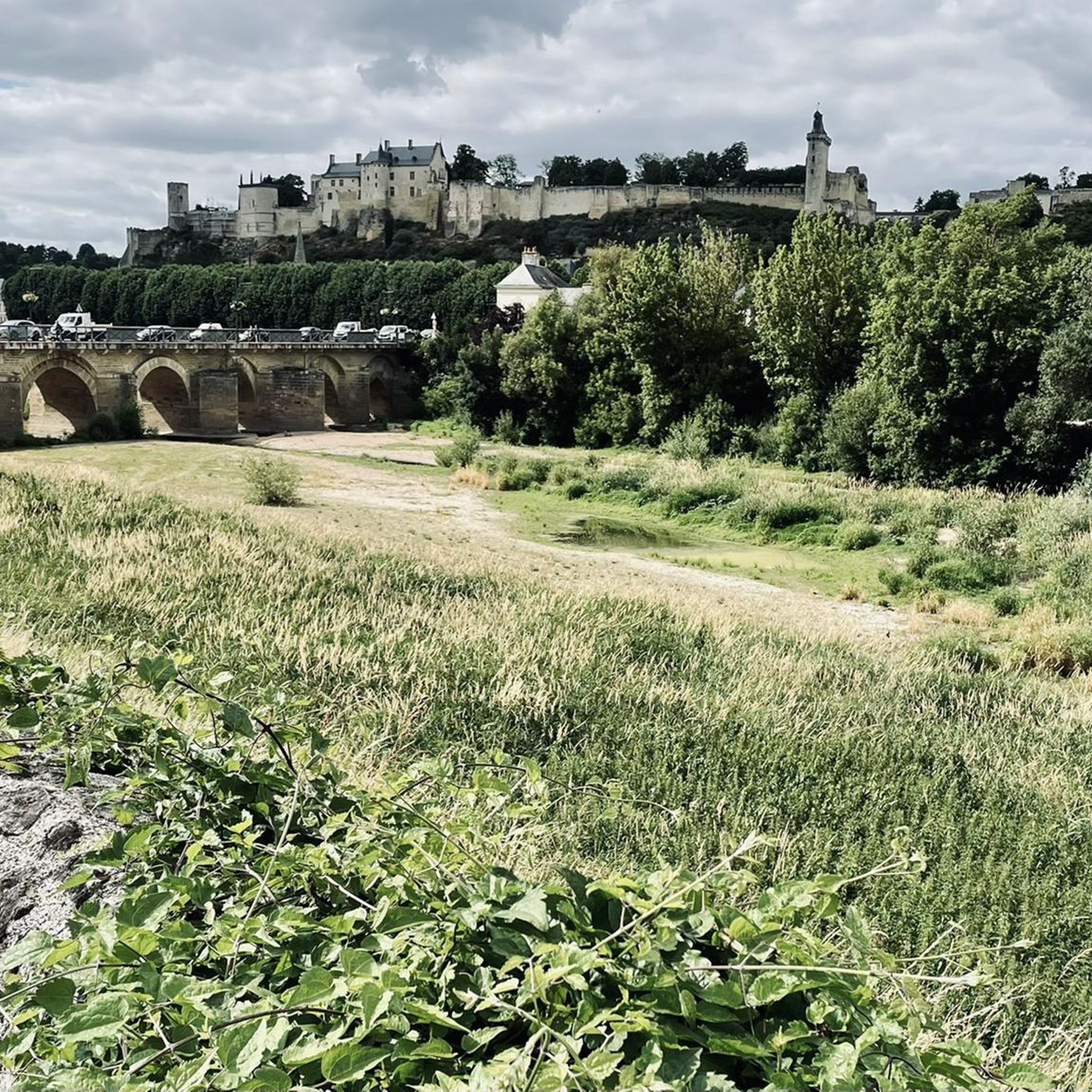
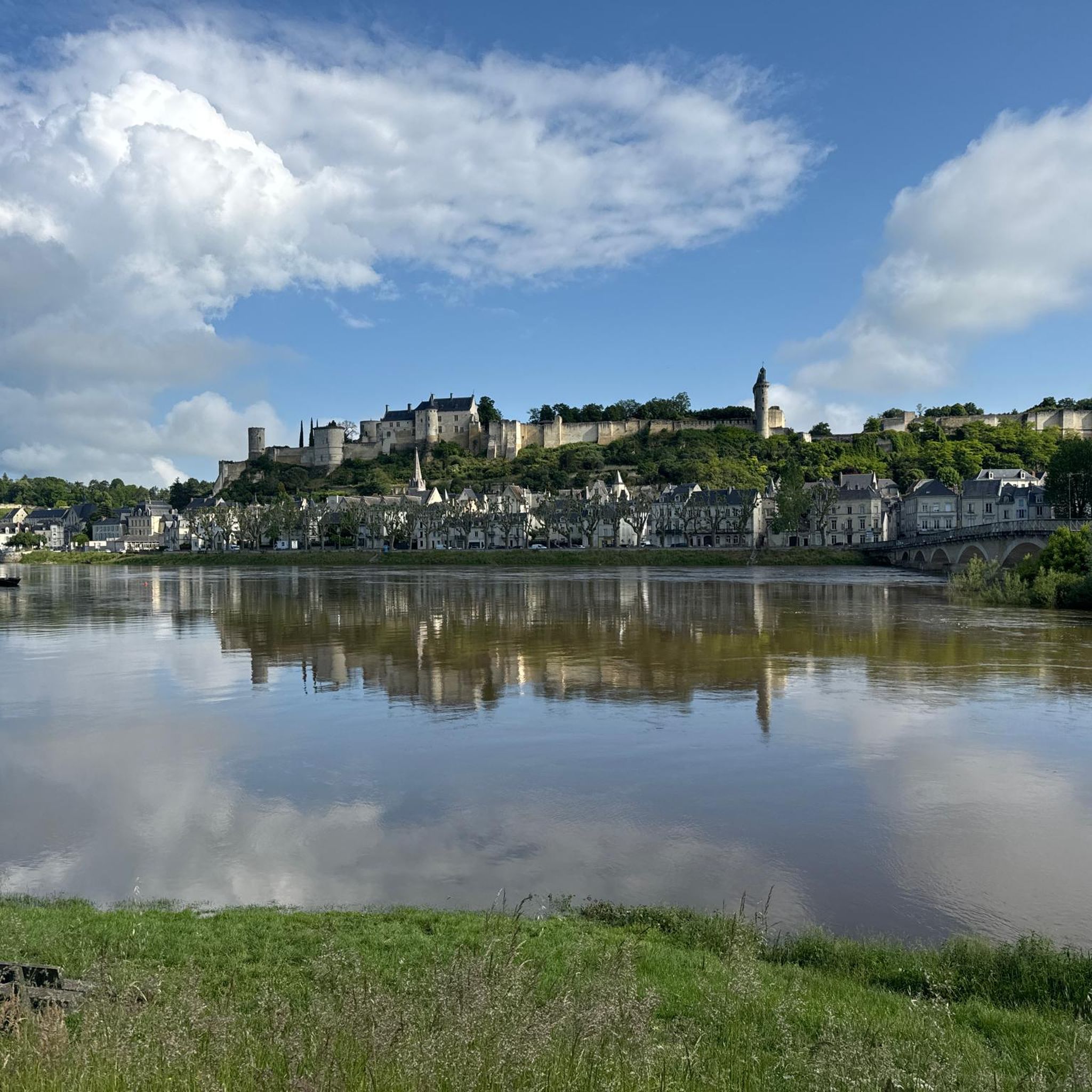
History in brief Antiquity: the site is strategically located on a promontory and has been inhabited for 3,000 years. It was not fortified until the end of the Roman Empire. Middle Ages: in 1154, the new King of England, Henry II Plantagenet, became ruler of an empire stretching from Scotland to the Pyrenees and made Chinon his continental capital. He had a large palace built next to the fortress, which has now disappeared. In 1189, abandoned by his sons, Richard the Lionheart and John Lackland, and fleeing from the King of France, he eventually died there. Philippe Auguste had the defensive Tour du Coudray built there after the siege of 1205. Renaissance: in 1454, the fortress became the main residence of Queen Marie d'Anjou, who lived there without her husband. She spent lavishly on decorating the house to her taste. From the 16th century onwards, the fortress was gradually abandoned and fell into disrepair. Despite the dangerous nature of the terrain, it became a public promenade in 1824 and was listed as a monument in 1840. The restoration of the estate began in 1854 thanks to the efforts of the writer Prosper Mérimée. Source: https://loirelovers.fr/en/visit-royal-fort-chinon/
6
0
Here she is, the national heroine of France. Historical context: She is one of the greatest heroines in French military history. She played a decisive role in the Hundred Years' War (1337-1453) but was handed over to the English by the Burgundians, after which she ended up at the stake. Joan of Arc, canonized in 1920, was an extraordinary young woman.
5
0

A must-see: the Happy-culteurs of Champigny sur Veude (the station).
0
0

Beautiful gardens and an art collection in the castle.
0
0

Seen from the outside, this little church doesn't look like much, and you have to go through the front door to discover this hidden gem. Its walls, entirely covered with decorations and motifs painted during several campaigns over the centuries, restore the original appearance of Romanesque churches with a state of conservation that is quite rare in France. The Notre-Dame de Rivière church was built between the 10th and 11th centuries. Legend has it that Saint Martin founded the early church on a site already devoted to prayer. Today, it has a choir, a crypt and recumbent figures dating from the 16th century, as well as remarkable exterior sculptures. But it is above all the 11th century frescoes, recently restored, which add to the historical richness of this building. Legend has it that Joan of Arc passed there, but this is not corroborated by any contemporary testimony, however Charles VII made a pilgrimage there.
0
0

The road out of Chinon towards the Loire, to get back on the Eurovelo 6 (towards Tours) had huge hills beyond my skill set with a lot added bike. Check elevations. I ended up catching a train two stops.
0
0


This dynamic statue of Chinon created by Jules Roulleau was offered by the sculptor to the city where Joan of Arc met the Dauphin for the first time in 1429. The statue represents Joan of Arc galloping over the bodies of her defeated enemies.
0
0
マルセでのの人気観光スポット

komootモバイルアプリでインスピレーションを得よう


さらに探索
まだ探しているハイライトが見つかりませんか?他の地域のトップアトラクションのガイドを見てみましょう:
