ルバーゲ周辺のアトラクション&必見スポット - トップ20
ルバーゲには必見のスポットがたくさんあります。ハイキング愛好家やサイクリング愛好家の方は、ぜひルバーゲを探索してこのエリアにある20
の隠れたスポットを訪れてみてください。このエリアの必見スポットを確認し、次の冒険に出かける計画を立てましょう。
最終更新日: 8月 26, 2026
モン・ド・ワッテン
ハイライト • 山頂
翻訳者 Google •
役立つ情報 は

Blockhaus d'Éperlecques
ハイライト • 歴史的な場所
翻訳者 Google •
役立つ情報 は

今すぐサインアップして、こんな場所を発見しよう
最高のシングルトラック、ピーク、その他のエキサイティングなアウトドアスポットのおすすめを受け取ろう。
無料新規登録
ボレツェレ
ハイライト • その他
The weekly market and the novena once enlivened this town. From all the …
翻訳者 Google •
役立つ情報 は
Den Leeuw Meulen
ハイライト • 記念碑
翻訳者 Google •
役立つ情報 は
ラ・プレーヌ・オ・ボワ記念館(ヴォルムート虐殺現場)
ハイライト • 歴史的な場所
翻訳者 Google •
役立つ情報 は
無料でサインアップして、さらに多くの観光スポットを発見しましょう ルバーゲでの。
無料新規登録
すでにアカウントをお持ちですか?
無料アカウントで今日から始めよう
次の冒険が待っています。
ログインまたは登録
コミュニティからのヒント

The Éperlecques bunker (also called the Watten bunker) is a World War II bunker in the Éperlecques forest, part of the commune of the same name in the Pas-de-Calais department in France. It was codenamed Kraftwerk Nord West (KNW) and was built by Nazi Germany from 1943 to 1944 as a launch site for V2 rockets aimed at London and southern England. The bunker was built to accommodate more than 100 rockets at a time and to fire 36 per day. A liquid oxygen plant and a bomb-proof post were to be built to supply the site with rockets and supplies from production sites in Germany. It was built by forced laborers from concentration and labor camps, as well as recruited French civilians. The blockhouse was never completed due to repeated bombing by the British and Americans as part of Operation Crossbow. The attacks caused considerable damage and prevented the device from being used in its original function; part of the building was converted into a factory for the production of liquid oxygen. The site was captured by the Allies in early September 1944, but its actual function only became clear after the end of the war. The blockhouse has been a listed building since 1986. In 2014, the museum exhibited the site and the German ballistic program.
0
0

The Grange de la Plaine au Bois massacre, located in Wormhout, northern France, was a tragic event that occurred on 28 May 1940 during the Second World War, at the start of the French Campaign. This event is also known as the Wormhout massacre. Background: In the early months of World War II, German troops were advancing rapidly in northern France. British forces, part of the British Expeditionary Force (BEF), were attempting to slow the German advance to allow the evacuation of Dunkirk. The events: During fierce fighting around Wormhout, approximately 80 British and French soldiers were captured by a German Waffen-SS unit, the Leibstandarte SS Adolf Hitler Division. The prisoners were first disarmed and then forced to march to an isolated barn, called the Grange de la Plaine au Bois. German soldiers, violating the laws of war, locked the prisoners in the barn. For no apparent reason, the SS threw grenades into the building, killing and wounding many prisoners. Some survivors, despite their injuries, were executed by shooting or bayoneting. However, a few soldiers miraculously escaped death and later testified about the massacre. Consequences and memory: The Plaine au Bois massacre was one of many war crimes committed by Waffen-SS troops during World War II. After the war, several attempts were made to try those responsible for the massacre, but these efforts were hampered by political and legal issues, and many perpetrators were never brought to justice. Today, the site of the barn is a place of remembrance. A monument has been erected to honor the victims, and commemorations are held regularly to remember this atrocious war crime.
3
0

Worth the climb up the hill. Small park at the top accesses the mill. Best example I have ever seen
2
0

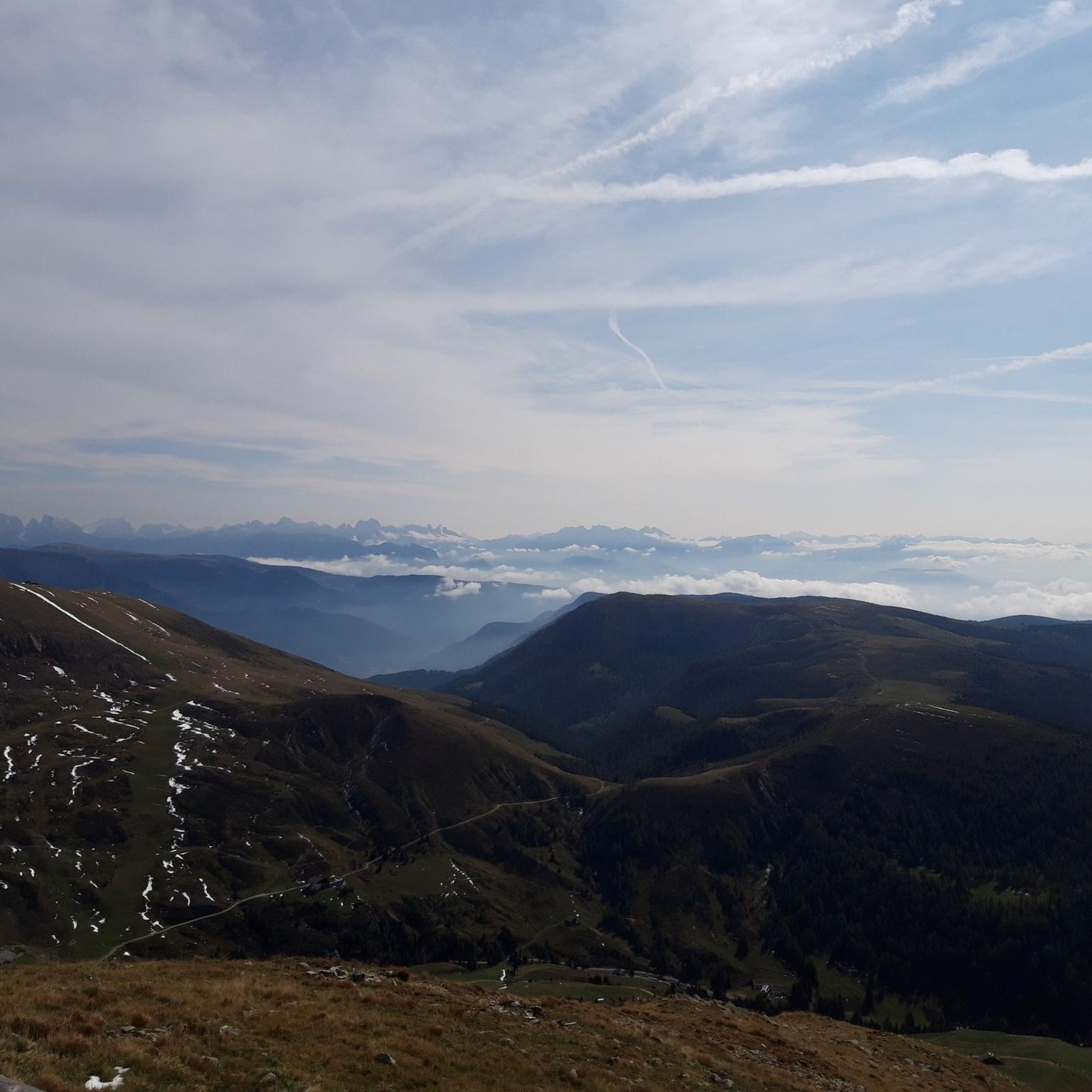
The Montagne de Watten site is a viewpoint located in Watten, in the Nord department in France. It offers a panoramic view of the city and its surroundings.
10
0
The Watten mill was built in the 18th century on the site of a bastion. It has been restored and in the summer the blades turn as before.
7
0
On the hills are also the ruins of an abbey (private property) with a square Gothic tower. The esplanade in front of the abbey entrance offers a view of the gorge formed by the Aa (canal, railway) and the Forêt Domaniale d'Eperlecques.
7
0
"The most Flemish town in France" is how J. Desitter, a great lover of Flanders, defined Bollezeele. The weekly market and the novena once enlivened this town. From all the surrounding villages, the farmers' wives brought in crowds eggs, butter and famous and sought-after poultry. As for the novena, thousands of people came to venerate Our Lady of Bollezeele there since the 15th century. From this prosperous period, the center of the village has preserved a vast square lined with solid two-storey houses and a church enlarged over the centuries to accommodate the ever-increasing number of pilgrims. Numerous and generous, the faithful endowed their sanctuary with magnificent furniture: altarpieces, organs, woodwork, which should not be missed. More recent, the Town Hall (1933), although of modest dimensions, is one of the most beautiful in Flanders. Of the purest regional style, it is one of the witnesses of this will of the architects of the reconstruction (after the 1st World War) to preserve the identity of the provinces.
5
0


komootモバイルアプリでインスピレーションを得よう


さらに探索
まだ探しているハイライトが見つかりませんか?他の地域のトップアトラクションのガイドを見てみましょう:
