シャニエール周辺のアトラクション&必見スポット - トップ20
シャニエールには必見のスポットがたくさんあります。ハイキング愛好家やサイクリング愛好家の方は、ぜひシャニエールを探索してこのエリアにある20
の隠れたスポットを訪れてみてください。このエリアの必見スポットを確認し、次の冒険に出かける計画を立てましょう。
最終更新日: 10月 18, 2026
フォンデュス修道院
ハイライト • 歴史的な場所
翻訳者 Google •
役立つ情報 は

チェーンビン
ハイライト • 構造物
役立つ情報 は

今すぐサインアップして、こんな場所を発見しよう
最高のシングルトラック、ピーク、その他のエキサイティングなアウトドアスポットのおすすめを受け取ろう。
サン=マルタン教会
ハイライト • その他
翻訳者 Google •
役立つ情報 は

サントのアベイ・オー・ダム
ハイライト • 宗教的な場所
翻訳者 Google •
役立つ情報 は

サン=ピエール大聖堂(サント)
ハイライト • 宗教的な場所
翻訳者 Google •
役立つ情報 は

無料でサインアップして、さらに多くの観光スポットを発見しましょう シャニエールでの。
すでにアカウントをお持ちですか?
無料アカウントで今日から始めよう
次の冒険が待っています。



コミュニティからのヒント

シャニエ(シャラント=マリティーム県)の渡し船は、フランスで現在も運行されている数少ない伝統的な河川渡し船の一つです。サン=テスから数キロ下流にあるシャニエとクルクール間のシャラント川を渡ることができます。 何世紀にもわたって利用されてきた渡し場 シャニエの渡し船の歴史 シャニエでの渡し船による渡航は非常に古く、中世にまでさかのぼります。17世紀半ばには、すでにシャラント川の重要な渡河地点となっていました。川を渡るだけでなく、住民が対岸の草原、特に農業活動のために利用するのを可能にしていました。 20世紀初頭、シャニエの渡し船は、シャラント川におけるはるかに大きな渡し船網の一部でした。1909年には、シャニエのものを含め、シャラント=アンフェリウール県で13艘の渡し船が確認されていました。当時、橋が普及する前は、渡し船は不可欠でした。 なぜ「チェーン(鎖)渡し」なのか? 原理は、渡し船を両岸を結ぶ鎖の上に維持することです。船頭はこの鎖を使って船を進め、流れに逆らって船を進路に保ちます。 シャニエの現在の渡し船は動力付きですが、手動で操作されるドムピエール=シュル=シャラントの渡し船とは異なります。しかし、観光案内所はそれを依然として「チェーン渡し」と説明しており、自治体もシャニエとクルクールを結ぶ伝統的な渡河手段としています。 現在の渡し船 渡航は、シャニエのル・コムナルとクルクールの岸の間で行われます。無料であり、歩行者、自転車、動力付き車両を運ぶことができます。その運行は、特にシャラント川の水量に依存します。 シャニエ市は実際、「シャニエ港とそのチェーン渡し」を地元の遺産として公式に紹介しています。 重要な点:前のメッセージを訂正します。シャニエの渡し船は単なる「19世紀の」渡し船ではありません。渡河は中世から証明されており、その運用方法と設備が何世紀にもわたって進化してきたのです。
0
0

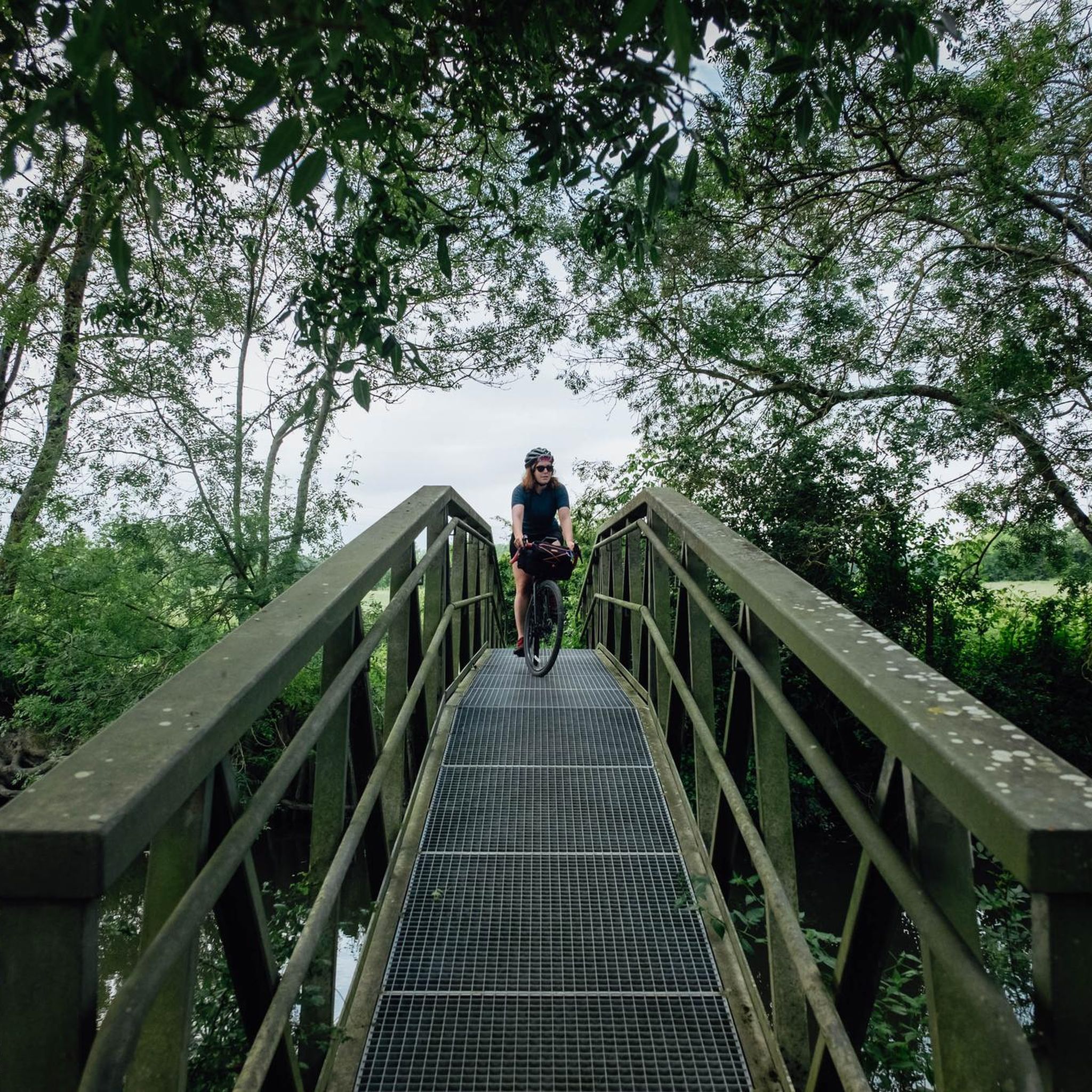
I really enjoyed this ride. I’m 46, I did it on a 40 year old road bike, it’s more suited to a cyclocross bike!
1
0


A must-see visit alongside this abbey on a magnificent circuit
0
0

The Abbaye-aux-Dames is built around the church of Sainte-Marie, built in the twelfth century. Famous for its facade and its characteristic "pinecone" bell tower, it is one of the emblematic monuments of Saintonge's Romanesque art. After several wars and fires, the place was restored in the 1970s and 1980s and is now a hotel. When you walk through the long corridors you feel like you have been transported back to the time when the abbey was still alive.
4
0
The Saint-Pierre Cathedral is located in the heart of the old town on the left bank of the Charente. According to tradition, the founding of this episcopal see goes back to Saint Eutrope. The construction of the first Christian building on the site of the current cathedral could not be dated with any precision. It probably dates back to the 6th century.
5
0

A former Benedictine abbey created in 1047, Abbaye-aux-Dames was the first women's monastery in Saintonge. These powerful women were nuns, that is to say, nuns living cloistered and having taken a vow of piety, occupying their lives in contemplation. They carried the crosier, in other words the pastoral staff of a bishop, and minted coins. Richly endowed, the abbey carried its influence well beyond the borders of the county and over time it became one of the most powerful women's monasteries in all of South-West France. With up to a hundred nuns at its peak, it was entrusted with the mission of instructing young girls, often from the French nobility, and counted among its most illustrious residents the future Marquise de Montespan, favorite of Louis XIV. The Abbaye-aux-Dames is structured around the Sainte-Marie church, built in the 12th century, famous for its facade and its characteristic “pine cone” bell tower. The premises were restored during the 1970s and 1980s and now house a Cité de la musique in which the Saintes Festival dedicated to classical music takes place each year. You can also stay in a wing of the building, the cells having been converted into hotel rooms, and leave your bike in a secure room.
0
0
Towards the end of the 12th century, an abbey church was built. At the beginning of the 13th century, attached to the west of the first Romanesque abbey, a Gothic-style cloister was gradually built. The abbey reached its peak from this period: in addition to its priories (la Grainetière in Vendée and la Tenaille near Pons), it owned land within a radius of 100 km, including saltworks on the coast. In the 15th century, Fontdouce obtained the title of royal abbey leading to a profound change in its mode of administration: the abbot was no longer elected by his peers within the community but was appointed by the king. It is often a great layman to whom the king grants the commendation, that is to say 80% of the income of the abbey. Then, the wars of religion, in the 16th century, accelerated its decline. The abbey church is ransacked: it will never be rebuilt. The years following the French Revolution also brought their share of destruction: several buildings, including the refectory, disappeared. The last monks were driven out in 1793 and the following year the site was sold as National Property to serve as agricultural property. The farmer who bought the place then built, on the remains of the conventual buildings, a house in the First Empire style. In the 1820s, Fontdouce entered the family of the current owners who, on December 16, 1986, had the Gothic parts, chapter house and parlor classified as historical monuments2. From 1970, the current owners undertook a series of excavations intended for the restoration of the Abbey of Fontdouce. They are gradually bringing the beautiful chapter house and the Gothic parlor back to life, the two superimposed Romanesque chapels and several other remains. These restoration works earned them third prize in the masterpiece in danger competition in 1979. In 1986, the site was entirely classified as a Historic Monument1. Today, Fontdouce remains a private property, focused on tourist and cultural activities, supported in its development actions by a team of enthusiasts grouped together within the Association Guillaume de Conchamp.
1
0

komootモバイルアプリでインスピレーションを得よう


さらに探索
まだ探しているハイライトが見つかりませんか?他の地域のトップアトラクションのガイドを見てみましょう:
