ベートブルクハウのおすすめMTBライド
4.0
(17)
82
ライダー
22
ライド
ベートブルクハウ周辺でのマウンテンバイクは、その地形を最大限に楽しむのに最適なスポーツですが、ライドのスタート地点を探すのが難しいこともあります。ベートブルクハウ周辺でおすすめのルートが見つかるように、人気マウンテンバイクルートをご紹介します。
最終更新日: 10月 13, 2026
4.4
(7)
19
ライダー
36.4km
02:03
70m
70m
中程度のマウンテンバイクライド. ある程度のフィットネスレベルが必要です。 あらゆるスキルレベルに適しています。
4.0
(3)
6
ライダー
28.7km
01:36
50m
50m
初級者向けMTBライド. あらゆるフィットネスレベルに適しています。 あらゆるスキルレベルに適しています。

9
ライダー
60.7km
03:49
200m
200m
中程度のマウンテンバイクライド. ある程度のフィットネスレベルが必要です。 高度なライディングスキルが必要です。
5.0
(1)
4
ライダー
57.1km
04:13
470m
470m
中程度のマウンテンバイクライド. ある程度のフィットネスレベルが必要です。 高度なライディングスキルが必要です。
4
ライダー
27.8km
01:37
80m
80m
初級者向けMTBライド. あらゆるフィットネスレベルに適しています。 あらゆるスキルレベルに適しています。
さらに多くのルートや他のユーザーのおすすめ情報を確認できます。
すでにアカウントをお持ちですか?
おすすめのツアーは他のkomootユーザーが実際に経験した何千ものアクティビティに基づいています。
無料アカウントで今日から始めよう
次の冒険が待っています。
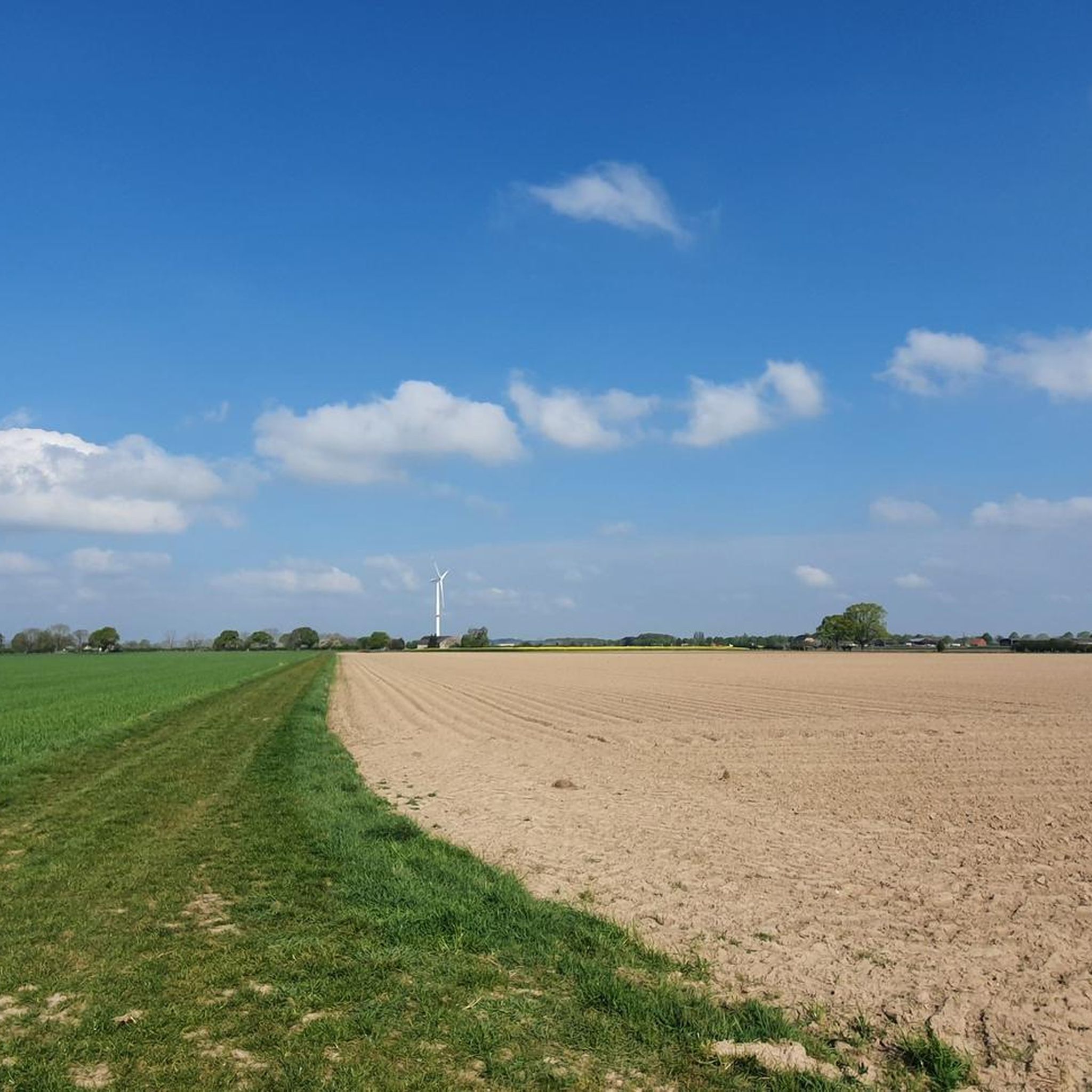
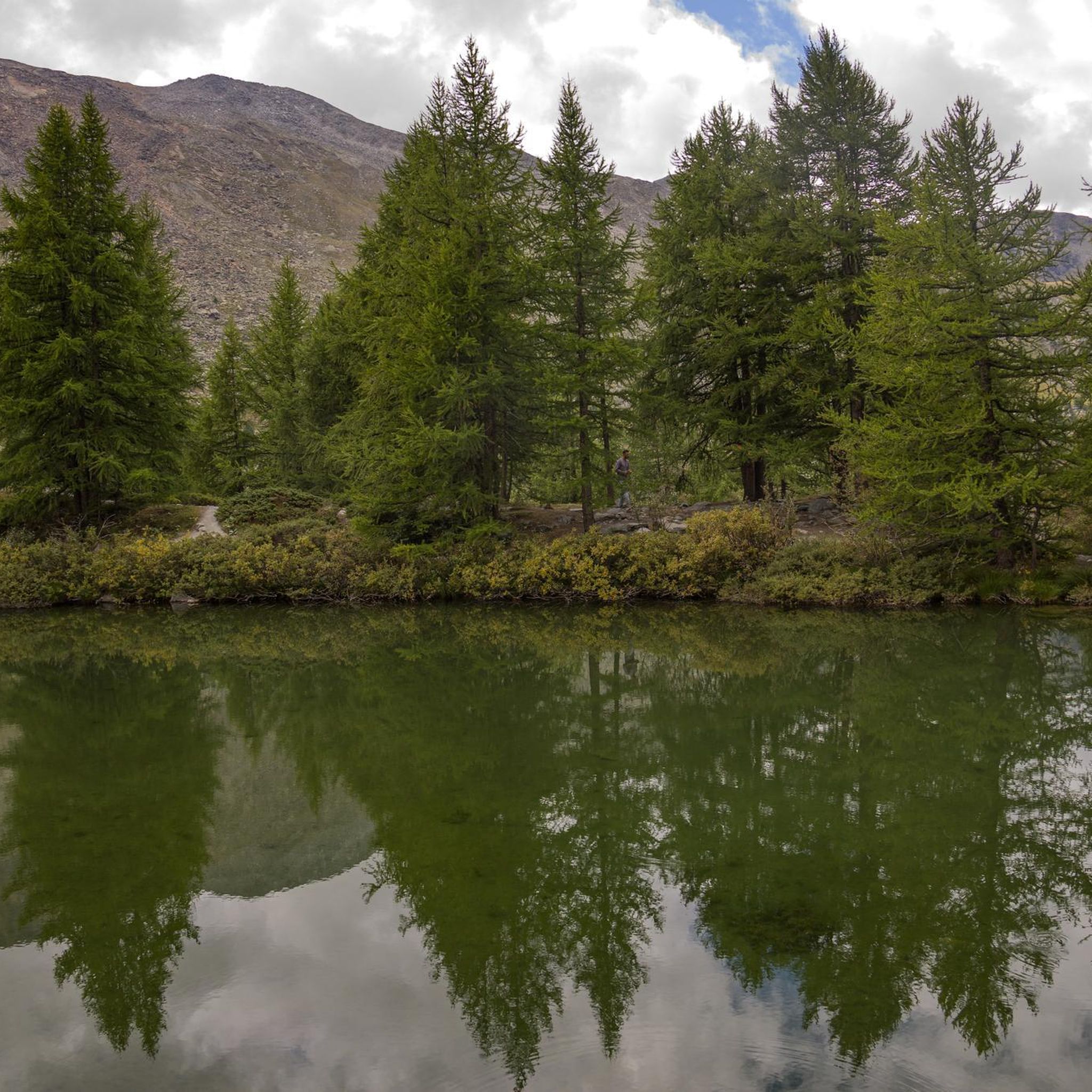

コミュニティからのヒント


ヨハンナ・セブス(1791–1809)は、クレーフェ近郊のブリーネン出身でした。1809年のライン川氾濫時の堤防決壊の際、彼女はまず母親を濁流から救いました。さらに多くの人命を救おうとする試みの中で、彼女自身も命を落としました。3か月後に彼女の遺体が発見されたとき、当時のクレーフェの副知事であったカール・ルートヴィヒ・フォン・ケヴァーベルク男爵(1768–1841)は記念碑の建設を提唱しました。ラインラントのフランス占領政府はこの提案を承認し、1811年に記念碑を建立しました。 同時に、ヨハンナ・セブスには死後、「白いバラ」が授与されました。これはナポレオンが創設した栄誉で、毎年フランス支配下のすべての地域で、特に徳の高い少女に授与されることになっていました。文学や音楽において、ヨハンナ・セブスはすぐに集団的記憶の対象となりました。ヨハン・ヴォルフガング・フォン・ゲーテは彼女にちなんでバラードを捧げ、フランツ・シューベルトはこの詩の(未完ではありますが)作曲をしました。20世紀には、音楽家であり画家でもあったベーラ・ラヨシュ(1929-2016)がヨハンナ・セブスのためにオペラを作曲しました。彼女の没後175周年にあたる1984年には、ヨハンナ・セブス・メダルが創設され、「困窮時の援助」に対して個人または団体に授与されています。 建築の説明 記念碑の形状は、主に立体的で基本的な形態で構成される新古典主義の、ほとんど装飾のないレパートリーに由来しています。青石で作られた、人の背丈よりも高い半円形の石碑は、段状のコーニス台座の上に立っており、その後ろには半円形の石製ベンチが配置されています。記念碑の前面にはフランス語の碑文があり、その上には白い大理石のメダリオンが埋め込まれており、12の星に囲まれた、流れるバラが描かれています。フランス語の碑文のドイツ語訳は1953年に作成されました。それは次のように記されています:「1809年1月13日、ライン川の氷流とCleverhamm堤防の大決壊の際に、助けようとして溺れた、Brienen村の17歳の美しく善良な女性の追悼に。」 ヨハンナ・セブス記念碑はノルトライン=ヴェストファーレン州の所有であり、デュッセルドルフ行政管区によって管理されています... (Fabian Kröning, ケルン大学美術史研究所, 2016) https://www.kuladig.de/Objektansicht/KLD-298086
1
0
+ Founding between 721 and 726: Donation of large estates, including the church in Millingen, to the Church of St. Peter and St. John the Baptist. Until the 17th century: Patronage of St. Peter predominant. 1714: Main patronage of St. Willibrord. 1804 to 1821: Sub-parish of the cantonal church in Cleves. 1806 to 1852: Part of the dissolved parish of Düffelward belonged to Rindern. + St. Willibrord was separated from Rindern. 1448: Donsbrüggen St. Lambertus. 1908: Reassignment of the area belonging to the city of Cleves to St. Mary's Assumption. + Merger November 27, 2005: Merger of Bimmen St. Martinus, Düffelward St. Mauritius, Keeken St. Mary's Assumption, and Rindern St. Willibrord. (becomes parish church) + Successor St. Willibrord Church, Kleve (J 792) + Current municipal affiliation City of Kleve, District of Kleve https://data.matricula-online.eu/de/deutschland/muenster/rindern-st-willibrord/
0
0

This church is a small, round church with a clear height of only 5 meters. Before the 12th century, it was extended with a nave. By the 19th century, the building had become so dilapidated – and arguably too small – that a new, larger church was built in the neo-Gothic style (1870-72). The tuff stones that formed the small chancel of the old church were reused: they were used to create a niche on the north side of the church, which now serves as a baptismal chapel. Thus, in St. Willibrord's Church, there is a beautiful connection between the ancient stone relics, which St. Willibrord himself saw, and the very young Christians who are carried into the chapel for baptism. Source: https://st-willibrord-kleve.de/rindern/st--kirche/
0
0

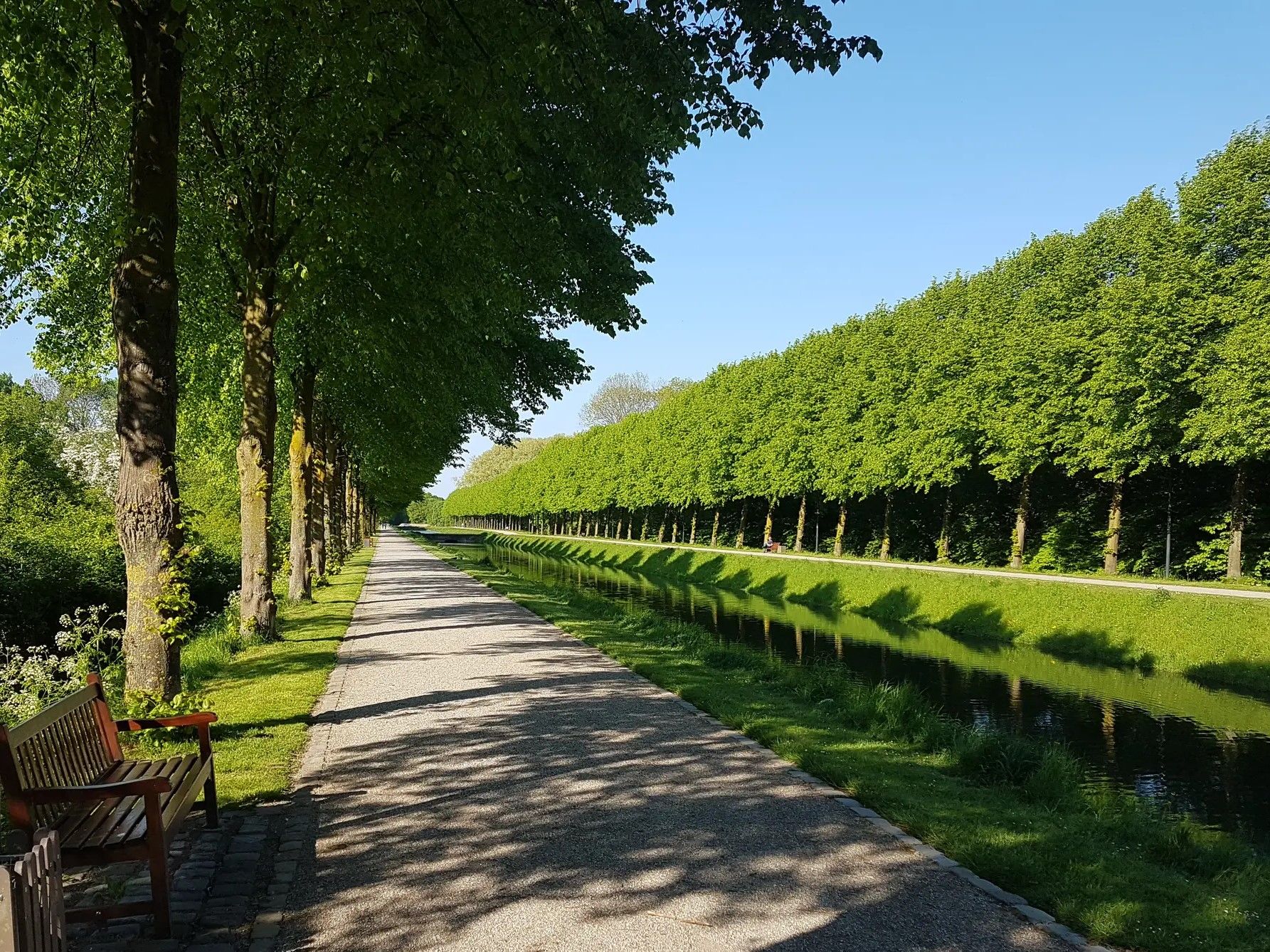
Located directly on the Spoy Canal, beautifully landscaped and with a view of the Schwanenburg.
1
0


komootモバイルアプリでインスピレーションを得よう


さらに探索
他の地域の最高のMTBトレイルを見てみましょう。
