ブランザック-ポルシュレス周辺のアトラクション&必見スポット - トップ20
ブランザック-ポルシュレスには必見のスポットがたくさんあります。ハイキング愛好家やサイクリング愛好家の方は、ぜひブランザック-ポルシュレスを探索してこのエリアにある20
の隠れたスポットを訪れてみてください。このエリアの必見スポットを確認し、次の冒険に出かける計画を立てましょう。
最終更新日: 10月 10, 2026
シャトー・ド・ラ・ロシャンドリー
ハイライト • 城
翻訳者 Google •
役立つ情報 は

クレ(Claix)のメュリエール
ハイライト (セグメント) • その他
Les Meulières de Claix en Périgordの主な見どころ:
製粉石の採掘:
製粉石の製造:石切り場から採掘された石は、製粉石の製造に使用され、製粉所で穀物を挽くのに役立ちました。この産業は、特に中世から19世紀にかけて、地域経済にとって不可欠でした。
高品質の石:Claixの製粉石は、その硬度と耐久性で特に高く評価されており、地域の製粉業者にとって最適な素材でした。
地質遺産:
製粉石の特性:製粉石は、製粉に理想的な質感を持つ多孔質の珪質岩です。その耐摩耗性により、水車や風車で使用される高品質の製粉石の製造が可能になりました。
翻訳を表示中
役立つ情報 は

今すぐサインアップして、こんな場所を発見しよう
最高のシングルトラック、ピーク、その他のエキサイティングなアウトドアスポットのおすすめを受け取ろう。
サン=エステフ教会
ハイライト • その他
翻訳者 Google •
役立つ情報 は
プラサック・ルーフィアックのサン・シバード教会
ハイライト • その他
翻訳者 Google •
役立つ情報 は

眺望と写真掲示板のある休憩所
ハイライト • 休憩所
翻訳者 Google •
役立つ情報 は
無料でサインアップして、さらに多くの観光スポットを発見しましょう ブランザック-ポルシュレスでの。
すでにアカウントをお持ちですか?
無料アカウントで今日から始めよう
次の冒険が待っています。

コミュニティからのヒント

The Saint-Cybard Church of Plassac-Rouffiac is located in the village of Plassac-Rouffiac, in Charente. Built in the Romanesque style, it was listed as a historic monument in 1862. At the intersection of an ancient Roman road connecting Périgueux and Saintes, known as the "Boisné Road," and a road south of Angoulême, this small church boasts several assets: refined sculpted decoration, harmonious proportions, and a façade enlivened by arcades. The façade is divided horizontally into four levels by cornices: the ground floor with a central portal flanked by blind arcades, the second and third levels occupied by semicircular arches, and the top level topped with a triangular pediment. The single nave is covered with a pointed barrel vault. The false square, topped by a dome on pendentives, supports an elegant bell tower with a stone tortoiseshell spire. https://mairie.plassac-rouffiac.fr/eglises/ https://www.angouleme-tourisme.com/patrimoine-culturel/eglise-saint-cybard-4/ https://fr.wikipedia.org/wiki/%C3%89glise_Saint-Cybard_de_Plassac
0
0
Listed as a Historic Monument in 1840, the church has been particularly well highlighted since the restorations undertaken in 2017. The original church was to consist of two bays without side aisles and a choir. It was to be covered with a simple exposed framework. Modifications in the 12th century. A bay carrying a bell tower was added to this building and covered, under it, with an octagonal dome on a squinch. Ending the church to the east, the rectangular choir is covered with a 13th century Angevin vault. Following the wall of the nave comes a staircase turret going up to the bell tower. https://www.angouleme-tourisme.com/patrimoine-culturel/eglise-saint-estephe/
0
0

なぜクラク・アン・ペリゴール(Claix en Périgord)の石臼跡を訪れるべきなのか? 歴史的遺産のため:この場所は、過去数世紀の農業経済における石臼の重要性を物語る魅力的な例です。 自然環境のため:静かな森林環境に位置するクラクの石臼跡は、地元の過去について学びながら、ペリゴール地方の自然を散策し発見するのに理想的な機会を提供します。 地質学的側面のため:地質学愛好家は、石臼の岩石、そのユニークな特徴、そしてその巧妙な採掘方法の研究を高く評価するでしょう。 クラク・アン・ペリゴール(Claix en Périgord)の石臼跡は、産業遺産と地質学的発見の完璧な組み合わせを提供する、歴史愛好家や自然愛好家にとって見逃せない目的地です。
2
0
採石場の遺構:現在でもクラクの古い採石場は残っており、当時の産業採掘や採掘技術をユニークに垣間見ることができます。 自然と歴史の場所: 散策と発見:石臼の採石場跡地は、周囲の森を横切る小道を通って徒歩でアクセスできます。地元の歴史の一部を発見しながら、自然の中を散策するのに最適な場所です。 保存された景観:石臼の採石場跡地は、ペリゴール地方の動植物を観察できる、保存状態の良い自然環境の中にあります。 職人技の記憶: 目に見える痕跡:採石場跡地では、加工された、あるいは放棄された石材のブロックや、過去の激しい職人技を物語る空洞など、古い採掘の痕跡を今でも観察することができます。 経済的重要性:石臼の生産は、農業と製粉における製粉所の重要性から、数世紀にわたり地域の繁栄に大きく貢献しました。
1
0
Les Meulières de Claix en Périgordは、歴史的および遺産的重要な場所です。かつて製粉石の製造に使用されていたこれらの石切り場は、ペリゴール地方における鉱物採掘の貴重な証拠です。 Les Meulières de Claix en Périgordの主な見どころ: 製粉石の採掘: 製粉石の製造:石切り場から採掘された石は、製粉石の製造に使用され、製粉所で穀物を挽くのに役立ちました。この産業は、特に中世から19世紀にかけて、地域経済にとって不可欠でした。 高品質の石:Claixの製粉石は、その硬度と耐久性で特に高く評価されており、地域の製粉業者にとって最適な素材でした。 地質遺産: 製粉石の特性:製粉石は、製粉に理想的な質感を持つ多孔質の珪質岩です。その耐摩耗性により、水車や風車で使用される高品質の製粉石の製造が可能になりました。
2
0

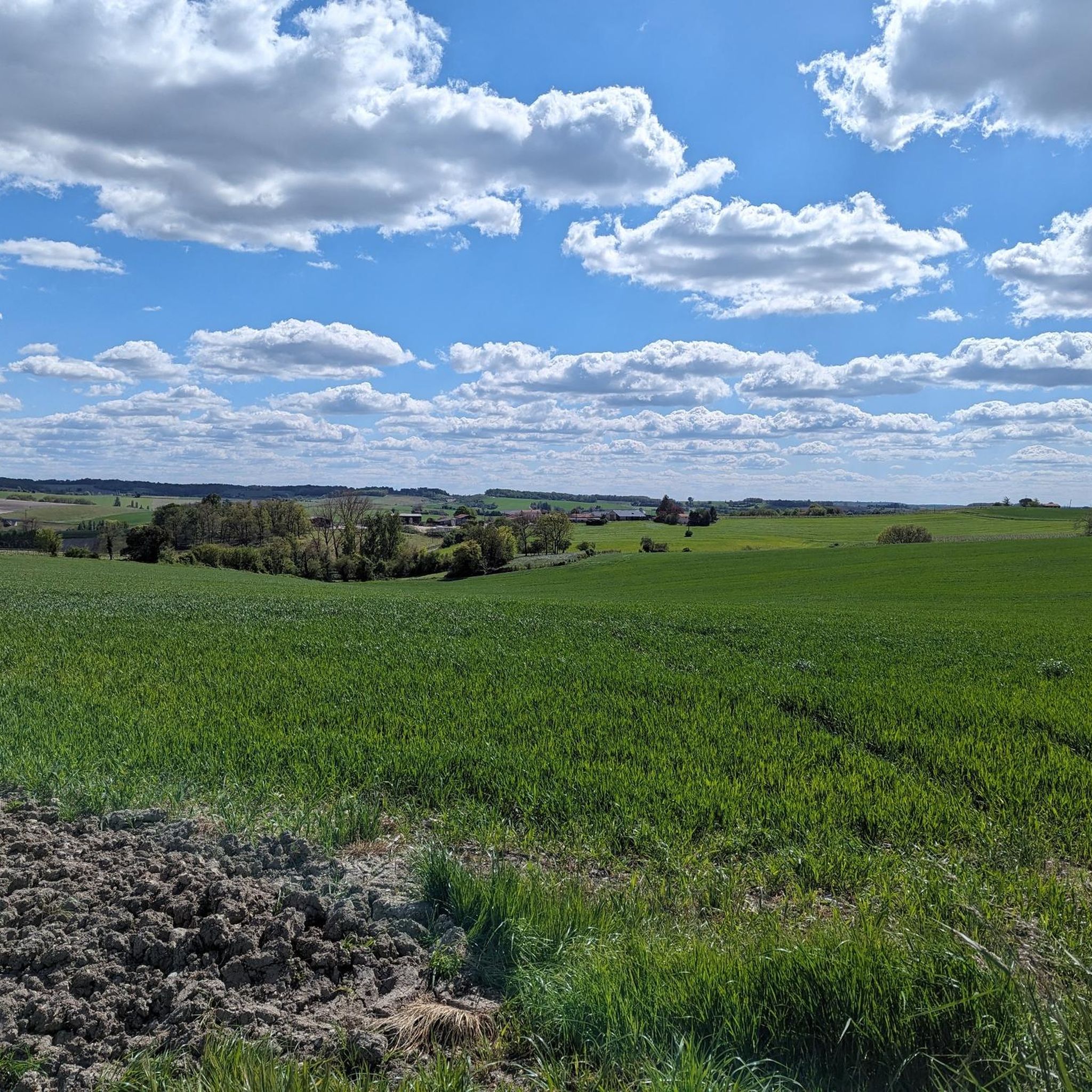
A nice place to take a break. There is a picnic bench and an orientation table. There are lovely views over the surrounding fields.
1
0
The church of Saint-Cybard de Plassac was classified as a historic monument in 1862. It was built in Romanesque style.
1
0

It would be Chanderic, Lord of Saintes at war against the Count of Angoulême, who would have built a fortress, around the 9th century, on the rock where the current castle is located. During the Hundred Years War this castle was disputed between the French and the English. In 1387 Louis de Sancerre, Marshal of France, drove them out. The English took over the castle and were driven out again in 1416 by the Sire de Barbazan, captain of Charles VII who had it demolished. Rebuilt in Gothic style in the 15th century by Jean de La Rochandry, the castle passed by marriage to the Saint-Gelais in 1445, then to the Tison d'Argence and, around 1580, to the Forgues de Lavedan who had it modified and enlarged around 1613 and he gave a Renaissance look. The castle was sold in 1681 to Etienne Chérade, Count of Montbron. In the 18th century, as it threatened to ruin, the Lady of Rouffiac had part of the walls knocked down. In 1850 the banker Servant, from Angoulême, bought what remained of the castle of La Rochandry, had it rebuilt in 1852 as it is today and was ruined in this operation.
1
0

komootモバイルアプリでインスピレーションを得よう


さらに探索
まだ探しているハイライトが見つかりませんか?他の地域のトップアトラクションのガイドを見てみましょう:
