ルート

プランナー

機能

アップデート

App

ログインまたはサインアップ

アプリを入手

ログインまたはサインアップ

ログインまたはサインアップ

ルート
サイクリングルート
ドイツ
バイエルン
オーバーバイエルン
Altmühltal
アイヒシュテット地区

アルトマンシュタイン

アルトマンシュタインのおすすめツーリングルート

4.5

(206)

1,232

ライダー

85

ライド

アルトマンシュタイン周辺でのおすすめのサイクリングルートを参考にして、このエリアを最大限に楽しみましょう。ここでご紹介するのは、アルトマンシュタイン周辺の人気バイクライドです。ぜひ、自分に合ったルートを見つけてください。

最終更新日: 4月 29, 2026

4.6

(32)

215

ライダー

#1.

Altmannsteinから出発する シャンバッハ川 – ヘクセナッガー城 ループコース

20.3km

01:19

200m

200m

中程度の自転車ライド. ある程度のフィットネスレベルが必要です。 全般的に舗装された状態です。あらゆるスキルレベルに適しています。

デバイスでナビ

スマートフォンに送信

保存

中程度

中程度の自転車ライド. ある程度のフィットネスレベルが必要です。 全般的に舗装された状態です。あらゆるスキルレベルに適しています。

中程度
私たちがkomootモバイルアプリで道を示します
無料の komoot アカウントがあれば、無限のアウトドアコースを簡単に見つけてカスタマイズし、ナビで案内できます。

無料新規登録

中程度の自転車ライド. ある程度のフィットネスレベルが必要です。 全般的に舗装された状態です。あらゆるスキルレベルに適しています。

中程度

中程度の自転車ライド. ある程度のフィットネスレベルが必要です。 全般的に舗装された状態です。あらゆるスキルレベルに適しています。

中程度

中程度の自転車ライド. ある程度のフィットネスレベルが必要です。 全般的に舗装された状態です。あらゆるスキルレベルに適しています。

中程度
無料新規登録すると、アルトマンシュタインでのでのライドをさらに81件ご覧いただけます。

さらに多くのルートや他のユーザーのおすすめ情報を確認できます。

無料新規登録

すでにアカウントをお持ちですか?

おすすめのツアーは他のkomootユーザーが実際に経験した何千ものアクティビティに基づいています。
無料アカウントで今日から始めよう

次の冒険が待っています。

ログインまたは登録

閉じる

Loading

アルトマンシュタイン周辺で人気

ドイツライメス自転車道をライン河からダヌーブ河までライディング

Wonderful nature and endless variety – Altmühltal Nature Park

アルトマンシュタインでのハイキング

アルトマンシュタインのロードバイクルート

アルトマンシュタインのMTBトレイル

アルトマンシュタインでののグラベルライド

アルトマンシュタインのランニングコース

アルトマンシュタインでの登山&山歩き

アルトマンシュタインでのの他の冒険

ドイツライメス自転車道をライン河からダヌーブ河までライディング

サイクリングのコレクション によって

Johanna

コミュニティからのヒント

Staufer
10月 20, 2025, Schloss Sandersdorf

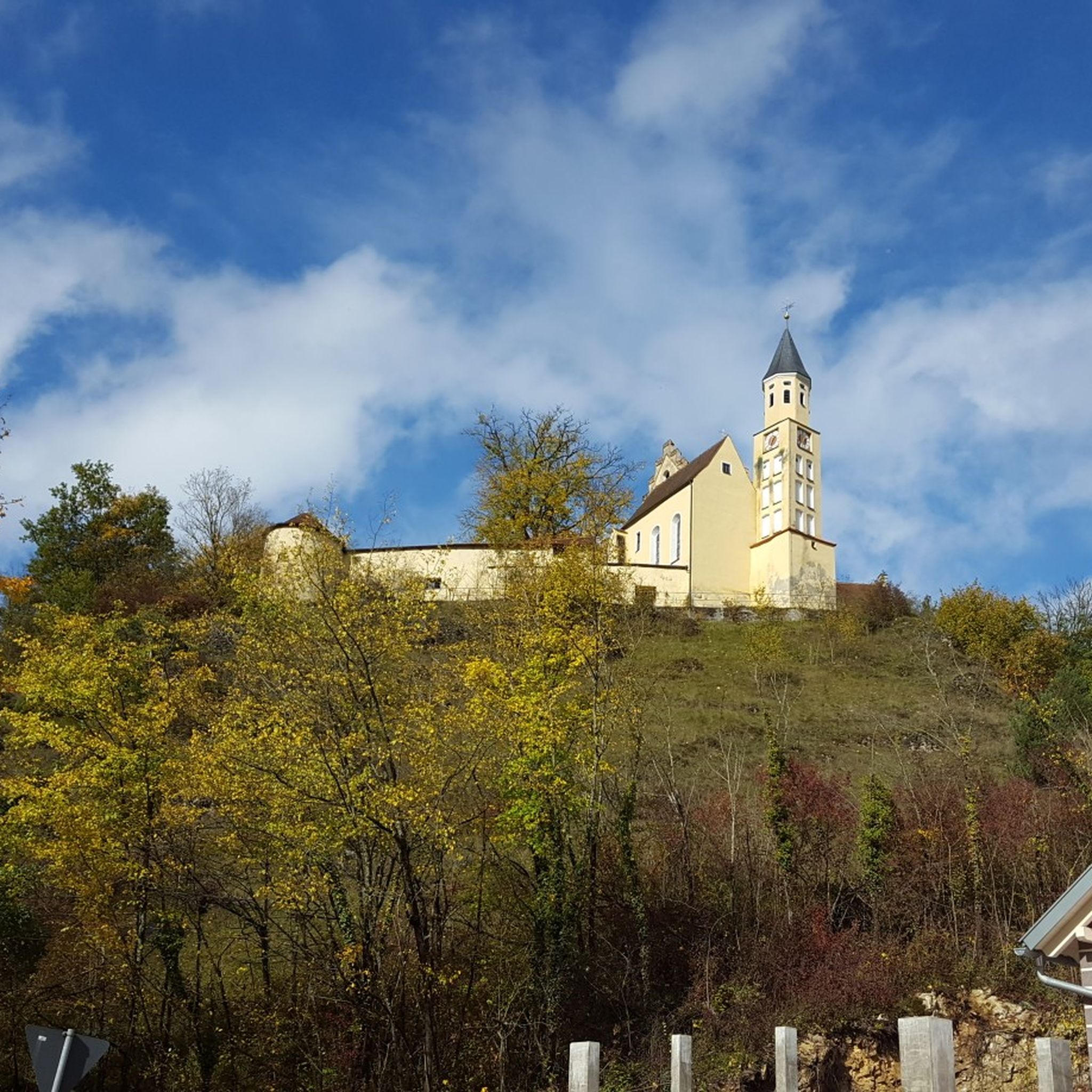
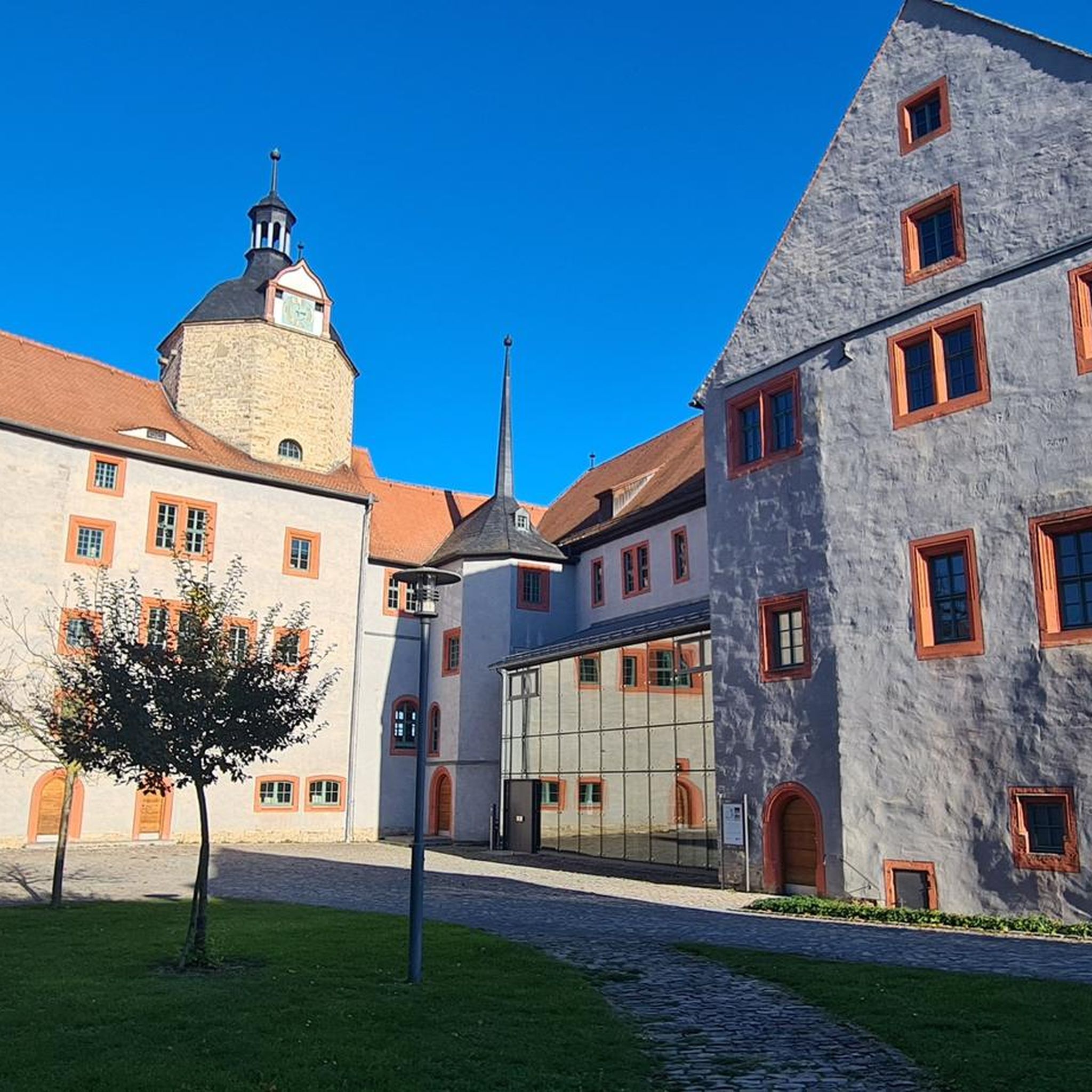
Sandersdorf Castle The present castle dates back to a medieval castle built by the Lords of Sandersdorf as Wittelsbach ministerials. The family has been documented since the 12th century. In 1420, the castle was plundered by Duke Henry of Bavaria-Landshut while he was at war with Duke Ludwig the Bearded of Bavaria-Ingolstadt. In 1425, the castle was granted to the Muggenthal family; the first owner of this family, Erhart von Muggendal, rebuilt it. Hans Heinrich von Muggenthal succeeded in keeping peasant revolts and the Reformation away from his domain. The Sandersdorf Castle Brewery was founded in 1550. The castle was destroyed during the Thirty Years' War; Albrecht Ulrich von Muggenthal had it rebuilt as a four-winged castle by 1646. It retains this form to this day. In 1675, Dominikus de Bassus inherited Sandersdorf Castle, but he witnessed its destruction in 1703 during the War of the Spanish Succession. In May 1787, the castle was searched by Bavarian officials because it was considered an "Illuminati nest." Thomas de Bassus was a member of the Illuminati Order, founded in Ingolstadt by Adam Weishaupt in 1776; his castle was a meeting place for many of the secret society's meetings. Numerous secret documents were confiscated during the search. Around 1900, the castle was partially renovated and refurbished under the direction of the Munich architect Gabriel von Seidl. In 2008, the castle was sold by Margarethe Baroness de Bassus, along with the forest lands, to the Wittelsbach Equalization Fund. In March 2022, the castle was sold to Dr. Horst-Florian Jaeck. Parts of it are to be opened to the public. The richly structured four-winged building complex was built on medieval foundations in the 16th century, rebuilt after destruction in the 17th and 18th centuries, and remodeled in the 19th century. The high main wing faces east; it has high stepped gables on its narrow sides and three oriels with gabled tops on the wide sides facing the valley, in front of which is a kind of moat with two octagonal corner turrets. The lower castle wings to the north and south face west. The castle chapel of St. Joseph, with its octagonal domed tower, is located in the inner courtyard. Source: www.wikipedia.de

Google翻訳による翻訳

2

0

Hexenagger Castle A Dietricus von Haecsenakker is mentioned as early as 928 in a Regensburg document from the St. Emmeram Monastery; further information is scarce. In 1311, Gottfried Hexenacker became Bishop of Freising. He had studied in Bologna and served as dean of the cathedral there for many years. In 1314, he died of an infectious disease while on a tour of inspection in Vienna. In 1485, the castle passed through marriage to the Counts of Helfenstein, who sold the fortress to Duke William of Bavaria in 1528. He gave Hexenagger to the Muggenthal family as a fief. When the castle was destroyed in the Thirty Years' War, the Muggenthal family rebuilt it as a castle. In 1724, the castle was sold to the Bavarian Elector Charles Albert, as the Hexenagger line of the Muggenthal family had died out. In 1731, Elector Karl Albrecht donated the castle to his mistress, Maria Josepha Countess von Morawitzky. Her husband received the castle in 1738, and when he died in 1754, Anton von Kaiserstein became the new owner. Franz Joseph III von Kaiserstein (1792–1893) sold the castle in 1830 and acquired an estate in Sooß (Lower Austria) in exchange. From 1830 to 1951, Hexenagger Castle belonged to the noble family of Weidenbach. Otto Edler von Weidenbach bequeathed it to his niece Ilse von Kalckreuth, who married Wilhelm Leichtfuß, whose son, Eberhard Leichtfuß, owns it today. Hexenagger is a castle between the Renaissance and Baroque periods, built on the foundations of the old castle. In the lower areas and at the corners, ashlars and bossed ashlars, up to several meters high, are still visible on the castle building. The stump of the keep, made of bossed ashlar, is also said to have been preserved, but is not visible from the outside. The defensive character of the complex is best appreciated from the rear, where parts of the curtain wall and wall towers have been preserved. The tall, narrow chapel also still hints at the castle in its form; particularly interesting is the slender, slightly leaning bell tower, which appears to still sit on the older foundations of the medieval chapel tower. The main building itself, with its stepped gable and beautiful garden, presents a romantic sight. The castle is privately owned and not open to the public; the popular Christmas market was relocated to the Wolfgangshof estate near Zirndorf in Middle Franconia in 2023 due to complaints from local residents. Source: www.Burgenseite.de / www.wikipedia.de

Google翻訳による翻訳

2

0

There is also an information board for the Schambachtalbahn cycle path

Google翻訳による翻訳

0

0

Sandersdorf Castle The present castle dates back to a medieval castle built by the Lords of Sandersdorf as Wittelsbach ministerials. The family has been documented since the 12th century. In 1420, the castle was plundered by Duke Henry of Bavaria-Landshut while he was at war with Duke Ludwig the Bearded of Bavaria-Ingolstadt. In 1425, the castle was granted to the Muggenthal family; the first owner of this family, Erhart von Muggendal, rebuilt it. Hans Heinrich von Muggenthal succeeded in keeping peasant revolts and the Reformation away from his domain. The Sandersdorf Castle Brewery was founded in 1550. The castle was destroyed during the Thirty Years' War; Albrecht Ulrich von Muggenthal had it rebuilt as a four-winged castle by 1646. It retains this form to this day. In 1675, Dominikus de Bassus inherited Sandersdorf Castle, but he witnessed its destruction in 1703 during the War of the Spanish Succession. In May 1787, the castle was searched by Bavarian officials because it was considered an "Illuminati nest." Thomas de Bassus was a member of the Illuminati Order, founded in Ingolstadt by Adam Weishaupt in 1776; his castle was a meeting place for many of the secret society's meetings. Numerous secret documents were confiscated during the search. Around 1900, the castle was partially renovated and refurbished under the direction of the Munich architect Gabriel von Seidl. In 2008, the castle was sold by Margarethe Baroness de Bassus, along with the forest lands, to the Wittelsbach Equalization Fund. In March 2022, the castle was sold to Dr. Horst-Florian Jaeck. Parts of it are to be opened to the public. The richly structured four-winged building complex was built on medieval foundations in the 16th century, rebuilt after destruction in the 17th and 18th centuries, and remodeled in the 19th century. The high main wing faces east; it has high stepped gables on its narrow sides and three oriels with gabled tops on the wide sides facing the valley, in front of which is a kind of moat with two octagonal corner turrets. The lower castle wings to the north and south face west. The castle chapel of St. Joseph, with its octagonal domed tower, is located in the inner courtyard. Source: www.wikipedia.de

Google翻訳による翻訳

1

0

The most beautiful rest stop on the Schambachtal Cycle Path between Ingolstadt and Riedenburg. A pleasant concept, the club station is run entirely by volunteers. And the prices are fantastic: €2.60 for a drink with table service is unmatched anywhere else. Always open on Sundays when the weather is nice. Ideal for a quick stop for coffee and cake. Food is only available in exceptional cases or by prior arrangement.

Google翻訳による翻訳

0

0

A special building and testament to elaborate architecture.

Google翻訳による翻訳

0

0

Just look left and right - it's worth it!

Google翻訳による翻訳

0

0

The historic train station is still present on the cycle path.

Google翻訳による翻訳

0

0

アルトマンシュタインでのの人気ルート

アルトマンシュタインでのハイキング

アルトマンシュタインでのの人気観光スポット

Places to see

komootモバイルアプリでインスピレーションを得よう

無料のkomootアカウントがあれば、無限のアウトドアコースを簡単に見つけてカスタマイズし、ナビで案内できます。

または

今すぐkomootに参加しよう

さらに探索

他の地域の最高のサイクリングルートを見てみましょう。

Haunstetter ForstキンディングアイヒシュテットバイルングリースキプフェンベルクドルンシュタインガイマースハイムティッティングヴァルティンググロースメーリングプフェルリングアイテンスハイムケシングメルンスハイムヴェルハイムナッセンフェルスヴェットシュテッテンKöschinger Forstアデルシュラグ貸し出しポレンフェルトシェルンフェルトベームフェルトヒッツホーフェンAlte Donau Mit Brenneエーグヴァイルヘプベルクハウンシュテッターフォーストオーバードリングミンデルシュテッテン

近くのアドベンチャーガイド

ミンデルシュテッテンでやるべきこと

新しいピークを征服する準備をしよう

無料でサインアップ

探検する
ルートルートプランナー機能ハイキングMTBトレイルロードバイクルートバイクパッキングサイトマップ
アプリをダウンロード
SNSでフォローする

© komoot GmbH

プライバシーポリシー