Αξιοθέατα και μέρη για επίσκεψη Sousel - Top 20
Υπάρχουν πολλά μέρη να δείτε και να επισκεφθείτε Sousel. Είτε αγαπάτε την πεζοπορία είτε την ποδηλασία, Sousel είναι μια περιοχή όπου 20
κρυμμένα στολίδια περιμένουν να ανακαλυφθούν. Δείτε τα καλύτερα αξιοθέατα της περιοχής και σχεδιάστε την επόμενη περιπέτειά σας σήμερα.
Τελευταία ενημέρωση: 22 Σεπτεμβρίου 2026
Fonte da Gadanha, Estremoz
Highlight • Μνημείο
Μετάφραση από Google •
Συμβουλή από

Estremoz Castle
Highlight • Κάστρο
Μετάφραση από Google •
Συμβουλή από

Εγγράψου τώρα για να ανακαλύψεις μέρη σαν αυτό
Λάβε προτάσεις για τα καλύτερα single tracks, κορυφές και πολλά ακόμα συναρπαστικά υπαίθρια μέρη.
Estátua da Rainha Santa Isabel
Highlight • Μνημείο
Μετάφραση από Google •
Συμβουλή από
Vimieiro terra de música e de músicos
Highlight • Μνημείο
Μετάφραση από Google •
Συμβουλή από

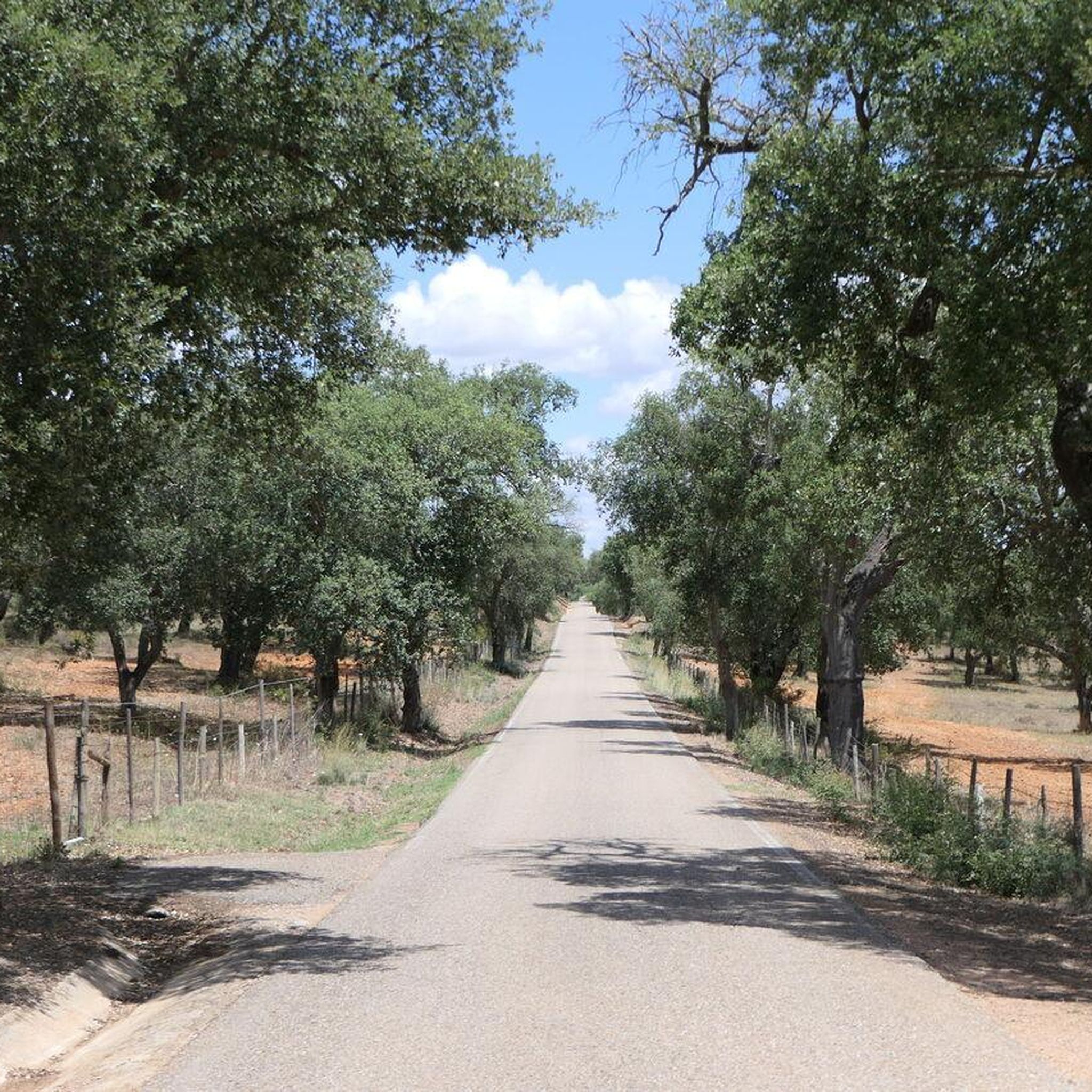
Estrada de Terra Batida do Alentejo
Highlight • Μονοπάτι
Συμβουλή από

Εγγράψου δωρεάν για να ανακαλύψεις ακόμα περισσότερα αξιοθέατα Sousel.
Έχεις ήδη λογαριασμό;
Ξεκίνα σήμερα με έναν δωρεάν λογαριασμό
Η επόμενη περιπέτειά σου σε περιμένει.
Συμβουλές από την κοινότητα

Οι χωματόδρομοι και τα μονοπάτια του Αλεντέζου, στην Πορτογαλία, προσφέρουν εξαιρετικές διαδρομές στη φύση. Τα πιο γνωστά τμήματα βρίσκονται κατά μήκος της Rota Vicentina (Μονοπάτι των Ψαράδων και Ιστορική Διαδρομή) και στους χωματόδρομους της αγροτικής ενδοχώρας μεταξύ Évora και της ακτής του Ατλαντικού.
0
0

Vimieiro was a municipal seat between 1257 and 1855. Two charters are known, the first granted by D. Francisco Bruno Neves, Bishop of Évora, in 1257, and the second by D. Manuel I, King of Portugal, in 1512. In 1801, it consisted of the parishes of the town and Santa Justa. It then had 1,819 inhabitants and an area of 266 km². In 1849, it consisted only of the parish of the town. It was suppressed by the administrative reform of 1855, consequently losing its status as a town, a fact that the coat of arms with a mural crown of four visible towers still marks today.
2
0

The town of Vimieiro, as a “land of music and musicians”, intends to promote a project of national scope, with the creation of a museum space on philharmonic music with a musical training component that allows the preservation of knowledge and traditions in this area and, simultaneously, the holding of “artistic residencies”, as well as the construction of an auditorium where the arts of music and speech can take place, valuing music teaching, the holding of workshops and other activities that the final plan should include. (Source: www.tribunaalentejo.pt )
14
0

The pousada is a castle built by King Dionysius for Queen Elizabeth of Portugal in the 13th century. It is located in the heart of the old town and is considered one of the most beautiful pousadas in Portugal.
3
0
The view of the castle from the west is particularly impressive. There you can clearly see the fortress character with its protruding walls.
5
0
Unfortunately, access to the viewing platform and the statue will be closed in May 2025.
5
1
Fonte da Gadanha Square is dominated by Lake Gadanha. Next to it is the 13th-century Convento São Francisco, dating from the reign of King Afonso III, which served as a barracks after secularization. From here, you have a magnificent view up to the castle and the castle. The square is surrounded by other interesting monuments and fountains.
4
1
The famous statue of "Gadanha," located in the lake, originates from the Congregados Monastery and was only moved to the center of the lake in the mid-19th century. It originally represented the god Saturn, a symbol of abundance. The inscription on the base reads: "Time passes quickly."
3
0

Εμπνεύσου με την εφαρμογή komoot για κινητά


Ανακάλυψε περισσότερα
Δεν βρήκες ακόμη το Highlight που ψάχνεις; Δες οδηγούς για τα κορυφαία αξιοθέατα σε άλλες περιοχές:
