Τα 20 καλύτερα κάστρα Περιφέρεια Ούστι ναντ Λάμπεμ
Μια επίσκεψη σε ένα κάστρο — είτε το ανακαλύψετε κατά τη διάρκεια μιας πεζοπορίας είτε το εξερευνήσετε με ξεναγό — είναι πάντα κάτι ξεχωριστό, και έχετε 20
πανέμορφα κάστρα να επιλέξετε Περιφέρεια Ούστι ναντ Λάμπεμ. Περιηγηθείτε στη λίστα μας για να βρείτε το αγαπημένο σας κάστρο και προσθέστε λίγη ιστορία στην επόμενη περιπέτειά σας!
Τελευταία ενημέρωση: 12 Σεπτεμβρίου 2026
Dolský Mlýn (Grundmühle) Ruins
Highlight • Ιστορικός χώρος
Μετάφραση από Google •
Συμβουλή από

Falkenštejn Rock Castle
Highlight • Κάστρο
Beautiful view.
Μετάφραση από Google •
Συμβουλή από

Εγγράψου τώρα για να ανακαλύψεις μέρη σαν αυτό
Λάβε προτάσεις για τα καλύτερα single tracks, κορυφές και πολλά ακόμα συναρπαστικά υπαίθρια μέρη.
View from Šaunštejn Rock Castle
Highlight • Σημείο θέας
Μετάφραση από Google •
Συμβουλή από

Ruins of Königsmühle (Králův Mlýn)
Highlight • Ιστορικός χώρος
Μετάφραση από Google •
Συμβουλή από

Děčín Castle
Highlight • Κάστρο
Μετάφραση από Google •
Συμβουλή από

Tolštejn Castle Ruins
Highlight • Κάστρο
The castle has been abandoned since 1607.
Μετάφραση από Google •
Συμβουλή από

View of Střekov Castle
Highlight • Κάστρο
Μετάφραση από Google •
Συμβουλή από

Děčín Castle
Highlight • Κάστρο
Μετάφραση από Google •
Συμβουλή από

Terezín Fortress (Theresienstadt)
Highlight • Ιστορικός χώρος
During the Second World War, Theresienstadt …
Μετάφραση από Google •
Συμβουλή από

Rýzmburk Castle Ruins
Highlight • Κάστρο
Μετάφραση από Google •
Συμβουλή από

Εγγράψου δωρεάν για να ανακαλύψεις ακόμα περισσότερα κάστρα γύρω από την Περιφέρεια Ούστι ναντ Λάμπεμ.
Έχεις ήδη λογαριασμό;
Ξεκίνα σήμερα με έναν δωρεάν λογαριασμό
Η επόμενη περιπέτειά σου σε περιμένει.
Δημοφιλή γύρω από Περιφέρεια Ούστι ναντ Λάμπεμ

Let it flow! Cross-country skiing in the Ore Mountains
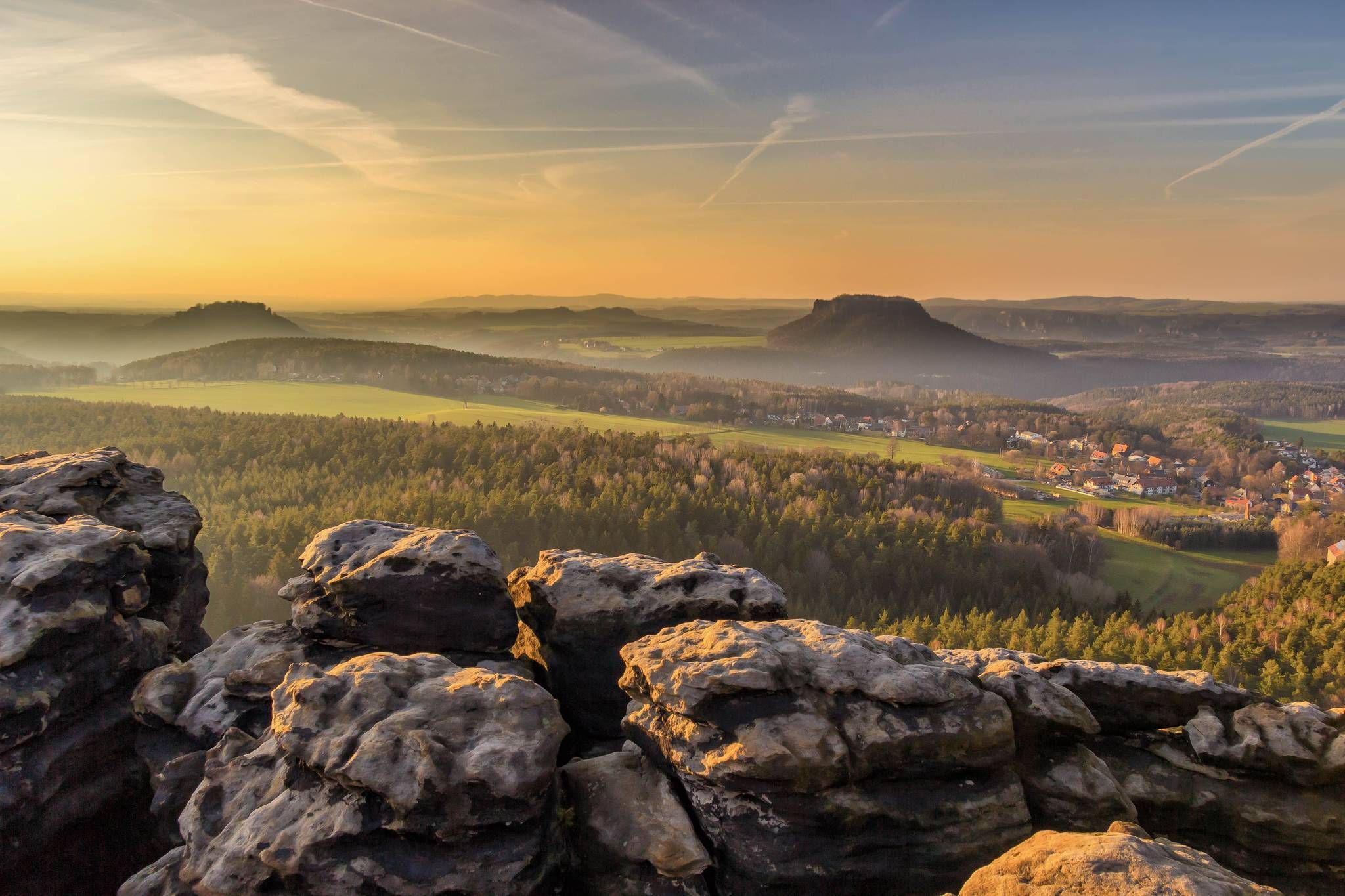
Forststeig – 7 days in the wild, remote sandstone mountains

The Stoneman Trail in the Ore Mountains
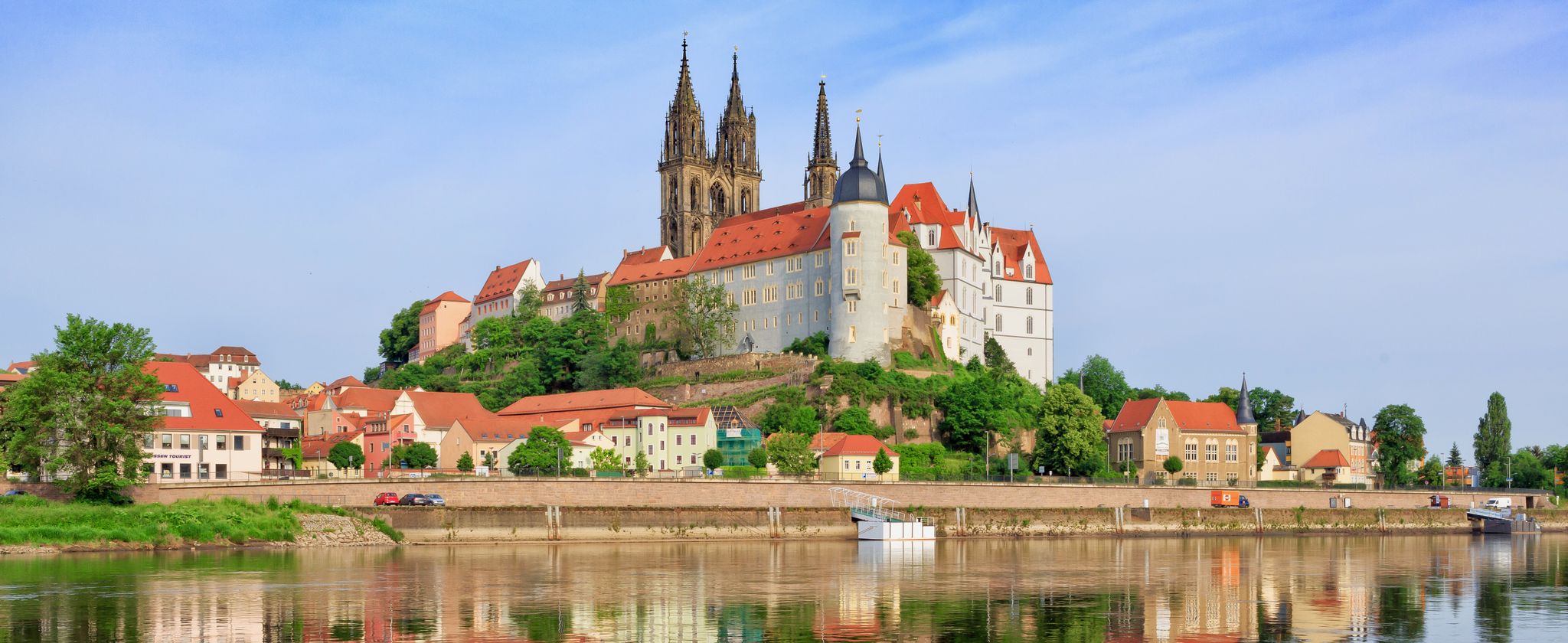
The Elbe Cycle Path — cross-border cycling pleasure
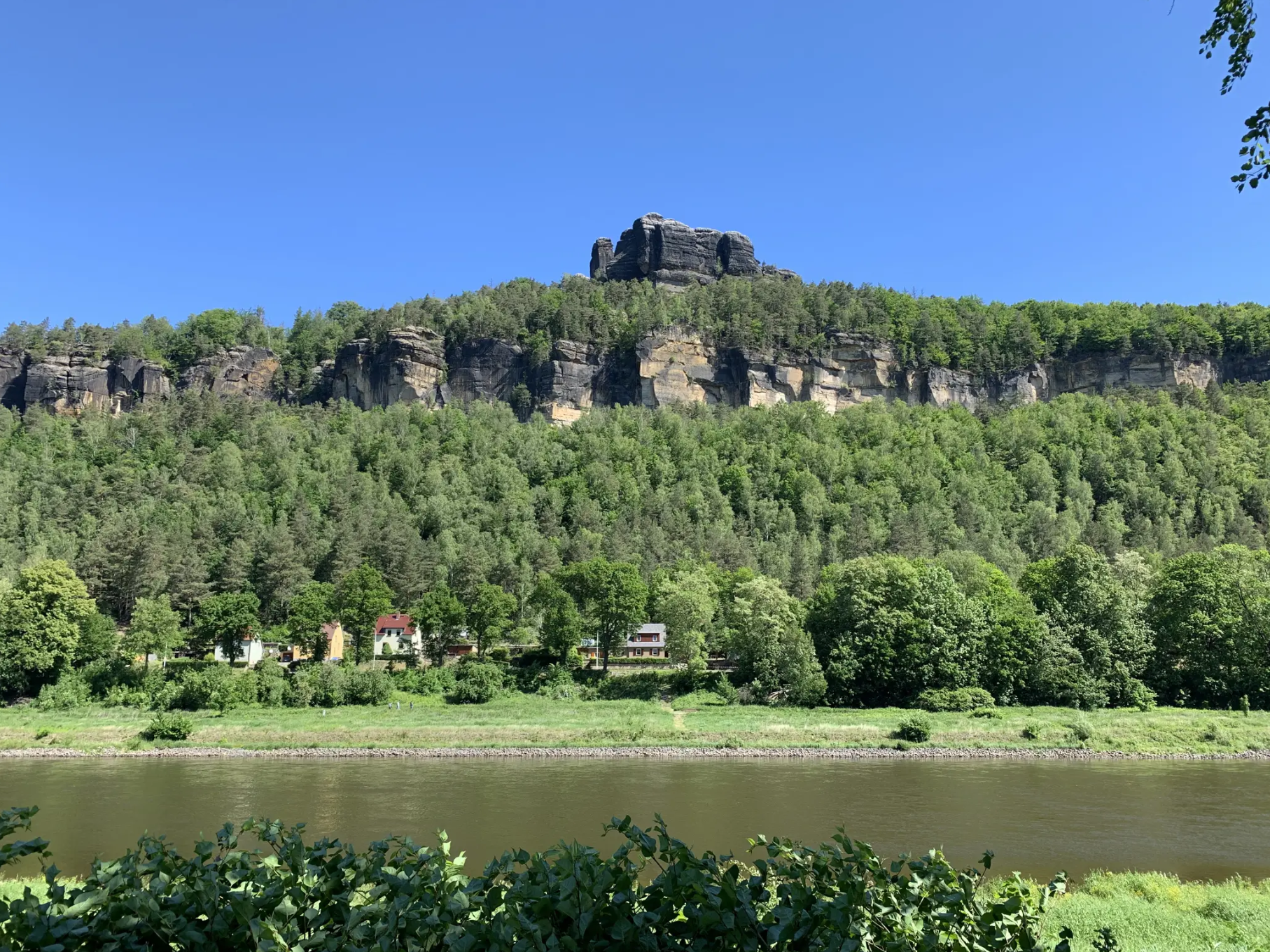
Elbe and Vltava cycle paths – From Dresden to Prague
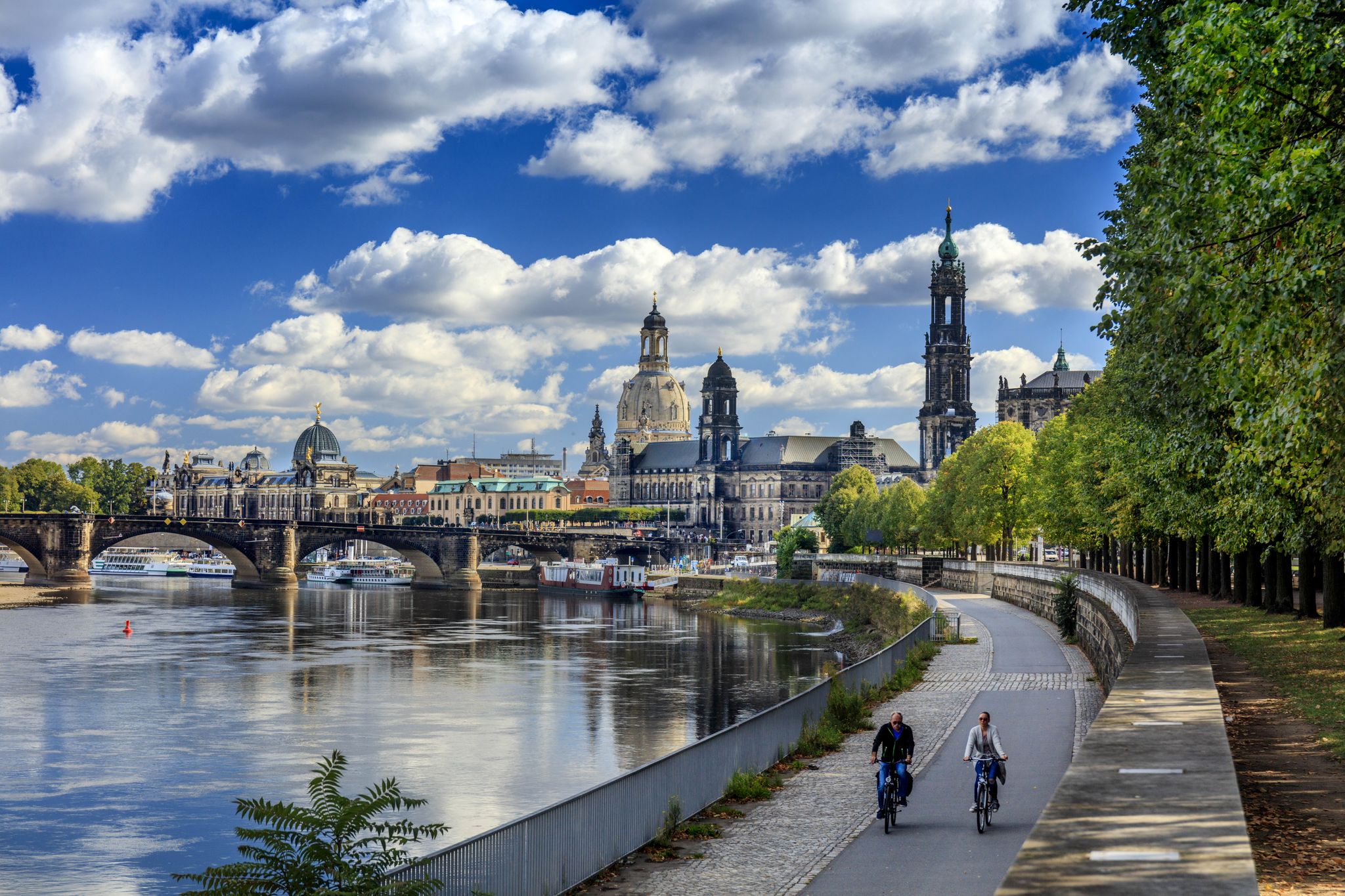
Cycling in Saxony – joy on two wheels
3 days in the countryside – Easter Ore Mountains and Eger Valley by road bike

Conquer the Stoneman Miriquidi ROAD in 3 days - The Bronze Tour
History meets nature – Erzgebirge-Vogtland Ridge Trail

TCR No. 8 — racing across Europe
Άλλες περιπέτειες γύρω από την Περιφέρεια Ούστι ναντ Λάμπεμ


Συμβουλές από την κοινότητα

πολύ εκτεταμένη εγκατάσταση στο Τερέζιν
0
0

Ιστορική τοποθεσία, πρώην εβραϊκό γκέτο και στρατόπεδο συγκέντρωσης Τερεζίν.
0
0

υπέροχη πόλη με οχυρώσεις
0
0

Děčín Castle (German: Tetschner Schloss) is located on a rocky ridge near the Elbe River in the town of Děčín (Tetschen) in the Czech Republic. The castle dates back to a fortification built by the Přemyslids at the end of the 10th century (mentioned in 1128) to control shipping on the Elbe. In the 13th century, the wooden structure was converted into a stone castle and expanded. The Bünaus converted the complex into a Renaissance castle in the 16th century, but were forced to sell it to the von Thun family after the Thirty Years' War because of their Protestant faith. The von Thuns occupied the castle until 1932, then sold it to the state for financial reasons and relocated to Jílové (Eulau). See: https://de.wikipedia.org/wiki/Schloss_D%C4%9B%C4%8D%C3%ADn
4
0

Always worth a trip. Magnificent view of Decin from up there.
0
0

Děčín Castle, located on a rocky promontory above the confluence of the Elbe and Ploučnice rivers, is one of the most important historical monuments in northern Bohemia. Over the centuries, it served as a stronghold of the Czech prince, a military fortress, and the seat of several important families. The history of Děčín Castle dates back to the 10th century, when a wooden fortification stood here, which served as the central point of administration of the Děčín province. The residence has undergone many building modifications in the past, the most important of which were carried out by the Thun-Hohenstein family. This family carried out two important reconstructions of the Děčín estate in the years 1628-1932, leading to its current form. However, in 1932, the family sold the castle to the Czechoslovak state, which created barracks here. In the following years, the Czechoslovak, German, and, in the years 1968-1991, Soviet armies took turns here. In 1991, the Děčín Castle became the property of the city of Děčín.
10
0

The abandoned settlement of Königsmühle (Königův Mlýn) is only one and a half kilometers from the village of Háj (Stolzenhain), but is shielded by a hill between them. Until their expulsion in the fall of 1946, 57 Sudeten Germans lived here in six houses, five of which were used as homes for the Fohrmann, Siegel, Giebert, Pöschl, and Siegel families. The sixth building was the mill. Grain from Bohemia was milled in Königsmühle, and the flour was then transported further to Saxony. This trade route (also for ore and timber) has sunk into the landscape about three meters deep due to centuries of heavy wagon traffic. After the end of the war, the ethnic German population was expelled from Czechoslovakia; approximately three million people were forced to flee, and around 3,000 communities, villages, and hamlets disappeared. Königsmühle is one of the few sites that can serve as a memorial to this aftermath of World War II. At the initiative of Czech cultural scientist and photographer Petr Mikšíček, the DoKrajin association has conserved the remains of the buildings, created informative display panels, and decorated the grounds with land art. The decline of Königsmühle has been halted, and the memory of its former residents is now kept alive.
24
5

Great historical place, just great to see what it used to be like there.
3
1
Οι πιο δημοφιλείς διαδρομές γύρω από την Περιφέρεια Ούστι ναντ Λάμπεμ
Τα πιο δημοφιλή αξιοθέατα γύρω από την Περιφέρεια Ούστι ναντ Λάμπεμ

Εμπνεύσου με την εφαρμογή komoot για κινητά


Δεν βρήκες αυτό που ψάχνεις;
Ανακάλυψε τα καλύτερα κάστρα του Περιφέρεια Ούστι ναντ Λάμπεμ περιοχή‑προς‑περιοχή:
Ανακάλυψε περισσότερα
Ψάχνεις τα καλύτερα κάστρα αλλού; Ανακάλυψε άλλους οδηγούς γύρω από την Περιφέρεια Ούστι ναντ Λάμπεμ:
