Τα 20 καλύτερα κάστρα Thorn
Μια επίσκεψη σε ένα κάστρο — είτε το ανακαλύψετε κατά τη διάρκεια μιας πεζοπορίας είτε το εξερευνήσετε με ξεναγό — είναι πάντα κάτι ξεχωριστό, και έχετε 20
πανέμορφα κάστρα να επιλέξετε Thorn. Περιηγηθείτε στη λίστα μας για να βρείτε το αγαπημένο σας κάστρο και προσθέστε λίγη ιστορία στην επόμενη περιπέτειά σας!
Τελευταία ενημέρωση: 18 Οκτωβρίου 2026
Historic Center of Stevensweert
Highlight • Ιστορικός χώρος
Μετάφραση από Google •
Συμβουλή από

Kasteel Montfort
Highlight • Κάστρο
Μετάφραση από Google •
Συμβουλή από
Εγγράψου τώρα για να ανακαλύψεις μέρη σαν αυτό
Λάβε προτάσεις για τα καλύτερα single tracks, κορυφές και πολλά ακόμα συναρπαστικά υπαίθρια μέρη.
Kasteel Ohé en Laak
Highlight • Κάστρο
Μετάφραση από Google •
Συμβουλή από

Kasteel Het Geudje
Highlight • Κάστρο
Μετάφραση από Google •
Συμβουλή από
Kasteel Horn
Highlight • Κάστρο
Μετάφραση από Google •
Συμβουλή από
Εγγράψου δωρεάν για να ανακαλύψεις ακόμα περισσότερα κάστρα Thorn.
Έχεις ήδη λογαριασμό;
Ξεκίνα σήμερα με έναν δωρεάν λογαριασμό
Η επόμενη περιπέτειά σου σε περιμένει.
Δημοφιλή γύρω από Thorn
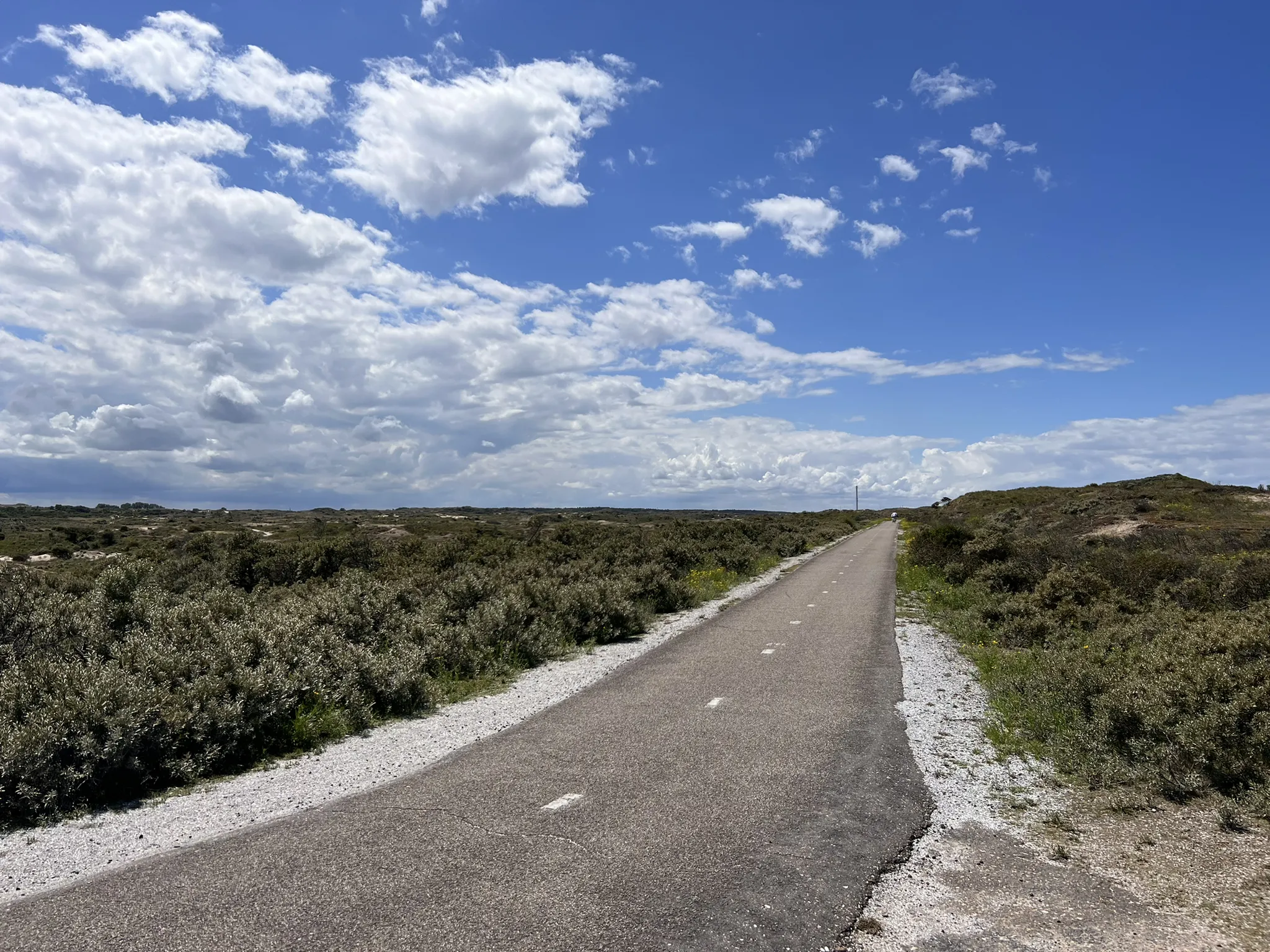
The Tour of the Netherlands – The ultimate cycling route in 21 stages
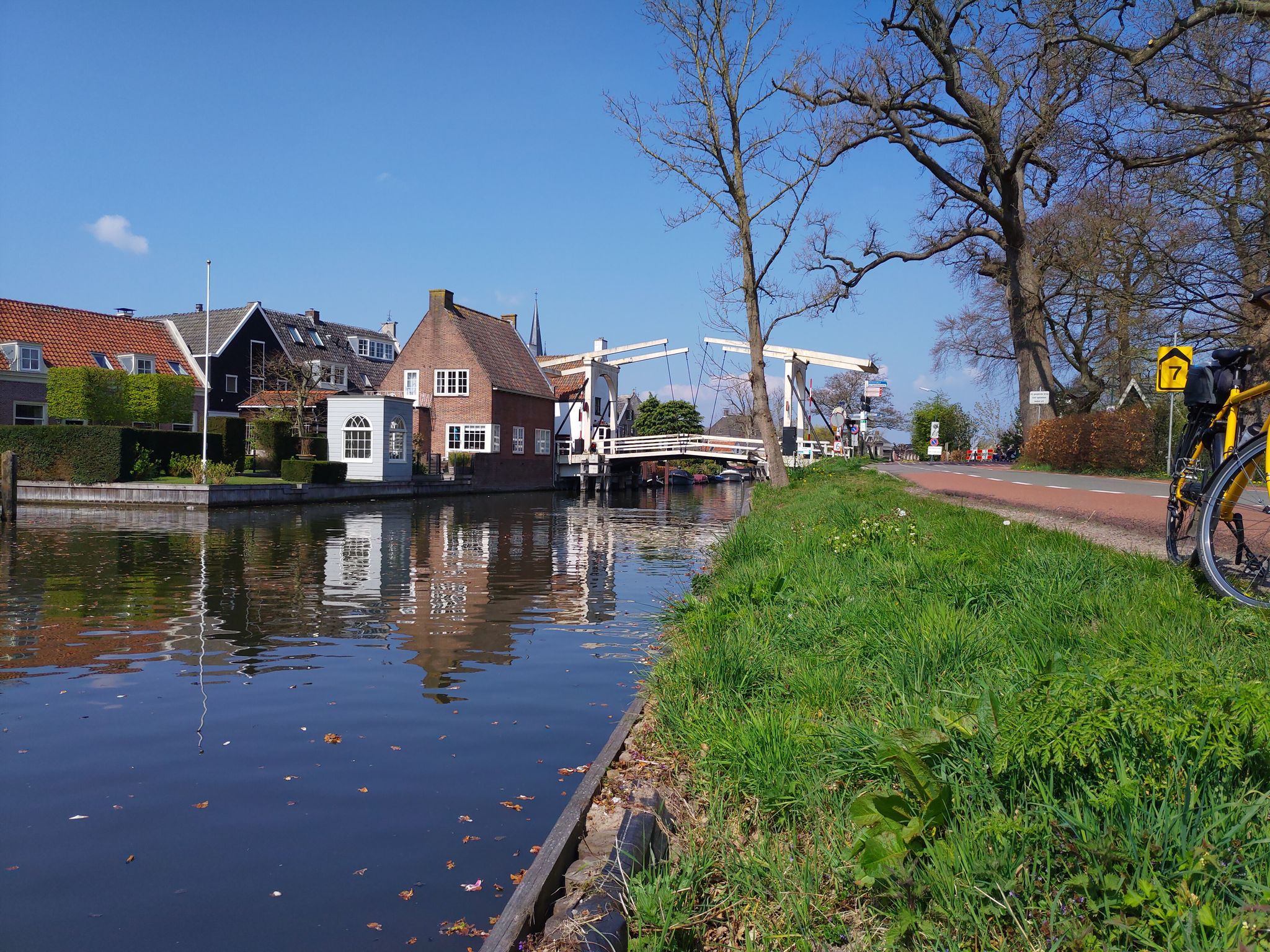
Fantastic cycling along Dutch waterways — LF7 Overland
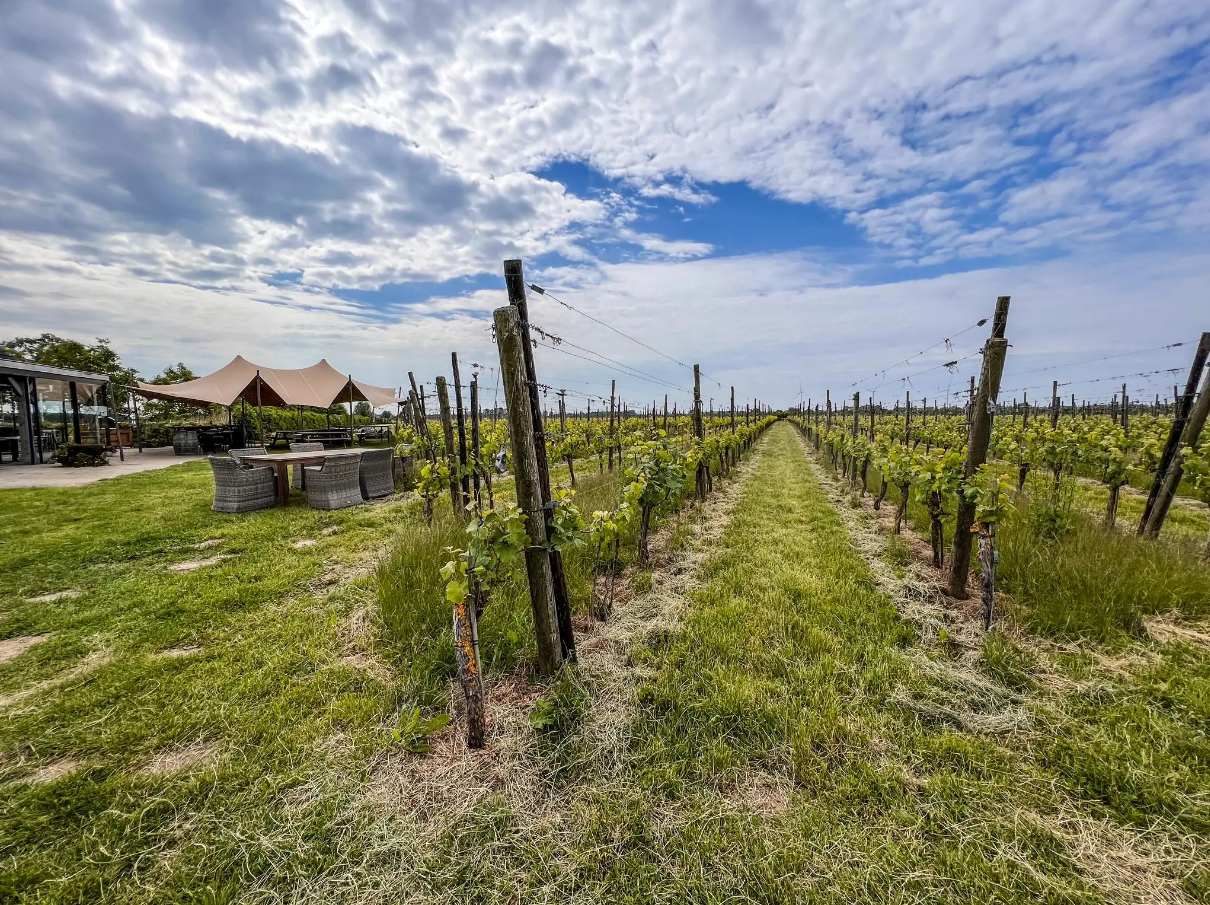
Hike and wine – walking through vineyards in the Netherlands
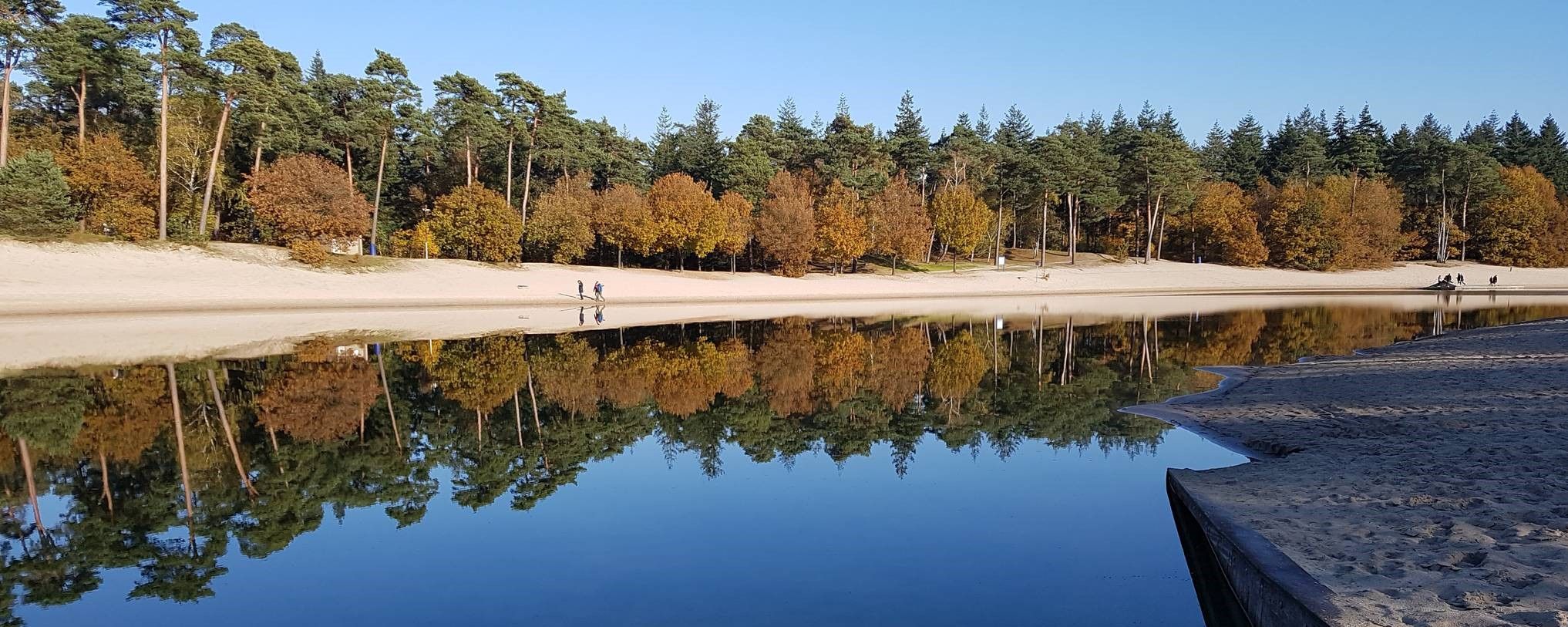
Hiking and swimming - Paths with a refreshing end
Πεζοπορία Thorn
Ποδηλατικές διαδρομές Thorn
Διαδρομές ποδηλασίας Thorn
Διαδρομές τρεξίματος Thorn
Gravel διαδρομές Thorn
MTB μονοπάτια Thorn
Άλλες περιπέτειες Thorn


Συμβουλές από την κοινότητα

A beautiful castle to visit.
2
0

Unfortunately not open to visitors as it is privately owned.
13
0

still looks like it's from the Middle Ages
2
1

Ohé en Laak is located together with Stevensweert on the Island in the Maas, a (former) island between two river arms of the Maas, just west of the town of Echt at an altitude of approximately 26 meters. The old right arm is the Oude Maas. Due to sand and gravel excavations at various places on the island, several lakes have been created around the village, including the Dilkensplas, the Schroevendaalse plas, the Teggerse plas and most recently the Molenplas. Since the twentieth century, these have been used for water recreation and as a nature reserve, which is why the place attracts many tourists. There is a small marina. Laak consists entirely of ribbon development, located along a road that runs parallel to the Maas. Ohé has both a section with ribbon development and a part with concentrated development. From 1925 to 1934, the Juliana Canal was constructed, which forms an additional barrier between the island and the mainland. A few bridges provide the connection.
7
0
The name Hasselholt comes from the Hasselholt family, who already had possessions in Ohé in the 14th century and who must have had the castle built. This had probably been a square half-timbered residential tower. On January 31, 1474, Lambrecht Raets was vassal of "a well-hidden Hasselhoutsleen in the village of Echt located on Gen Oe".
6
0

Beautiful castle along the water
1
1
Η είσοδος οδηγεί στο κτίριο της πύλης με δίρριχτη στέγη. Βορειοδυτικά του κτιρίου της πύλης βρίσκεται ένας ημικυκλικός πύργος με κωνική στέγη. Από αυτόν τον πύργο, ένας καμπύλος τοίχος οδηγεί δυτικά στον δεύτερο ημικυκλικό πύργο με κωνική στέγη. Από αυτόν τον πύργο, ένας εξίσου καμπύλος τοίχος οδηγεί στη νότια άκρη του κάστρου. Οι καμπύλοι τοίχοι δίνουν στο κάστρο μια λίγο πολύ οβάλ θεμελίωση. Από τη νότια άκρη, ένας ευθύς τοίχος εκτείνεται ανατολικά-βορειοανατολικά προς τη νότια πτέρυγα του κεντρικού κτιρίου, όπου βρίσκεται η μεγάλη αίθουσα. Η νότια πτέρυγα έχει δίρριχτη στέγη. Βόρεια αυτού βρίσκεται το πρώην κτίριο της πύλης με δίρριχτη στέγη, το οποίο σήμερα χρησιμοποιείται ως χώρος διαβίωσης. Σε αυτό είναι προσαρτημένο το πραγματικό κτίριο της πύλης. Γύρω από το κάστρο βρίσκεται ένα πάρκο διαμορφωμένο σε τοπιογραφικό στυλ, το Buitenplaats Kasteel Horn. Σε αυτό το πάρκο, εκτός από το κάστρο, υπάρχει ένα αγρόκτημα κάστρου σε σχήμα U του 19ου αιώνα, μια χοιροστάσιο, μια κατοικία υπηρεσίας με αχυρώνα, ένας μεγάλος αχυρώνας και ένα γκαράζ, όλα αρχικά ανήκαν στο κάστρο. Το πάρκο και τα κτίρια είναι Εθνικό Μνημείο· το πάρκο είναι ελεύθερα προσβάσιμο.
5
0
During the Eighty Years' War, the original village of Stevensweert was expanded into a fortified town by the Spanish in 1633. An earthen wall with seven bastions and five ravelins was built. Part of Stevensweert is under town protection. The fortifications can still be seen in the city's unique street pattern. Be sure to take a look at the Stevensweert-Ohé en laak regional museum. In 2007, the reconstruction of a small part of the fortifications began based on historical maps of a bastion, a rave line and the associated north side of Stevensweert.
17
0
Τα πιο δημοφιλή αξιοθέατα Thorn

Εμπνεύσου με την εφαρμογή komoot για κινητά


Ανακάλυψε περισσότερα
Ψάχνεις τα καλύτερα κάστρα αλλού; Ανακάλυψε άλλους οδηγούς Thorn:
