Αξιοθέατα και μέρη για επίσκεψη Stutton - Top 20
Υπάρχουν πολλά μέρη να δείτε και να επισκεφθείτε Stutton. Είτε αγαπάτε την πεζοπορία είτε την ποδηλασία, Stutton είναι μια περιοχή όπου 20
κρυμμένα στολίδια περιμένουν να ανακαλυφθούν. Δείτε τα καλύτερα αξιοθέατα της περιοχής και σχεδιάστε την επόμενη περιπέτειά σας σήμερα.
Τελευταία ενημέρωση: 8 Σεπτεμβρίου 2026
Willy Lott's Cottage
Highlight • Οικισμός
Συμβουλή από

Ipswich Waterfront Marina
Highlight • Δομή
Μετάφραση από Google •
Συμβουλή από

Εγγράψου τώρα για να ανακαλύψεις μέρη σαν αυτό
Λάβε προτάσεις για τα καλύτερα single tracks, κορυφές και πολλά ακόμα συναρπαστικά υπαίθρια μέρη.
St Mary's Church, Dedham
Highlight • Θρησκευτικός χώρος
Συμβουλή από

Shotley Pier and Marina
Highlight • Χώρος ανάπαυσης
Συμβουλή από

Flatford Granary
Highlight • Μνημείο
Συμβουλή από

Εγγράψου δωρεάν για να ανακαλύψεις ακόμα περισσότερα αξιοθέατα Stutton.
Έχεις ήδη λογαριασμό;
Ξεκίνα σήμερα με έναν δωρεάν λογαριασμό
Η επόμενη περιπέτειά σου σε περιμένει.
Συμβουλές από την κοινότητα

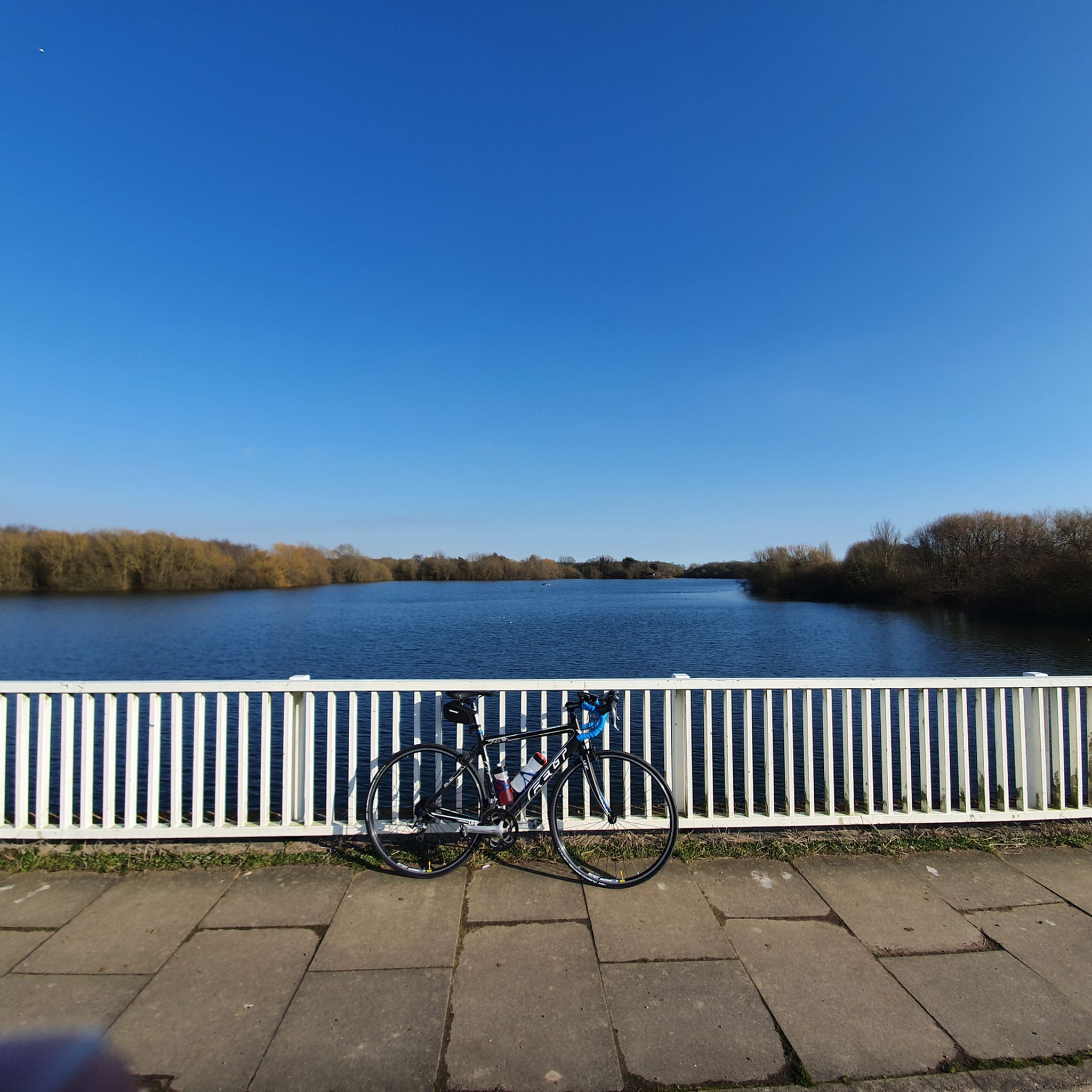
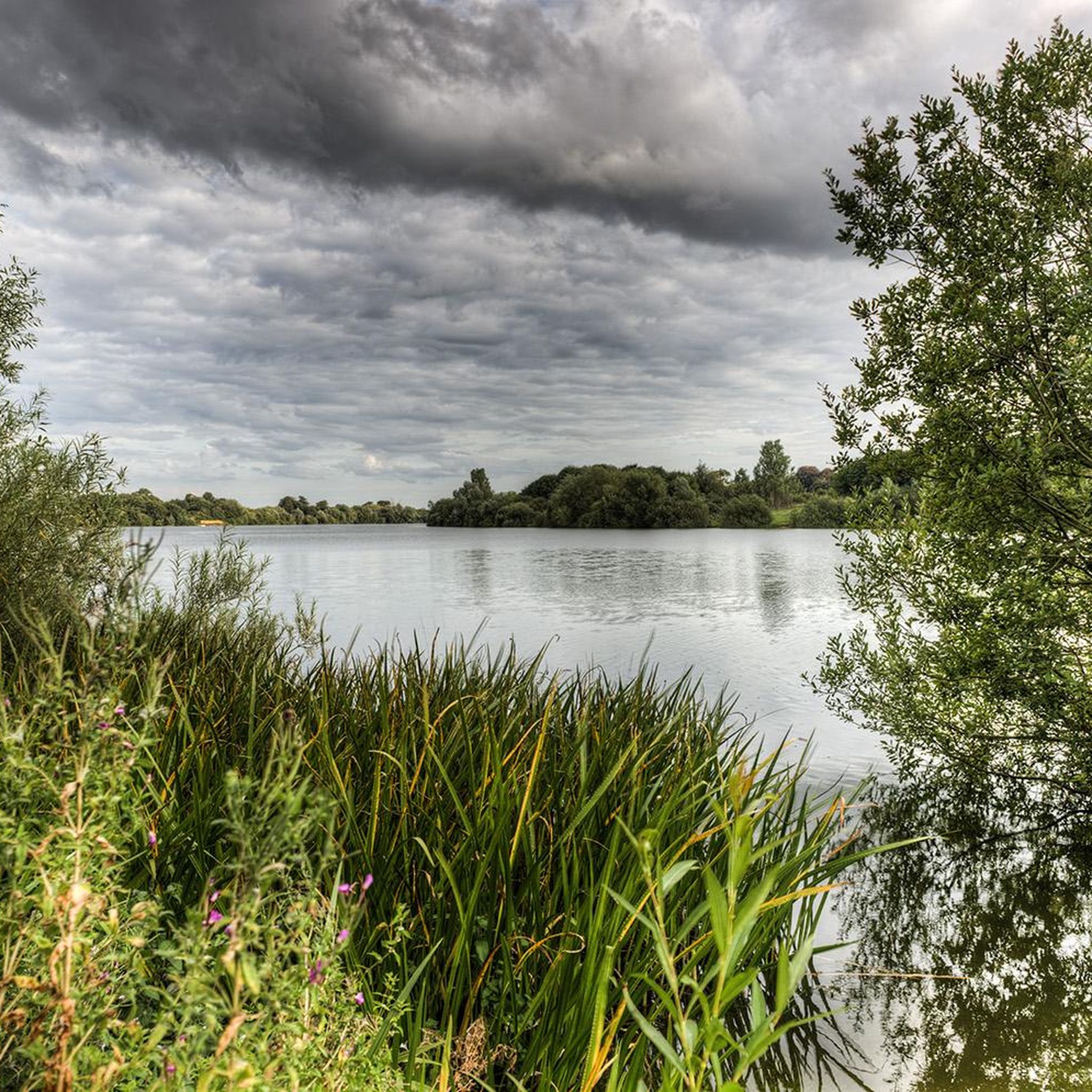
Probably the most scenic part of Ipswich (admittedly not a very high bar).
0
0

The Flatford Granary stored grain until the 19th century when flour milling became profitable. Owned by Golding Constable, it passed to his son Abram and was eventually sold to William Bentall in 1846.
2
0
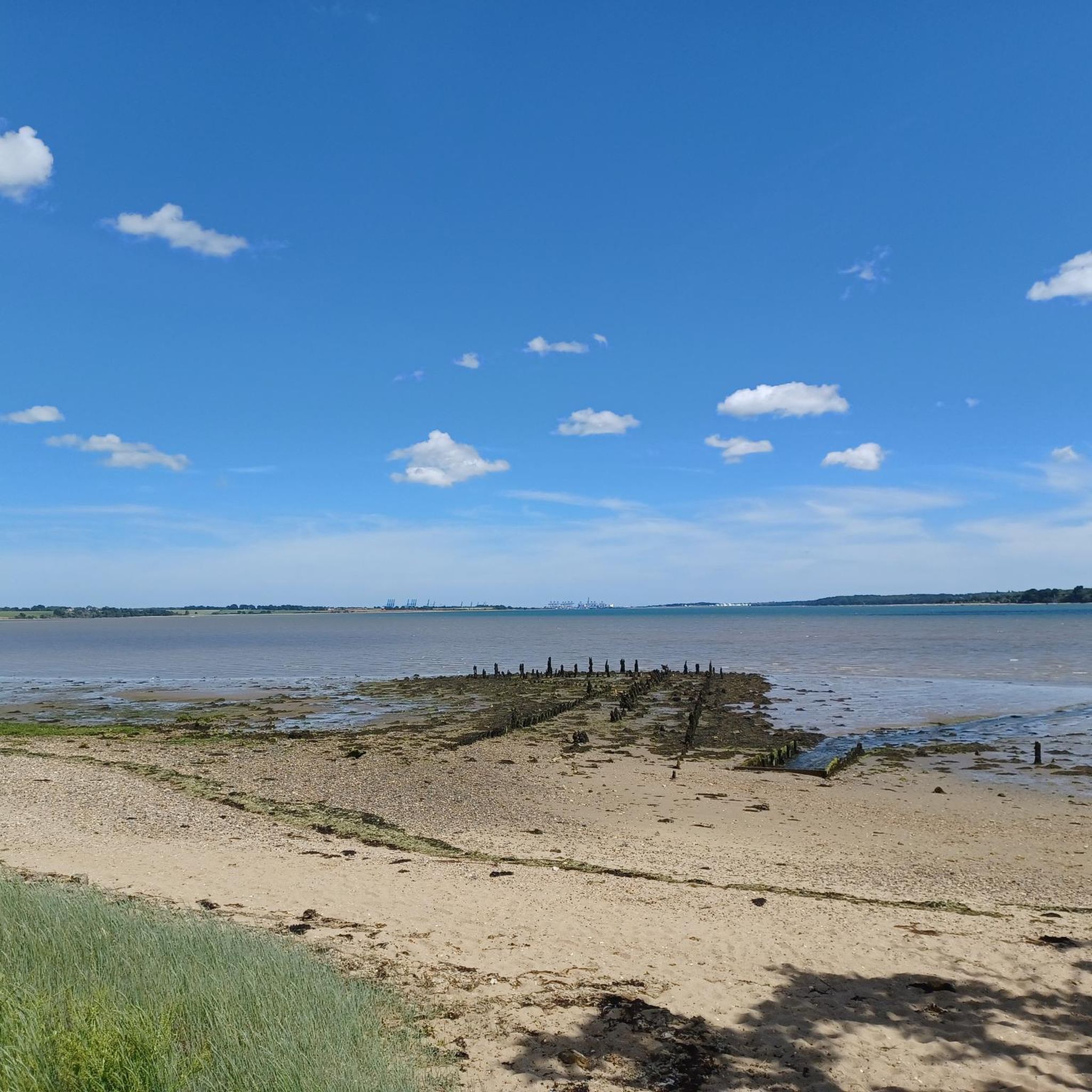
About 20m of the pier is now restored and open but that still leaves a lot left to do!
0
0
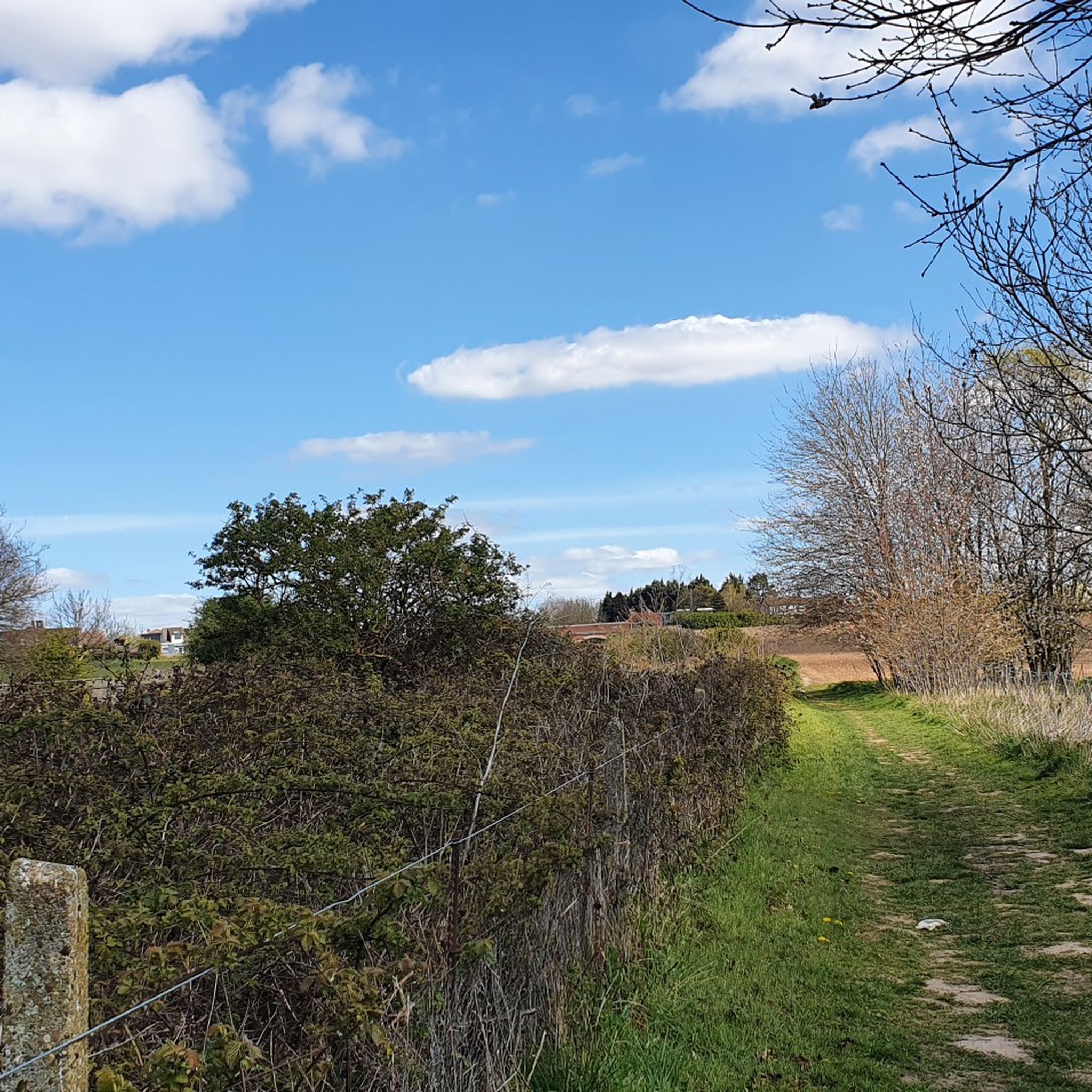
One of the quintessential rural English scenes. A dead end on road, although there is an off-road route that connects to Manningtree if you don't mind some gravel riding.
0
0

Looking out across the end of the River Stour, past Shotley pier to Harwich International Port on the other side of the river.
1
0

A visit to Ipswich Waterfront is worth including in any tour of the town. Here you can admire countless yachts, and also also eat / drink well. There are a range of restaurants, cafes and bars here.
2
0

From the National Trust; 'The Granary was used to store grain until it could be processed at either the water or steam mills, a function it continued to provide until the early 19th-century. By the middle of the 18th-century it was more lucrative to mill grain into flour than to full cloth. Flatford Mill was converted into a flour mill and the Granary was used to store grain and flour. Until his death in 1816, Flatford Granary formed part of Golding Constable's (John Constable's father) milling estate. The Granary then passed to Golding's younger son Abram who sold it to William Bentall in 1846.'
3
0

Great spot with ferry available across to Harwich and Felixstowe.
0
0
Τα πιο δημοφιλή αξιοθέατα Stutton

Εμπνεύσου με την εφαρμογή komoot για κινητά


Ανακάλυψε περισσότερα
Δεν βρήκες ακόμη το Highlight που ψάχνεις; Δες οδηγούς για τα κορυφαία αξιοθέατα σε άλλες περιοχές:
