Αξιοθέατα και μέρη για επίσκεψη Halen - Top 20
Υπάρχουν πολλά μέρη να δείτε και να επισκεφθείτε Halen. Είτε αγαπάτε την πεζοπορία είτε την ποδηλασία, Halen είναι μια περιοχή όπου 20
κρυμμένα στολίδια περιμένουν να ανακαλυφθούν. Δείτε τα καλύτερα αξιοθέατα της περιοχής και σχεδιάστε την επόμενη περιπέτειά σας σήμερα.
Τελευταία ενημέρωση: 20 Ιουλίου 2026
Averbode Abbey
Highlight • Θρησκευτικός χώρος
Μετάφραση από Google •
Συμβουλή από

Averbode Bos en Heide Vennen
Highlight • Φυσικό
Μετάφραση από Google •
Συμβουλή από

Εγγράψου τώρα για να ανακαλύψεις μέρη σαν αυτό
Λάβε προτάσεις για τα καλύτερα single tracks, κορυφές και πολλά ακόμα συναρπαστικά υπαίθρια μέρη.
Εγγραφή δωρεάν
Het Laat Poeltje
Highlight • Λίμνη
Μετάφραση από Google •
Συμβουλή από

Grasbos (Poggio van Diest) Climb
Highlight (Segment) • Αναρρίχηση
Συμβουλή από

Schulensmeer
Highlight • Λίμνη
Μετάφραση από Google •
Συμβουλή από

Εγγράψου δωρεάν για να ανακαλύψεις ακόμα περισσότερα αξιοθέατα Halen.
Εγγραφή δωρεάν
Έχεις ήδη λογαριασμό;
Ξεκίνα σήμερα με έναν δωρεάν λογαριασμό
Η επόμενη περιπέτειά σου σε περιμένει.
Σύνδεση ή εγγραφή

Συμβουλές από την κοινότητα

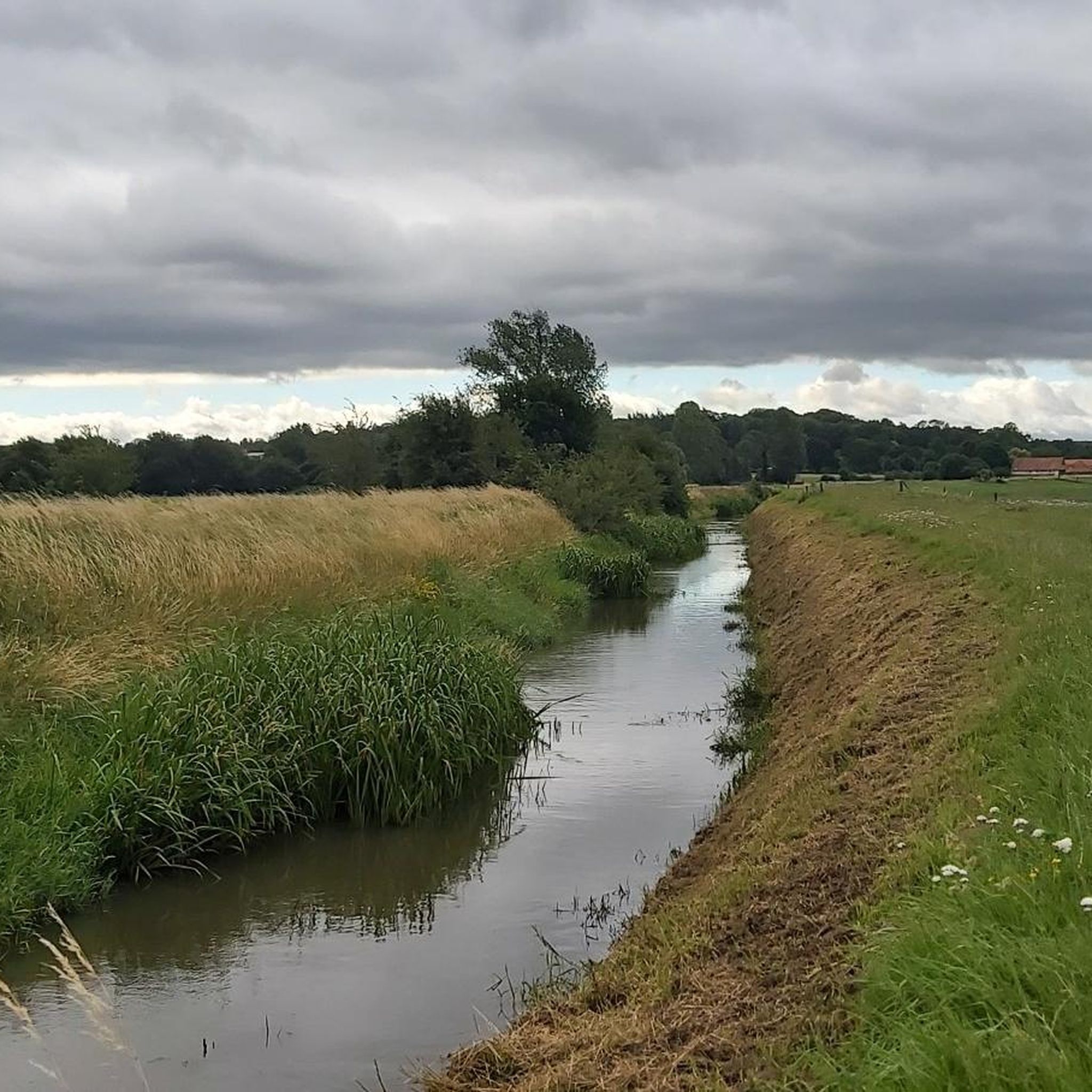
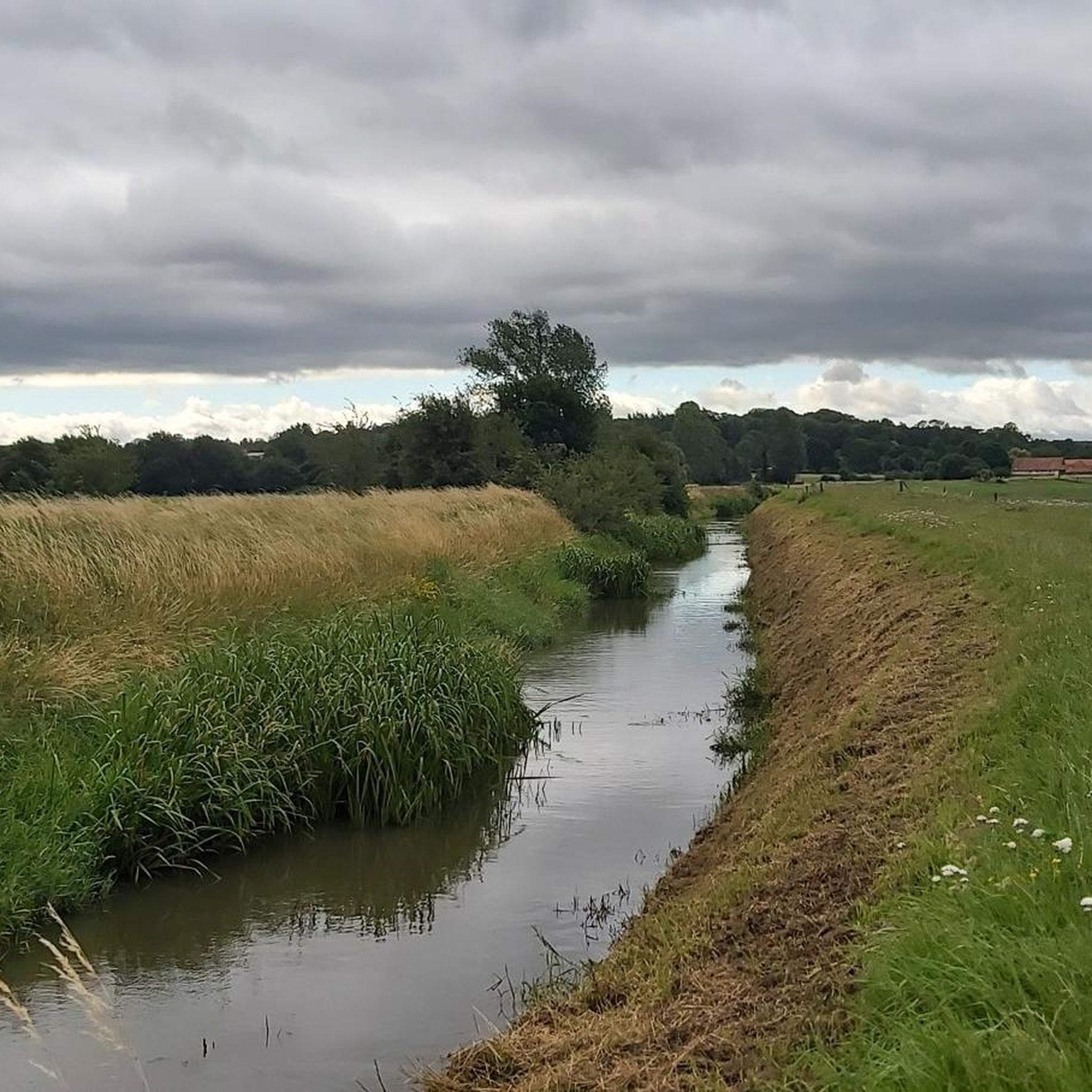
The Schulensmeer is the largest inland lake in Flanders. Numerous benches invite you to take a break.
5
0

You feel the peace here, especially when you're on the other side and can admire the horses and sheep nearby in the beautiful open countryside. I'll definitely come back here for a walk. Wonderful 😎
1
0

Beautiful view of the size of the Schulens lake...
7
0

In the church of Averbode Abbey, the Averbode altarpiece can recently be admired again in the context of "Flemish masters in their place". The reredos was purchased 40 years ago by the Antwerp Museum of Antiquities. It is, like any altarpiece, the work of several painters, carpenters and the like. The sculptor or at least coordinator was Jacob van Cothem from Antwerp, where the protected Gothic reredos was purchased. It is a special work of great value and has been displayed in a climate cabinet since the end of November, opposite that other work of art, the painting by Jan Erasmus Quellinus: "Saint Augustine gives his rule to Norbertus". The altarpiece was removed from Averbode for about 150 years and originally stood at the altar of the abbey's previous Gothic church. You see some photos above (details, the cabinet with the complete work and a description plate).
13
1
The Gothic gatehouse of Averbode Abbey from the 14th century is built from iron sandstone, two stories high, with a steep gable roof between stepped gables with the original roof truss. The ground floor on the field side consists of a basket arch entrance gate and pedestrian gate between the heavy buttresses, the upper floor has elaborate niches with neo-Gothic statues, placed after a major restoration of 1909-1910, by J. Geerts between monastery frames in the center and a cross frame on the far left and right. On the inside, the first floor contains a small niche between four asymmetrically placed windows. On the second floor, the facade is openwork with two ball frames and a central round-arched window. Centrally located in the roof on the roof frame is a loading hatch with a lifting beam in a lifting box. https://inventaris.onroerenderfgoed.be/erfgoedobjecten/42758 There was also a restoration in 1988-1989.
14
0
The abbey of Averbode is located on the territory of three municipalities and provinces: Scherpenheuvel-Zichem (Flemish Brabant), Tessenderlo (Limburg) and Laakdal (Antwerp). Already in the Middle Ages, the abbey was located on the border of two principalities: the Duchy of Brabant and the County of Loon (absorbed by the Prince-Bishopric of Liège in the 14th century). The area is mainly characterized by Diestian sandstone hills, extensive forests, heathland relics and inland dunes. The witness hills are located here as extensions of the Hageland, on the transition to the Kempen. They are the remains of the original Tertiary massif, which have been able to maintain themselves thanks to a protective layer. Responsible for this is the iron-containing glauconite present in the subsoil, which originated in a former (sub)tropical, marine environment. The weathering product of glauconite is limonite and has the property of cementing sand grains together, creating a hard, stony, coarse sand. Weather and wind have less influence on the hills. The subsoil was covered by yellow sand, mixed here and there with some loam. Both pure sandy soils and loamy sandy soils and sandy loam soils occur. The abbey played a very important role in the development and support of agriculture and livestock farming in the area. Founded in 1134-35, it experienced a great heyday and important expansions during the 14th as well as the 17-18th century. Inventory of Immovable Heritage 2023: Abbey and forest of Averbode and Gerhagen, https://id.erfgoed.net/erfgoedobjecten/135068
14
1

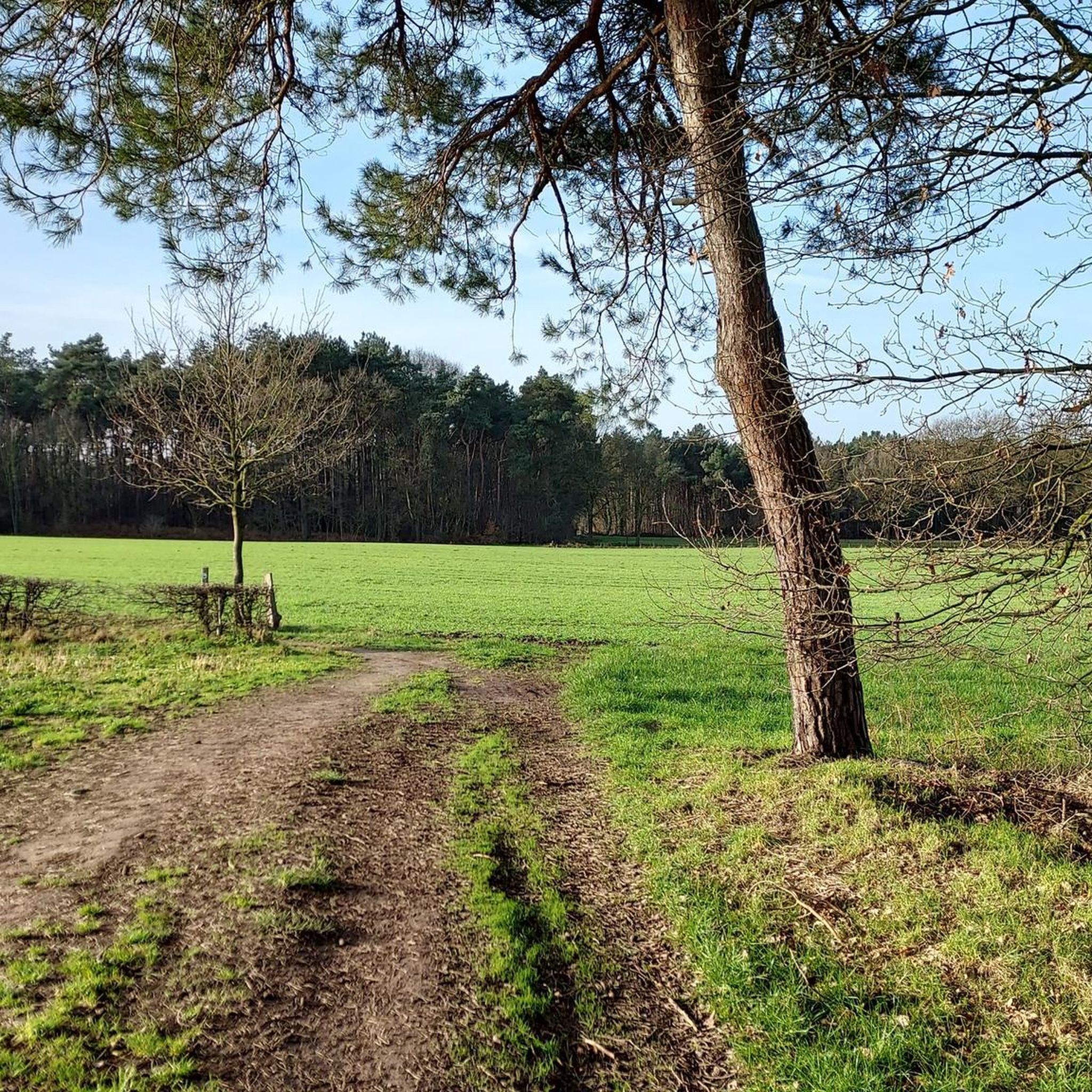
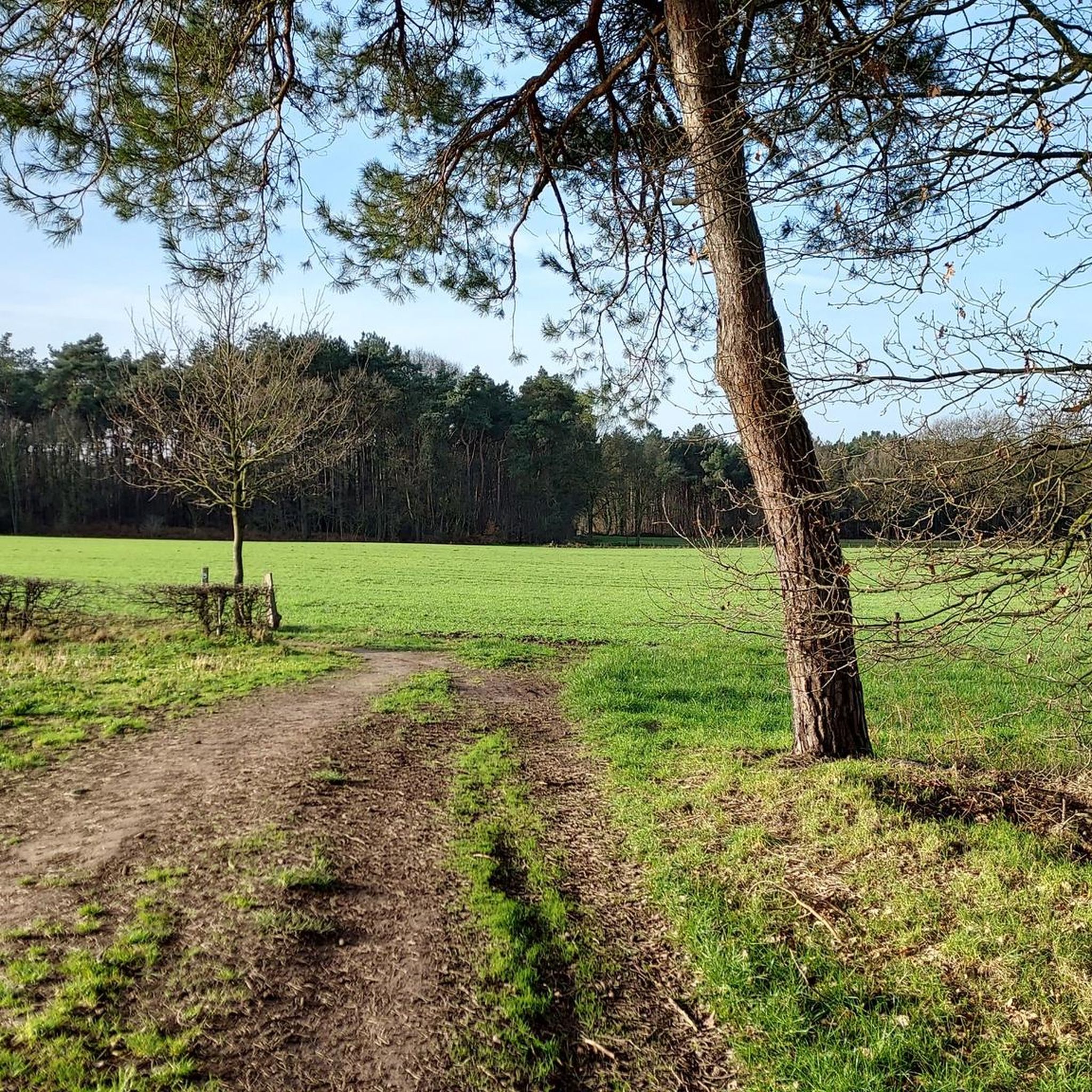
Averbode Bos & Heide is located around the abbey of Averbode. It is the transition from the Kempen to the Hageland. Extensive forests alternate with fens, marshes, heathland and heathland with scanty grasslands. Beautiful nature to take a walk.
27
0

beautiful natural restoration of the heath and fens
7
1
Τα πιο δημοφιλή αξιοθέατα Halen

Εμπνεύσου με την εφαρμογή komoot για κινητά


Ανακάλυψε περισσότερα
Δεν βρήκες ακόμη το Highlight που ψάχνεις; Δες οδηγούς για τα κορυφαία αξιοθέατα σε άλλες περιοχές:
