Αξιοθέατα και μέρη για επίσκεψη Dison - Top 20
Υπάρχουν πολλά μέρη να δείτε και να επισκεφθείτε Dison. Είτε αγαπάτε την πεζοπορία είτε την ποδηλασία, Dison είναι μια περιοχή όπου 20
κρυμμένα στολίδια περιμένουν να ανακαλυφθούν. Δείτε τα καλύτερα αξιοθέατα της περιοχής και σχεδιάστε την επόμενη περιπέτειά σας σήμερα.
Τελευταία ενημέρωση: 2 Αυγούστου 2026
Lion of the Gileppe Dam
Highlight • Μνημείο
Μετάφραση από Google •
Συμβουλή από

Val-Dieu Abbey
Highlight • Θρησκευτικός χώρος
Μετάφραση από Google •
Συμβουλή από

Εγγράψου τώρα για να ανακαλύψεις μέρη σαν αυτό
Λάβε προτάσεις για τα καλύτερα single tracks, κορυφές και πολλά ακόμα συναρπαστικά υπαίθρια μέρη.
Εγγραφή δωρεάν
Observation Bunker MN18 and Knuppelstock Orientation Table
Highlight • Ιστορικός χώρος
Μετάφραση από Google •
Συμβουλή από
Gileppe Dam
Highlight • Μνημείο
The stone lion is the landmark of the Gilepppe dam. With a length of 13.5 m, the massive 180-ton …
Μετάφραση από Google •
Συμβουλή από
Val-Dieu Countryside
Highlight • Σημείο θέας
Μετάφραση από Google •
Συμβουλή από

Εγγράψου δωρεάν για να ανακαλύψεις ακόμα περισσότερα αξιοθέατα Dison.
Εγγραφή δωρεάν
Έχεις ήδη λογαριασμό;
Ξεκίνα σήμερα με έναν δωρεάν λογαριασμό
Η επόμενη περιπέτειά σου σε περιμένει.
Σύνδεση ή εγγραφή


Συμβουλές από την κοινότητα

The MN18 Observation Bunker is part of the first line of defense of the Position Fortifiée de Liège (PFL), a network of bunkers built in the 1930s to defend Belgium against a German invasion. MN18 was the 18th bunker in the Margarins-Neufchâteau sector and equipped with an FM turret, recognizable by its tapered shape. During the German attack in May 1940, the bunker was destroyed by a 50 kg shaped charge placed on top of the turret, just where the periscope was located. The damage is still visible, making MN18 a tangible reminder of World War II. Right next to the bunker is the Knuppelstock orientation table, an impressive work of blue limestone with a diameter of 1.5 meters and weighing approximately one ton. The relief of the surrounding landscape is engraved on it based on data from the National Geographic Institute, with bronze details indicating the visible points. The table is also accessible for the visually impaired thanks to its tactile elements. The project, carried out by local organizations such as Qualité-Village-Wallonie and the municipality of Aubel, is unique in Belgium.
10
0
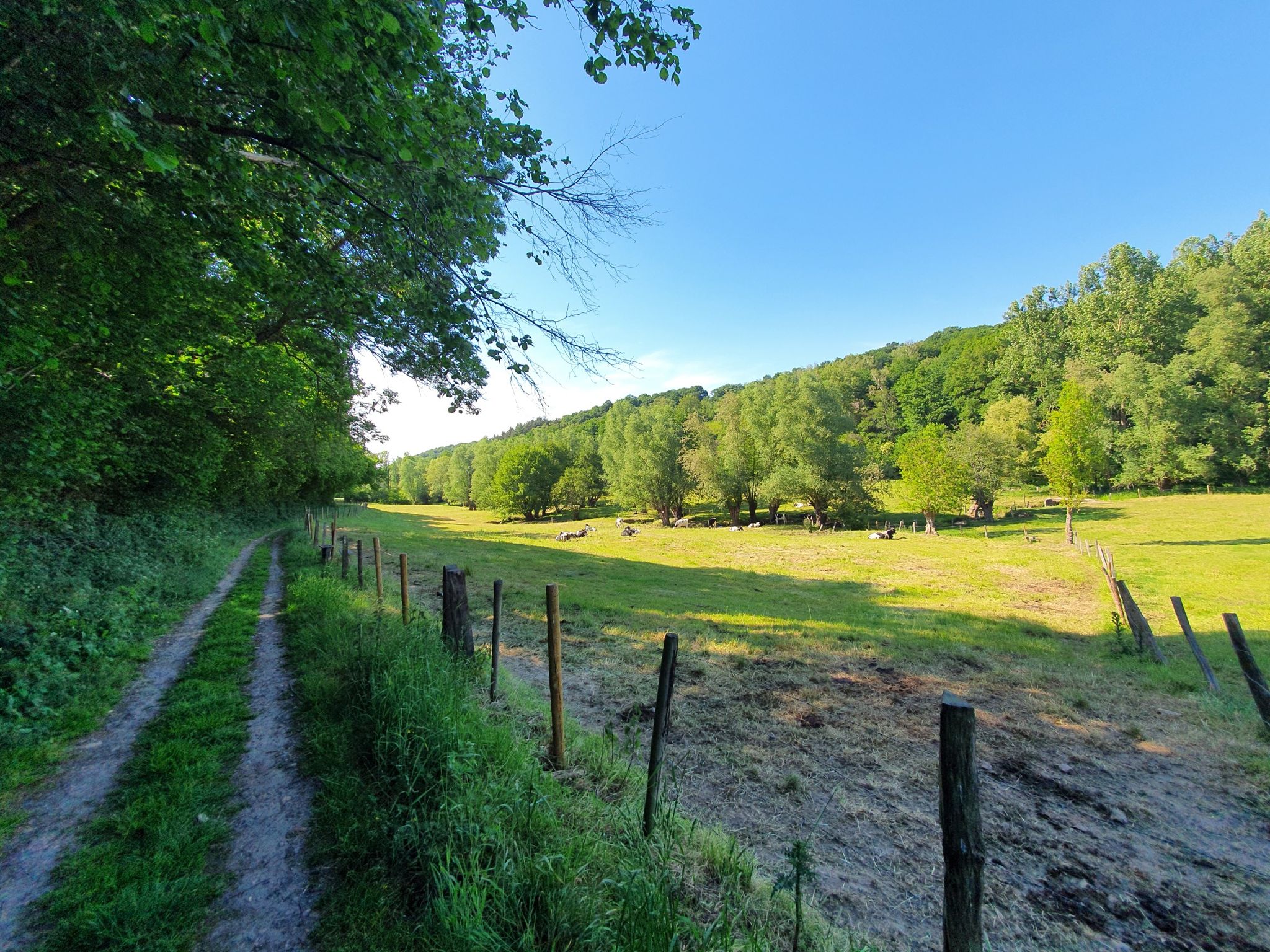
The cross, also known as the Croix sur le chemin de Fort-Pays, is attached to a chestnut tree at the entrance to a path leading through the meadows to Lammerschot and then on to Saint-Jean-Sart. This type of wayside cross belongs to the so-called petit patrimoine sacré—small religious heritage—typical of the Pays de Herve and Wallonia. Such crosses traditionally served as spiritual beacons for travelers, pilgrims, and local residents, and are often placed at crossroads, paths, or village entrances.
2
0

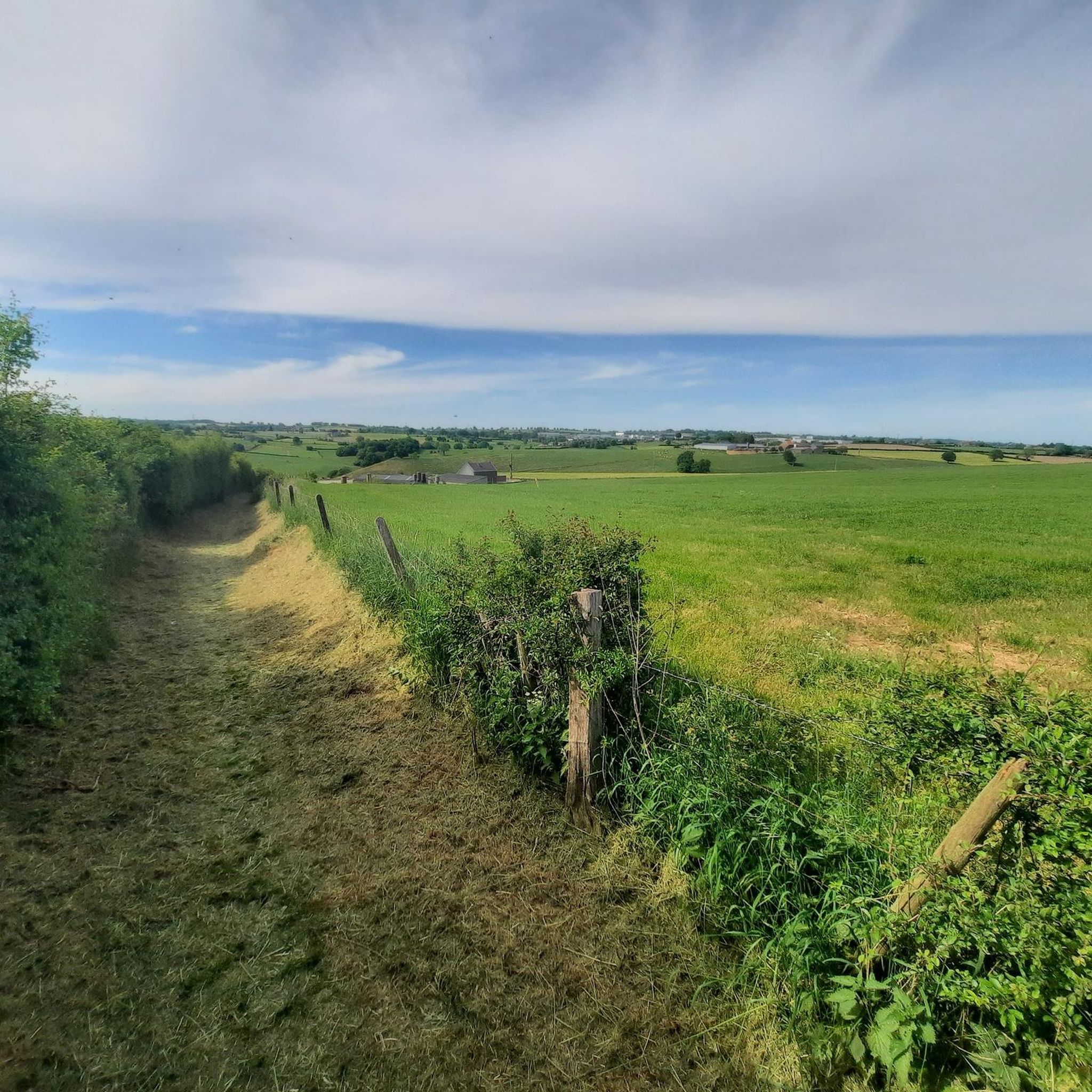
At this point, history and landscape converge. The MN18 observation bunker, a silent witness to the Second World War, still stands as a reminder of a turbulent period. From the bunker, you also have a unique view of the surrounding hilly landscape. Next to the bunker is the Knuppelstock orientation table, a platform that indicates the names and directions of villages, hills, and landmarks in the area. It's an ideal spot to get to know the region better and to enjoy a panoramic view of the border area between the Netherlands and Belgium.
3
0
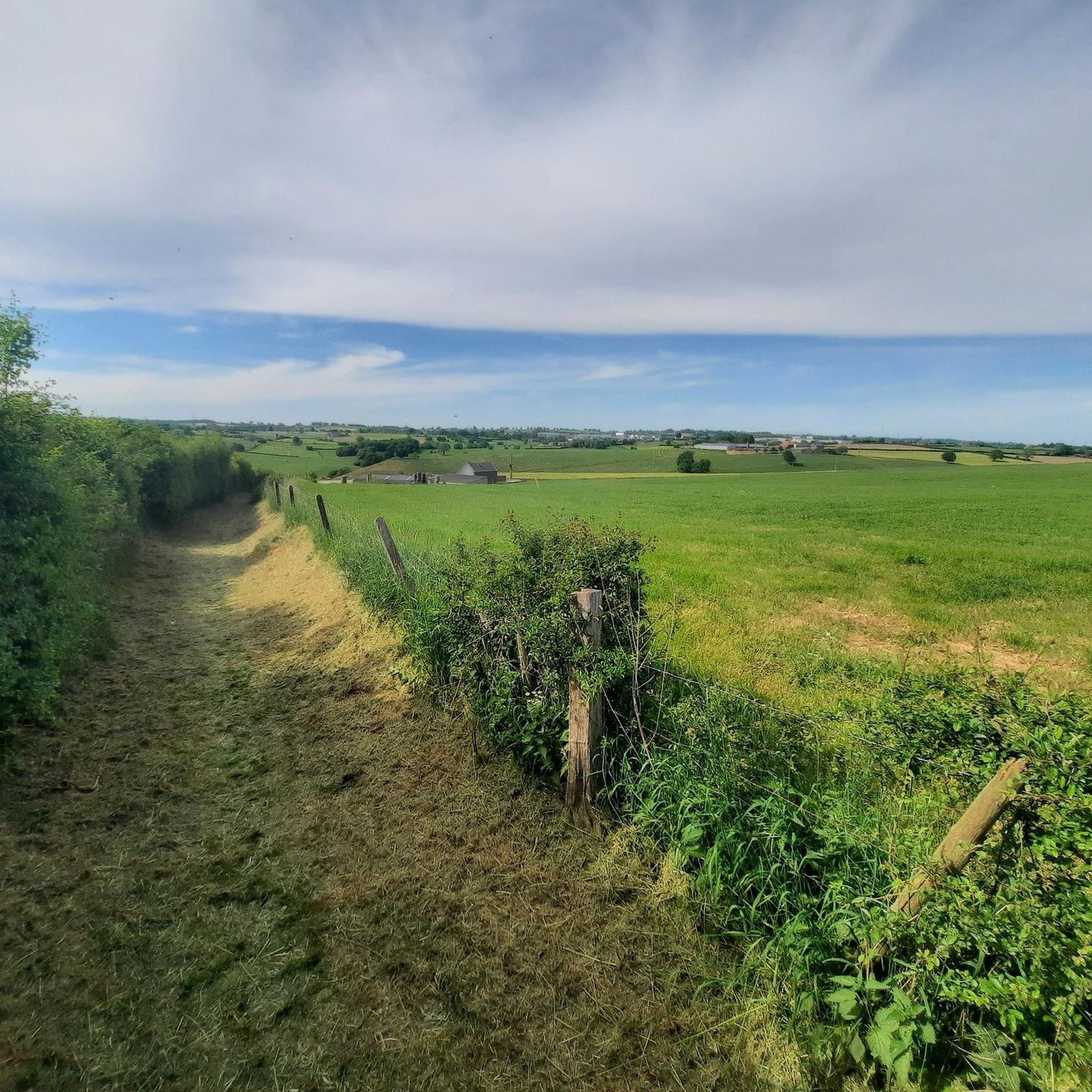
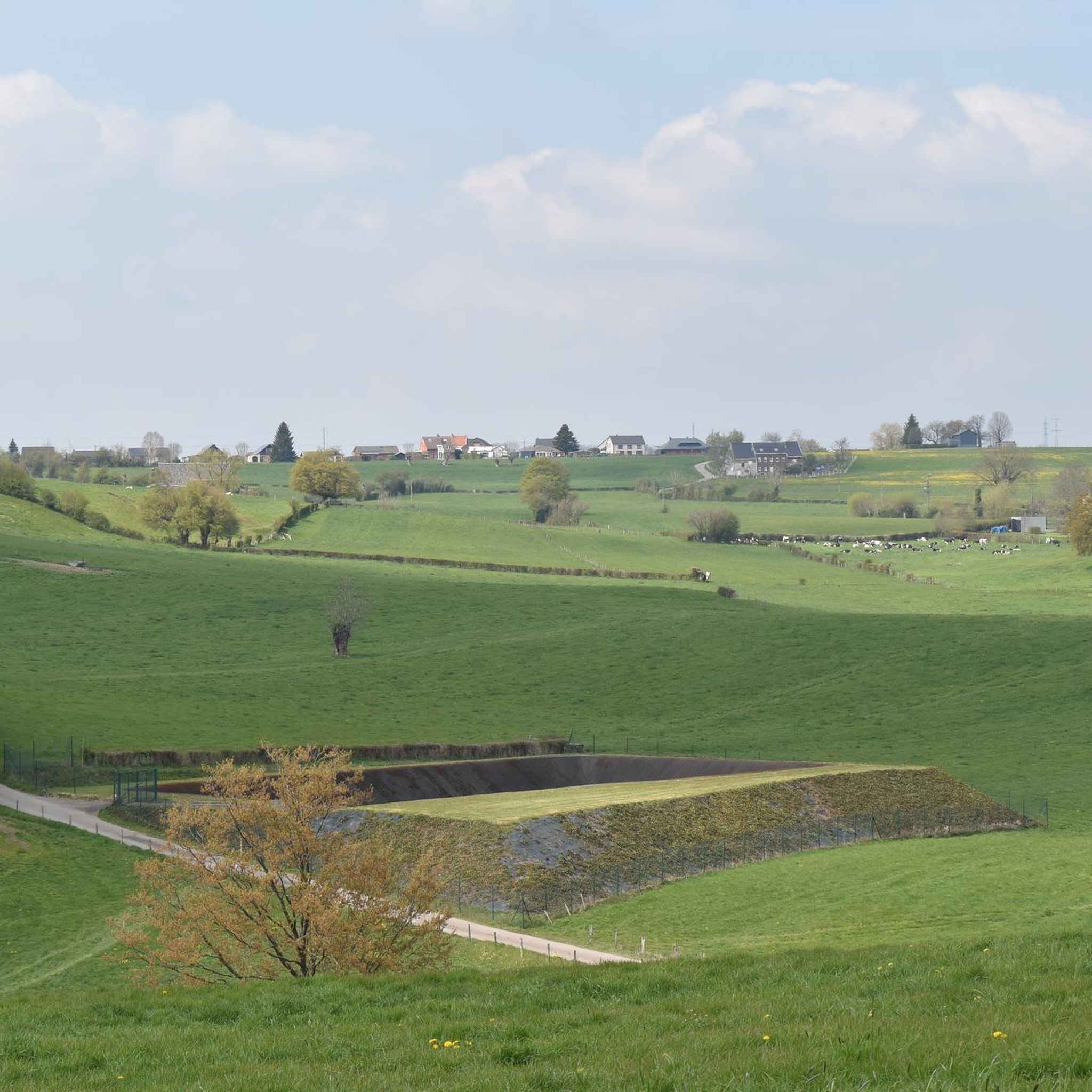
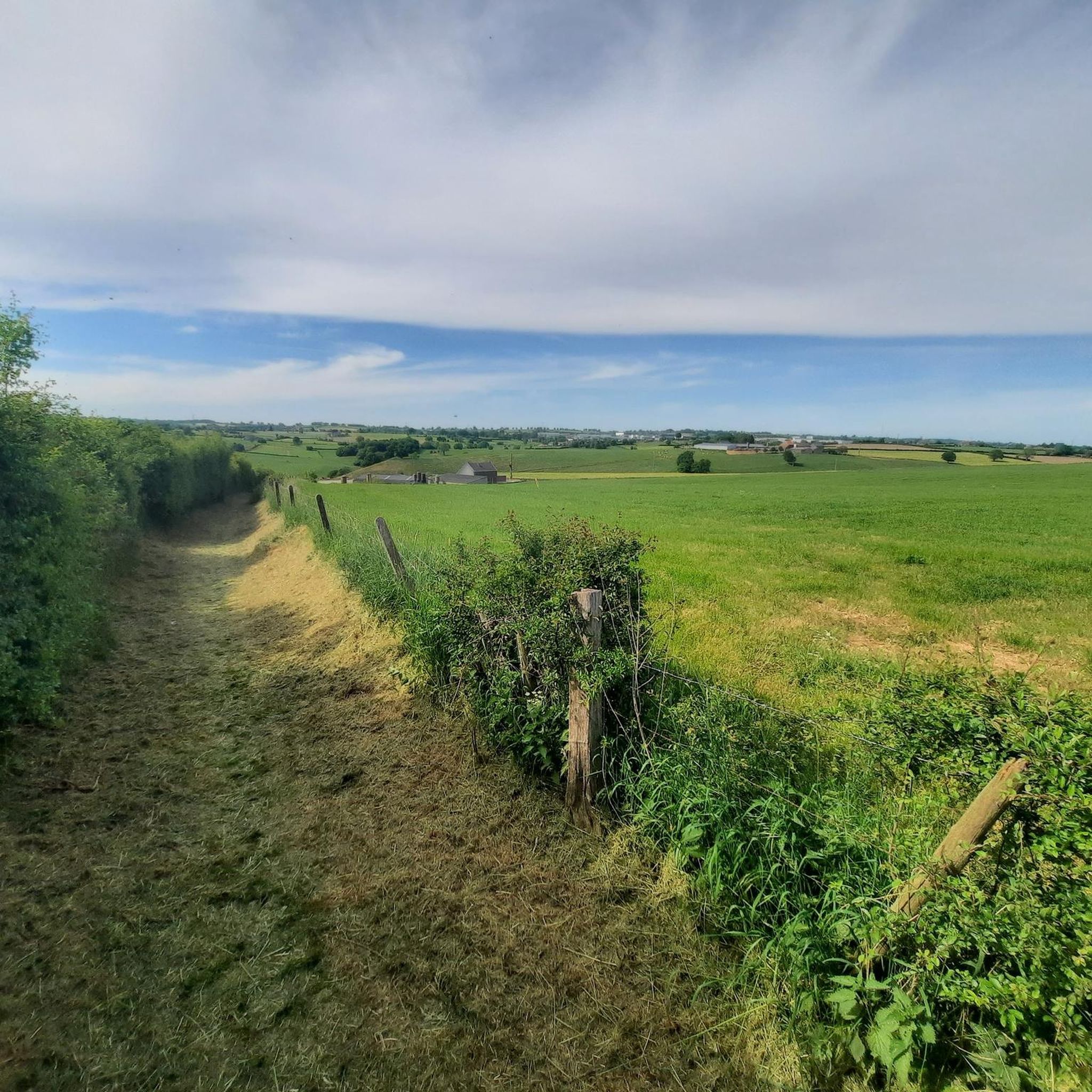
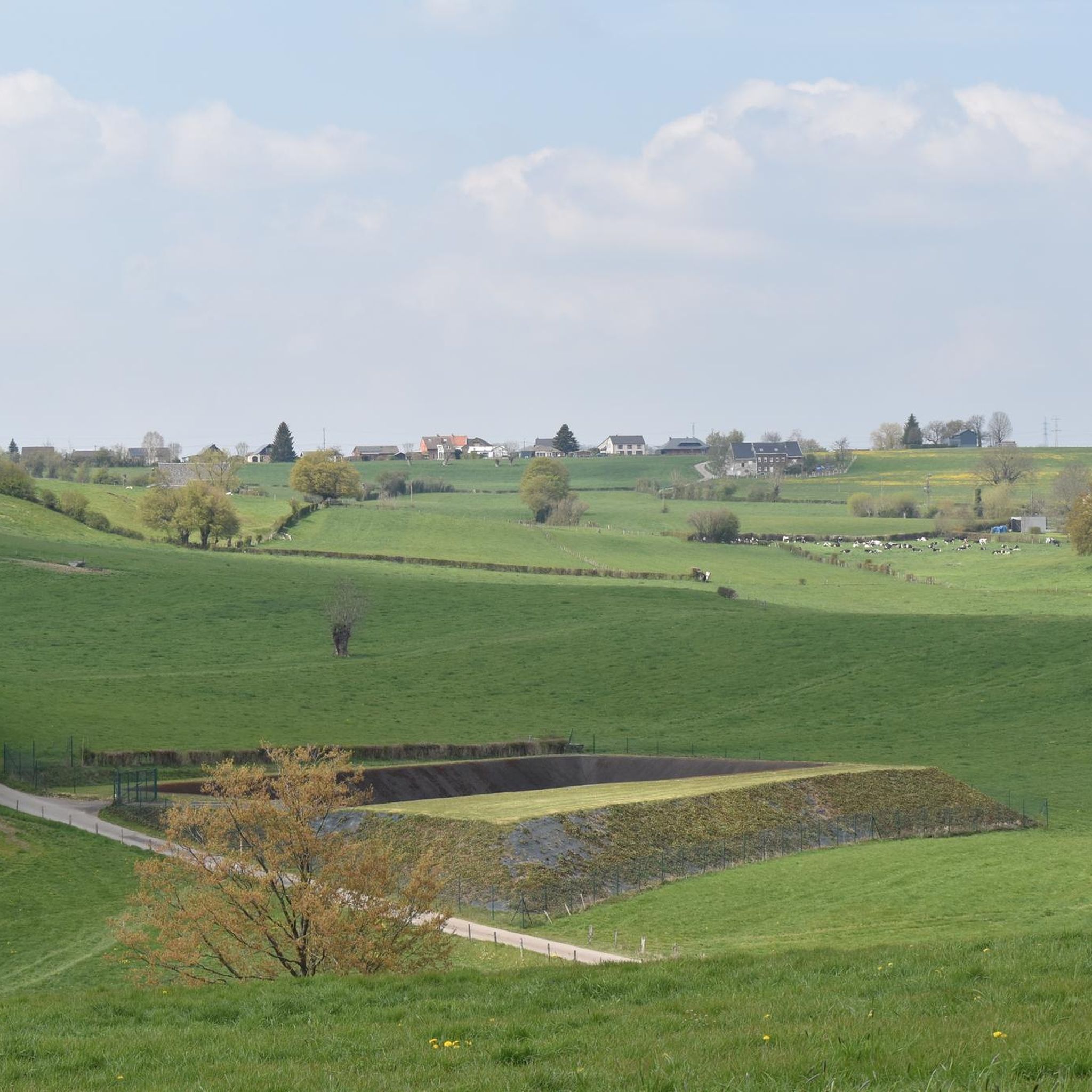
The countryside surrounding Val-Dieu offers vast fields, green meadows, and rolling hills—the perfect setting for a peaceful walk or bike ride. The landscape exudes the charm and tranquility of the Belgian hills.
0
0
Take a seat on this bench and enjoy a beautiful view over the valley and the Abbey of Val-Dieu.
1
0

It stands on the crest of the dam and faces north-east, towards the former district town of Eupen and the former Prussian border, which was about 5 km away. The artist was Antoine-Félix Bouré (1831–1883). The lion was completely restored in October 2000.
9
0

Superb walk. Beautiful region and tasting of Val Dieu Trappist, a treat
3
1

A cross also hangs on the tree here...
6
1
Τα πιο δημοφιλή αξιοθέατα Dison

Εμπνεύσου με την εφαρμογή komoot για κινητά


Ανακάλυψε περισσότερα
Δεν βρήκες ακόμη το Highlight που ψάχνεις; Δες οδηγούς για τα κορυφαία αξιοθέατα σε άλλες περιοχές:
