Αξιοθέατα και μέρη για επίσκεψη Rive - Top 20
Υπάρχουν πολλά μέρη να δείτε και να επισκεφθείτε Rive. Είτε αγαπάτε την πεζοπορία είτε την ποδηλασία, Rive είναι μια περιοχή όπου 20
κρυμμένα στολίδια περιμένουν να ανακαλυφθούν. Δείτε τα καλύτερα αξιοθέατα της περιοχής και σχεδιάστε την επόμενη περιπέτειά σας σήμερα.
Τελευταία ενημέρωση: 27 Σεπτεμβρίου 2026
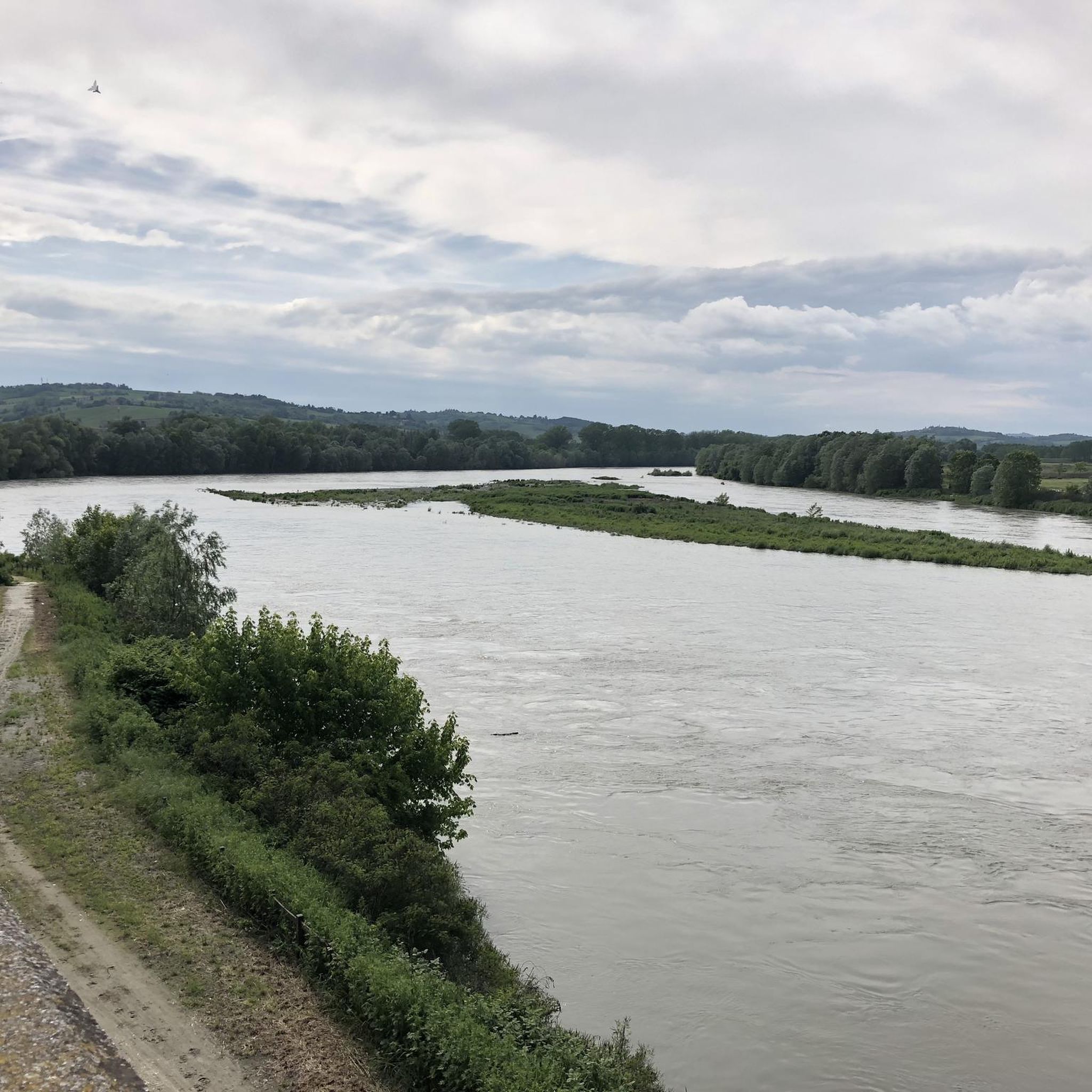
Po River at Bosco della Pastrona
Highlight • Ποταμός
Μετάφραση από Google •
Συμβουλή από

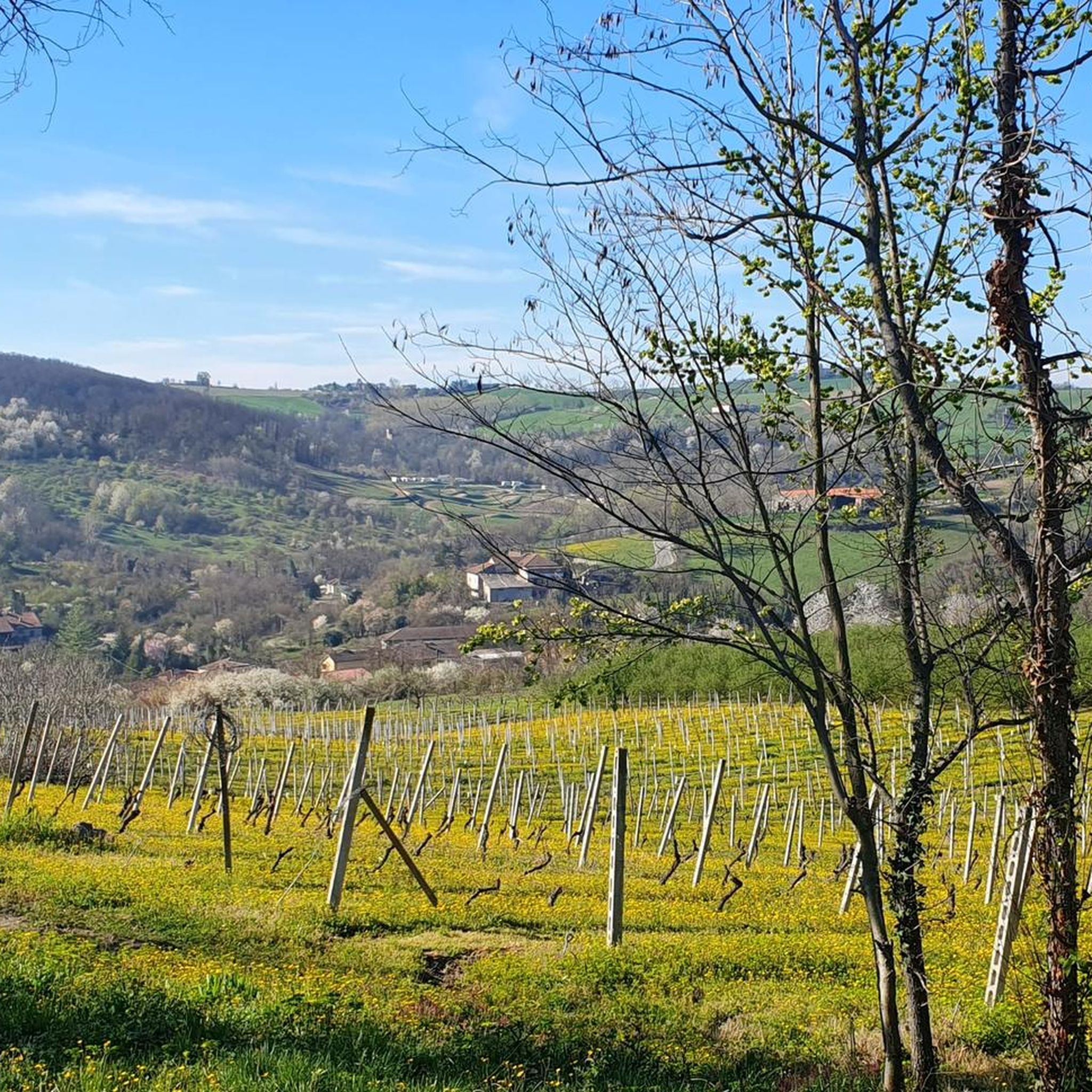
Vineyard Landscapes of Langhe, Monferrato and Roero
Highlight (Segment) • Σημείο θέας
Μετάφραση από Google •
Συμβουλή από

Εγγράψου τώρα για να ανακαλύψεις μέρη σαν αυτό
Λάβε προτάσεις για τα καλύτερα single tracks, κορυφές και πολλά ακόμα συναρπαστικά υπαίθρια μέρη.
Monferrato Castle (Castello del Monferrato)
Highlight • Κάστρο
Μετάφραση από Google •
Συμβουλή από

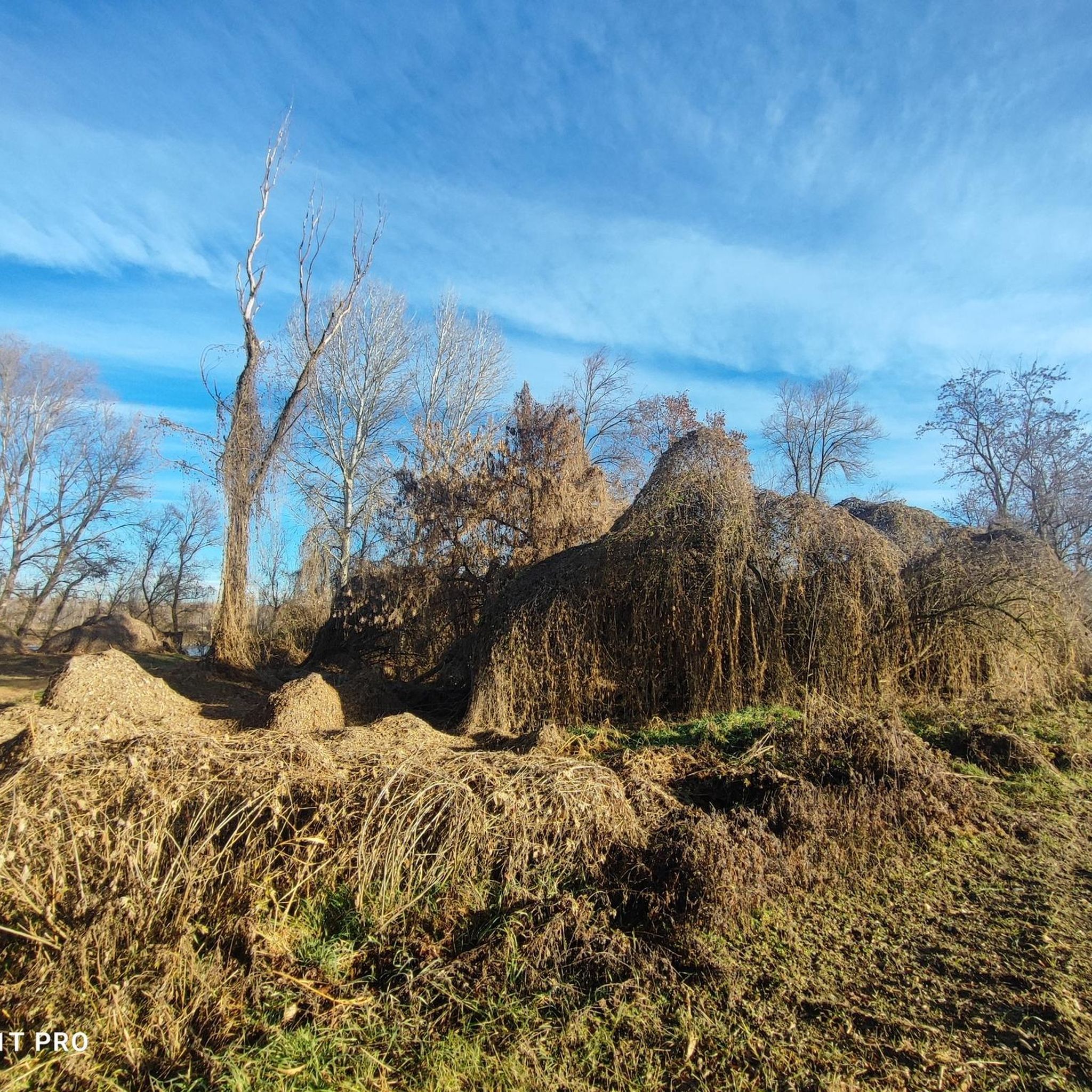
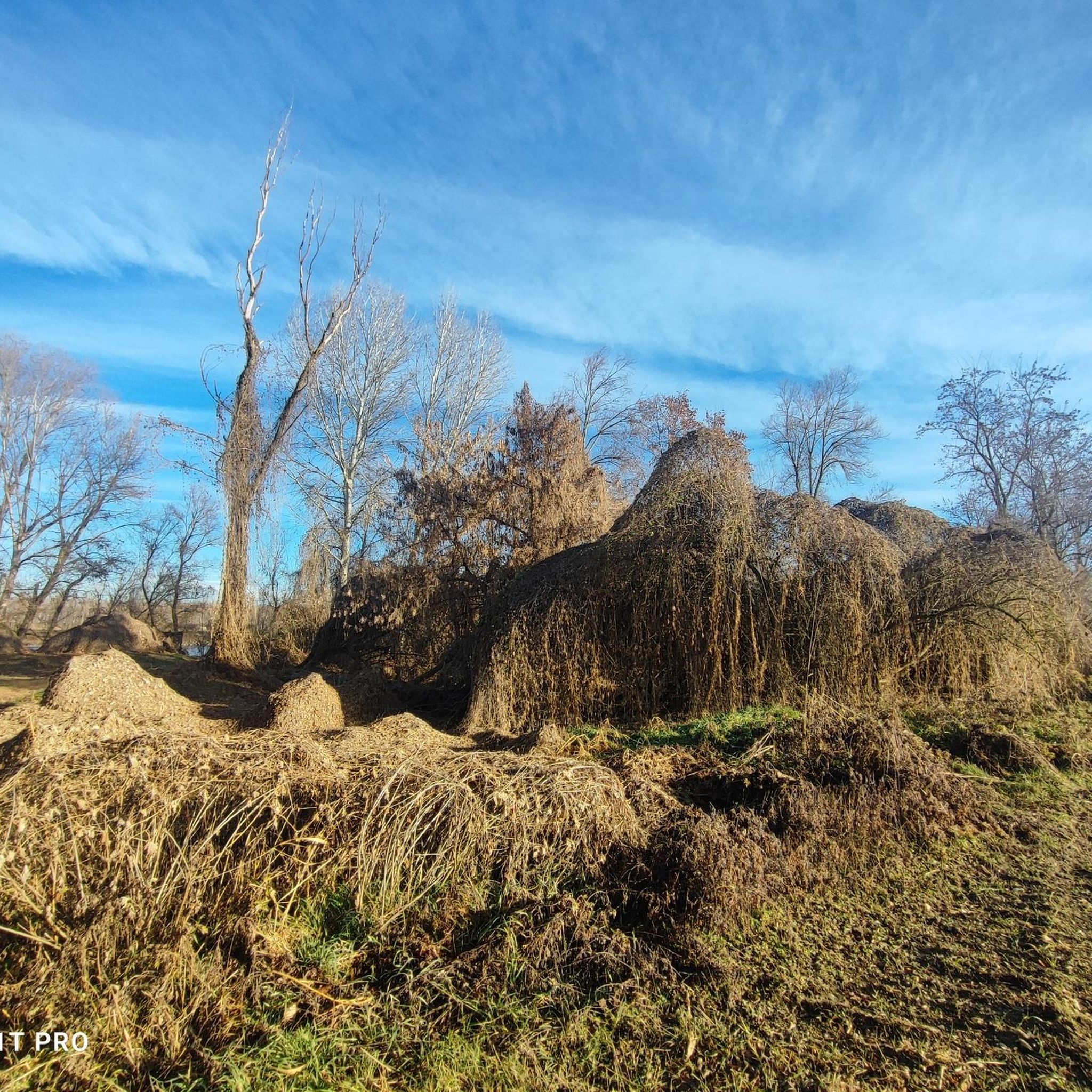
Servizio Movimentazione Carrelli e Gallerie della Marna
Highlight • Ιστορικός χώρος
Εμφάνιση μετάφρασης
Συμβουλή από

Piazza Mazzini and Civic Tower, Casale Monferrato
Highlight • Ιστορικός χώρος
Μετάφραση από Google •
Συμβουλή από
Εγγράψου δωρεάν για να ανακαλύψεις ακόμα περισσότερα αξιοθέατα Rive.
Έχεις ήδη λογαριασμό;
Ξεκίνα σήμερα με έναν δωρεάν λογαριασμό
Η επόμενη περιπέτειά σου σε περιμένει.

Συμβουλές από την κοινότητα

Ο όρος «Υπηρεσία Μετακίνησης Καροτσιών και Σηράγγων της Μάρνας» εμφανίζεται σε ορισμένα τοπικά μονοπάτια ή περιηγήσεις, για παράδειγμα ως στάση ή σημείο ενδιαφέροντος στη διαδρομή «Rive – country of street art» κοντά στο Casale Monferrato, όπου αναφέρεται ως τόπος μαζί με άλλα πανοραμικά σημεία ή φυσικά μονοπάτια.
14
0

Giovanni II Paleologo, Marquis of Monferrato, ordered the current castle to be built and work continued until 1357. When Casale assumed the role of capital of the Margraviate of Monferrato and obtained the title of city in 1474, it also changed castle, seat of the court, after the restoration with the marquises Guglielmo VIII (1464-1483) and Bonifacio V (1483-1494). When Giovanni II Paleologo died, the Gonzaga of Mantova took control of Casale. The castle was strengthened by new military techniques, so the walls and the plan shape were adjusted so that it became hexagonal (which we can still see today). The towers were also strengthened and four new ravelins were added. At the beginning of the seventeenth century, the castle returned to its role as the seat of the court. The Dukes of Mantova, who were busy negotiating with Savoia, stayed there. Later it became the principality of Duke Carlo II Gonzaga-Nevers (1637-1665), who holidayed there many times with his entire court, which gave a boost to the cultural life in Casale. Due to the crisis of the Gonzaga dynasty, the castle was on the verge of decline. The city fell to Savoia in 1708 and the castle became a barracks. In the mid-19th century, Casale was fortified in preparation for a war against Austria and the castle became a defensive structure. The eastern ravelin was demolished, creating the current Piazza Castello, which became an open-air market zone. With the unification of Italy, the other three ravelins were also demolished.
1
0

We are in the heart of the territory that between the end of the 19th century and the first decades of the 20th century, thanks to its geological conformation, gave birth to the Italian cement epic; here you can still see the service building for moving the trolleys that transported the marl into the underground tunnels
3
0

The Bosco della Pastrona, a green area of approximately 50 hectares, connects the river with the city of Casale Monferrato. Partly managed by the Po Park, it includes a picnic area and a mountain biking and running trail called "Kintana". This 10 km route was inaugurated in May 2014 after a redevelopment period supported by the Piedmont Region and private volunteers. Thanks to an agreement with the Municipality of Casale Monferrato, the area is managed by private individuals for maintenance and the organization of events. Currently managed by the non-profit association "Fiab Monferrato Bike", the route is challenging but accessible to all. The terrain is suitable for all seasons, except for adverse weather conditions. During the excursion, you can enjoy the flora and fauna along the Po and choose where to stop at the technical points. The route has three rings with different levels of difficulty and connections to other paths, starting from the Monferrato Castle and ending at the pier. The management of the area involves the local community and offers an opportunity to reconnect with the Po river.
0
0

The UNESCO site of the wine-growing landscapes of Langhe, Monferrato and Roero is made up of six areas in the provinces of Alessandria, Asti and Cuneo and twenty-nine municipalities. The areas represent the exceptional quality of the Piedmontese wine-growing landscape and its profound and lively wine culture. The site is characterized by a rich and diversified system of farmhouses, wineries, wine industries, cooperative wineries, public and private wine shops, which in some cases constitute symbolic places for the history and development of national and international viticulture and enology.
1
0
Casale Monferrato is a city of great historical and cultural interest, located in Piedmont. Its historic center is full of monuments and sites of interest, including the cathedral of Sant'Evasio, the synagogue, the Monferrato castle, the civic tower, the civic museum and the Bistolfi plaster cast gallery. The city also hosts numerous cultural events and events. Among the typical products of Casale Monferrato we highlight the red krumiri of Portinaro, the agnolotti and the wine of Monferrato, which is a wine-growing area of great importance.
4
0

Panoramic road among the Monferrato hills with views of the surrounding hills, the Po Valley and on good weather days up to the Alps.
3
0
Τα πιο δημοφιλή αξιοθέατα Rive

Εμπνεύσου με την εφαρμογή komoot για κινητά


Ανακάλυψε περισσότερα
Δεν βρήκες ακόμη το Highlight που ψάχνεις; Δες οδηγούς για τα κορυφαία αξιοθέατα σε άλλες περιοχές:
