Οι καλύτερες ποδηλατικές διαδρομές στο Ρέικιαβικ
4,5
(87)
2.107
Ποδηλάτες
78
Ποδηλασίες
Η ποδηλασία Ρέικιαβικ είναι ένας από τους πιο ευχάριστους τρόπους να εξερευνήσετε αυτό το μέρος της περιοχής Ισλανδία. Για να βρείτε την τέλεια ποδηλατική εκδρομή στην περιοχή Ρέικιαβικ, εξετάσαμε ολόκληρη τη συλλογή ποδηλατικών διαδρομών. Κάντε κλικ σε κάθε διαδρομή για αναλυτικά στοιχεία με υψομετρικά προφίλ και αναλύσεις επιφάνειας, και δείτε συμβουλές και φωτογραφίες από μέλη της κοινότητας komoot.
Τελευταία ενημέρωση: 8 Σεπτεμβρίου 2026
4,8
(18)
218
Ποδηλάτες
Εύκολη ποδηλασία. Κατάλληλο για όλα τα επίπεδα φυσικής κατάστασης. Κυρίως ασφαλτοστρωμένες επιφάνειες. Κατάλληλο για όλα τα επίπεδα δεξιοτήτων.
4,8
(5)
191
Ποδηλάτες
Μέτρια ποδηλασία. Απαιτείται καλή φυσική κατάσταση. Κυρίως ασφαλτοστρωμένες επιφάνειες. Κατάλληλο για όλα τα επίπεδα δεξιοτήτων.

5,0
(2)
65
Ποδηλάτες
Μέτρια ποδηλασία. Απαιτείται καλή φυσική κατάσταση. Κυρίως ασφαλτοστρωμένες επιφάνειες. Κατάλληλο για όλα τα επίπεδα δεξιοτήτων.
4,5
(4)
87
Ποδηλάτες
Μέτρια ποδηλασία. Απαιτείται καλή φυσική κατάσταση. Κυρίως ασφαλτοστρωμένες επιφάνειες. Κατάλληλο για όλα τα επίπεδα δεξιοτήτων.
4,1
(8)
57
Ποδηλάτες
71,2km
04:17
580m
580m
Δύσκολη ποδηλασία. Απαιτείται πολύ καλή φυσική κατάσταση. Κυρίως ασφαλτοστρωμένες επιφάνειες. Κατάλληλο για όλα τα επίπεδα δεξιοτήτων.
78
Ποδηλάτες
35,3km
02:10
270m
270m
Μέτρια ποδηλασία. Απαιτείται καλή φυσική κατάσταση. Κυρίως ασφαλτοστρωμένες επιφάνειες. Κατάλληλο για όλα τα επίπεδα δεξιοτήτων.
5,0
(1)
68
Ποδηλάτες
Εύκολη ποδηλασία. Κατάλληλο για όλα τα επίπεδα φυσικής κατάστασης. Κυρίως ασφαλτοστρωμένες επιφάνειες. Κατάλληλο για όλα τα επίπεδα δεξιοτήτων.
4,0
(2)
68
Ποδηλάτες
Μέτρια ποδηλασία. Απαιτείται καλή φυσική κατάσταση. Κυρίως ασφαλτοστρωμένες επιφάνειες. Κατάλληλο για όλα τα επίπεδα δεξιοτήτων.
3,0
(1)
53
Ποδηλάτες
51,3km
03:08
350m
350m
Μέτρια ποδηλασία. Απαιτείται καλή φυσική κατάσταση. Κυρίως ασφαλτοστρωμένες επιφάνειες. Κατάλληλο για όλα τα επίπεδα δεξιοτήτων.
4,0
(2)
52
Ποδηλάτες
Μέτρια ποδηλασία. Απαιτείται καλή φυσική κατάσταση. Κυρίως ασφαλτοστρωμένες επιφάνειες. Κατάλληλο για όλα τα επίπεδα δεξιοτήτων.
Πάρε πρόσβαση σε περισσότερες διαδρομές και προτάσεις από άλλους εξερευνητές.
Έχεις ήδη λογαριασμό;
Οι προτάσεις διαδρομών μας βασίζονται σε χιλιάδες πεζοπορίες, ποδηλασίες και τρεξίματα που ολοκληρώθηκαν από άλλους χρήστες στο komoot.
Ξεκίνα σήμερα με έναν δωρεάν λογαριασμό
Η επόμενη περιπέτειά σου σε περιμένει.
Συμβουλές από την κοινότητα

If you take a stroll along the Ægisida, where locals all year round and tourists in the summer season like to walk, you’ll at some point come across a tangled shape of bronze rising from a pile of boulders. At first perhaps you won’t even pay much attention to it, with the complicity of the beautiful seascape, especially in the high tide. It took me some time to get used to that weird bronze shape placed in the vicinity of an improvised football field; the very first time, from a huge distance, it looked to me like – I admit it with a little embarrassment – a wolf howling at the sky. (https://icelandchronicles.org/2010/10/the-rescue/)
1
0
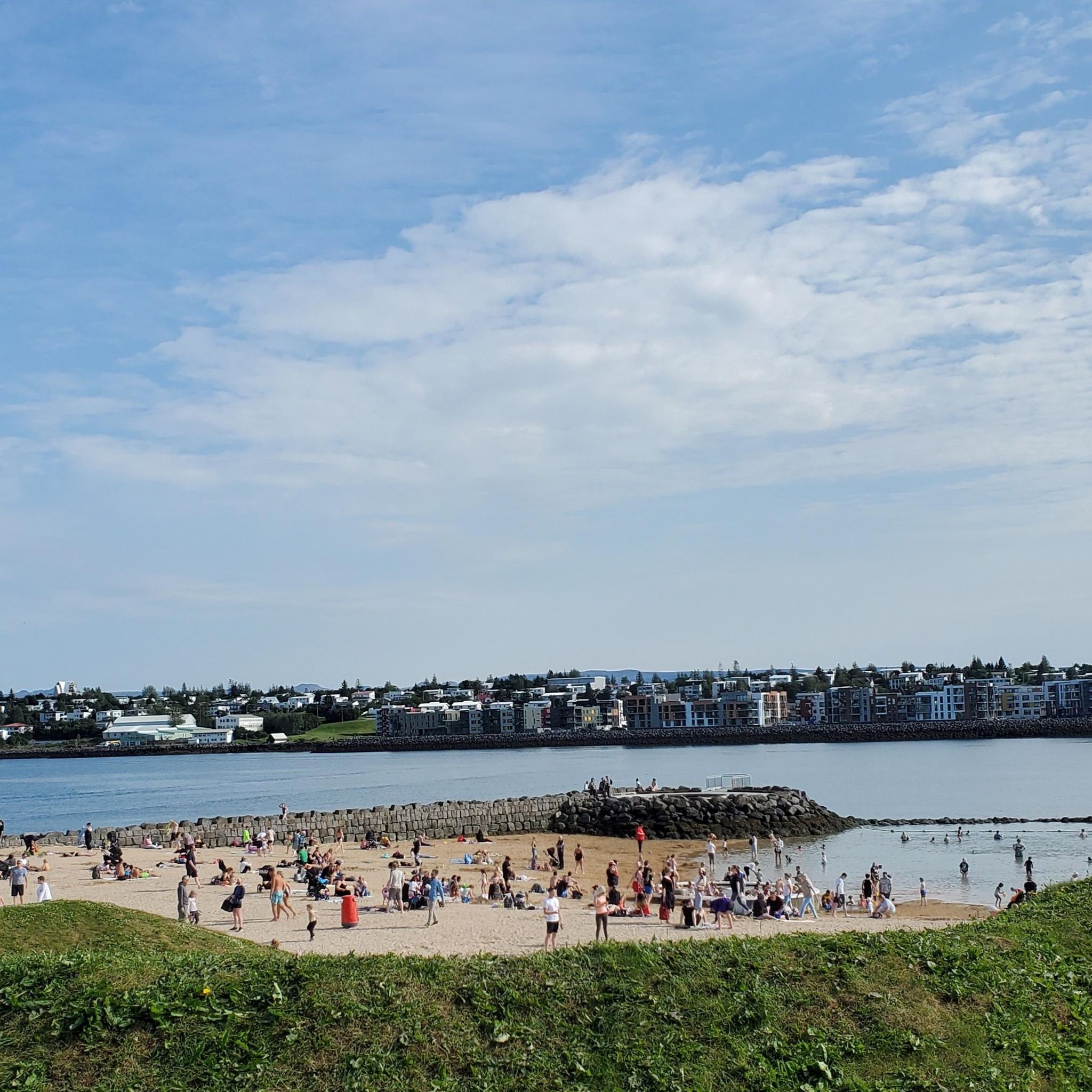
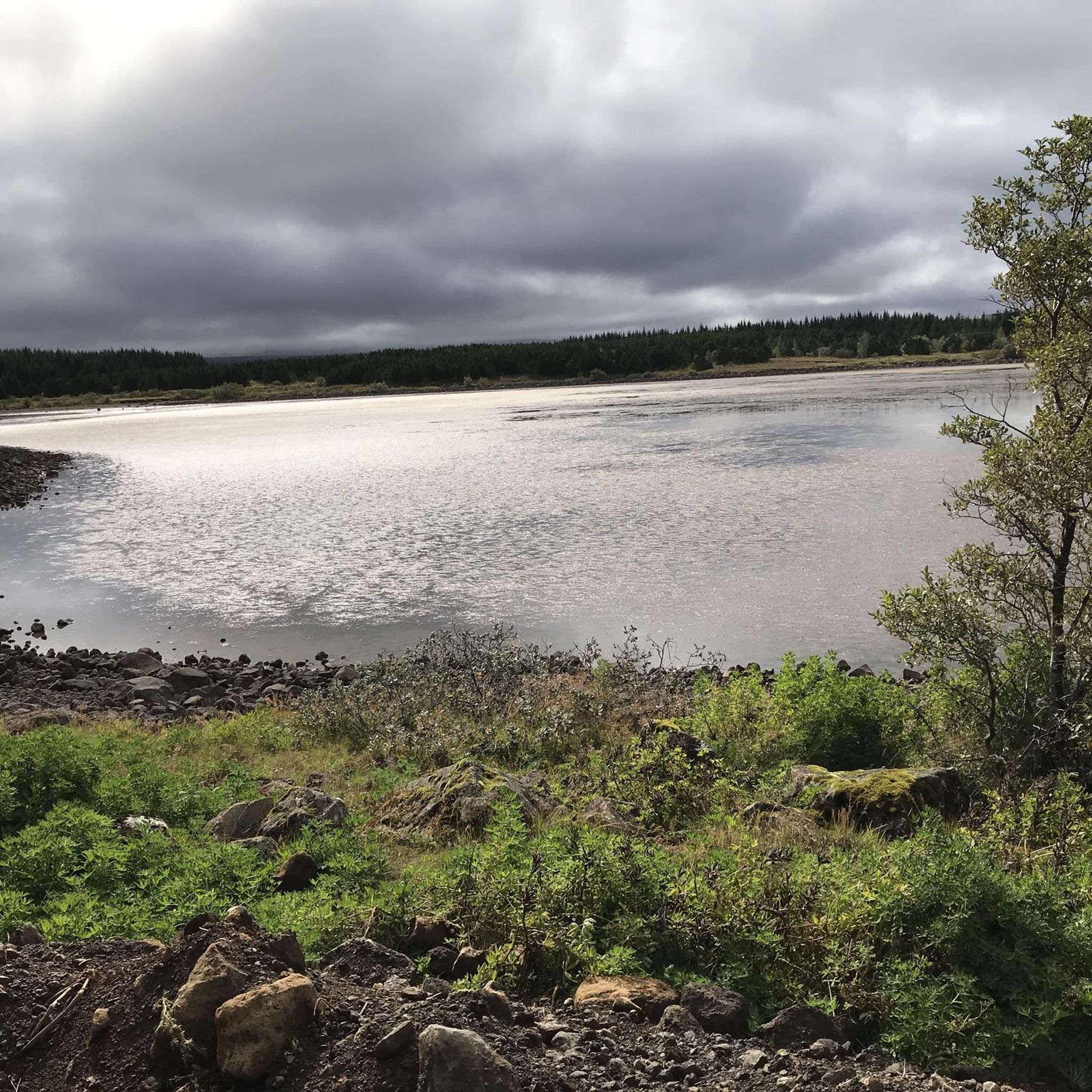
Due to the inflow of warm water from geothermal springs, the bathing temperature in the bay is comparatively pleasant.
1
0

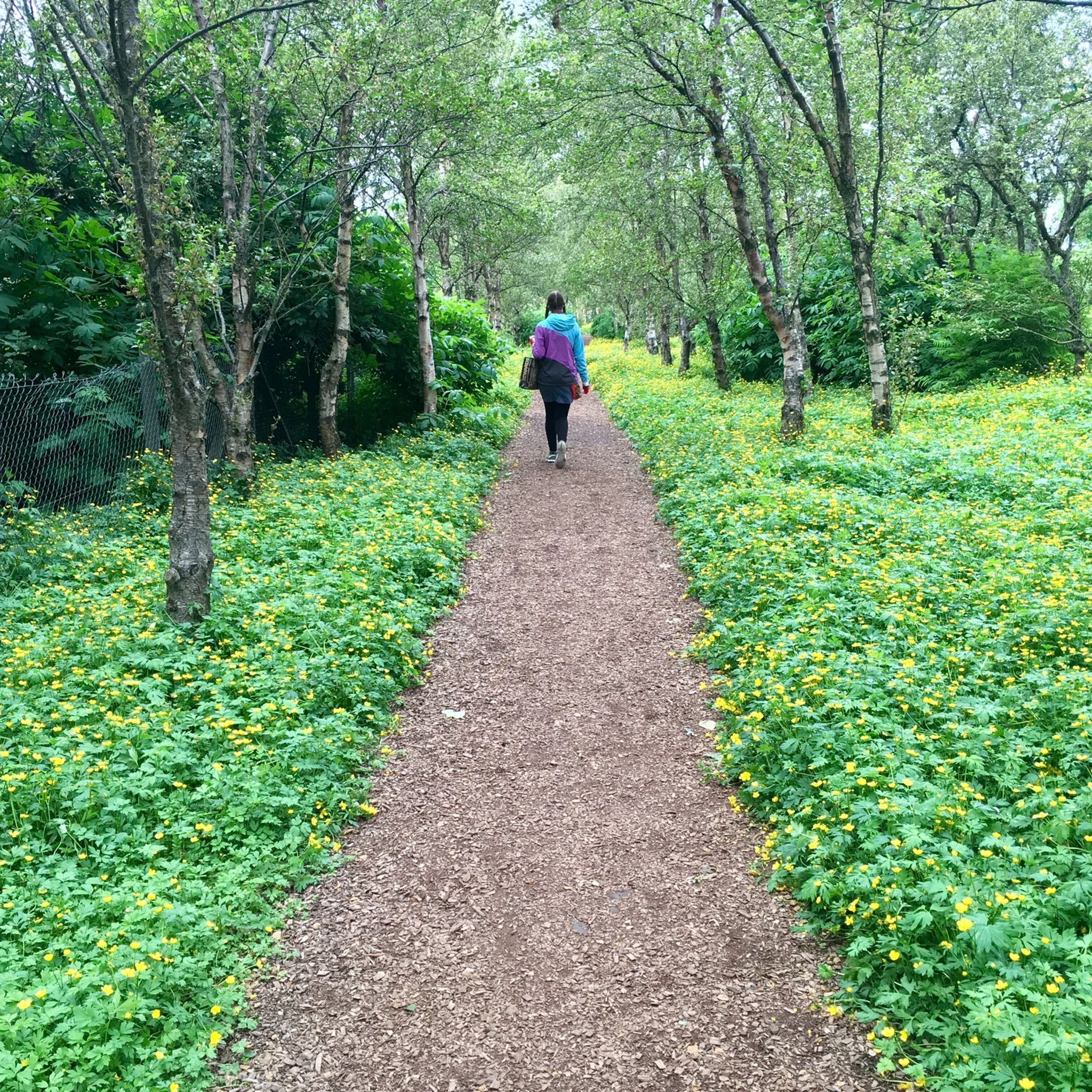
Beautiful park with a great café.
0
0

Álafoss is a waterfall on the Varmá River in Mosfellsbær in the capital region of Iceland. In 1896, a hydroelectric wool factory was named after this waterfall. Today, only a wool and knitwear shop remains here. Since April 2013,[1] the waterfall and its small 14,000 m² surrounding area have been protected. Downstream of the waterfall, a former swimming pool has been converted into the Sundlaugin (Icelandic: The Swimming Pool) recording studio, where the band Sigur Rós recorded, among other things, their album "( )", the fifth track of which is titled "Álafoss".
1
0
The National Museum of Iceland in Reykjavík In September 2004, after several years of renovations, the National Museum of Iceland in Reykjavík reopened. Under the heading "Making of a Nation," the permanent exhibition offers visitors a glimpse into Icelandic history. The museum is thematically divided into 200-year periods, with exhibits in each section grouped around a key object. The first section covers the period from 800 to 1000 AD. The most important topics in this section are the conquest and Christianization of Iceland. The establishment of the Christian faith and life during the Golden Age from 1000 to 1200 are the central themes of the second section. The next section, covering the period from 1200 to 1400, explores Norwegian rule in Iceland, as well as the medieval church and church art. Between 1400 and 1600, Danish rule and the Reformation played a central role. The impact of monopoly trade and natural disasters can be learned in the next section, which covers the period from 1600 to 1800. Each of the last two centuries is dedicated to a separate section. In the years from 1800 to 1900, economic development and increasing independence from Denmark are important themes, while the "20th Century" section depicts urbanization and the development of the Icelandic state into its present form. In addition to the permanent exhibition, the National Museum also houses spaces for temporary exhibitions, a café, and a museum shop. Photography and video recording are prohibited throughout the museum.
1
0

An old narrow-gauge locomotive used in the early 20th century to transport materials from the port during the construction of docks and dikes. Restored and displayed outdoors in the port area, it is a small testament to the city's industrial history and a nod to the era when the railway, albeit briefly, was present in Iceland.
0
0
A tour of Iceland's history from the Viking Age to the present day. Its exhibits include weapons, boats, jewelry, tools, and unique pieces such as a 13th-century church door. This is the ideal place to understand Icelandic culture, society, and identity in one place, just minutes from the city center.
0
0

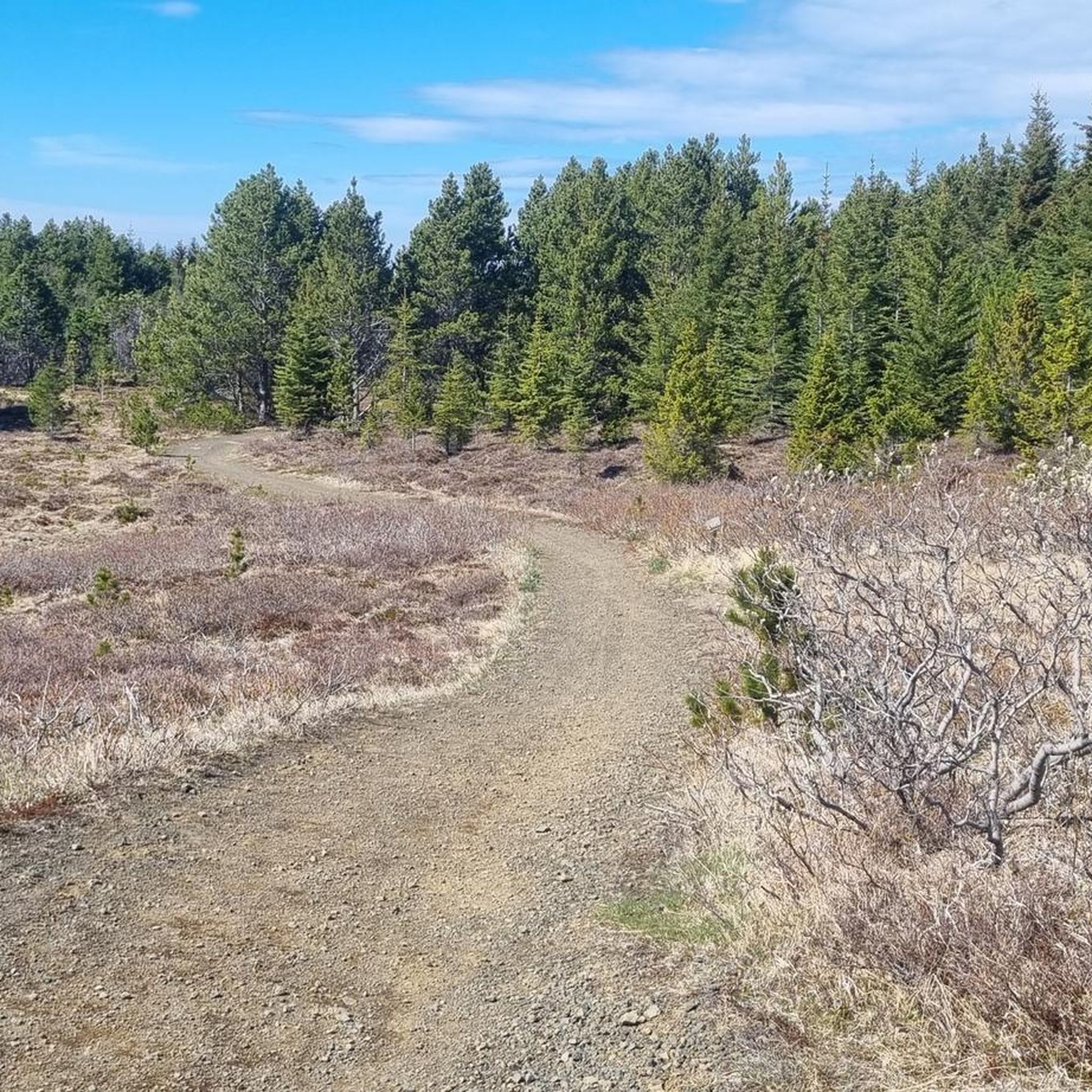
Excellent cycling path, allows gaining a lot of speed on the downhills.
0
0
Οι πιο δημοφιλείς διαδρομές στο Ρέικιαβικ
Τα πιο δημοφιλή αξιοθέατα στο Ρέικιαβικ

Εμπνεύσου με την εφαρμογή komoot για κινητά


Δεν βρήκες αυτό που ψάχνεις;
Δες περισσότερα Διαδρομές ποδηλασίας σε όλη την περιοχή Ρέικιαβικ παρακάτω και βρες την τέλεια διαδρομή στον προορισμό σου.
Ανακάλυψε περισσότερα
Περιηγήσου τα καλύτερα Διαδρομές ποδηλασίας σε άλλες περιοχές.
