Τα 20 καλύτερα φυσικά μνημεία Igel
Το τοπίο της περιοχής Igel είναι ένα υπέροχο μέρος για εξερεύνηση — κάτι που μπορείτε να βιώσετε καλύτερα επισκεπτόμενοι ένα από τα 20
πανέμορφα φυσικά μνημεία Igel. Για να βρείτε αυτό που σας ταιριάζει, δείτε όλες τις λεπτομέρειες που χρειάζεστε και σχεδιάστε καλύτερα την επόμενη υπαίθρια περιπέτειά σας!
Τελευταία ενημέρωση: 1 Σεπτεμβρίου 2026
Saarmündung (Confluence of the Saar and Moselle)
Highlight • Ποταμός
Μετάφραση από Google •
Συμβουλή από

View of the Confluence of the Sauer and Moselle in Wasserbillig
Highlight • Σημείο θέας
Μετάφραση από Google •
Συμβουλή από

Εγγράψου τώρα για να ανακαλύψεις μέρη σαν αυτό
Λάβε προτάσεις για τα καλύτερα single tracks, κορυφές και πολλά ακόμα συναρπαστικά υπαίθρια μέρη.
Old Arm of the Saar near Kanzem
Highlight • Ποταμός
Συμβουλή από
Sirzenicher Waterfall
Highlight • Καταρράκτης
Μετάφραση από Google •
Συμβουλή από

Fountain at Kornmarkt
Highlight • Μνημείο
It is located …
Μετάφραση από Google •
Συμβουλή από
Εγγράψου δωρεάν για να ανακαλύψεις ακόμα περισσότερα φυσικά μνημεία Igel.
Έχεις ήδη λογαριασμό;
Ξεκίνα σήμερα με έναν δωρεάν λογαριασμό
Η επόμενη περιπέτειά σου σε περιμένει.
Συμβουλές από την κοινότητα

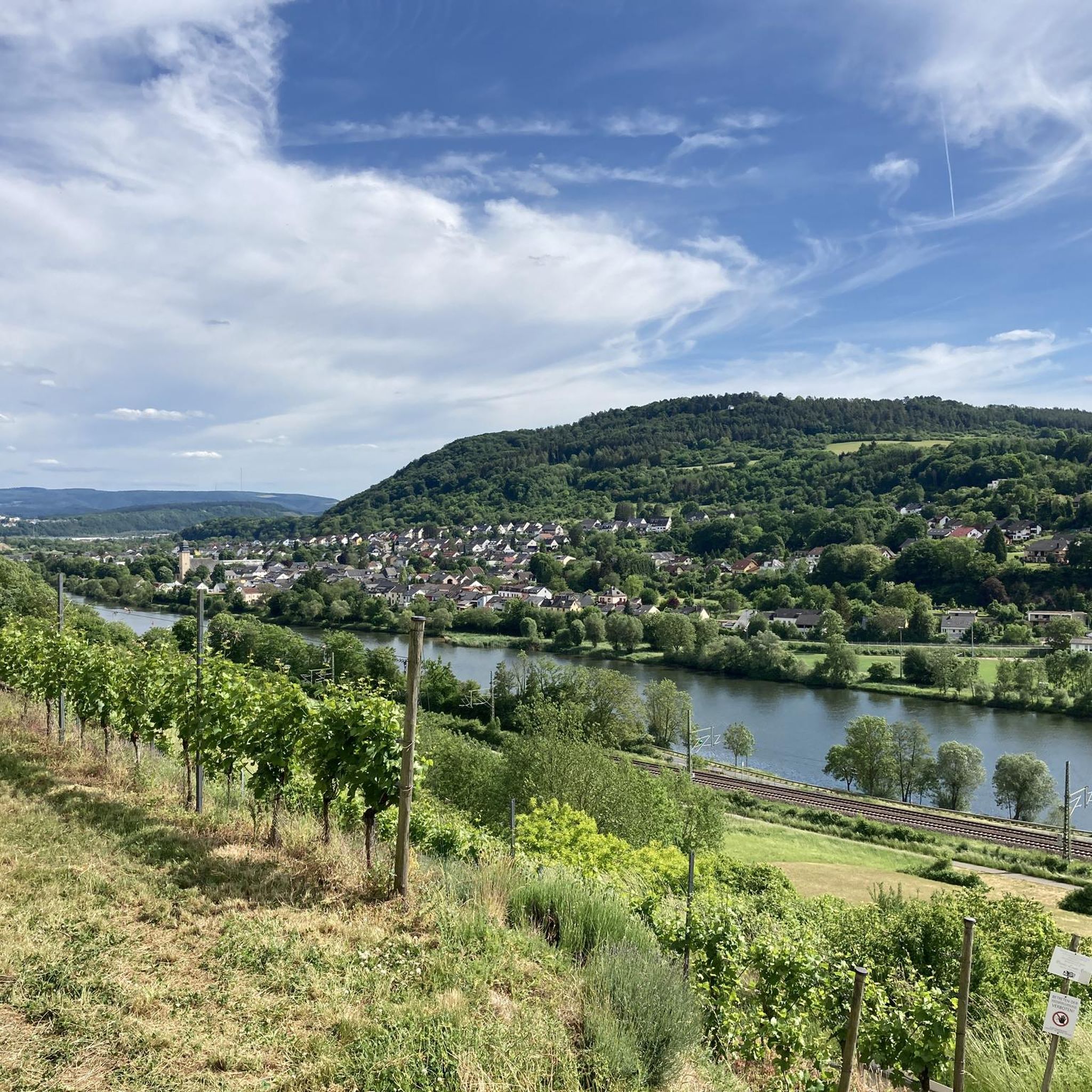
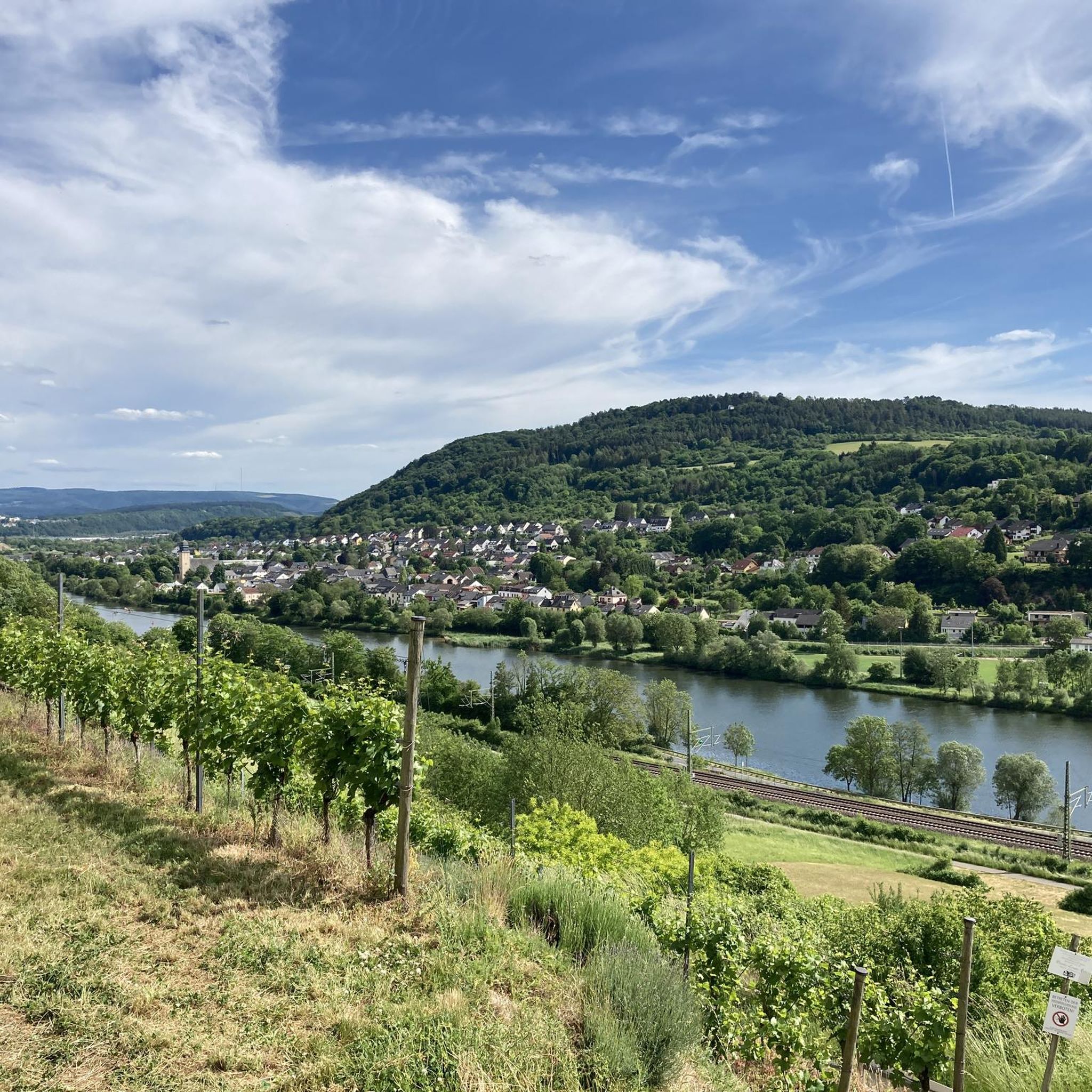
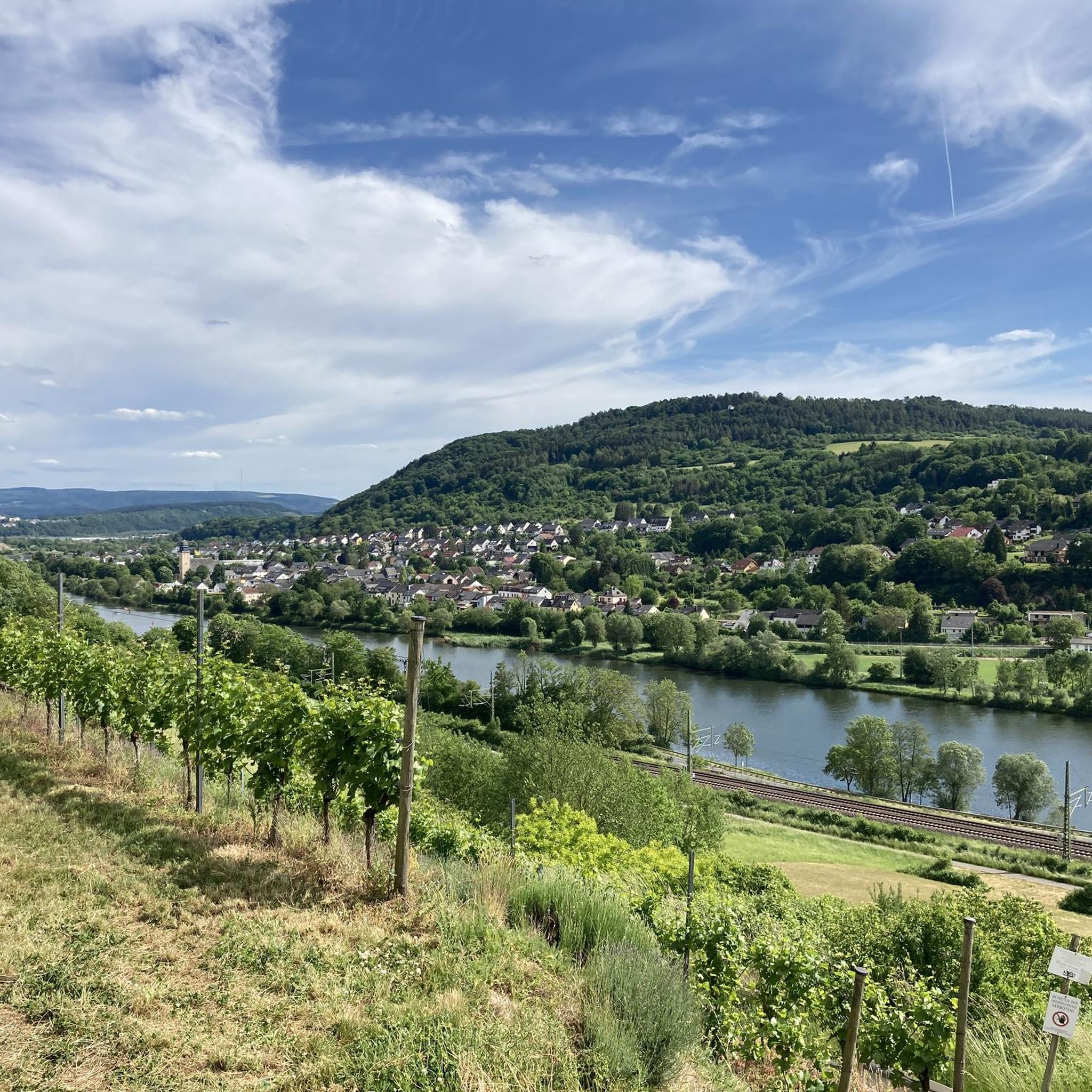
Impressive vineyards and a very beautiful course of the Saar.
2
0

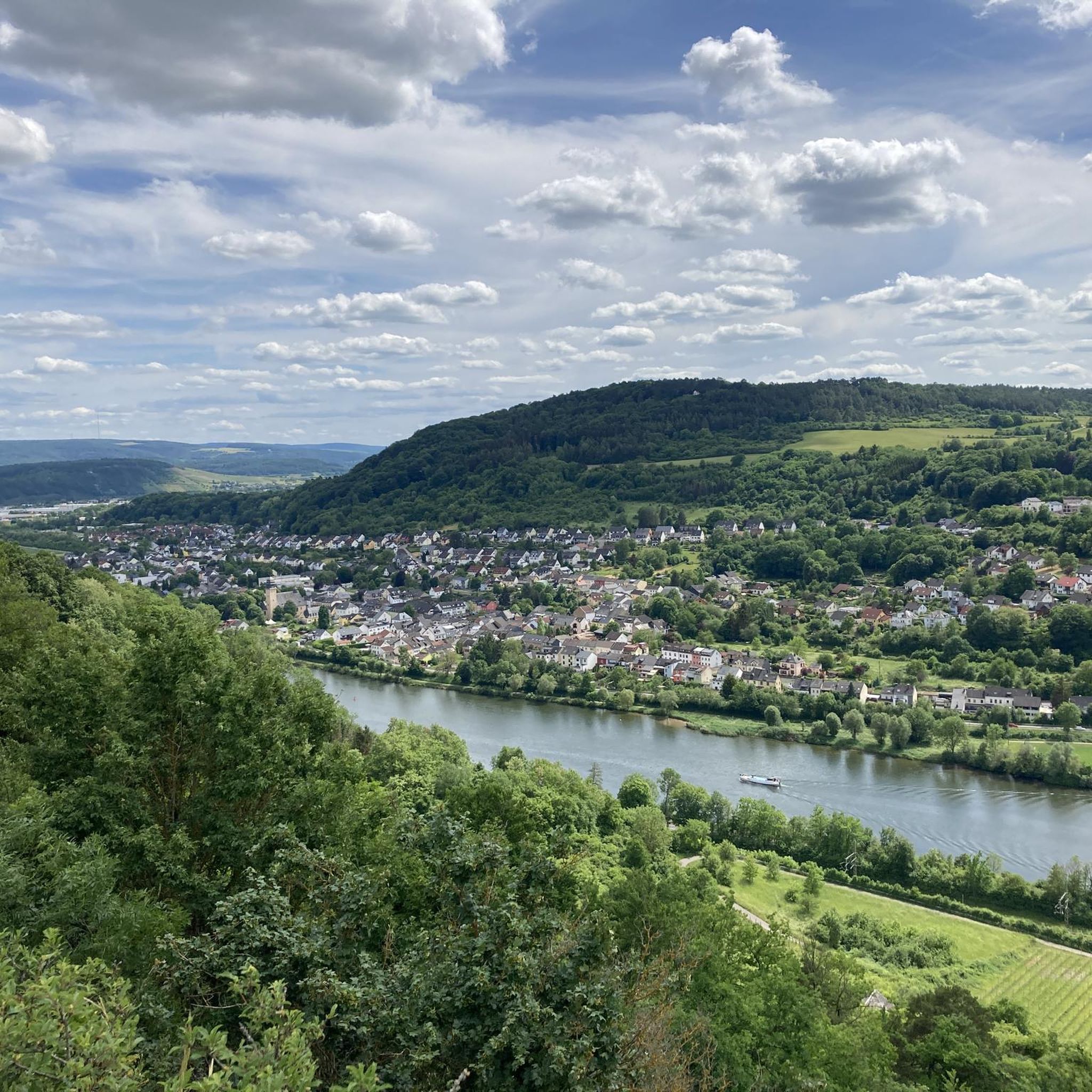
The Sauermündung is the place where the river Sauer flows into the Moselle. The Sauer is the largest left tributary of the Moselle and is approximately 170 km long. The river originates in the Belgian Ardennes and forms the border between Germany and Luxembourg for approximately 50 km between Wallendorf and Wasserbillig. In Wasserbillig the Sauer flows into the Moselle. The area around the Sauermündung is a popular destination for cyclists and nature lovers. There are many cycle paths and the area is rich in flora and fauna. There are also many birds to see, including swans and storks.
9
0
"The Sauermündung is the place where the river Sauer flows into the Moselle. The Sauer is the largest left tributary of the Moselle and is approximately 170 km long. The river originates in the Belgian Ardennes and is approximately 50 km long between Wallendorf and Wasserbillig the border between Germany and Luxembourg. In Wasserbillig the Sauer flows into the Moselle. The area around the Sauermündung is a popular destination for cyclists and nature lovers. There are many cycle paths and the area is rich in flora and fauna. There are also many birds to see, including swans and storks."
12
0

The St. George's Fountain on the Kornmarkt is conspicuously visible - no one can miss it here. The fountain was built by the city in 1750 in honor of Archbishop Franz Georg von Schönborn. The fountain was designed by Johannes Seiz, a student of Balthasar Neumann. The sculptural work comes from Amlinger. Surrounded by the allegorical figures of the four seasons, the fountain column in the shape of an obelisk rises in the wide basin. On his platform, St. George finally the dragon. The other dragons at the base, on the other hand, are condemned to spew water. The fountain is almost eleven meters high in total, the dragon slayer George alone measures almost two meters. (https://www.brunnenturmfigur.de/index.php?cat=Brunnen%20und%20Wasserspiele%2Fin%20Deutschland&page=Trier)
11
0

A great bike path runs along the Sauer. Wasserbillig is quite nice for shopping
13
0
Brilliant bike path on the Saar, Saarburg is well worth seeing!
3
0

The Saint George Fountain (Georgsbrunnen for short) is a fountain in the Mitte/Gartenfeld district of Trier. It is considered one of the most beautiful rococo fountains in Germany. It is located on the Kornmarkt in the old town. The Sankt Georgsbrunnen was built between 1750 and 1751 according to plans by the court architect Johannes Seiz, the builder of the Electoral Palace, in honor of the sovereign Elector Franz Georg von Schönborn with depictions of the seasons and Saint George. Like the Petrusbrunnen on the main market, it was fed by the Heiligkreuzer Daufborn, known today as the Herrenbrünnchen, until the 19th century. The top of the fountain is about eleven meters high. The numerous, now empty cartouches at the fountain probably originally bore the painted coat of arms of the Trier councillors. In order to avoid contamination of the water, the fountain was surrounded by an iron grating, which was removed in the early 20th century. When it was erected, the fountain stood further east on the square, in front of the old town hall, which was destroyed in World War II. Like this, the fountain was also badly damaged by air raids, so that the restoration after the war was very expensive and large parts of the fountain had to be reconstructed. On this occasion, the fountain was moved to its current location. It was last restored as part of the renovation of the Kornmarkt in 2003, and a move back to the original location was also considered. For financial reasons and because the buildings around the old site had been modernized after the Second World War, which did not necessarily improve the effect of the fountain, the plan was ultimately abandoned. Source: Wikipedia.de
12
0

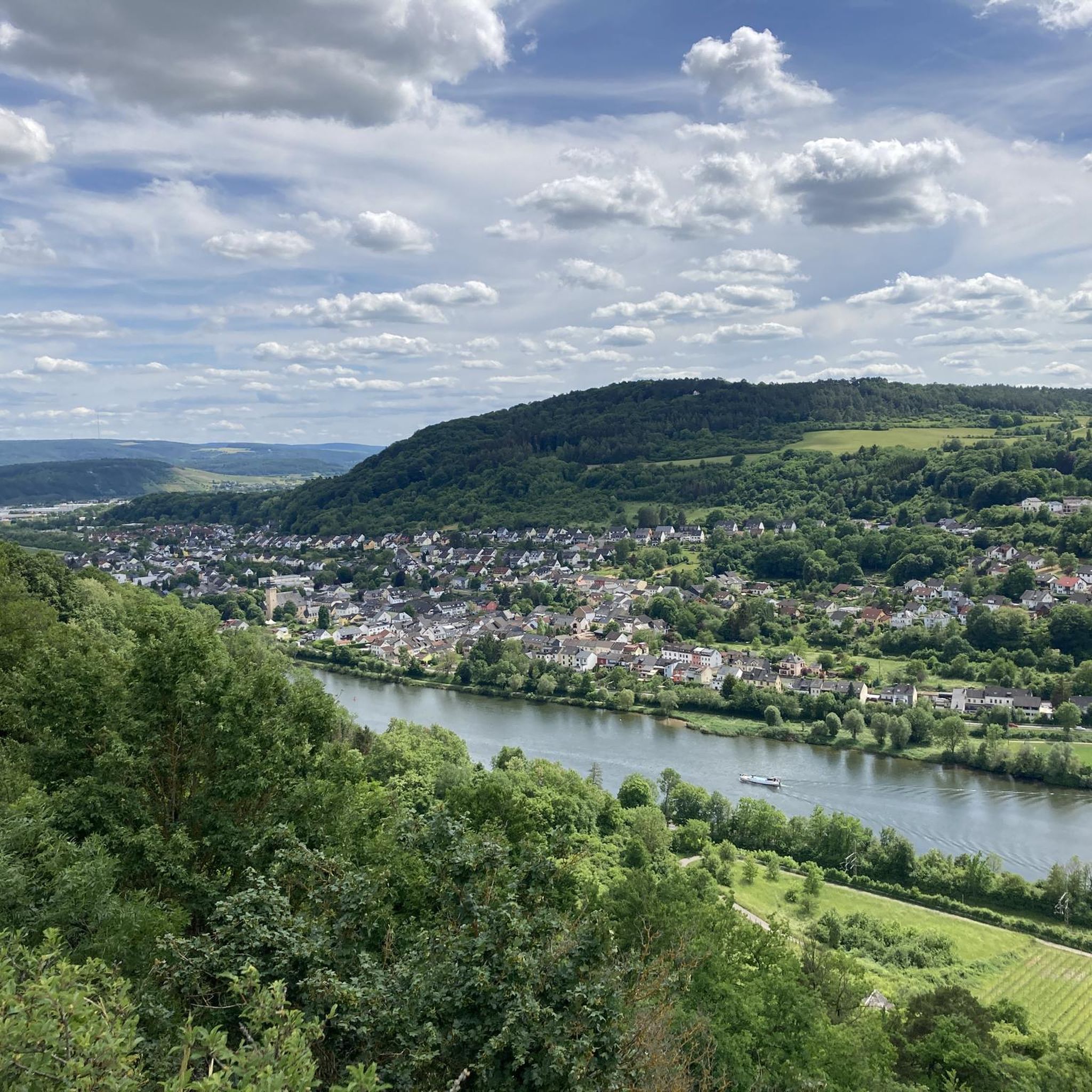
Two border rivers (Germany, Luxembourg) meet here, the Sauer and the Moselle.
9
0
Τα πιο δημοφιλή αξιοθέατα Igel

Εμπνεύσου με την εφαρμογή komoot για κινητά


Ανακάλυψε περισσότερα
Επέκτεινε την αναζήτησή σου για τις καλύτερες σπηλιές βλέποντας αυτούς τους οδηγούς με τα κορυφαία Igel:
