Τα 20 καλύτερα φυσικά μνημεία Eimsheim
Το τοπίο της περιοχής Eimsheim είναι ένα υπέροχο μέρος για εξερεύνηση — κάτι που μπορείτε να βιώσετε καλύτερα επισκεπτόμενοι ένα από τα 20
πανέμορφα φυσικά μνημεία Eimsheim. Για να βρείτε αυτό που σας ταιριάζει, δείτε όλες τις λεπτομέρειες που χρειάζεστε και σχεδιάστε καλύτερα την επόμενη υπαίθρια περιπέτειά σας!
Τελευταία ενημέρωση: 14 Σεπτεμβρίου 2026
Landskron Castle Ruins
Highlight • Κάστρο
Εμφάνιση μετάφρασης
Συμβουλή από

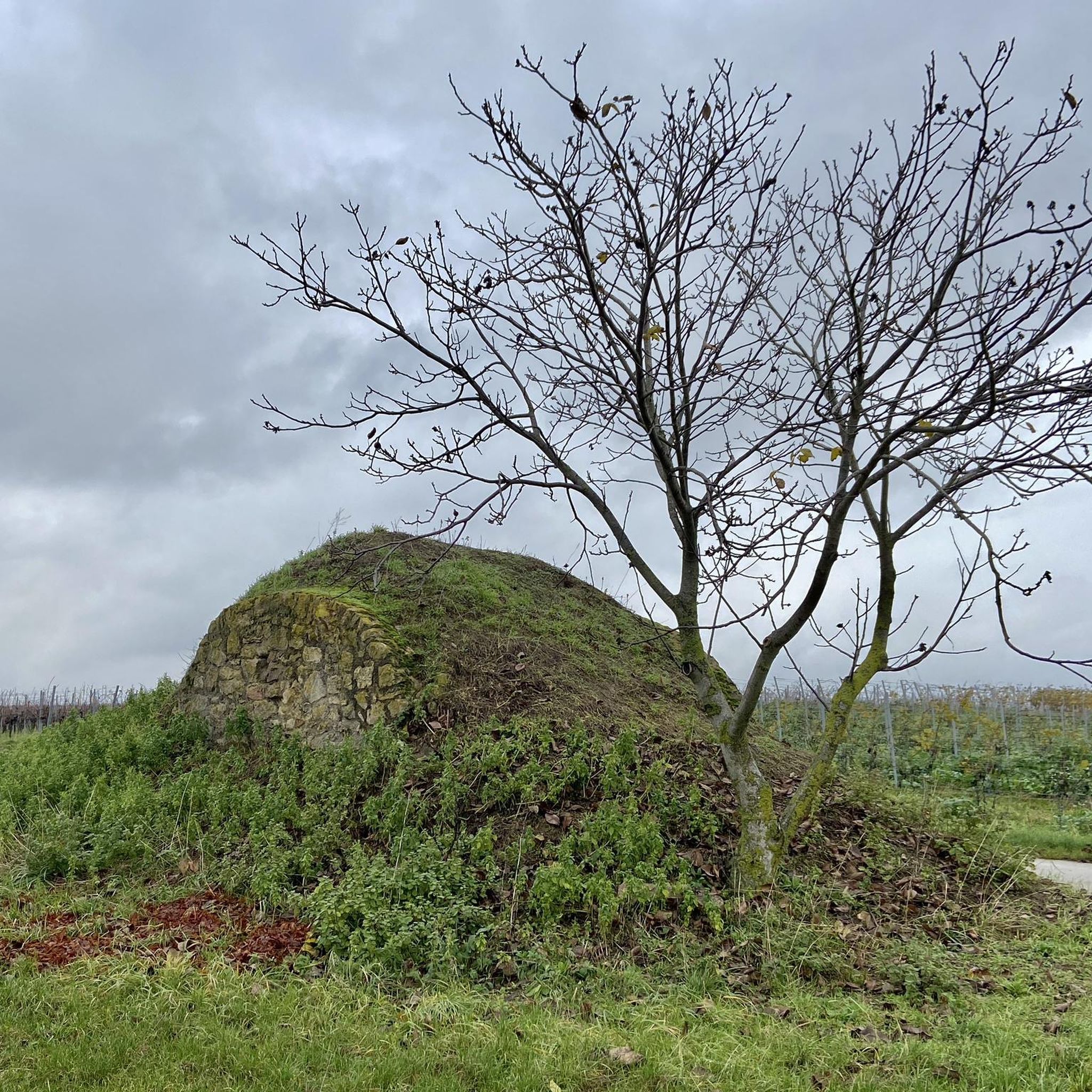
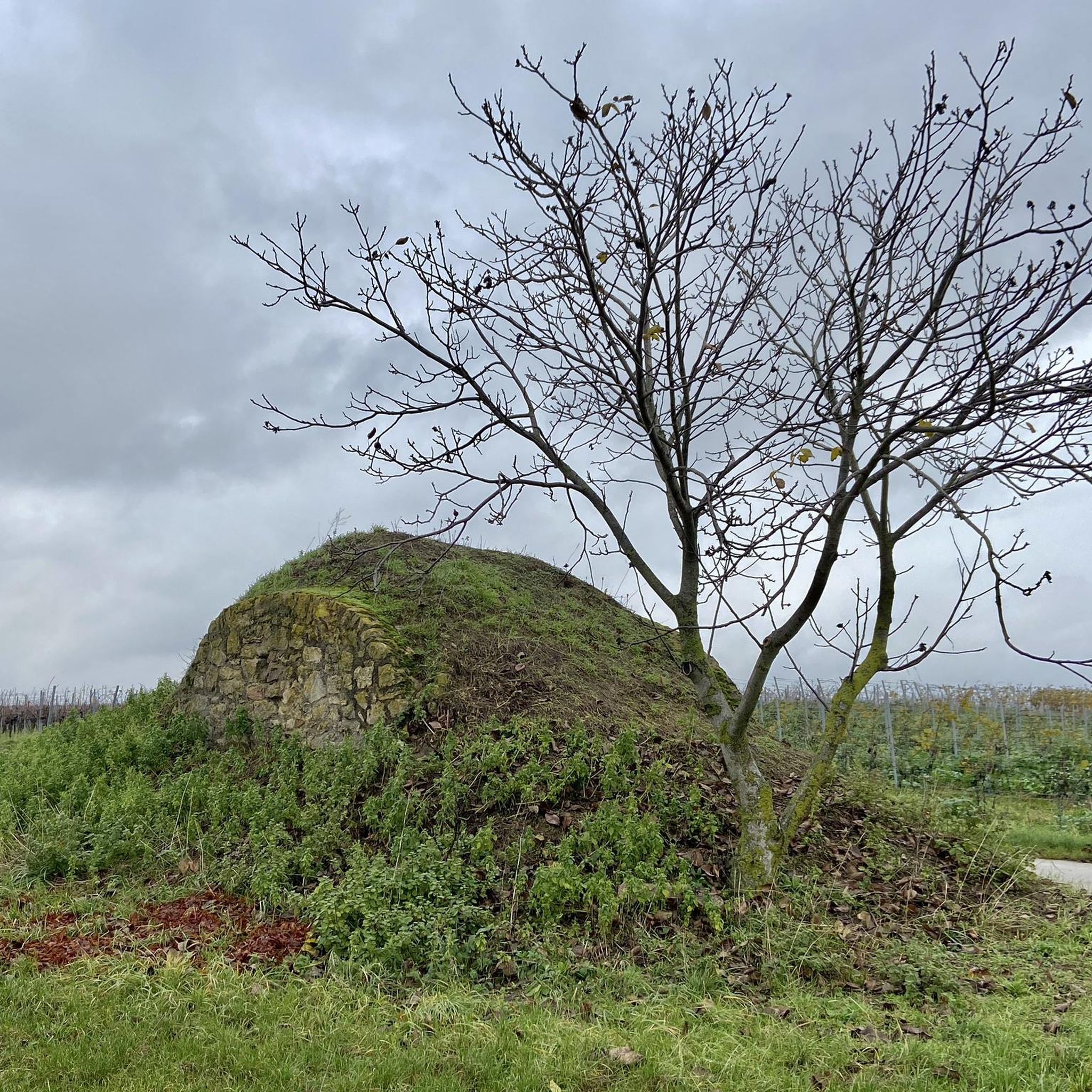
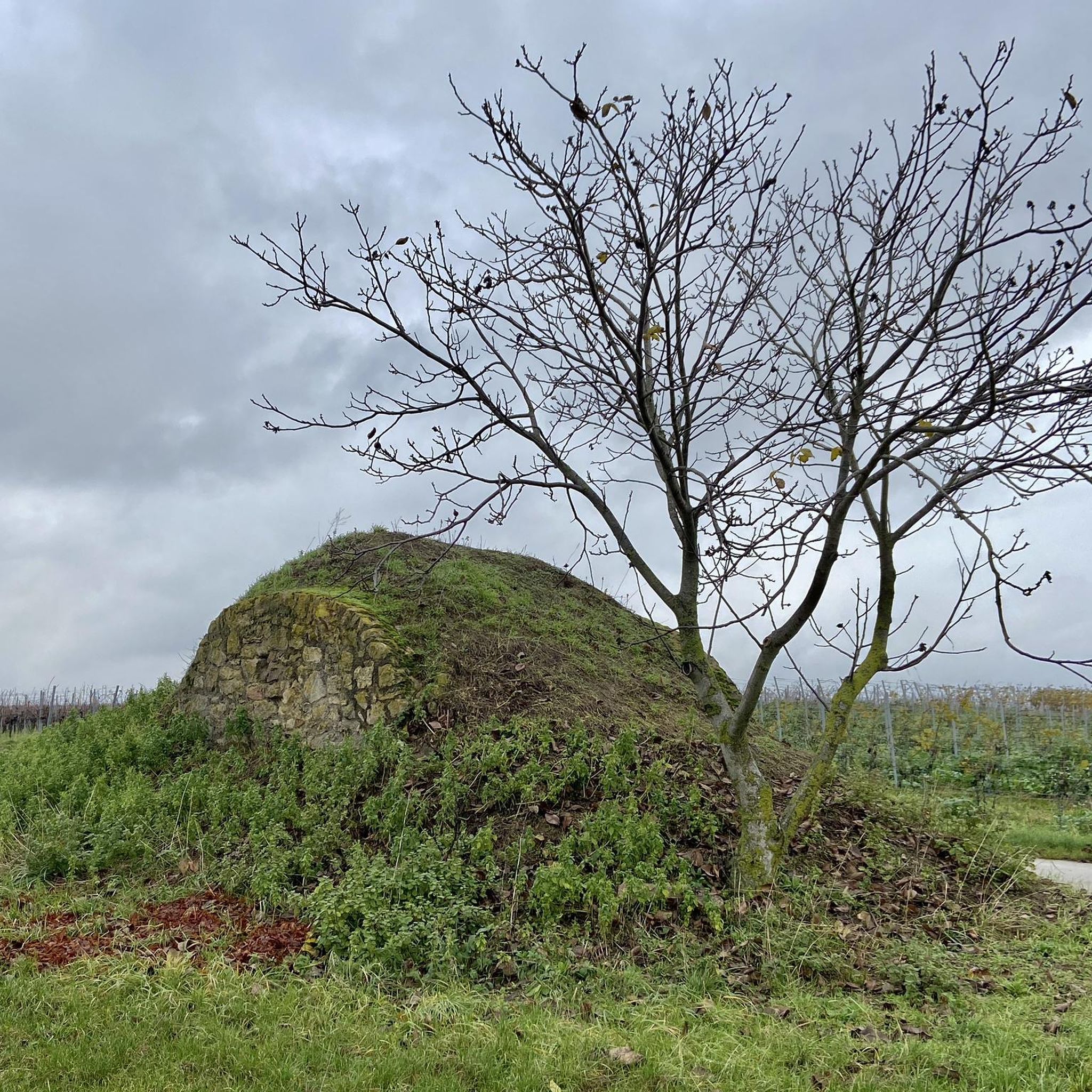
Oppenheimer Krötenbrunnen
Highlight • Μνημείο
The Oppenheim Toad …
Μετάφραση από Google •
Συμβουλή από

Εγγράψου τώρα για να ανακαλύψεις μέρη σαν αυτό
Λάβε προτάσεις για τα καλύτερα single tracks, κορυφές και πολλά ακόμα συναρπαστικά υπαίθρια μέρη.
Rheindurchstich am Geyer
Highlight • Ποταμός
Μετάφραση από Google •
Συμβουλή από

Restored Selz River Near Schafhausen
Highlight • Ποταμός
Μετάφραση από Google •
Συμβουλή από

Schwedensäule (Swedish Column) Kühkopf-Knoblochsaue
Highlight • Μνημείο
We are standing on historical ground: a military masterpiece for the time.
Last but not least, the course of the Rhine has also …
Μετάφραση από Google •
Συμβουλή από

Εγγράψου δωρεάν για να ανακαλύψεις ακόμα περισσότερα φυσικά μνημεία Eimsheim.
Έχεις ήδη λογαριασμό;
Ξεκίνα σήμερα με έναν δωρεάν λογαριασμό
Η επόμενη περιπέτειά σου σε περιμένει.

Συμβουλές από την κοινότητα

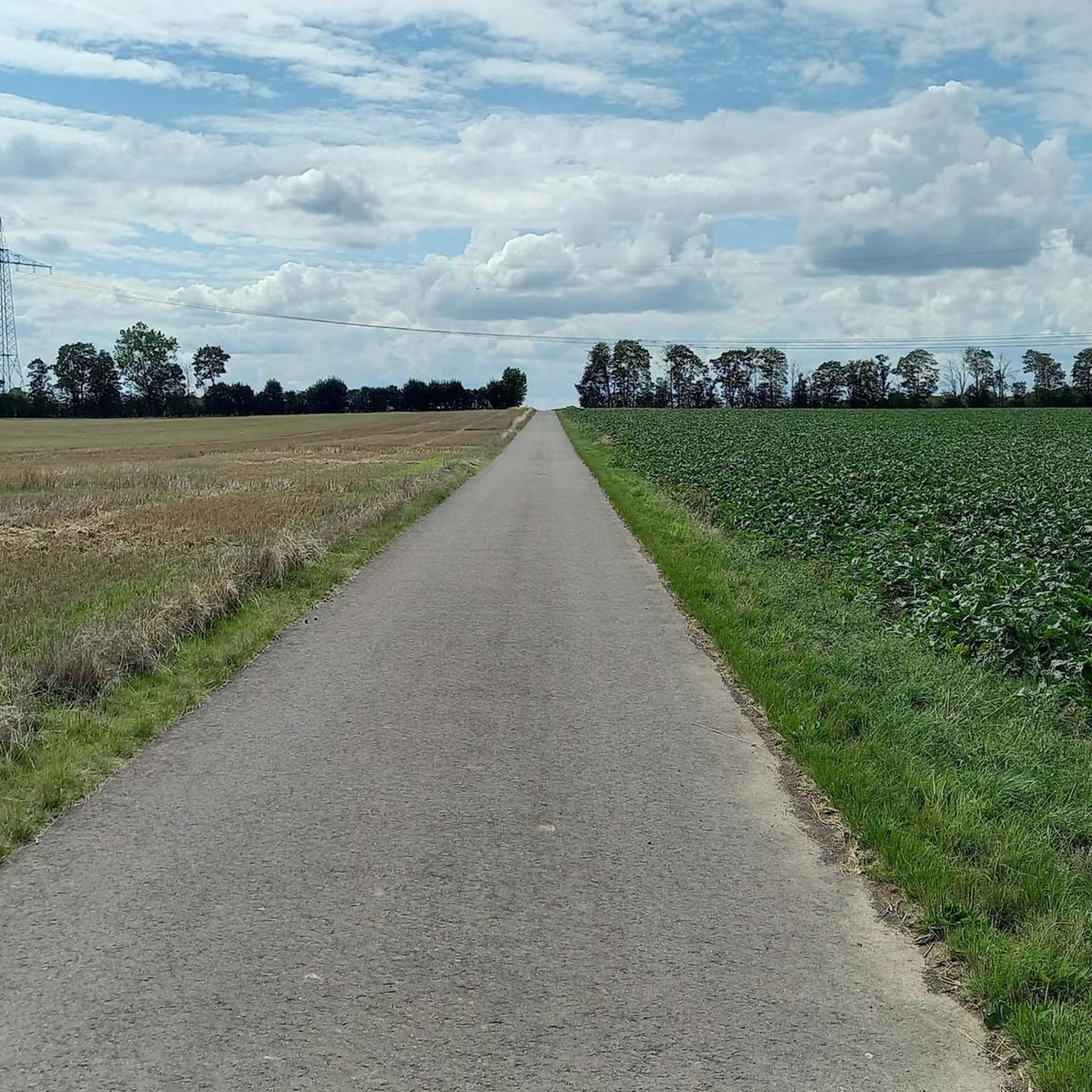
όμορφο φυσικό τοπίο ;-)
0
0

The renaturalized Selz River near Schafhausen is a prime example of successful nature conservation in Rheinhessen. This section of the Selz River south of Alzey-Schafhausen has undergone extensive ecological enhancement in recent years – and you'll notice this immediately when you walk along it.
1
0

Really wonderful renaturation. There are lots of places to sit and watch waterfowl.
1
0

The Swedish Column is a monument in the Kühkopf-Knoblochsaue nature reserve in Hesse. It commemorates the crossing of the Rhine by the Swedish King Gustav Adolf and his troops during the Thirty Years' War at Hahnensand near Erfelden on December 21, 1631. The twelve-meter-high column was erected in 1632 on the orders of Gustav Adolf by the fortress builder Matthäus Staud. Ludwig Bechstein describes it in his German Book of Legends, published in 1853, as "a tall column resting on four balls that support the pedestal, in the shape of an obelisk. On top it bore the seated Swedish heraldic lion with a helmeted and crowned head, holding a sword and orb in its front paws." This is how the column still appears today. The lion is looking in the direction in which the crossing took place, the battlefield and the Swedish cemetery. However, the Swedish Column is no longer in its original location. It was built in the 18th century due to the threat of erosion
11
0
The Swedish Column is a monument in the Kühkopf-Knoblochsaue nature reserve in Hesse. It commemorates the crossing of the Rhine by the Swedish King Gustav Adolf and his troops during the Thirty Years' War at Hahnensand near Erfelden on December 21, 1631. The twelve-meter-high column was erected in 1632 on the orders of Gustav Adolf by the fortress builder Matthäus Staud. Ludwig Bechstein describes it in his German Book of Legends, published in 1853, as "a tall column resting on four balls that support the pedestal, in the shape of an obelisk. On top it bore the seated Swedish heraldic lion with a helmeted and crowned head, holding a sword and orb in its front paws." This is how the column still appears today. The lion is looking in the direction in which the crossing took place, the battlefield and the Swedish cemetery. However, the Swedish Column is no longer in its original location. It was moved inland in the 18th century because of the threat of erosion. Bechstein also reports that the Swedish king and four companions sailed down the Rhine in a small boat and spotted Spanish units entrenched near Oppenheim on the left bank of the Rhine. In any case, the Spaniards had taken up positions on the Kühkopf peninsula, which was then on the left bank of the Rhine, to protect Oppenheim as a military outpost. In order to cross the river with his troops from the right bank of the Rhine, Gustav Adolf had the barn doors of the local farmers pried open and mounted on the few boats available. In this way, his troops, several thousand infantry men, as well as cavalry and artillery of unknown strength, crossed to the other bank. The crossing of the Rhine, which was then around 300 m wide, took place in two places. The Swedes managed to take Oppenheim by storm. This crossing of the Rhine is considered one of the outstanding military achievements of the Thirty Years' War. One immediate consequence was that Mainz fell into the hands of the Swedes. For this reason, another monument was erected. After the Second World War, when people were considering what motif the new windows of the Protestant church in Stockstadt am Rhein should have (the old windows were destroyed in a bombing raid), one of the motifs chosen was Gustav II Adolf, because he was welcomed in Stockstadt as a liberator and savior.
12
1

Beautiful view from the Toad Fountain over the vines to Oppenheim.
4
0
Εδώ υπάρχουν πληροφορίες για το κάστρο Landskron: https://de.m.wikipedia.org/wiki/Burg_Landskron_(Oppenheim)
7
0
Ιστορία Πριν από την κατασκευή του Κάστρου Λάντσκρον, πιθανότατα υπήρχε στο ίδιο σημείο μια σαλήσια ή σταουφική οχύρωση, που αναφέρεται το 1118 ως "praesidium" και ανήκε στον Βασιλιά Ερρίκο Ε΄, η οποία καταστράφηκε από στρατεύματα του Αρχιεπισκόπου του Μάιντς, Ανταλμπέρτο. Το ίδιο το κάστρο πιθανότατα χτίστηκε στις αρχές του 13ου αιώνα. Η παλαιότερη σωζόμενη γραπτή αναφορά του "Αυτοκρατορικού Κάστρου του Όπενχαϊμ" χρονολογείται από το 1244. Αυτό το κάστρο καταστράφηκε το 1257 και το 1275 από τους πολίτες του Όπενχαϊμ σε μια διαμάχη με τους φεουδάρχες για τα προνόμιά τους. Ο Ροδόλφος των Αψβούργων, ωστόσο, ανάγκασε τους πολίτες να ξαναχτίσουν το κάστρο μέχρι το 1281. Το 1375, ο Αυτοκράτορας Κάρολος Δ΄ ενεχύασε το κάστρο στον Ρούπρεχτ του Παλατινάτου. Ο Ρούπρεχτ, αναλόγως, επέκτεινε το κάστρο. Μετά από αυτόν, ο εγγονός του Ρούπρεχτ Γ΄ τον διαδέχθηκε ως ιδιοκτήτης του κάστρου, όπου και πέθανε. Ο Εκλέκτορας Φρειδερίκος Ε΄ ανέθεσε μια ανακαίνιση του κάστρου σε στυλ παλατιού το 1615. Το παλάτι κάηκε κατά τη διάρκεια του Τριακονταετούς Πολέμου, κατά την πυρκαγιά της πόλης του Όπενχαϊμ
8
0
Οι πιο δημοφιλείς διαδρομές Eimsheim
Τα πιο δημοφιλή αξιοθέατα Eimsheim

Εμπνεύσου με την εφαρμογή komoot για κινητά


Ανακάλυψε περισσότερα
Επέκτεινε την αναζήτησή σου για τις καλύτερες σπηλιές βλέποντας αυτούς τους οδηγούς με τα κορυφαία Eimsheim:
