Τα 20 καλύτερα φυσικά μνημεία Geiselbach
Το τοπίο της περιοχής Geiselbach είναι ένα υπέροχο μέρος για εξερεύνηση — κάτι που μπορείτε να βιώσετε καλύτερα επισκεπτόμενοι ένα από τα 20
πανέμορφα φυσικά μνημεία Geiselbach. Για να βρείτε αυτό που σας ταιριάζει, δείτε όλες τις λεπτομέρειες που χρειάζεστε και σχεδιάστε καλύτερα την επόμενη υπαίθρια περιπέτειά σας!
Τελευταία ενημέρωση: 11 Οκτωβρίου 2026
Ludwigsturm (Hahnenkamm)
Highlight • Σημείο θέας
Μετάφραση από Google •
Συμβουλή από

Rückersbach Gorge
Highlight (Segment) • Φαράγγι
Μετάφραση από Google •
Συμβουλή από

Εγγράψου τώρα για να ανακαλύψεις μέρη σαν αυτό
Λάβε προτάσεις για τα καλύτερα single tracks, κορυφές και πολλά ακόμα συναρπαστικά υπαίθρια μέρη.
Kinzig Floodplains
Highlight • Ποταμός
Μετάφραση από Google •
Συμβουλή από

Barbarossaquelle
Highlight • Φυσικό μνημείο
Μετάφραση από Google •
Συμβουλή από

Hexenkopf Rock
Highlight • Φυσικό μνημείο
Μετάφραση από Google •
Συμβουλή από

Εγγράψου δωρεάν για να ανακαλύψεις ακόμα περισσότερα φυσικά μνημεία Geiselbach.
Έχεις ήδη λογαριασμό;
Ξεκίνα σήμερα με έναν δωρεάν λογαριασμό
Η επόμενη περιπέτειά σου σε περιμένει.
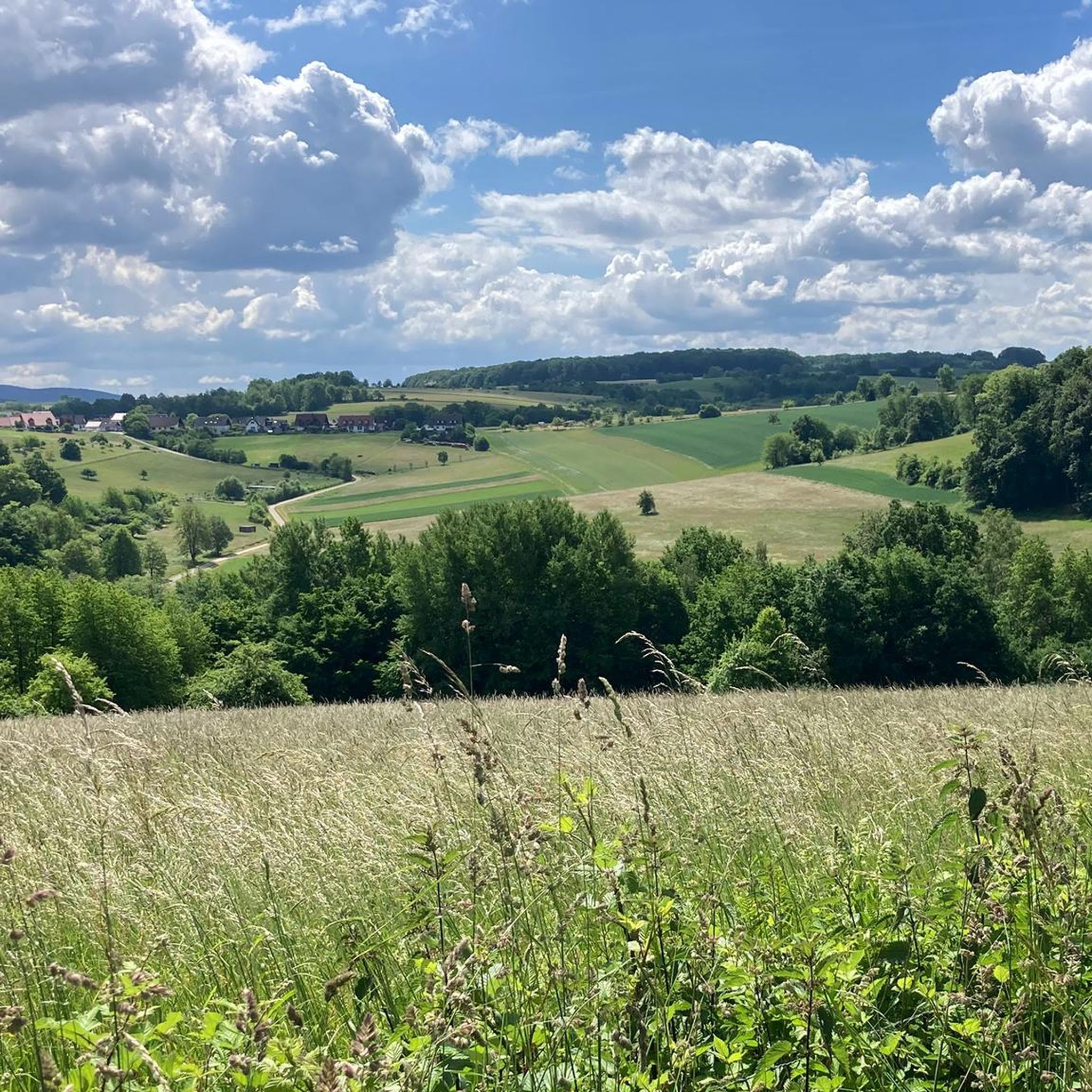
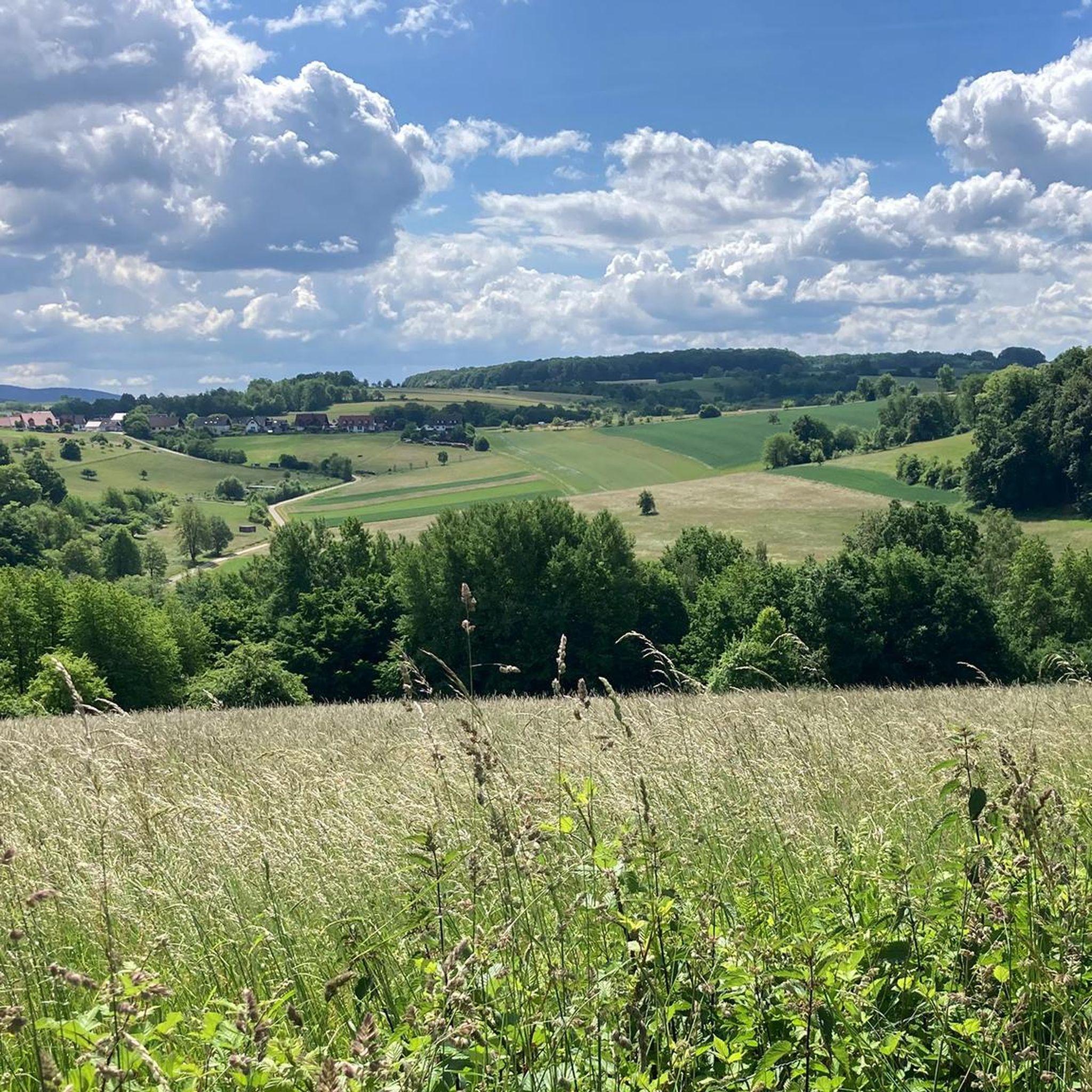
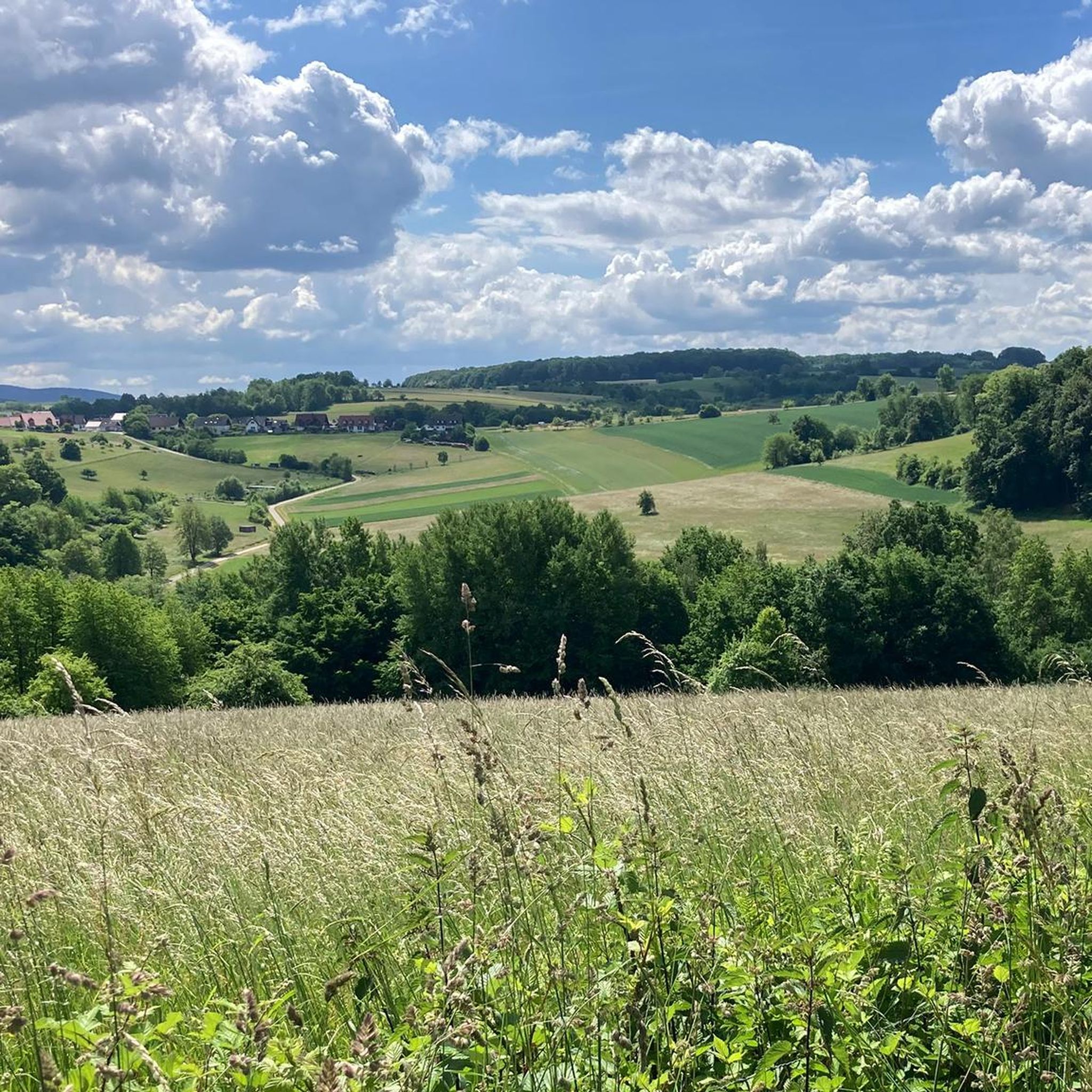
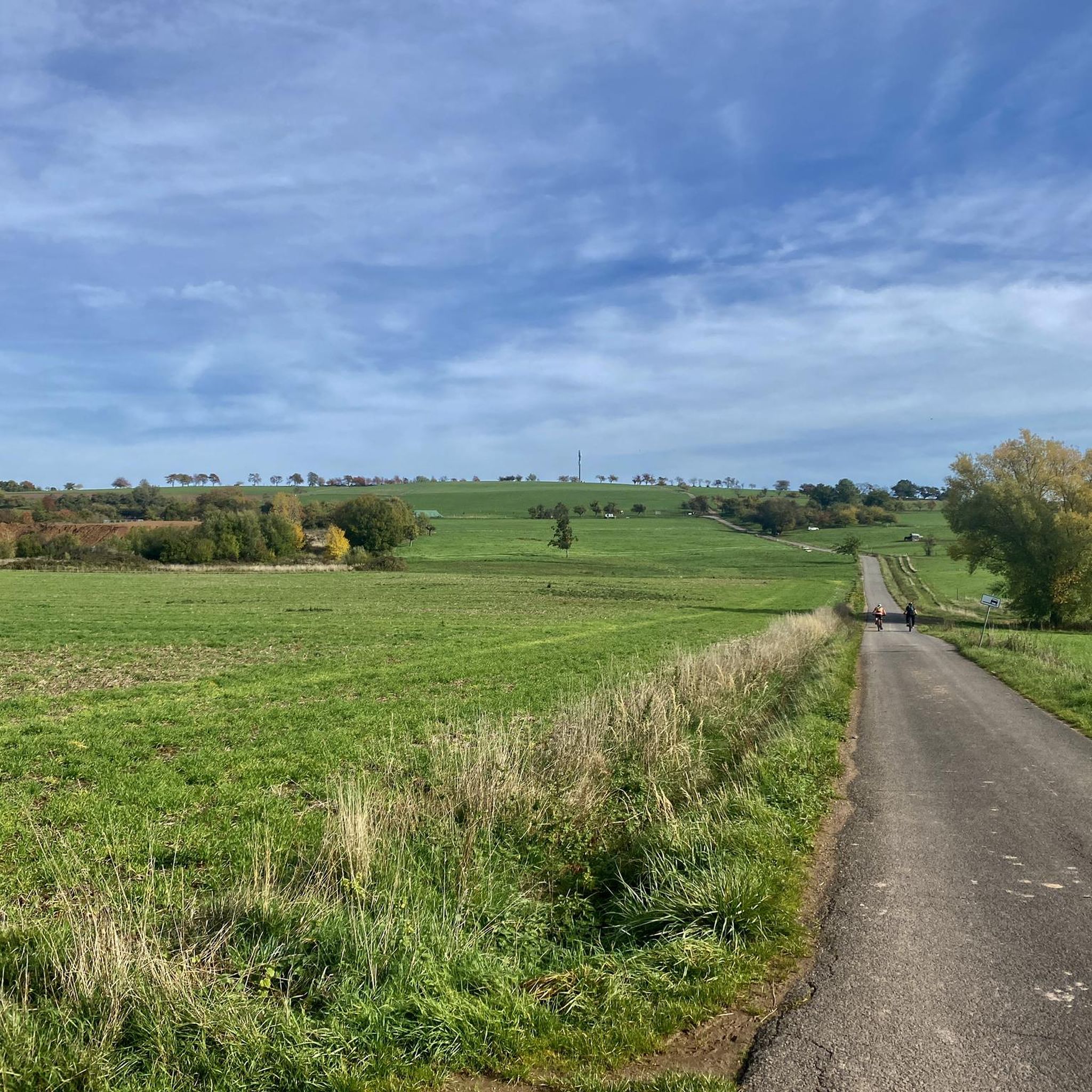
Συμβουλές από την κοινότητα

Υπέροχη θάλασσα από βράχους κοντά στο Kleinostheim
1
0

Σας προσκαλεί ακόμη και για μπάνιο τις ζεστές μέρες ;)
1
0

The Kinzig is a river approximately 86 kilometers long. It rises in Sterbfritz, flows southwest through the Main-Kinzig district of Hesse, and flows into the Main from the right in Hanau. The Kinzig is a second-order river in low mountain ranges. It overcomes an elevation of 301 meters and has a bed gradient of 3.5 per thousand. The Kinzig's catchment area covers 1,058 square kilometers, and the calculated mean discharge (MQ) at the mouth of the Kinzig is 10.97 cubic meters per second. The Kinzig was first documented in 796 as "iuxta fluvium Kincihen." In 815, the name was written as "Chinzicha," around 900 as "Kincicha"/"Kinzicham," in 1364 as "Kinzige," in 1584 as "Kintzig," in 1607 as "Bintz," in 1681 as "Kintz," in 1716 as "Kins," in 1769 as "Kinzing," and in 1802 as "Kinzig." In the river's headwaters, there was the now-defunct village of Kinzig, mentioned in 815 as "Chirizichheimero." The village and river were often confused by monastery scribes at that time with "Chizzicha" (now Bad Kissingen), both of which were described as being located in the Saalegau. The name presumably derives from the ancient Celtic *ku̯anti̯o- meaning "flat hill, valley." The name was therefore derived from the mountainous region from which the Kinzig flows. Source: Wikipedia
2
0

It's certainly an impressive rock formation. However, it takes a bit of imagination to recognize the "Witch's Head."
2
0
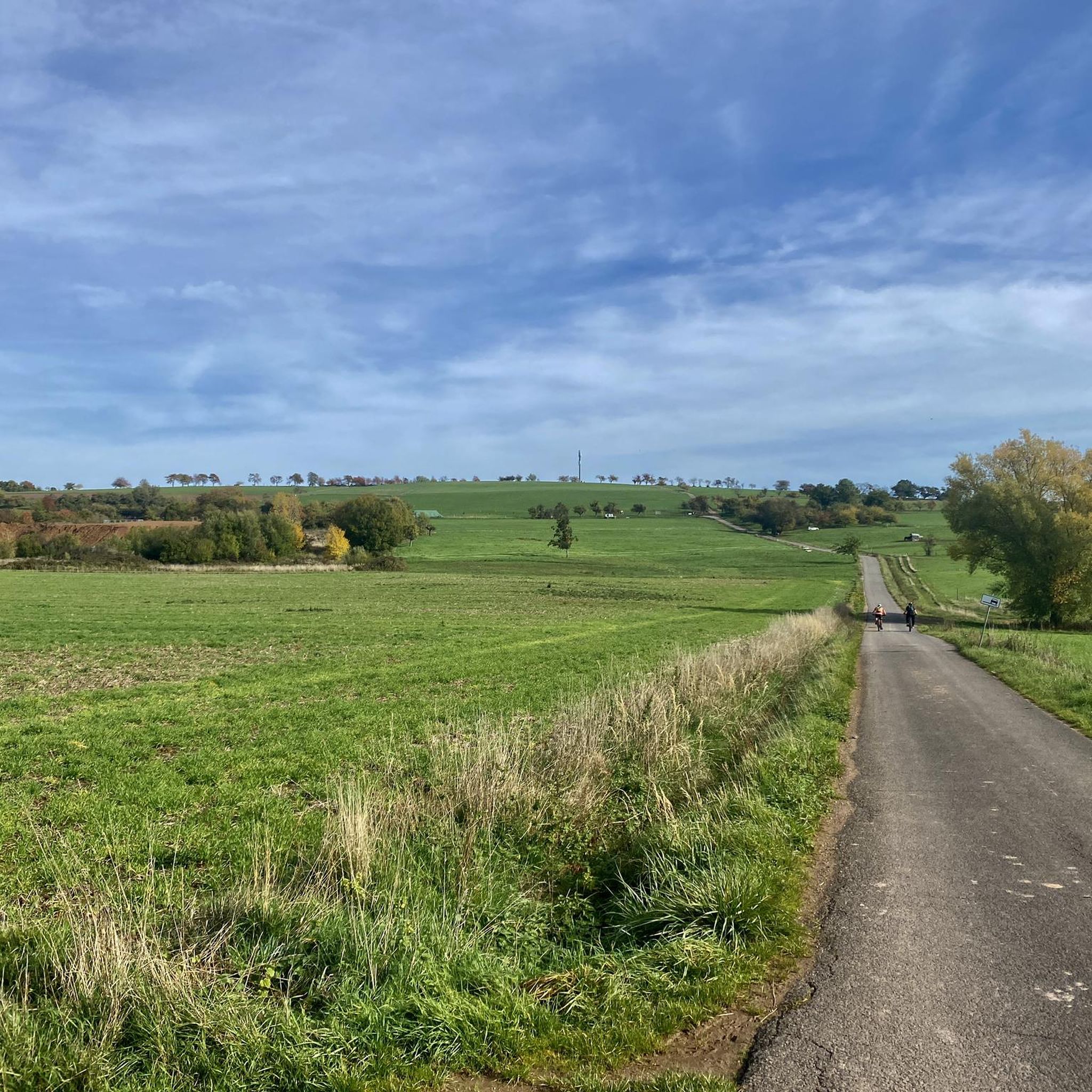
It is a great place to cycle all year round.
3
0

The Kinzig is also used by the brave (not just children) to cool down. Very romantic.
4
0

Beautiful rock formation... I didn't see the hex... or it didn't show itself to me
12
0

Nice rock formation even if I didn't necessarily recognize the head
1
0
Οι πιο δημοφιλείς διαδρομές Geiselbach
Τα πιο δημοφιλή αξιοθέατα Geiselbach

Εμπνεύσου με την εφαρμογή komoot για κινητά


Ανακάλυψε περισσότερα
Επέκτεινε την αναζήτησή σου για τις καλύτερες σπηλιές βλέποντας αυτούς τους οδηγούς με τα κορυφαία Geiselbach:
