Τα 12 καλύτερα φυσικά μνημεία Valongo
Το τοπίο της περιοχής Valongo είναι ένα υπέροχο μέρος για εξερεύνηση — κάτι που μπορείτε να βιώσετε καλύτερα επισκεπτόμενοι ένα από τα 12
πανέμορφα φυσικά μνημεία Valongo. Για να βρείτε αυτό που σας ταιριάζει, δείτε όλες τις λεπτομέρειες που χρειάζεστε και σχεδιάστε καλύτερα την επόμενη υπαίθρια περιπέτειά σας!
Τελευταία ενημέρωση: 30 Αυγούστου 2026
Jardim do Infante Dom Henrique
Highlight • Φυσικό μνημείο
Μετάφραση από Google •
Συμβουλή από

Jardins do Palácio do Cristal 🌳
Highlight • Φυσικό
Μετάφραση από Google •
Συμβουλή από

Εγγράψου τώρα για να ανακαλύψεις μέρη σαν αυτό
Λάβε προτάσεις για τα καλύτερα single tracks, κορυφές και πολλά ακόμα συναρπαστικά υπαίθρια μέρη.
Εγγραφή δωρεάν
Plane Trees in Jardim da Cordoaria
Highlight • Φυσικό μνημείο
Μετάφραση από Google •
Συμβουλή από
Jardim de João Chagas 🌳 Porto
Highlight • Φυσικό
Inside you can also see various …
Μετάφραση από Google •
Συμβουλή από
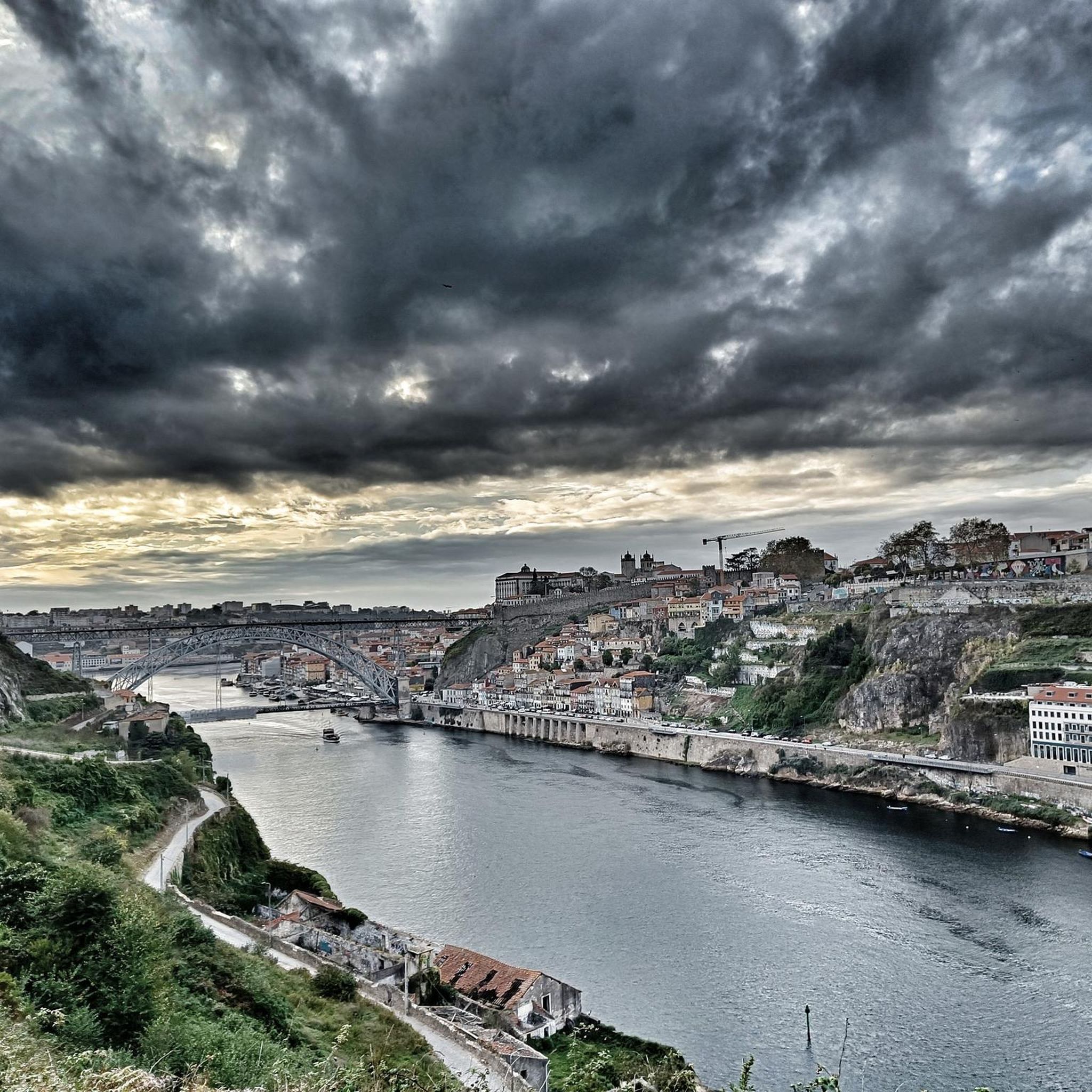
Vista da Foz do Rio Douro
Highlight • Σημείο θέας
Μετάφραση από Google •
Συμβουλή από

Εγγράψου δωρεάν για να ανακαλύψεις ακόμα περισσότερα φυσικά μνημεία Valongo.
Εγγραφή δωρεάν
Έχεις ήδη λογαριασμό;
Ξεκίνα σήμερα με έναν δωρεάν λογαριασμό
Η επόμενη περιπέτειά σου σε περιμένει.
Σύνδεση ή εγγραφή
Συμβουλές από την κοινότητα

The Cordoaria Garden, also known as the João Chagas Garden, is an example of how gardens represent an important nature-based solution in the urban environment. This green space, founded in 1865, combines historical elements with modern sustainable practices. Recently, a requalification was carried out that included improving the rainwater drainage system, replacing public lighting with more efficient options, and restoring and waterproofing the existing lake. In addition, the replacement of pavements with gravel and the planting of new landscaped areas reinforce support for local biodiversity and promote rainwater infiltration, reducing the risk of flooding in the area. This garden has about 160 trees, several classified as being of public interest, namely the Plane Tree Avenue, the Linden Tree Walk, American Oaks (some centuries old), Araucarias, Cedars and Sequoias, which throughout the year present its visitors with various colors and contrasts. Beyond its environmental function, it also has an important social function, being a thoroughfare for many visitors and residents, surrounded by a museum, university campuses, a hospital, and important tourist attractions in the city. It is a true green lung in the urban center of Porto. Various cultural events and activities take place in this garden, combining nature with the various needs of the population in that area. Ecological functions Improvement of quality of life; Promotion of biodiversity; Reduction of extreme weather events; Noise reduction; Regulation of air quality; Temperature regulation; Regulation of floods and inundations; Carbon sequestration
1
0

The plane trees in the Jardim da Cordoaria in Porto are one of the most striking features of this historic park. These are specimens of Platanus × hispanica (European plane), planted in the 19th century, which form two monumental rows along the garden's paths.
3
0
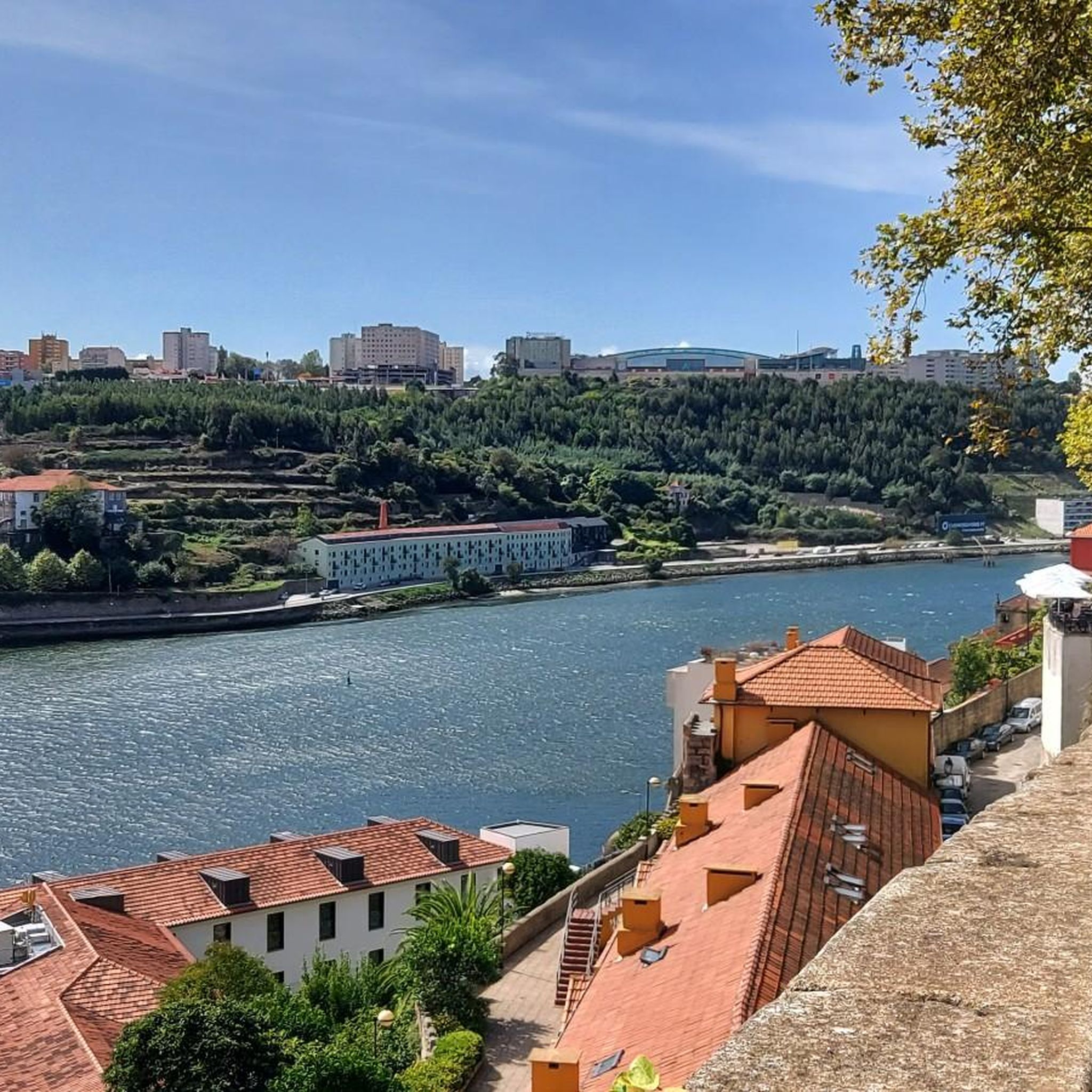
The Crystal Palace Gardens (Jardins do Palácio de Cristal) are one of Porto's most beautiful and iconic green spaces, ideal for strolling, relaxing, and enjoying spectacular views of the Douro River and the Atlantic Ocean.
2
0
The Crystal Palace Gardens in Porto are one of the city's most iconic and romantic green spaces, ideal for strolling, relaxing, and enjoying spectacular views of the Douro River and the Atlantic Ocean.
4
0

The lower part of the trunks is massively thickened. Is this a tree disease or what's going on here?
0
1

Free entry to the garden.
5
1

The name "Palácio de Cristal" comes from the old palace that once stood on the site, which was demolished in 1951. Today, the gardens are a place of great cultural and tourist importance for the city of Porto. The Jardins do Palácio de Cristal are a complex of public gardens located in the city centre of Porto, Portugal. It was created in 1860 and is considered one of the most important urban gardens in Europe.
2
1
The Crystal Palace, designed by the English architect Thomas Dillen Jones, was built in granite, iron and glass, using the Crystal Palace in London as its model. It measured 150 metres long by 72 metres wide and was divided into three naves. Its construction began in 1861, and it was inaugurated on 18 September 1865 by King Luís. It was designed to host the great Porto International Exhibition, organised by the then Associação Industrial Portuense, now the Associação Empresarial de Portugal. The Industrial Exhibition, in addition to the official visit of King D. Luís, Dona Maria Pia and the Crown Prince, also had 3,139 exhibitors, of which 499 were French, 265 German, 107 British, 89 Belgian, 62 Brazilian, 24 Spanish, 16 Danish and also representatives from Russia, the Netherlands, Turkey, the United States and Japan. Over its 86 years of existence, the Palácio de Cristal hosted many other exhibitions, including the rose exhibition in 1879, the agricultural exhibition in 1903 and the Portuguese Colonial Exhibition, which opened in June 1934. From this last exhibition, the Monument to the Portuguese Colonization Effort survives, currently located at the western end. from Avenida do Marechal Gomes da Costa. The Crystal Palace was also an important cultural space, containing a pipe organ that was one of the largest in the world. It was in this palace that important concerts by the composer Viana da Mota and the virtuoso cellist Guilhermina Suggia were held. The palace was destroyed in 1951, and in its place a reinforced concrete nave was built, which was given the name of Sports Pavilion, according to a project by architect José Carlos Loureiro and engineer António dos Santos Soares and on the pretext of the Roller Hockey World Championship. The building was demolished in less than a year, with the pipe organ being destroyed with a hammer. Due to popular protests against the demolition, the name Crystal Palace has survived to this day.
2
0
Τα πιο δημοφιλή αξιοθέατα Valongo

Εμπνεύσου με την εφαρμογή komoot για κινητά


Ανακάλυψε περισσότερα
Επέκτεινε την αναζήτησή σου για τις καλύτερες σπηλιές βλέποντας αυτούς τους οδηγούς με τα κορυφαία Valongo:
