Τα 4 καλύτερα φυσικά μνημεία Dodderhill
Το τοπίο της περιοχής Dodderhill είναι ένα υπέροχο μέρος για εξερεύνηση — κάτι που μπορείτε να βιώσετε καλύτερα επισκεπτόμενοι ένα από τα 4
πανέμορφα φυσικά μνημεία Dodderhill. Για να βρείτε αυτό που σας ταιριάζει, δείτε όλες τις λεπτομέρειες που χρειάζεστε και σχεδιάστε καλύτερα την επόμενη υπαίθρια περιπέτειά σας!
Τελευταία ενημέρωση: 15 Οκτωβρίου 2026
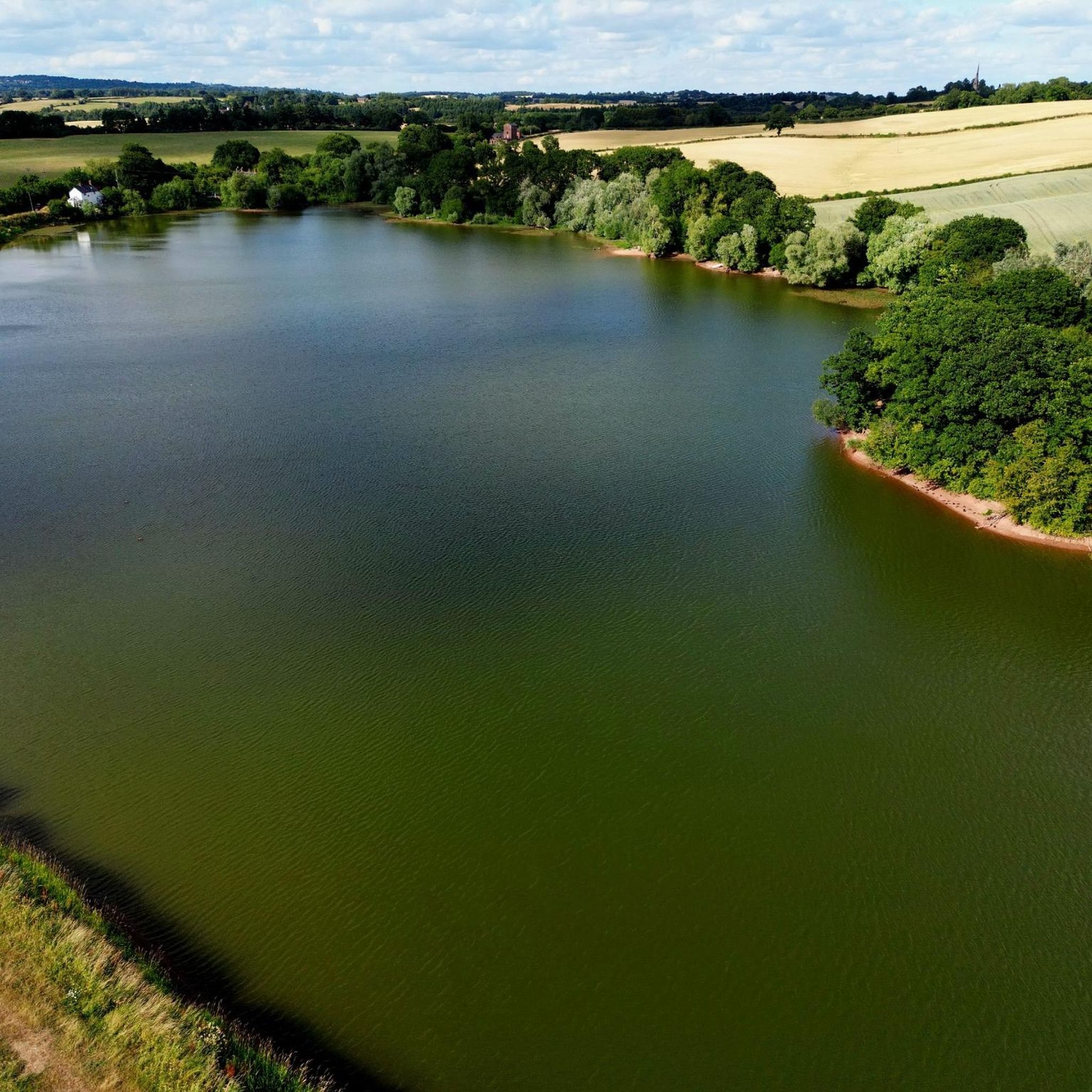
Chaddesley Wood National Nature Reserve
Highlight • Φυσικό μνημείο
Συμβουλή από

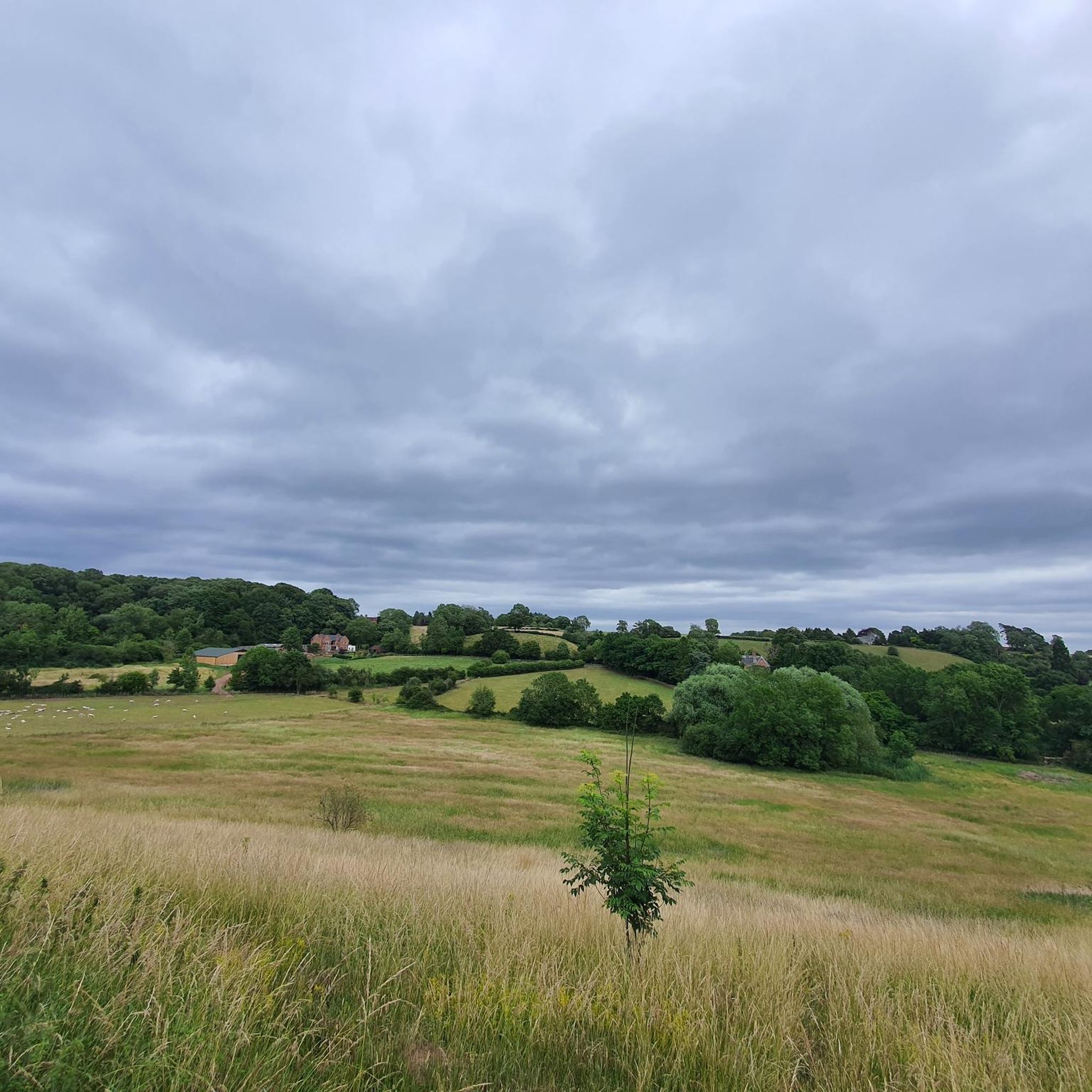
Grafton Wood Nature Reserve
Highlight (Segment) • Φυσικό μνημείο
Jointly owned with Butterfly Conservation, Grafton has been at the heart of one of Worcestershire’s great conservation successes. The wood is the …
Συμβουλή από

Εγγράψου τώρα για να ανακαλύψεις μέρη σαν αυτό
Λάβε προτάσεις για τα καλύτερα single tracks, κορυφές και πολλά ακόμα συναρπαστικά υπαίθρια μέρη.
Grafton Wood Nature Reserve – Brown Hairstreak Butterfly Colony
Highlight • Φυσικό μνημείο
Συμβουλή από
Waterfall with Snowdrops
Highlight • Φυσικό μνημείο
Συμβουλή από

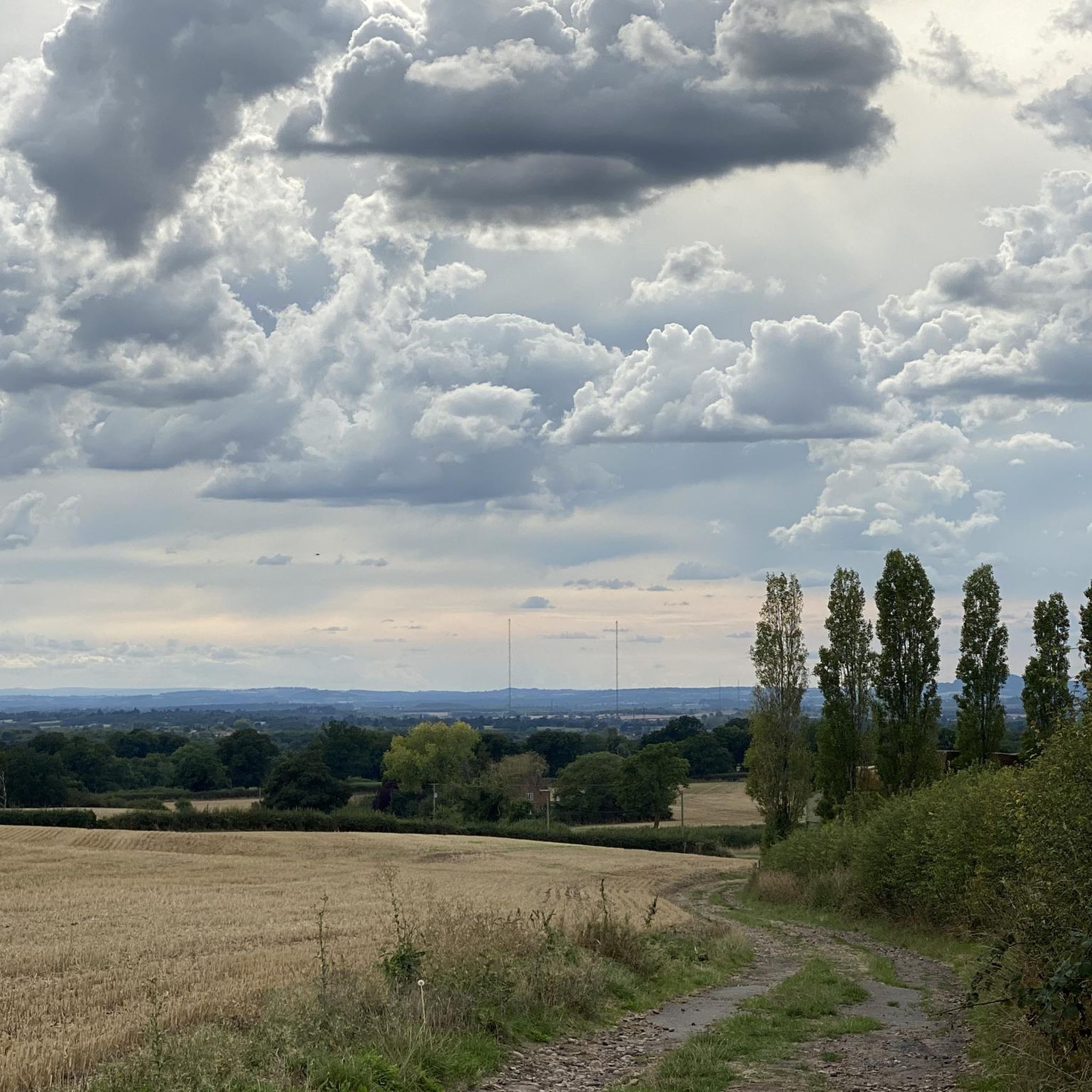
Warridge Lodge Trig Point
Highlight (Segment) • Σημείο θέας
Συμβουλή από

Εγγράψου δωρεάν για να ανακαλύψεις ακόμα περισσότερα φυσικά μνημεία Dodderhill.
Έχεις ήδη λογαριασμό;
Ξεκίνα σήμερα με έναν δωρεάν λογαριασμό
Η επόμενη περιπέτειά σου σε περιμένει.

Συμβουλές από την κοινότητα

Πηγαίνετε μεταξύ Ιουλίου και Σεπτεμβρίου, αν θέλετε να δείτε τις πεταλούδες.
0
0

This little man-made waterfall is the overflow from the big lake but is still quite realistic. Best visited in the winter for flow and less foliage to get in the way of the camera shot!|
0
0

loads of spring butterflies
0
0

YES!! Let me bloody have it! Great segment! Nothing smooth - pretty rugged - appeals to the northerner in me! - Can imagine in the wet its a mud bath! Dry or Wet it's GREAT fun!
0
0

Total of 9 fields lots of gates to cross without any clear tracks, best during a dry spell, 2nd farm has a hard to find gate on the right into a field with a trig point and a bench to have a break.
0
0

Bridleway through fields via Warridge Lodge Trigpoint, a few gates along the way and great views.
0
0

Chaddesley Woods were probably mentioned in the Domesday Book as the ‘wood of two leagues’ and we think that parts of the site have been wooded since the Ice Age 6-10,000 years ago. The presence of ancient woodland indicator species support this – flowers such as yellow archangel, herb paris and dog’s mercury as well as trees like small-leaved lime and wild service trees. Visitors to the eastern half of the nature reserve will find themselves in ancient woodland that is predominantly mature oak with hazel coppice. The understorey also contains holly, rowan and other berry-bearing shrubs that are popular with winter thrushes such as fieldfares. Midland hawthorn thrives here – a rare shrub that is identified by the two seeds in its berries as opposed to the normal one. Open glades are important for invertebrates and encourage shrubby growth, which provides nesting cover for birds. Some old and dead oaks are retained for hole-nesting birds, fungi and invertebrates. At the right time of year the wood is full of birdsong and lucky visitors may catch a glimpse of the elusive woodcock. There are also two areas of meadow, although these are only accessible on special open days. Hockley Meadow and Black Meadow are old pastures with wildflowers such as knapweed, dyer’s greenweed, pepper saxifrage and adder’s-tongue fern. The meadows are grazed to maintain their floral interest. The western half of the reserve is a largely planted woodland of broad-leaved species and extensive areas of conifer. The conifers wouldn’t normally grow here and we’re gradually clearing these and replacing them with native hardwoods that are more suitable to the local geology and attract summer migrants like chiffchaff and blackcap. Crossbills sometimes breed in the conifer plantations – their unusual beak structure of crossed tips allows them to feed on the seeds. A Worcestershire speciality, land caddis, occurs at Chaddesley Woods. A national rarity, this is the only one of almost two hundred species of caddis fly that spends its entire life-cycle on land. It burrows in leaf litter and adults only live for a couple of weeks in autumn.
0
0
Οι πιο δημοφιλείς διαδρομές Dodderhill
Τα πιο δημοφιλή αξιοθέατα Dodderhill

Εμπνεύσου με την εφαρμογή komoot για κινητά


Ανακάλυψε περισσότερα
Επέκτεινε την αναζήτησή σου για τις καλύτερες σπηλιές βλέποντας αυτούς τους οδηγούς με τα κορυφαία Dodderhill:
