Τα 11 καλύτερα φυσικά μνημεία Sovizzo
Το τοπίο της περιοχής Sovizzo είναι ένα υπέροχο μέρος για εξερεύνηση — κάτι που μπορείτε να βιώσετε καλύτερα επισκεπτόμενοι ένα από τα 11
πανέμορφα φυσικά μνημεία Sovizzo. Για να βρείτε αυτό που σας ταιριάζει, δείτε όλες τις λεπτομέρειες που χρειάζεστε και σχεδιάστε καλύτερα την επόμενη υπαίθρια περιπέτειά σας!
Τελευταία ενημέρωση: 1 Οκτωβρίου 2026
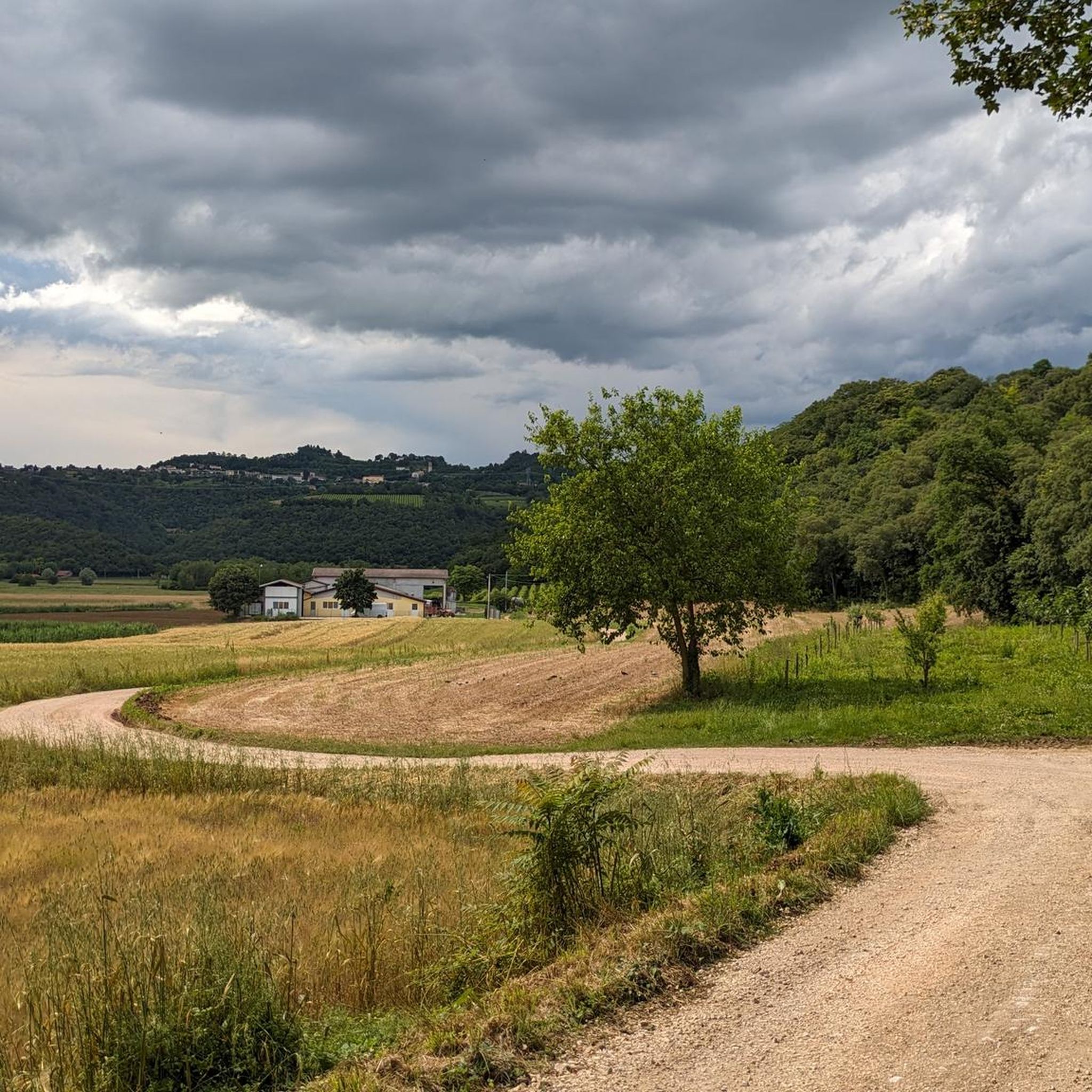
Risorgive del Bacchiglione Nature Reserve
Highlight • Φυσικό μνημείο
For the gravel it is a paradise!
DESCRIPTION:
A resurgence, or fountain, is a source of fresh water of natural origin, sometimes made to …
Μετάφραση από Google •
Συμβουλή από

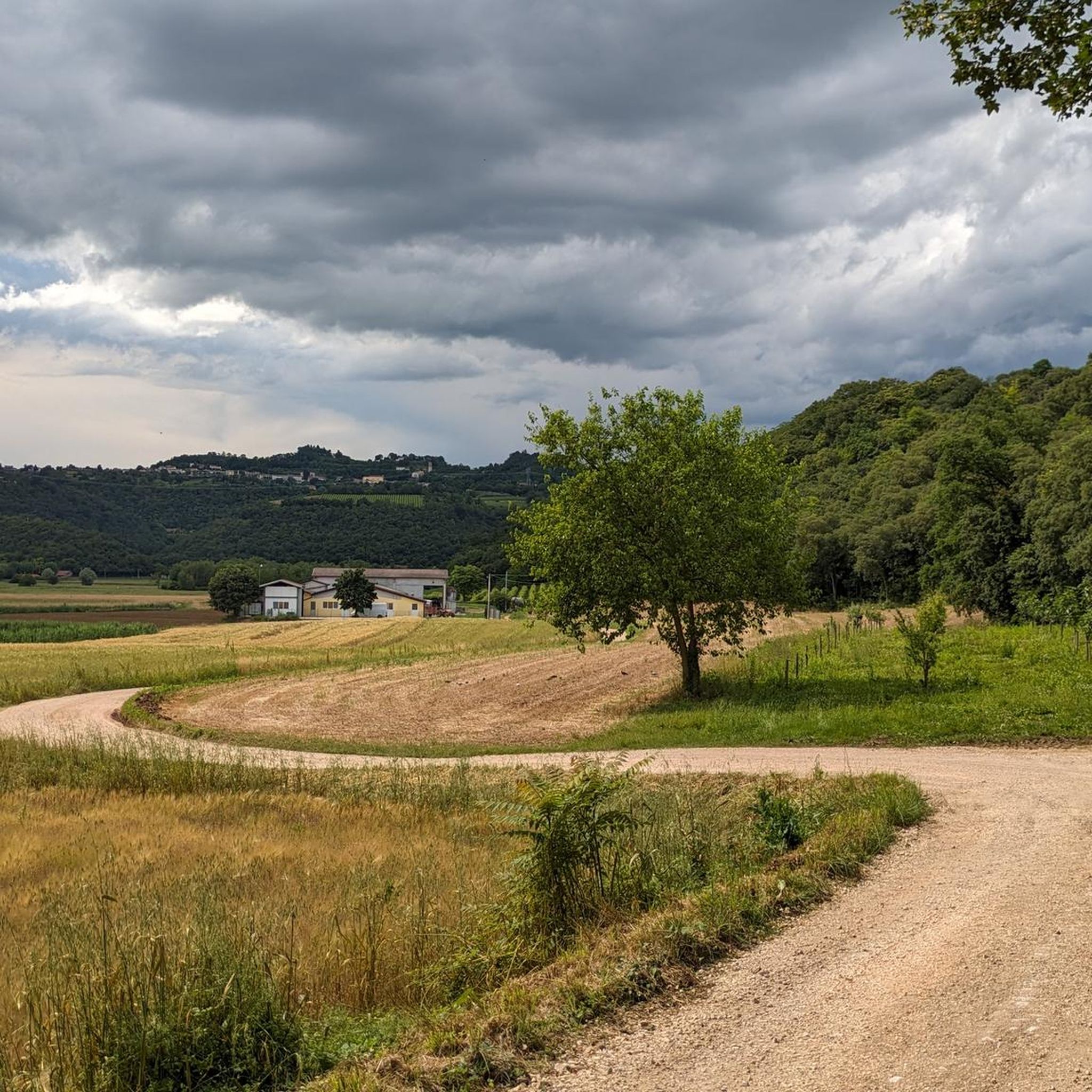
Monte Nero
Highlight • Φυσικό μνημείο
Μετάφραση από Google •
Συμβουλή από

Εγγράψου τώρα για να ανακαλύψεις μέρη σαν αυτό
Λάβε προτάσεις για τα καλύτερα single tracks, κορυφές και πολλά ακόμα συναρπαστικά υπαίθρια μέρη.

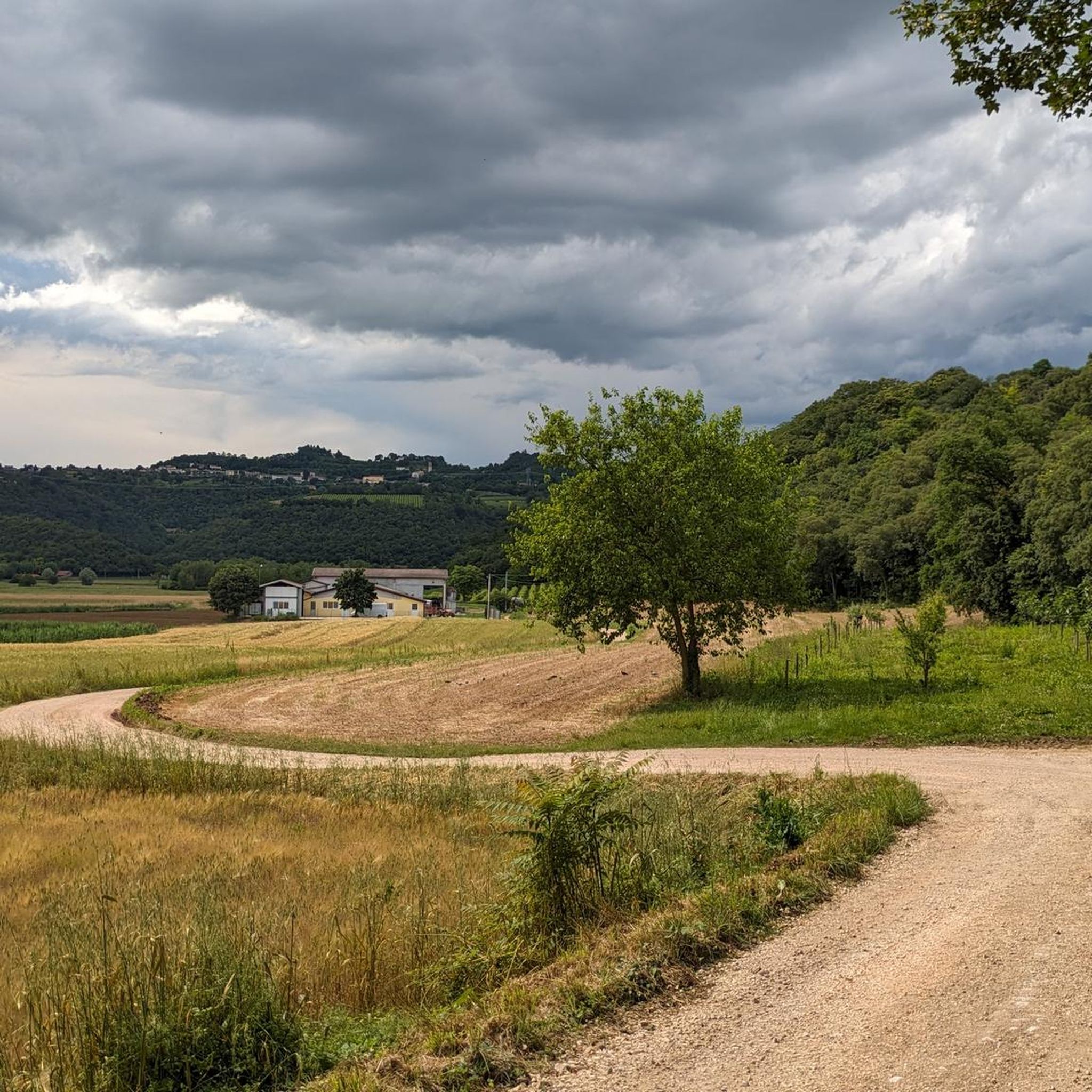
Fontanella di San Bernardino a Perarolo
Highlight • Χώρος ανάπαυσης
Μετάφραση από Google •
Συμβουλή από

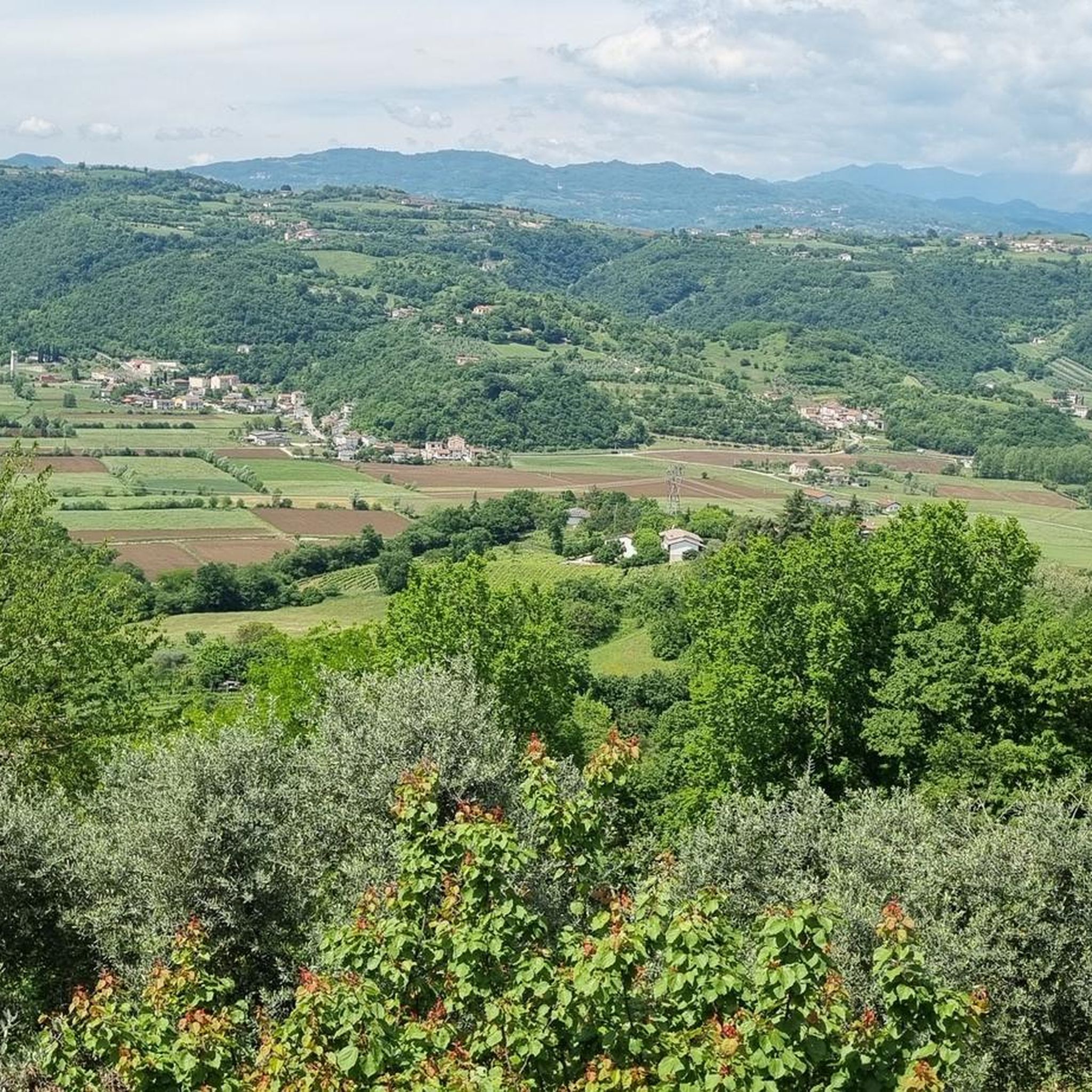
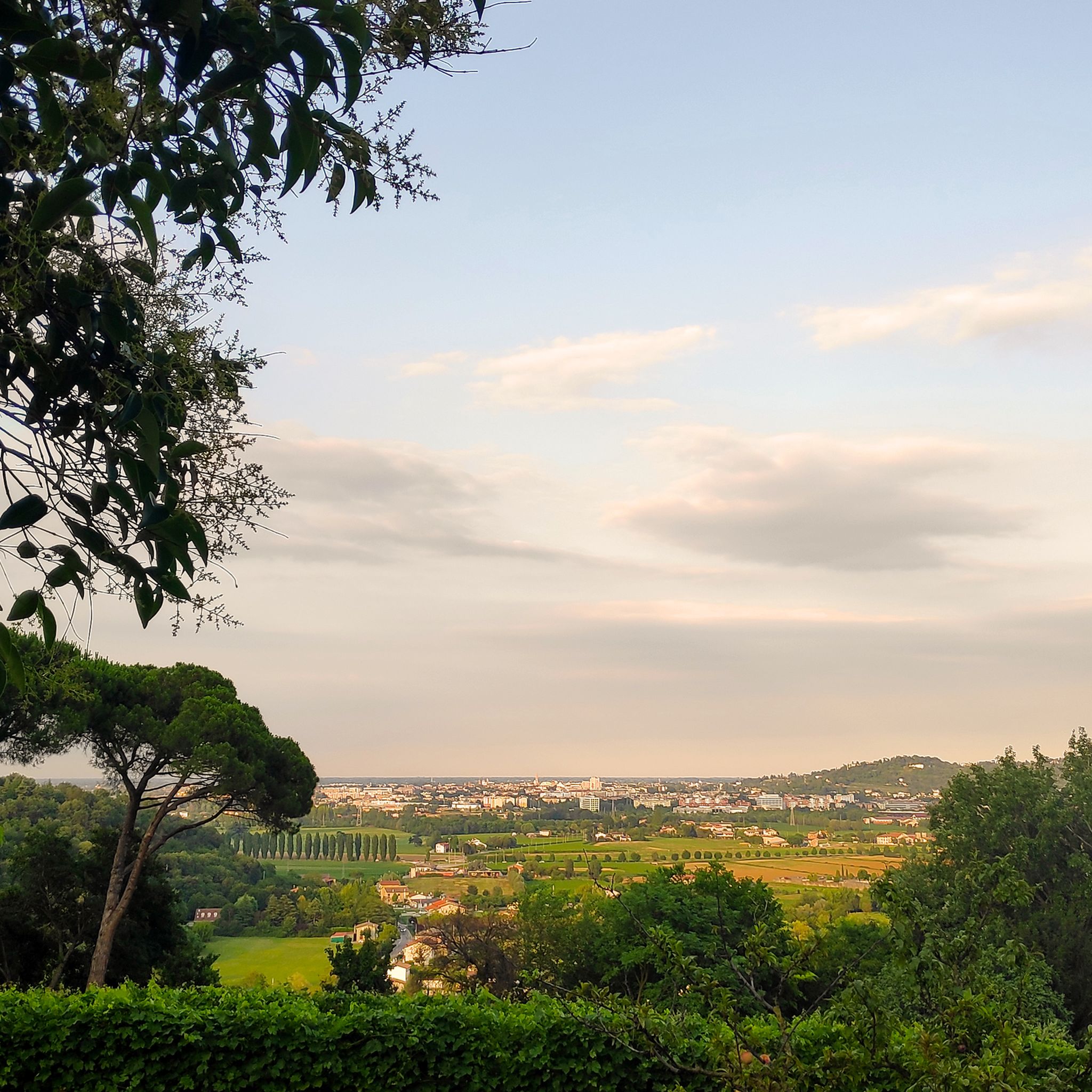
Vista Su Vicenza e i Colli Berici
Highlight • Σημείο θέας
Μετάφραση από Google •
Συμβουλή από

Εγγράψου δωρεάν για να ανακαλύψεις ακόμα περισσότερα φυσικά μνημεία Sovizzo.
Έχεις ήδη λογαριασμό;
Ξεκίνα σήμερα με έναν δωρεάν λογαριασμό
Η επόμενη περιπέτειά σου σε περιμένει.
Συμβουλές από την κοινότητα

αξίζει να επισκεφθείτε αυτά τα μέρη για την ηρεμία και το τοπίο
0
0

Monte Nero, above Montecchio Maggiore, is actually a hill: despite its modest size, it is quite unique in terms of its geology, morphology, and botanical rarities! Thirty million years ago, Monte Nero was a volcanic island emerging from the waters. This gave rise to the current peak, which, with its bare, arid, and dark basalt (hence the name "Nero"), stands out clearly from the surrounding limestone hills. It is a unique (micro)environment: you walk on the primitive, solidified lava flow; you encounter rare plants, including exotic and Mediterranean ones, which are, to say the least, unusual to find in these places. A short educational trail (also suitable for children) starts from the Church of San Pietro and illustrates the peculiarities of Monte Nero in six stages/panels. https://www.prolocoaltemontecchio.it/cosa-vedere/percorsi/naturalistici/
2
0

To admire this curious phenomenon, a detour from the main road is necessary. Once you reach the place, just look out into the well (with a diameter of about 50 cm) from which what is sometimes called "dragon's breath" seems to emerge from. It is nothing more than a karst cavity (characteristic of the Faedo-Casaron plateau) from which fresh air comes out (which varies between 7 and 13 degrees). Especially in the summer period, the typical rustle of the exchange of hot and cold air masses at the mouth of the cave is clearly audible. The cavity, commonly called "Buso del Lucio", was discovered by the Maladense speleologist Lucio Zanini. The valley that you travel along following the Campipiani-Faedo path is called “Valle dei Vischi”. The origin of this name is not known but it probably refers to the sound effects (breathing, hissing, moaning) that the blowing caves produce in particular climatic conditions.
0
0

Perarolo di Arcugnano is a splendid village, dominated by the splendid church of San Bernardino with its particular bell tower designed at the end of the 19th century by the architect Vittorio Barichella. From here there are some beautiful paths that lead towards the woods of Brendola.
1
0

The best drinking fountain in the area. Unmissable charging stage
0
0

stopping point for drinking water supply
0
0

Beautiful area for walking and cycling! For the gravel it is a paradise! DESCRIPTION: A resurgence, or fountain, is a source of fresh water of natural origin, sometimes made to emerge by man, typical of alluvial plain soils such as the Po-Venetian Plain. The Bacchiglione river originates at the foot of the Vicentine Prealps and runs through a large stretch of the Po Valley, crossing two large cities, Vicenza and Padua. Since ancient times it has represented a very important communication route and its waters have been exploited for many productive and commercial activities. The ancient name of this river was "Edrone", as mentioned for the first time in the writings of Pliny the Elder in the 1st century. A.D. while the current name "Bacchiglione" could derive from the dialect verb "bacajare" that is to rattle, chat continuously, perhaps because the gurgling produced by the water during floods is similar to human shouting. In the Venetian Plain, in the area around Dueville, the waters that flow deeply encounter increasingly consistent layers of impermeable clay, which hinder their underground flow and "force" them to spontaneously rise to the surface. In this way the suggestive spring springs are formed: small hollows in which the perennial gushing of the streams of water originates a stream called "resurgence". Some of these springs, marked on the map of the Risorgive del Bacchiglione, are also visible within the area! The spring water has several peculiarities: it is very clear and, thanks to its constant temperature (between 10 ° and 13 ° C), it creates a particular microclimate that is perfect for hosting animal and plant species that are not common in the neighboring areas.
3
0
Οι πιο δημοφιλείς διαδρομές Sovizzo
Τα πιο δημοφιλή αξιοθέατα Sovizzo

Εμπνεύσου με την εφαρμογή komoot για κινητά


Ανακάλυψε περισσότερα
Επέκτεινε την αναζήτησή σου για τις καλύτερες σπηλιές βλέποντας αυτούς τους οδηγούς με τα κορυφαία Sovizzo:
