Τα 7 καλύτερα κάστρα Bug
Μια επίσκεψη σε ένα κάστρο — είτε το ανακαλύψετε κατά τη διάρκεια μιας πεζοπορίας είτε το εξερευνήσετε με ξεναγό — είναι πάντα κάτι ξεχωριστό, και έχετε 7
πανέμορφα κάστρα να επιλέξετε Bug. Περιηγηθείτε στη λίστα μας για να βρείτε το αγαπημένο σας κάστρο και προσθέστε λίγη ιστορία στην επόμενη περιπέτειά σας!
Τελευταία ενημέρωση: 15 Οκτωβρίου 2026
Modlin Fortress – Cadet Gate
Highlight • Ιστορικός χώρος
Μετάφραση από Google •
Συμβουλή από

Kasztelik Korona Podlasia
Highlight • Μνημείο
Μετάφραση από Google •
Συμβουλή από

Εγγράψου τώρα για να ανακαλύψεις μέρη σαν αυτό
Λάβε προτάσεις για τα καλύτερα single tracks, κορυφές και πολλά ακόμα συναρπαστικά υπαίθρια μέρη.
Ruins of the Bishops of Płock Castle
Highlight • Κάστρο
Μετάφραση από Google •
Συμβουλή από

Ruiny kościoła zamkowego w Mielniku
Highlight • Ιστορικός χώρος
Μετάφραση από Google •
Συμβουλή από

Ruiny Zamku w Broku
Highlight • Κάστρο
The castle, or rather a summer palace, was built in the years 1617–1624 by Bishop Henryk Firlej, near an earlier wooden structure …
Μετάφραση από Google •
Συμβουλή από

Ruins of the Castle
Highlight • Κάστρο
Μετάφραση από Google •
Συμβουλή από

Fort XVI Czarnów
Highlight • Ιστορικός χώρος
Μετάφραση από Google •
Συμβουλή από

Ξεκίνα σήμερα με έναν δωρεάν λογαριασμό
Η επόμενη περιπέτειά σου σε περιμένει.


Συμβουλές από την κοινότητα

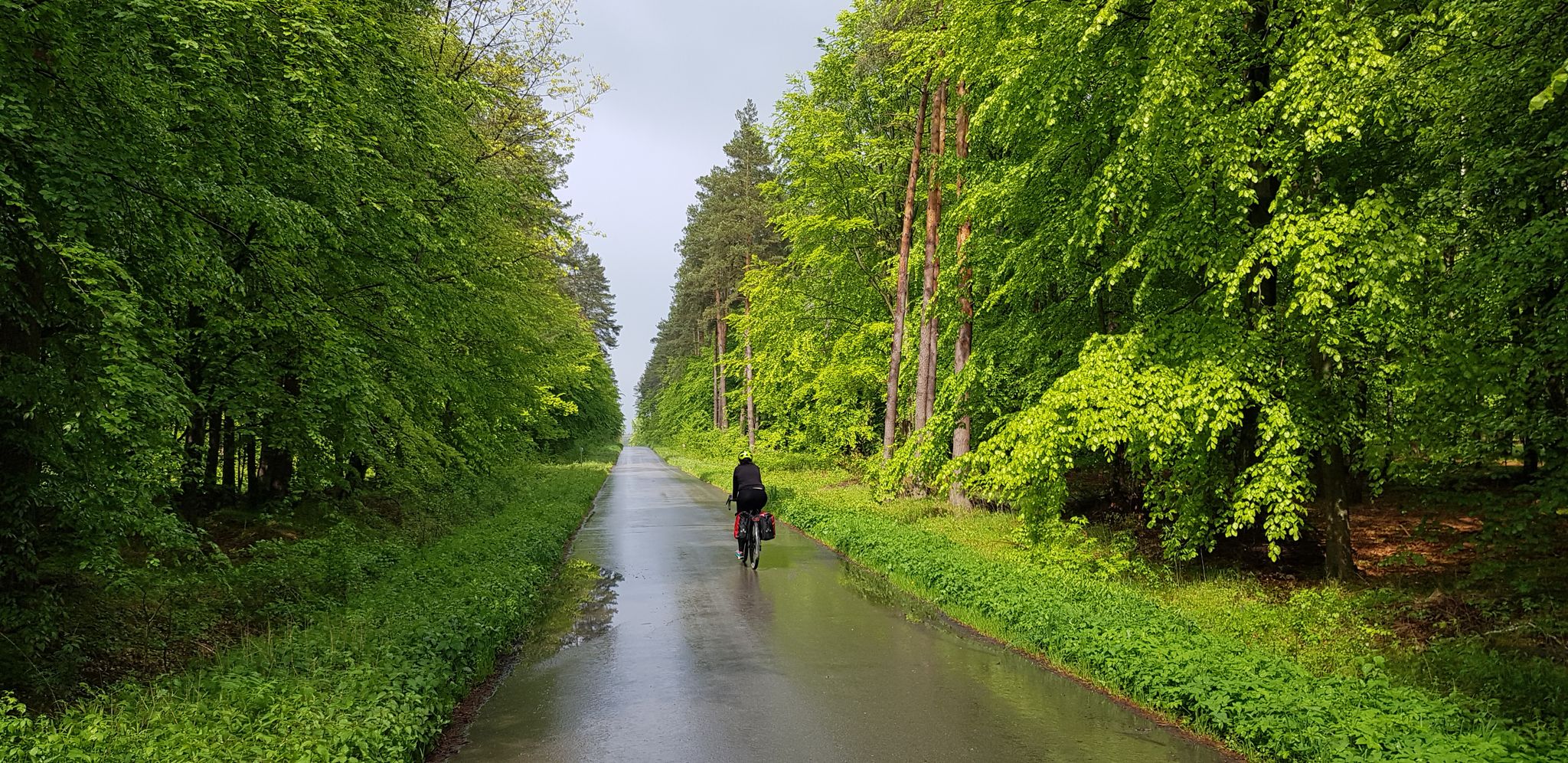
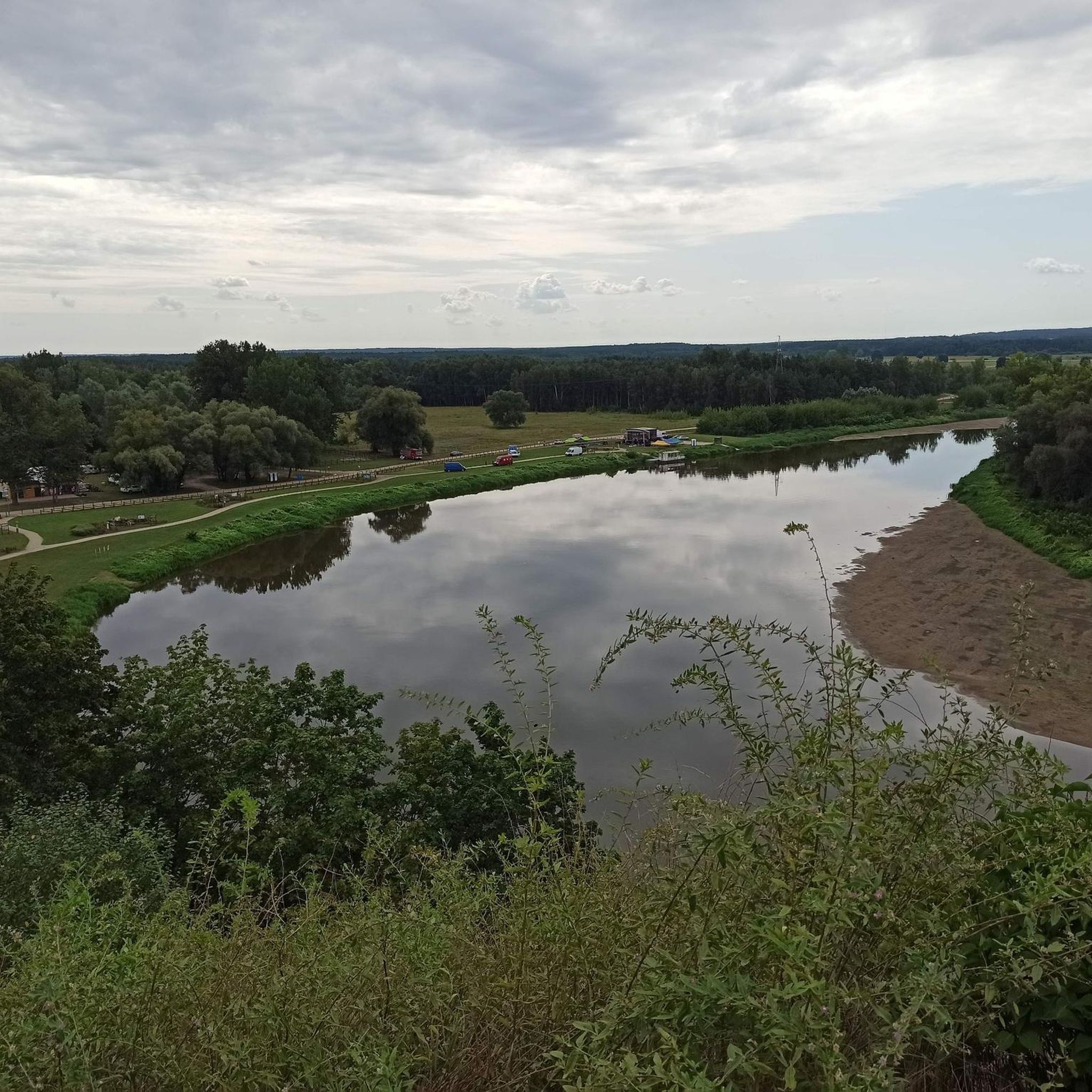
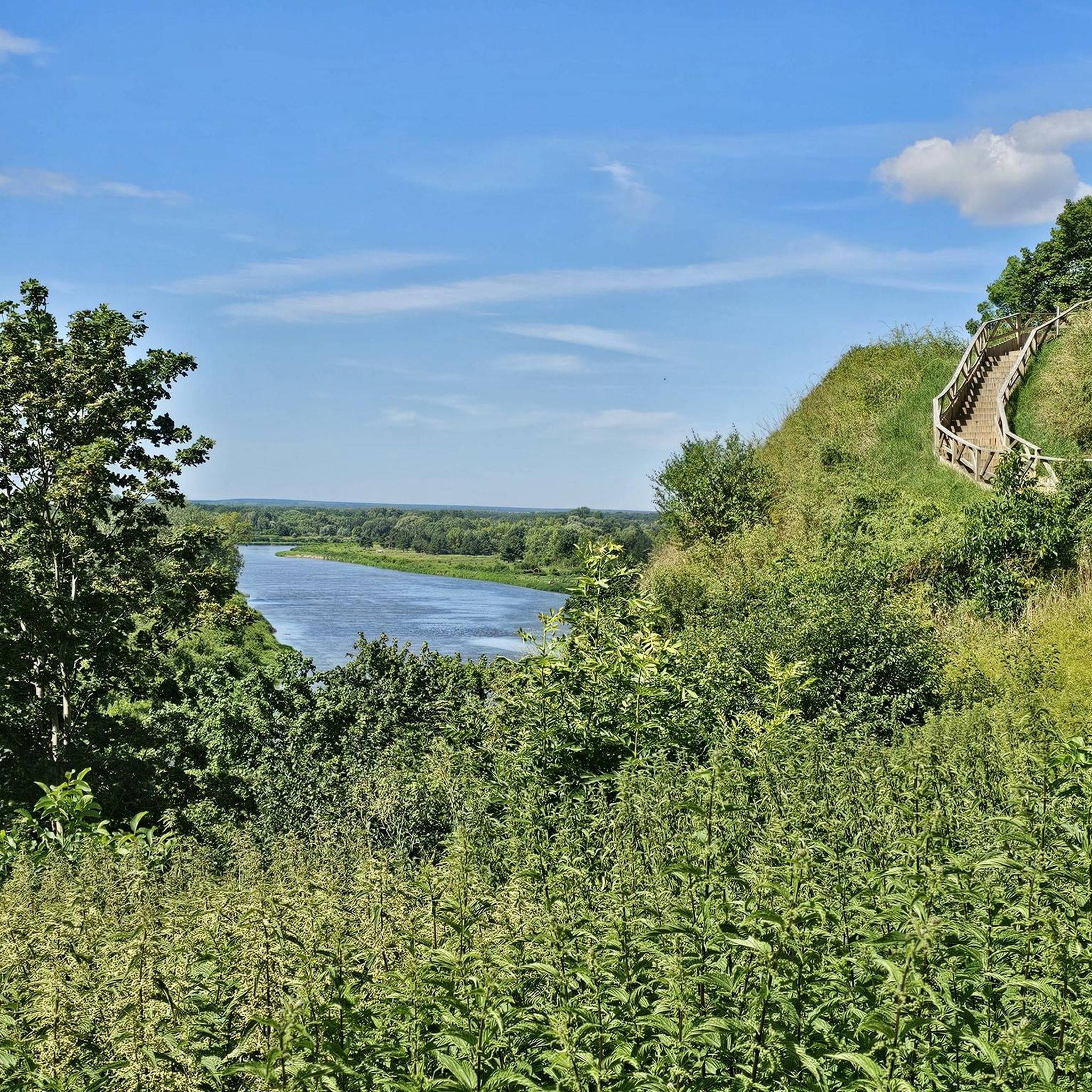
it's worth climbing the mountain next to it, there's a beautiful view
0
0

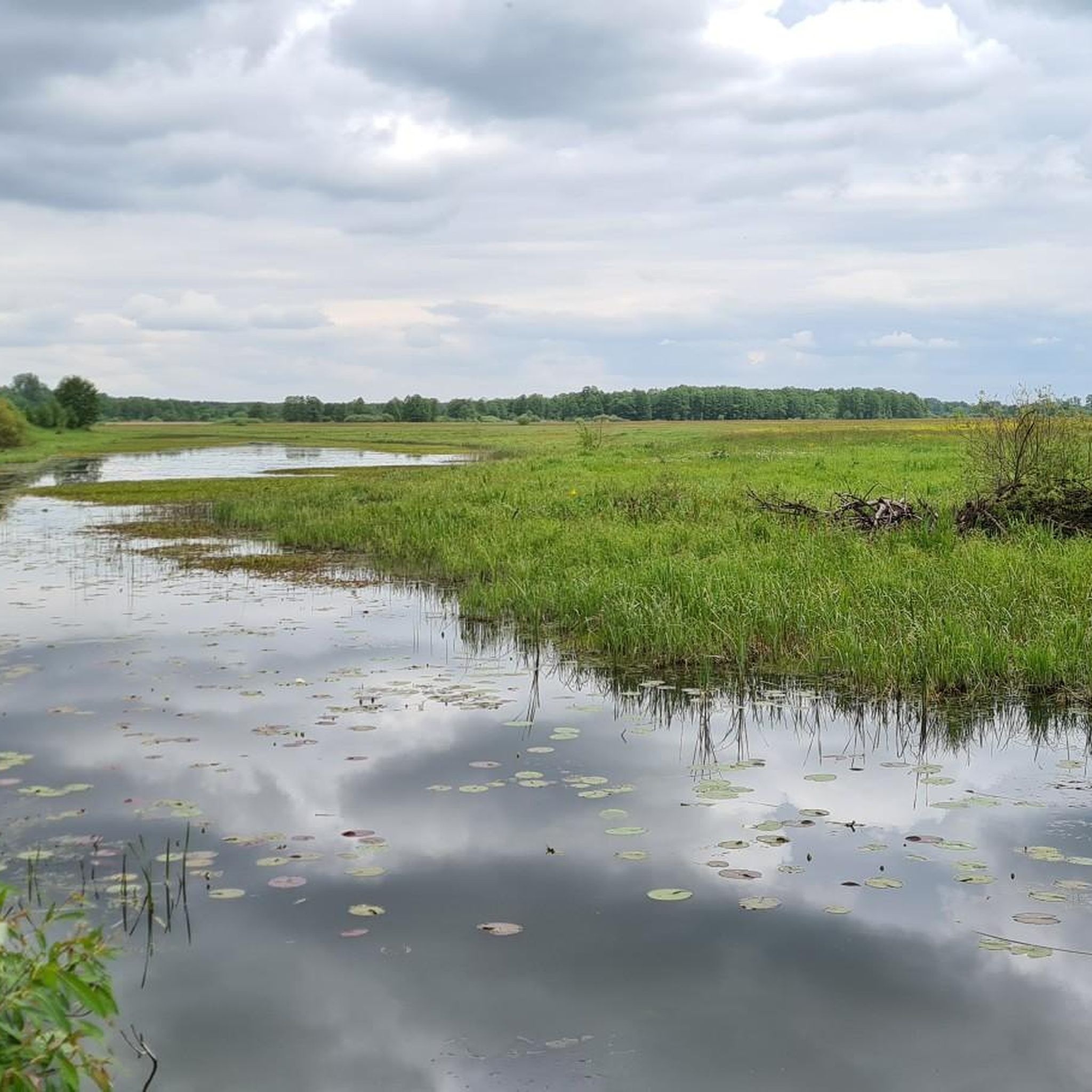
Location on route 640, Olendry, Siemiatycze, pay attention to forest parking lots (you can drive through), I got here from the footbridge, leaving route no. 19. There is a building here, from which you can admire an amazing view. The rest is individual taste. Mr. Jerzy, an art enthusiast, built this place. From my observation, it appears that tourists and natives like to visit this place.
0
0

The castle of the Płock bishops in Brok. The castle, or rather a summer palace, was built in the years 1617–1624 by Bishop Henryk Firlej, near an earlier wooden structure that burned down in 1605. The brick palace was built on a natural elevation at the fork of the Turek and Bug rivers, but the residence probably did not have any defensive facilities. Until the partitions, the bishops of Płock resided in the castle in spring and summer. The poet Maciej Kazimierz Sarbiewski and the writer Stanisław Łubieński stayed in the palace. From 1652, Michał Korybut Wiśniowiecki studied as a child in the palace in Brok under the care of priest Jan Chryzostom Fabricius. More: https://pl.wikipedia.org/wiki/Zamek_biskup%C3%B3w_p%C5%82ockich_w_Broku
1
0

Erected as part of the construction of the second, outer ring of forts in the years 1912-1915. In the 1990s, another ring of fortifications was added in the form of private dachas. The monument is "privatized". Barricades, warning signs. Visiting is only possible with a guide, as in North Korea.
0
0

It's worth feeling a piece of this history.
0
0

At the foot of Góra Zamkowa are the ruins of the castle church, founded in 1420 by the Grand Duke of Lithuania Vytautas. The church was built next to the castle and served a defensive function. It is an oriented building, built in the late Gothic style, made of brick with the use of field stones. In the second half of the 16th century, the castle church was thoroughly rebuilt and re-consecrated in 1618. In 1657, the temple, together with the entire archive, burned down. After the wars, in 1669, its reconstruction began. It is likely that during the new consecration, the church's name was changed to the Holy Trinity. In 1851, the castle church was abandoned. After the January Uprising in 1866, it was closed for five years, and in 1871 it was transformed into an Orthodox church of the Holy Spirit. In 1915, the church burned down. Although it was returned to the Catholic parish as part of the restitution campaign in the interwar period, it was never rebuilt. In the interwar period, a chapel of St. Anthony was set up in the sacristy, which was destroyed in 1941. During this period, the walls of the church were also partially demolished. Currently, the ruins of the church are one of the most interesting tourist attractions in Mielnik. Near the ruins of the castle church, there is also a building of the former Catholic rectory. Like the church, the rectory is a brick building, plastered and erected on a fieldstone foundation. The fate of the building from around the second half of the 18th century is closely linked to the fate of the castle church. When the church was regained by the Catholic parish in the 20th century, the rectory became a place of residence for priests. Since the 1950s, it has served as a residential building for priests and as a catechetical house. The building has been unused since the 1970s.
0
0
The Cadet Gate from the first half of the 19th century guarded the entrance to the citadel from the north-west. The Modlin Fortress was built in stages over nearly 80 years. The first orders to fortify the area were issued by Napoleon in 1806.
0
0

No entry allowed. Tours only with a guide.
1
0
Οι πιο δημοφιλείς διαδρομές Bug
Τα πιο δημοφιλή αξιοθέατα Bug

Εμπνεύσου με την εφαρμογή komoot για κινητά


Ανακάλυψε περισσότερα
Ψάχνεις τα καλύτερα κάστρα αλλού; Ανακάλυψε άλλους οδηγούς Bug:
