Τα 13 καλύτερα φυσικά μνημεία Charente
Το τοπίο της περιοχής Charente είναι ένα υπέροχο μέρος για εξερεύνηση — κάτι που μπορείτε να βιώσετε καλύτερα επισκεπτόμενοι ένα από τα 13
πανέμορφα φυσικά μνημεία Charente. Για να βρείτε αυτό που σας ταιριάζει, δείτε όλες τις λεπτομέρειες που χρειάζεστε και σχεδιάστε καλύτερα την επόμενη υπαίθρια περιπέτειά σας!
Τελευταία ενημέρωση: 29 Σεπτεμβρίου 2026
Vue sur les Sources de la Touvre
Highlight • Σημείο θέας
Μετάφραση από Google •
Συμβουλή από

Lac bleu de Touvérac
Highlight • Λίμνη
Μετάφραση από Google •
Συμβουλή από

Εγγράψου τώρα για να ανακαλύψεις μέρη σαν αυτό
Λάβε προτάσεις για τα καλύτερα single tracks, κορυφές και πολλά ακόμα συναρπαστικά υπαίθρια μέρη.
Chêne de François 1er
Highlight • Φυσικό μνημείο
Μετάφραση από Google •
Συμβουλή από

Église de Sireuil et Fontaine des Pèlerins
Highlight • Θρησκευτικός χώρος
But in between, there are 16 kilometers as the crow flies (a little more by land) ... and a lot of possible routes. You are spoiled for choice! This must-have doesn't help.
Μετάφραση από Google •
Συμβουλή από

La Fontaine de Tonne
Highlight • Φυσικό μνημείο
Μετάφραση από Google •
Συμβουλή από

Vue sur l'un des étangs de Guizengeard
Highlight • Λίμνη
Μετάφραση από Google •
Συμβουλή από

La Grande Fosse
Highlight • Φαράγγι
Μετάφραση από Google •
Συμβουλή από

Dolmens de la Grosse Pérotte et de la Petite Pérotte à Fontenille
Highlight • Μνημείο
Its …
Μετάφραση από Google •
Συμβουλή από
Dolmen de Saint-Fort
Highlight • Ιστορικός χώρος
Μετάφραση από Google •
Συμβουλή από
Overhanging Limestone Rock, Vallée des Eaux Claires
Highlight (Segment) • Φυσικό μνημείο
Μετάφραση από Google •
Συμβουλή από

Εγγράψου δωρεάν για να ανακαλύψεις ακόμα περισσότερα φυσικά μνημεία Charente.
Έχεις ήδη λογαριασμό;
Ξεκίνα σήμερα με έναν δωρεάν λογαριασμό
Η επόμενη περιπέτειά σου σε περιμένει.
Δημοφιλή γύρω από Charente
GR 36 long-distance footpath – Cross France from the Channel to the Pyrenees
GR 4 – Crossing the south of France from Atlantic Coast to Provence
EuroVelo 3 – A cycling pilgrimage from Norway to France
La Vélidéale - From the Limousin to the Atlantic
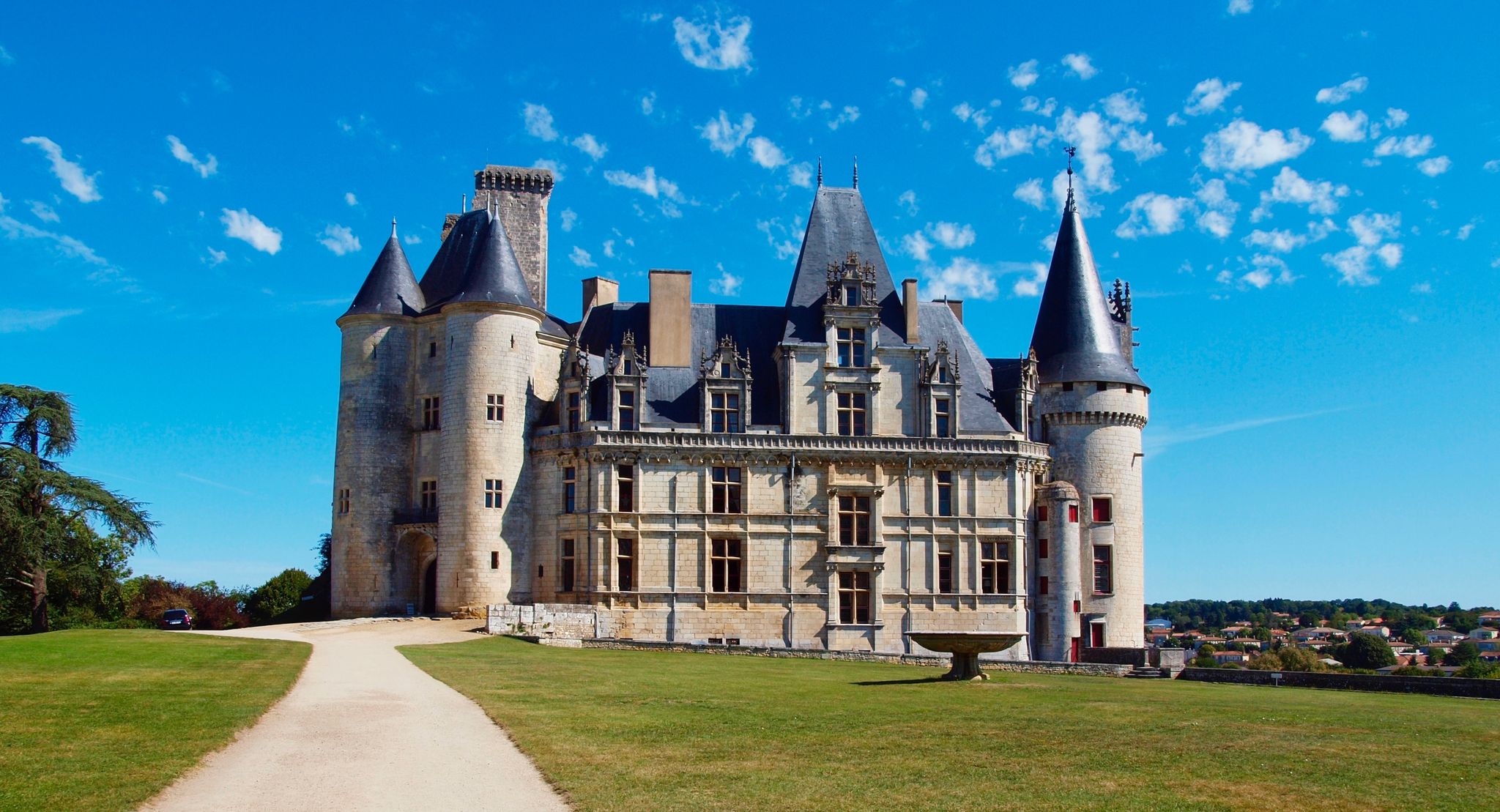
Crossing the Charente by MTB – forests to vineyards
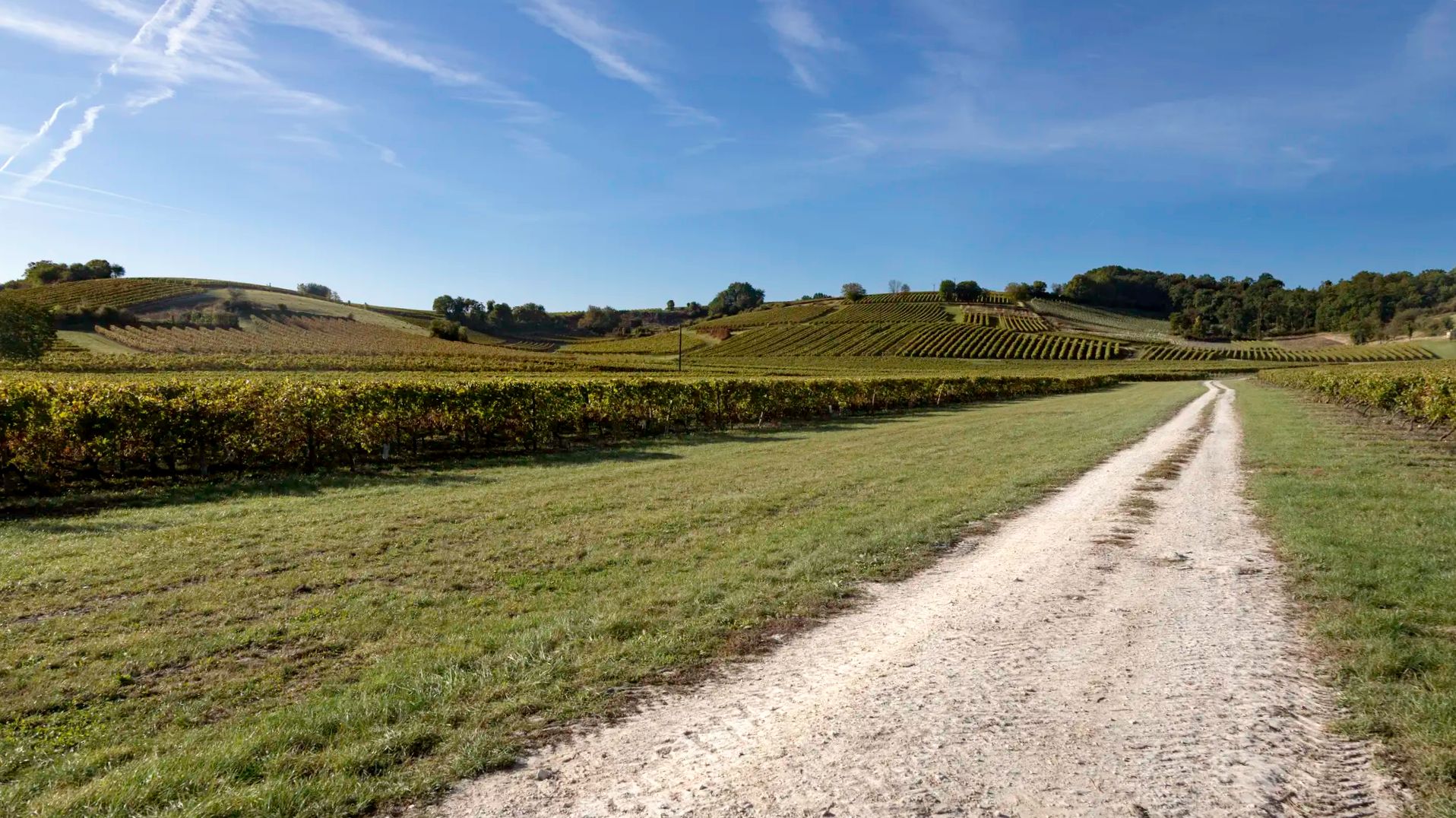
History and local produce – Tour de la Charente MTB
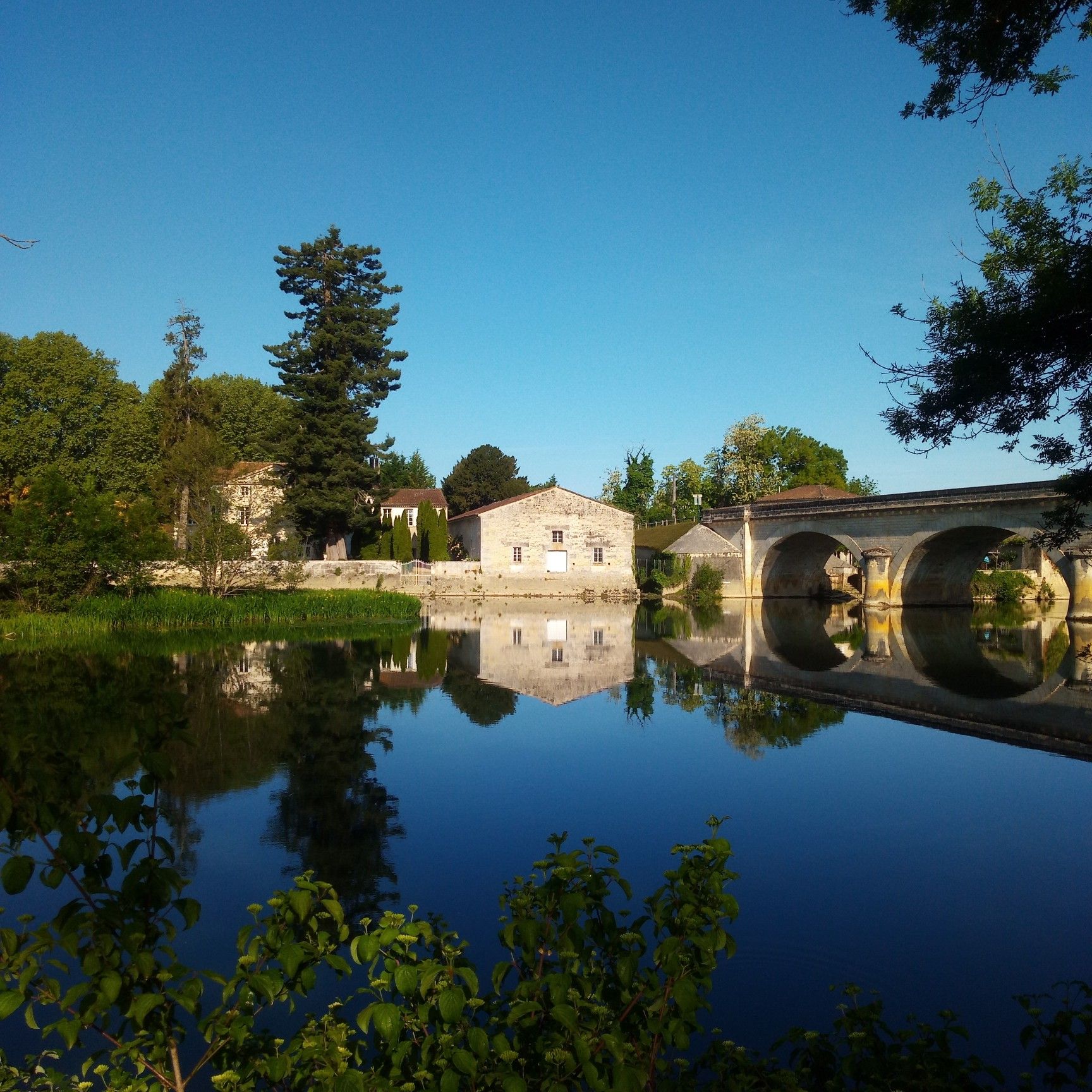
The Flow Vélo – a route that transports you
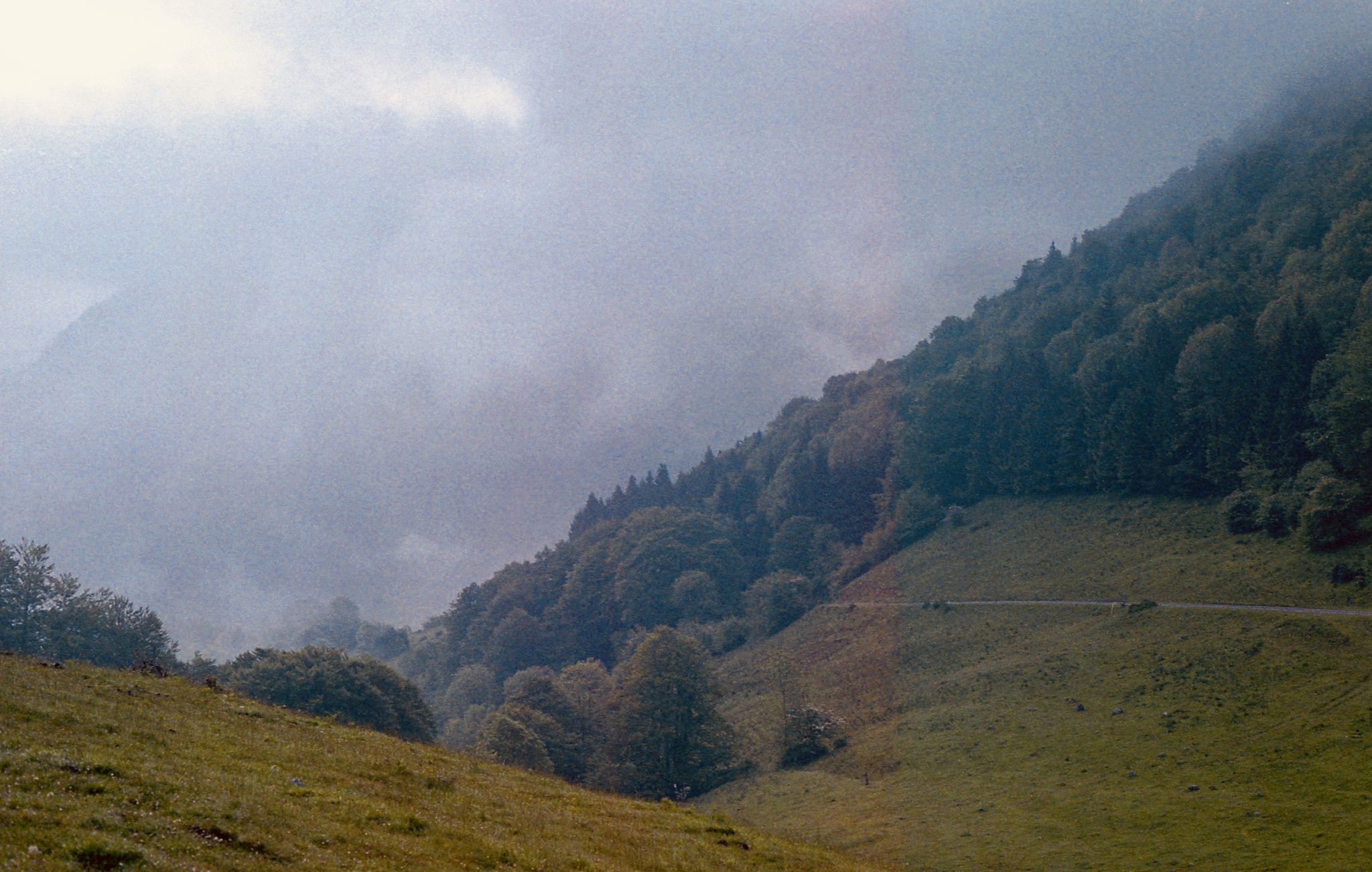
Tracing your route -- Solo from Paris to the edges of the Pyrenees
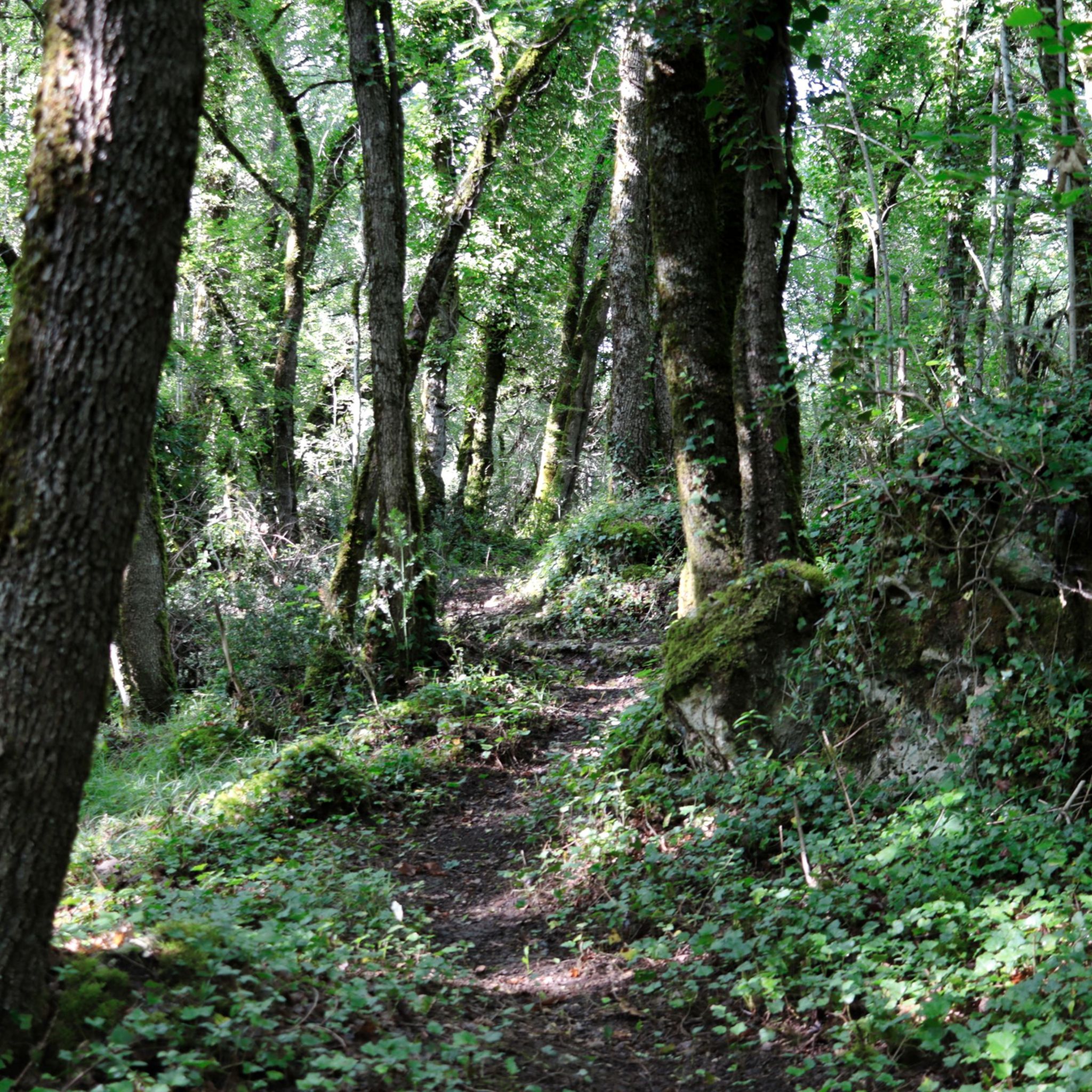
Πεζοπορία Charente
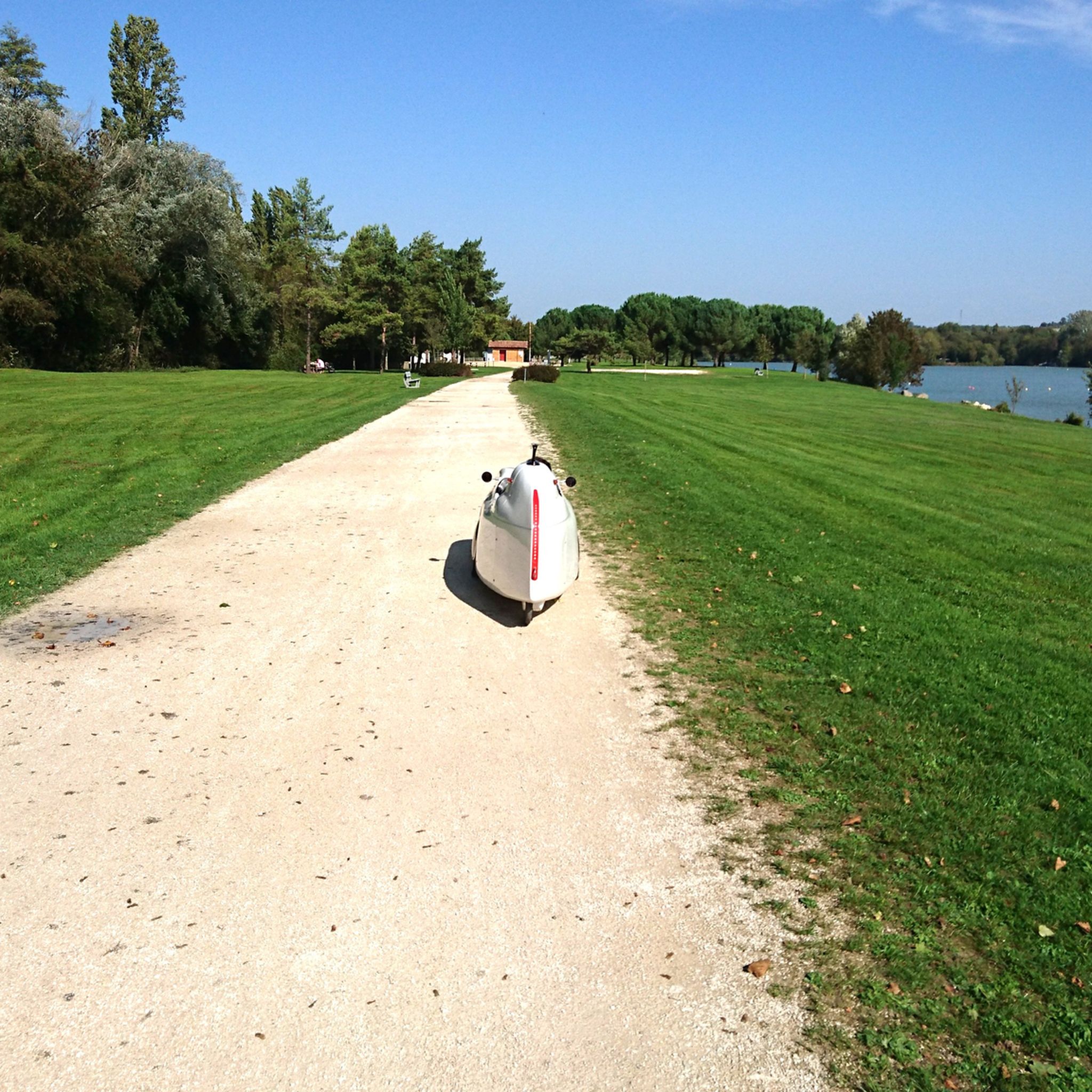
Ποδηλατικές διαδρομές Charente
Άλλες περιπέτειες Charente


Συμβουλές από την κοινότητα

This fountain is really very pretty
1
0
The Tonne Fountain is located in Vindelle, Charente (16), and is a highlight of a popular hiking trail that winds along the banks of the Charente River and through rolling landscapes, offering a refreshing break, often featuring a beautiful sculpted fountain that invites contemplation. Location: In the commune of Vindelle, near Angoulême, it is a popular destination for walks. How to find it: You will find it by following a marked path from the parking area, which passes through hamlets such as Puant and Le Cluzeau. Hiking Trail: The Angoulême Tourist Office offers detailed itineraries for discovering this fountain, often called the Tonne Fountain (and not Tenne), and its surroundings, according to www.angouleme-tourisme.com and www.infiniment-charentes.com. Special feature: It is a sculpted fountain, the work of a local resident, nestled between river and forest, near Mysterra (if we refer to a similar article), which attracts walkers.
0
0
These very special limestone cliffs have been forged over time by past human activity. The trails take you through these remains but also to overlook them, offering an unmissable view of the Eaux Claires valley.
0
0

Artificial natural site formed by the exploitation of a clay quarry
2
0

The trail offers a beautiful view of the blue lake of Guizengard. The water takes on a thousand azure hues, creating an almost unreal setting. The site has great ecological value with the presence of numerous plant and animal species. Among the most remarkable, the bee-eater, this beautiful, brightly colored bird has found refuge here to the delight of walkers.
0
0
This imposing holm oak is approximately 500 years old. We do not know if it was planted on the occasion of the birth of the future king of France François I in 1494, on the occasion of his coronation in 1515 or on the occasion of his death in 1547. What we do know, however, is that it measures 17 meters high with a trunk circumference of 5.5 meters. Classified as a “remarkable tree”, it was even elected “tree of the year” in 2014 by the National Forestry Office.
0
0

The hunebed stands on a ledge halfway up the hill. The tumulus which covered it has disappeared. This dolmen is of an imposing and unusual height in the region. The deck table rests alone on three perfectly square pillars 2.20 m high. Several orthostats show traces of wear or write-off attempts by stonemasons [ 2 ] . All orthostats are of shell limestone [ 3 ] . The table, in sandstone , measures 5.40 meters long and 4.40 meters wide for a maximum thickness of 0.90 m, it weighs about 40 tons. The room opens to the southeast, the presumed entrance corridor that originally existed has completely disappeared [ 2 ] . The plan of the burial chamber seems to have been dictated by the shape of the deck table, making it a totally atypical dolmen [ 4 ] . The dolmen has been emptied a long time ago as it has been listed as such since 1826
2
0

The natural site of the fountain of Tonne corresponds to a line of resurgent springs that we follow on the slope of the right bank of the Charente valley; they correspond to the outcrop of the base of a bench of clayey limestone from the Upper Jurassic. In the same geological situation, we find the fountain of La Faye, that of Font des rentes, the source of Ladoux in Marsac, the Font Pélerine not far from Bouchauds, as well as further south, the Breuillerie and the Pierre Levée on the commune of Trois-Palis. As in any karstic-type hydrogeology, the water from the fountain arrives in the open air after a long underground journey; even in periods of summer low water or severe drought, the source remains supplied. A narrow: pipe cut in the rock allows to concentrate the waters at the place of their exit. The very high concentration of carbonates in the water causes the precipitation of these in the form of solidification of porous rock which advances into the upper basin of the fountain. The fountain is also a favorable environment for a micro fauna of amphibians, frogs and salamanders, and the embankments that surround it see the appearance of pentecostal orchis purpurea (orchids) every year. The village of Tonne was only connected to running water from 1966, so the fountain was used until that time. It was restored in 1992 by the inhabitants of Vindelle, then in 2001 through an integration project which restored the pavement that surrounds it. The path is listed on a pilgrimage route to Santiago de Compostela.
4
0
Οι πιο δημοφιλείς διαδρομές Charente
Τα πιο δημοφιλή αξιοθέατα Charente

Εμπνεύσου με την εφαρμογή komoot για κινητά


Ανακάλυψε περισσότερα
Επέκτεινε την αναζήτησή σου για τις καλύτερες σπηλιές βλέποντας αυτούς τους οδηγούς με τα κορυφαία Charente:
