Τα 8 καλύτερα κάστρα Buisson
Μια επίσκεψη σε ένα κάστρο — είτε το ανακαλύψετε κατά τη διάρκεια μιας πεζοπορίας είτε το εξερευνήσετε με ξεναγό — είναι πάντα κάτι ξεχωριστό, και έχετε 8
πανέμορφα κάστρα να επιλέξετε Buisson. Περιηγηθείτε στη λίστα μας για να βρείτε το αγαπημένο σας κάστρο και προσθέστε λίγη ιστορία στην επόμενη περιπέτειά σας!
Τελευταία ενημέρωση: 27 Αυγούστου 2026
Pont romain de Vaison-la-Romaine
Highlight • Γέφυρα
The town is …
Μετάφραση από Google •
Συμβουλή από

Crestet Village
Highlight • Οικισμός
There's not much going on gastronomically. A restaurant with a great terrace - but …
Μετάφραση από Google •
Συμβουλή από

Εγγράψου τώρα για να ανακαλύψεις μέρη σαν αυτό
Λάβε προτάσεις για τα καλύτερα single tracks, κορυφές και πολλά ακόμα συναρπαστικά υπαίθρια μέρη.
Εγγραφή δωρεάν
Le château comtal de Vaison
Highlight • Κάστρο
Μετάφραση από Google •
Συμβουλή από

Commanderie des Templiers de Richerenches
Highlight • Ιστορικός χώρος
The Commandery of Richerenches was founded in …
Μετάφραση από Google •
Συμβουλή από

Vieux village de Cairanne
Highlight • Ιστορικός χώρος
Μετάφραση από Google •
Συμβουλή από

Εγγράψου δωρεάν για να ανακαλύψεις ακόμα περισσότερα κάστρα Buisson.
Εγγραφή δωρεάν
Έχεις ήδη λογαριασμό;
Ξεκίνα σήμερα με έναν δωρεάν λογαριασμό
Η επόμενη περιπέτειά σου σε περιμένει.
Σύνδεση ή εγγραφή

Συμβουλές από την κοινότητα

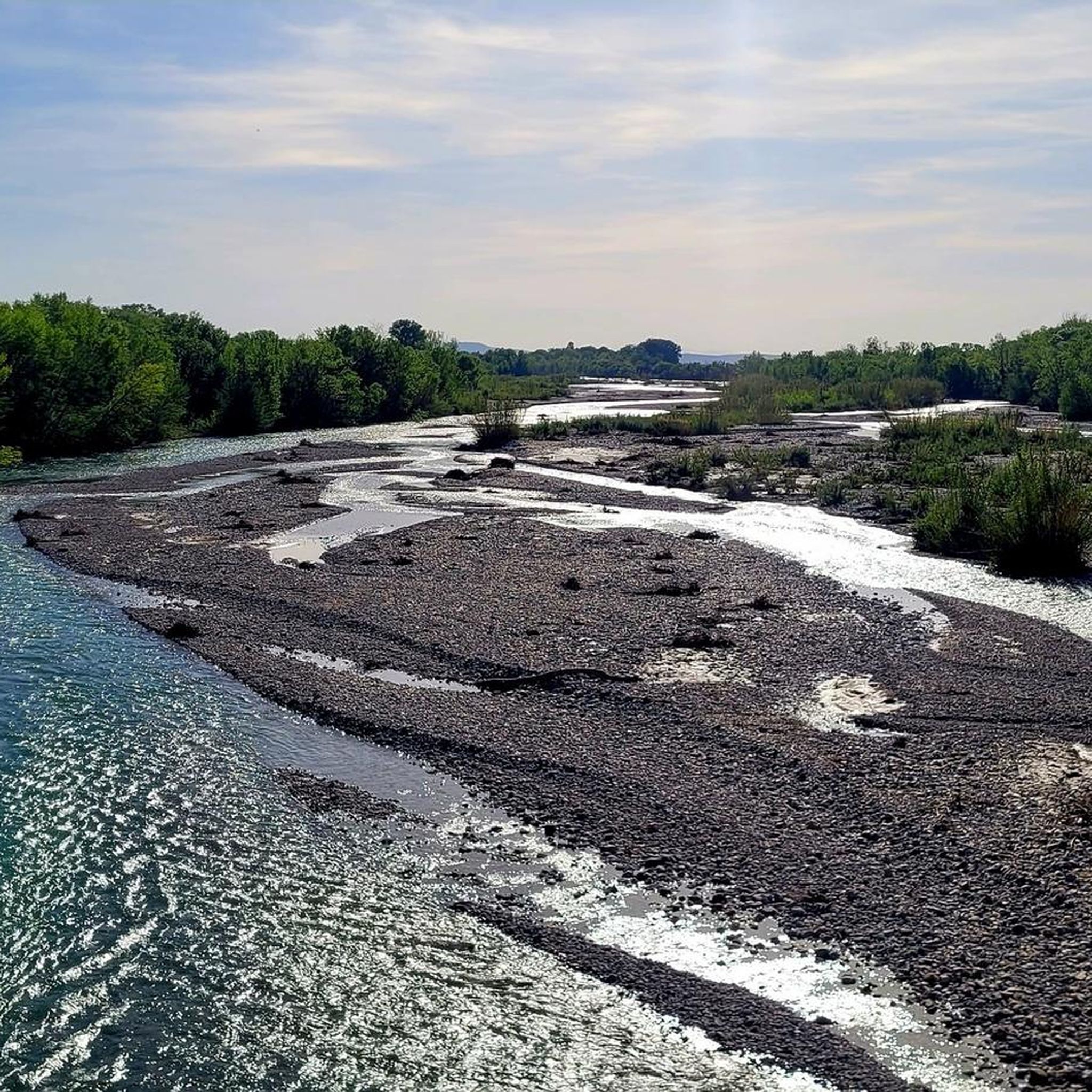
Αυτήν τη στιγμή δεν μπορείς πραγματικά να πλησιάσεις ή να μπεις, αλλά η θέα από εδώ πάνω είναι υπέροχη.
0
0

Το Κάστρο των Ναϊτών Ιπποτών στο Richerenches είναι μια ιδιαίτερη επίσκεψη. Εδώ, μπορείτε να ακολουθήσετε τα βήματα του μυθικού Τάγματος των Ναϊτών Ιπποτών που ίδρυσε εδώ μια πρωτόγνωρη διοίκηση. Οι Ναΐτες Ιππότες άφησαν ένα βαθιά ριζωμένο αποτύπωμα στο έδαφος για 2 αιώνες πριν την αναχώρησή τους· η αρχιτεκτονική του ίδρυση είναι πολύ όμορφη, δημιουργημένη από τους Ναΐτες Ιππότες, μια ομάδα στρατιωτών εμπνευσμένων από τη φυσική ομορφιά της περιοχής. Στο εσωτερικό, θα μπορείτε να δείτε αφιερώματα στο Τάγμα: είναι μια απόλαυση που δεν πρέπει να χάσετε αν περάσετε από το Rivesrenches και είναι η καλύτερα διατηρημένη διοίκηση της Προβηγκίας (ένα γοητευτικό μικρό χωριό μεσαιωνικού στυλ που προσελκύει με τις γαστρονομικές του τρούφες). Ένας πραγματικός ιστορικός κόμβος και άφθονο πολιτιστικό κληροδότημα για να ανακαλύψετε στον χώρο σε σχέση με το παρελθόν του! Μικρό χωριό, μεγάλος πολιτιστικός πλούτος.
1
0

Born from the conflicts between the counts of Toulouse and the episcopal power, the castle of Vaison-la-Romaine, built between the 12th and 14th centuries, still dominates the entire town.
0
0

The question that now arises is why the inhabitants of Vaison came to settle near the castle instead of staying below. We have seen that the Vaisonnais were burdened with royalties by the Bishop, yet the Count didn't ask for much: only a few pennies for their house located near the castle... The population clearly didn't hesitate in 1253; more than 100 houses were located there... A study as part of a master's thesis in medieval archaeology by Isabelle Cartron in 1989 reported the presence of 37 "notched huts" distributed across three sectors with notches up to 1.30 meters deep, as well as the outline of an old pipe or drain. Four huts retained the marks of postholes. Exterior staircases are also visible in two places. This reproduction shows the location of two areas to the west of the castle that correspond to the aerial photo. Whether these were dwellings, storage areas, or temporary animal shelters, no scientific research has been conducted to date to elucidate these developments. To the right of the castle, you can see "stairs" or "steppes" corresponding to the foundations of the houses around the castle. It is therefore reasonable to imagine that there were several houses around the castle. "In 1209, with the Council of Saint Gilles, the Count was dispossessed of everything. The Bishop of Vaison then probably occupied the castle until 1251, when he returned it to the Count. These two facts explain the development of the "upper town." The Count showed ingenuity by establishing a castle next to the town of Vaison, encouraging the migration of inhabitants near him. Thus, at the end of the 12th century, the city on the plain, after having existed for more than 12 centuries, disappeared... The conflict was not definitively settled until 1253, when rights were divided between the Count and the Bishop. Everything took a different turn in 1274, when the Popes took possession of the Comtat Venaissin. An agreement was then reached between the bishops and the latter, and a garrison was placed in the castle. Thus, the episode of the Counts of Toulouse changed the landscape of Vaison. Without them, our "upper town" would never have existed.
0
0
“In Vaison, the bishop has owned the town of Vaison, its market, its oven, its mill, and the surrounding lands since 1108. He exercises domination over the population, which is overwhelmed by taxes, corvées of oats and wine, house taxes, tithes, champart, etc. The bishop in his “Palatium” is both master and judge. Thus, around 1160, the Count of Toulouse, Raymond V, intervened against this domination. It is said that he attacked the town, then on the plain (the 12th-century city is around the cathedral; these are indeed medieval buildings and not a reoccupation of Gallo-Roman houses). Between 1160 and 1170, there was a lull. Raymond VI returned around 1175, employing a different strategy. Instead of seizing the lower town, he attempted to create another on the hill that was his face. This is why he decided to build a castle there.” “Originally, therefore, this castle had nothing to do with military matters; it was a symbol of power. In 1175, the Count began by building a wooden castle, perhaps a motte (a conical mound on which a wooden tower was built). Observing the current construction, we believe we have discovered the remains of this motte, carved into the rock, on top of which the stone keep was later built. The Count used this type of “archaic” fortification for its speed of execution but also because it is symbolic.” “With this motte, the Count settled in Vaison. Very quickly, around 1180-85, the wooden tower was replaced by the stone keep, in the construction of which the men of Vaison participated: “every man is obliged, at one time or another, to work on the tower.” “The keep is the castle's most beautiful architectural feature: it is a 9-meter by 8-meter tower with two levels of pointed barrel vaulting. It was accessed from the south through a system of high doors and hidden staircases, characteristic of Roman keeps. It was surrounded by a rectangular wall, within which two buildings were later added to the north and west before 1200.” These buildings housed residential rooms on the ground floor, outbuildings and a cistern on the first floor, a large room, the “aula,” and a large bedroom. This was where the Count's bailiff lived. The Count owned little in Vaison. Besides some land, he owned the castle, the bridge toll, a furnace, and a mill.
0
0

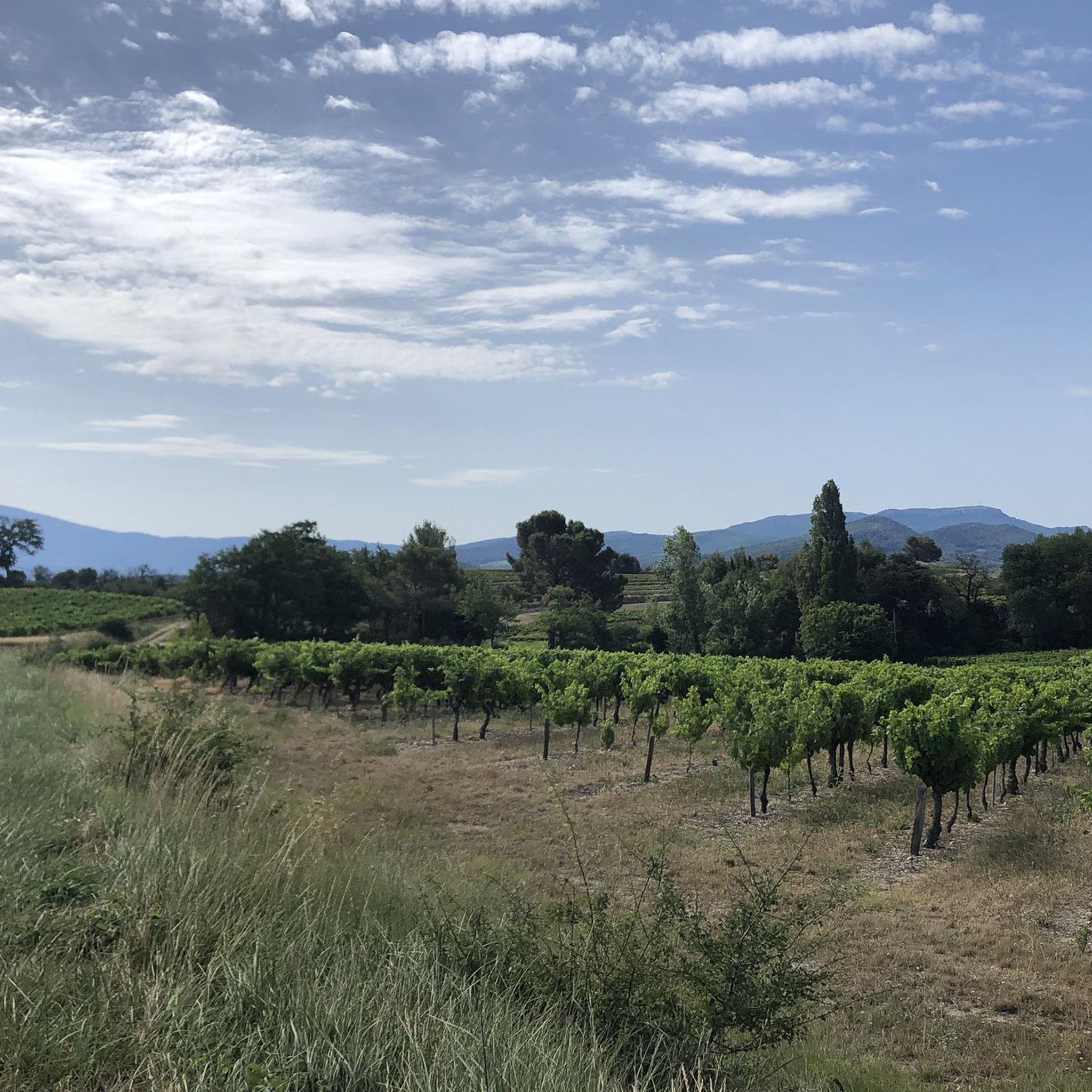
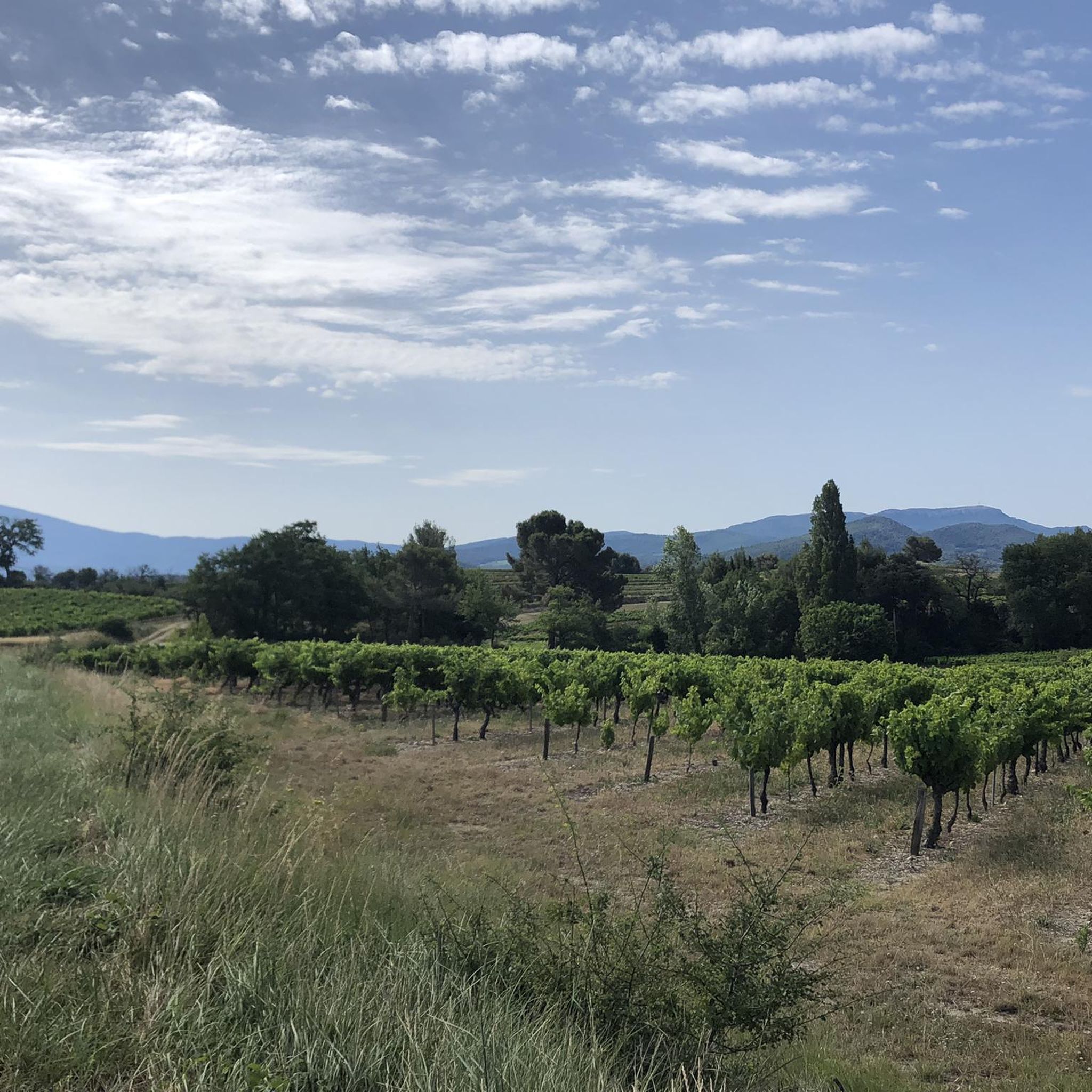
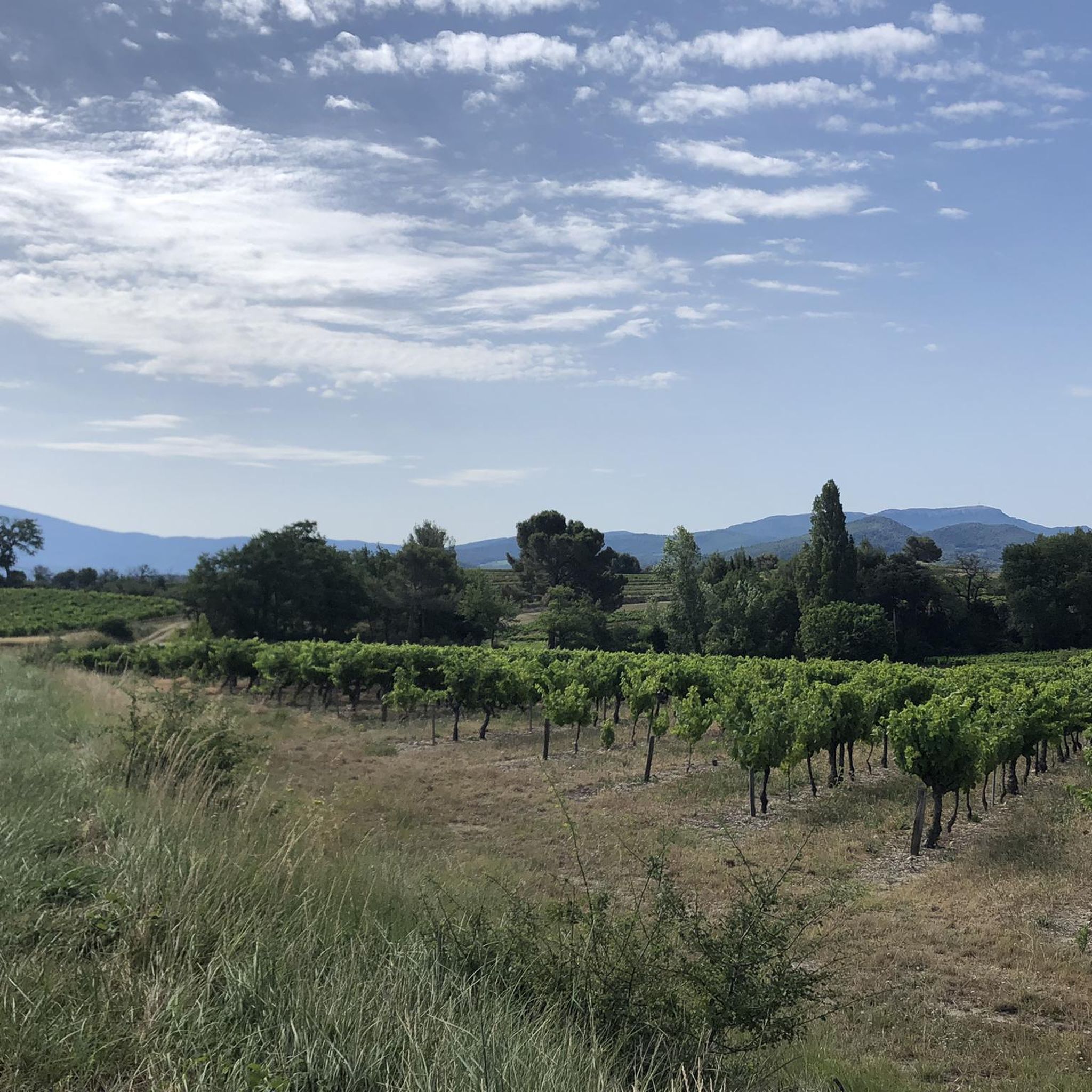
Perched on its promontory, the old village of Cairanne offers lovely views of the vineyards of the Rhône valley. Among its heritage, the ramparts, the chapels and the old keep are worth noting.
0
0

The history of this superb village with its narrow streets and numerous religious buildings is closely linked to the order of the Templars. The Commandery of Richerenches was founded in 1136 by the Templar brother Arnaud de Bedos. The Order of the Temple drained the surrounding marshes to practice horse breeding and the cultivation of wheat and vines. A fortified farm was built and then a chapel. This town in the Comtat Venaissin is rich in history.
0
0

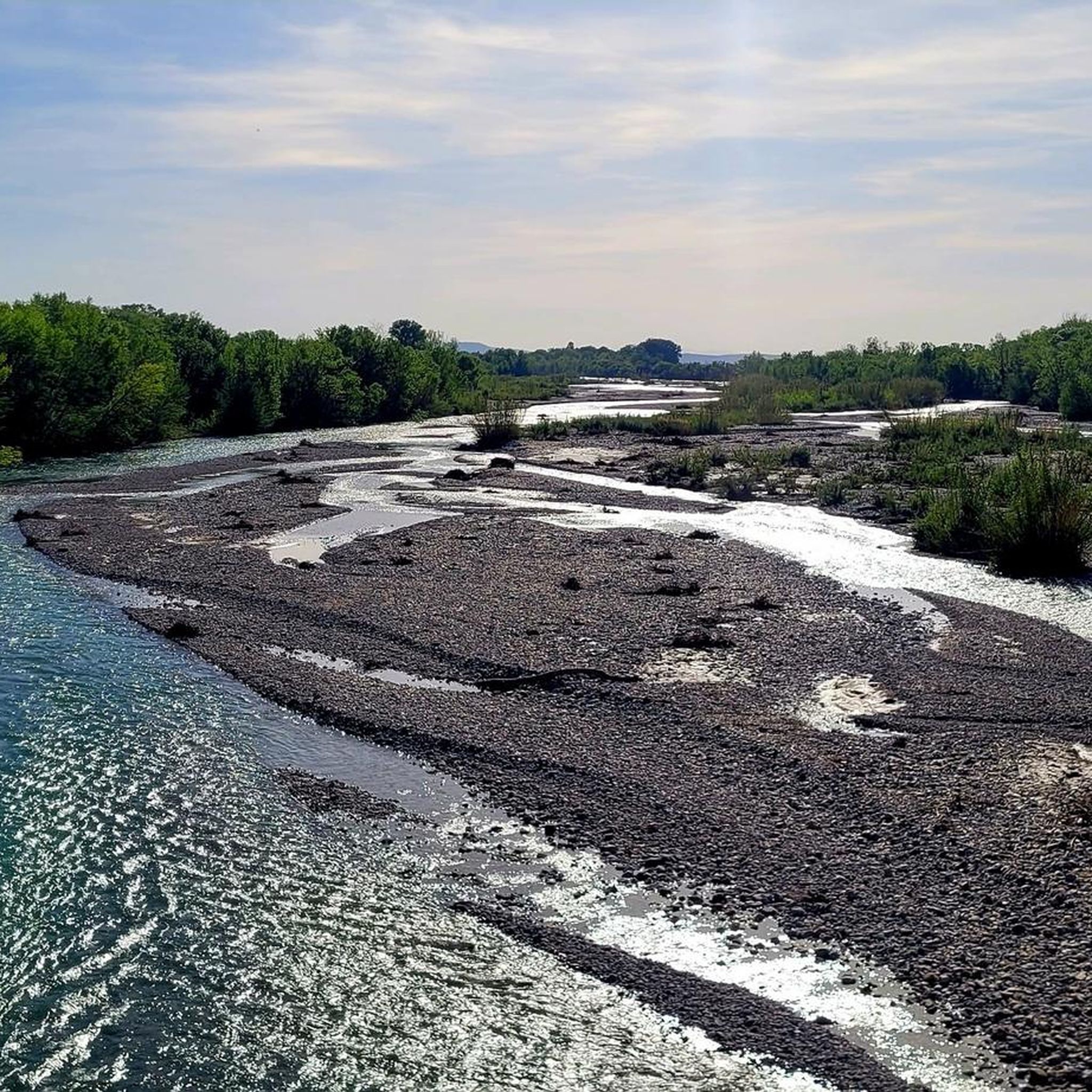
Vaison-la-Romaine is a town nestled in the heart of the Vaucluse region. It is renowned for its rich historical and cultural heritage, especially its ancient Roman roots. The town is divided into two distinct areas: the upper town, perched on a hill and crowned by a medieval castle, and the lower town.
2
0
Οι πιο δημοφιλείς διαδρομές Buisson
Τα πιο δημοφιλή αξιοθέατα Buisson

Εμπνεύσου με την εφαρμογή komoot για κινητά


Ανακάλυψε περισσότερα
Ψάχνεις τα καλύτερα κάστρα αλλού; Ανακάλυψε άλλους οδηγούς Buisson:
