Αξιοθέατα και μέρη για επίσκεψη Τάραντας - Top 20
Υπάρχουν πολλά μέρη να δείτε και να επισκεφθείτε Τάραντας. Είτε αγαπάτε την πεζοπορία είτε την ποδηλασία, Τάραντας είναι μια περιοχή όπου 20
κρυμμένα στολίδια περιμένουν να ανακαλυφθούν. Δείτε τα καλύτερα αξιοθέατα της περιοχής και σχεδιάστε την επόμενη περιπέτειά σας σήμερα.
Τελευταία ενημέρωση: 9 Οκτωβρίου 2026
Salina dei Monaci Nature Reserve
Highlight • Φυσικό
Μετάφραση από Google •
Συμβουλή από

Bosco delle Pianelle Nature Reserve
Highlight • Δάσος
In front of the entrance to the wood, the rest and refreshment area
Μετάφραση από Google •
Συμβουλή από

Εγγράψου τώρα για να ανακαλύψεις μέρη σαν αυτό
Λάβε προτάσεις για τα καλύτερα single tracks, κορυφές και πολλά ακόμα συναρπαστικά υπαίθρια μέρη.
Aragonese Castle of Taranto
Highlight • Κάστρο
Μετάφραση από Google •
Συμβουλή από

Chiesa di Sant'Antonio da Padova
Highlight • Θρησκευτικός χώρος
Μετάφραση από Google •
Συμβουλή από

Alberobello–Locorotondo Cycle Route (IT02)
Highlight (Segment) • Ποδηλατόδρομος
Μετάφραση από Google •
Συμβουλή από

Doric Columns of the Temple of Poseidon
Highlight • Ιστορικός χώρος
Μετάφραση από Google •
Συμβουλή από

Ponte Girevole di Taranto
Highlight • Γέφυρα
Μετάφραση από Google •
Συμβουλή από
Ponte di Pietra (Porta Napoli Bridge)
Highlight • Γέφυρα
Μετάφραση από Google •
Συμβουλή από
Gravina di Riggio
Highlight • Φαράγγι
Μετάφραση από Google •
Συμβουλή από
Grotta di Bucito
Highlight • Σπήλαιο
Μετάφραση από Google •
Συμβουλή από

Εγγράψου δωρεάν για να ανακαλύψεις ακόμα περισσότερα αξιοθέατα στον Τάραντα.
Έχεις ήδη λογαριασμό;
Ξεκίνα σήμερα με έναν δωρεάν λογαριασμό
Η επόμενη περιπέτειά σου σε περιμένει.
Δημοφιλή γύρω από Τάραντας
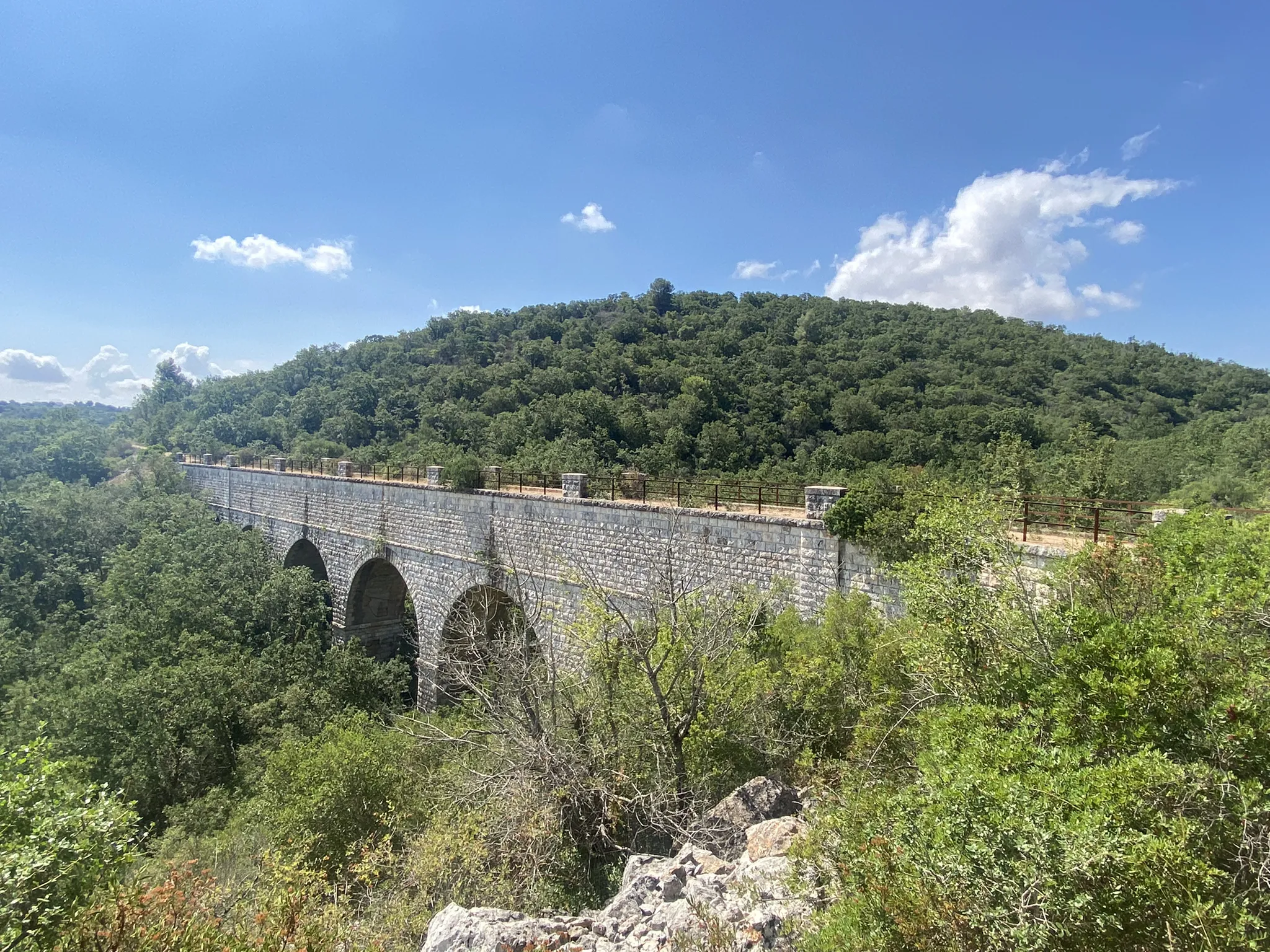
Discovering Puglia by bike – essential rides
Caposele to Santa Maria di Leuca – Apulian Aqueduct Cycle Route
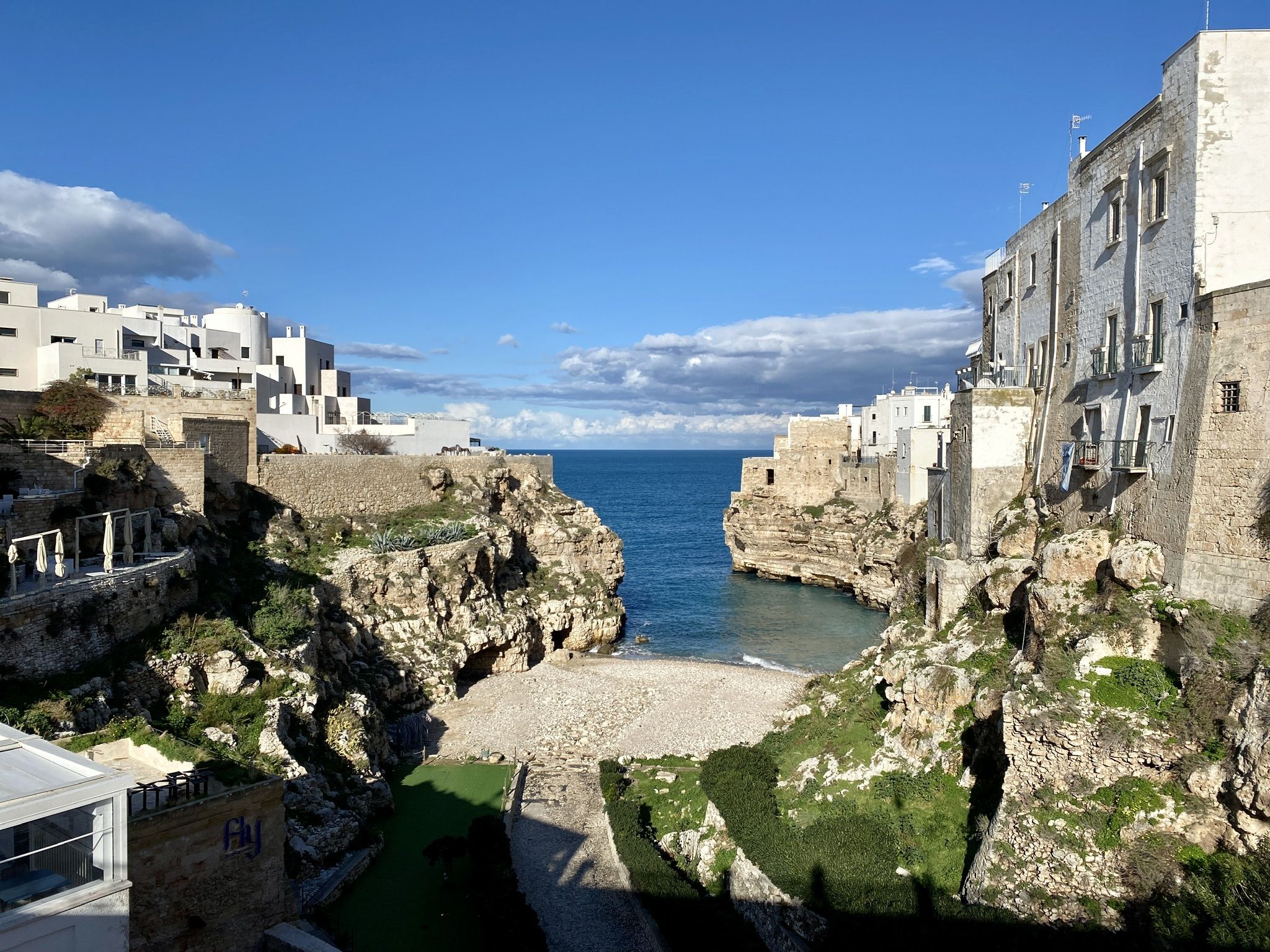
Sea, culture, taste and nature — Italy’s Puglia by bike
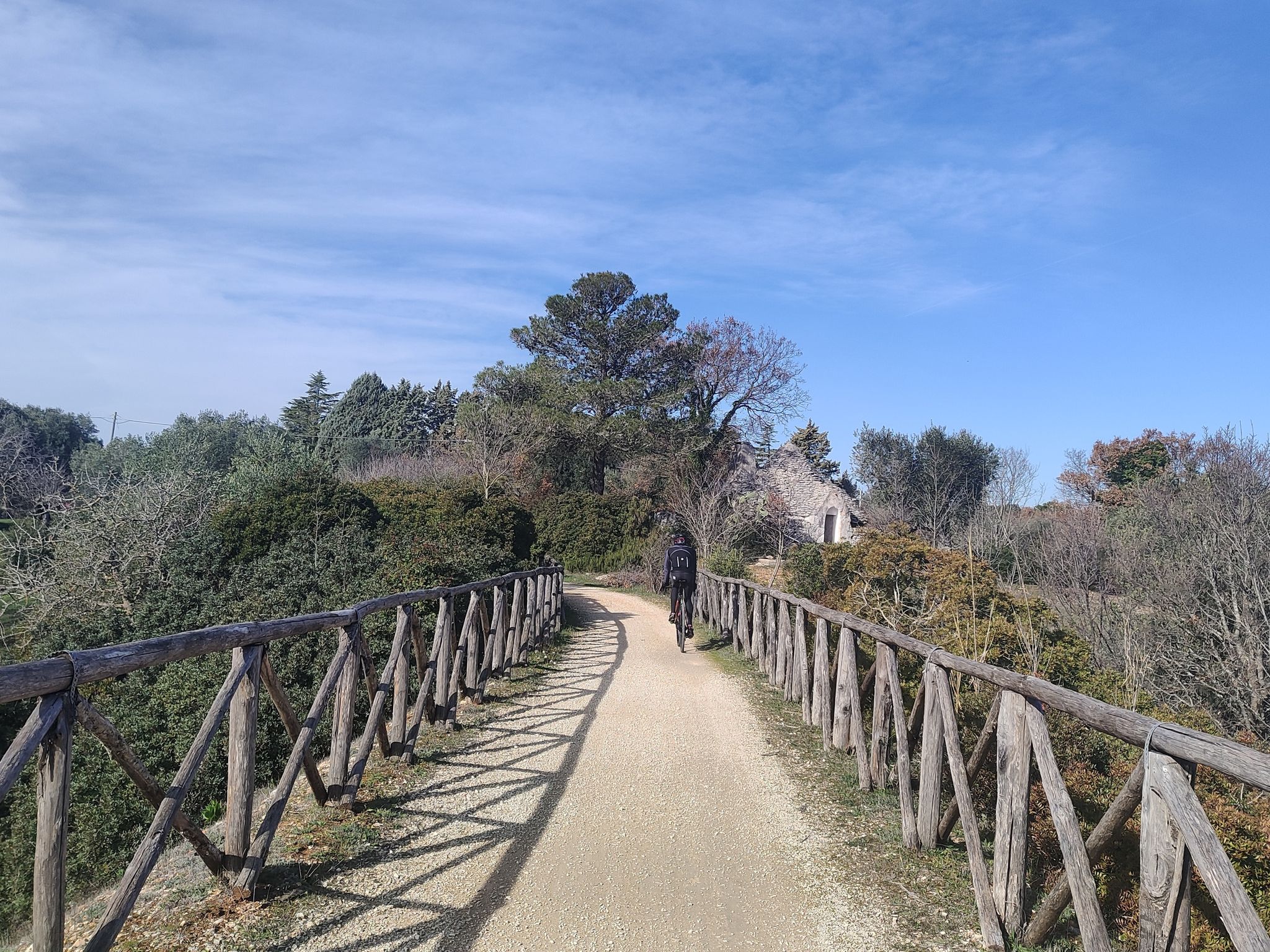
Ciclovia Anello d'oro di Puglia - Viaggio nella Puglia profonda
Anello d'oro di Puglia - Trekking nella Puglia profonda
Ποδηλατικές διαδρομές Τάραντας
Διαδρομές ποδηλασίας Τάραντας
Πεζοπορία Τάραντας
MTB μονοπάτια Τάραντας
Διαδρομές τρεξίματος Τάραντας
Άλλες περιπέτειες στον Τάραντα


Συμβουλές από την κοινότητα

Προσωρινά κλειστός για την κυκλοφορία επιτρέπει να το απολαύσετε καλύτερα με το ποδήλατο
0
0

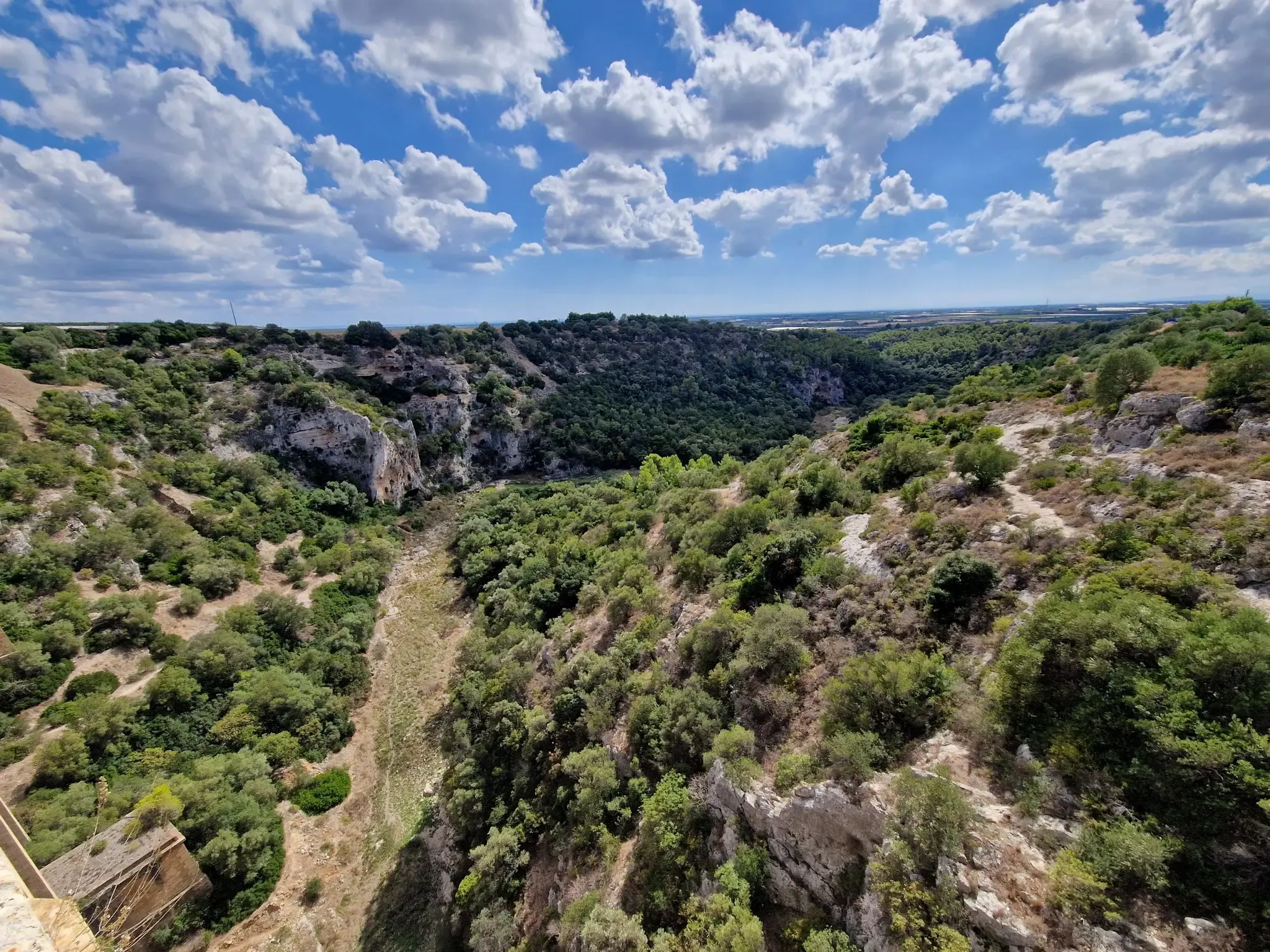
A valley with a small lake, a small natural waterfall—unique in Puglia—and numerous historical sites, from prehistory to the 10th century. A small paradise that many may not know, yet it lies within our territory. We're talking about the Gravina di Riggio, a place of great natural and historical value. A few kilometers from the city, the Gravina di Riggio is a deep valley characterized by a waterfall, a small lake, and a small stream, as well as numerous relics related to the phenomenon of "living in caves." Of particular note is "il Caggione," a circular chasm located near the waterfall. On its sheer walls, a cave village spread across three levels of caves is clearly visible. The remains of a fortification wall, some graffiti, and fragments of pottery date back to the Greek and Roman periods. Finally, the area was heavily inhabited during the Middle Ages, as evidenced by the two frescoed rock churches, the cenobitic hermitage, the pit burials, and a village with communal facilities such as water cisterns and a granary. The Gravina di Riggio rises 4 kilometers from Grottaglie, in the province of Taranto, and is a valley 1,300 meters long and 25 meters deep. In addition to being home to many animal and plant species, it is famous for its caves, some of natural origin, others man-made. The Gravina di Riggio is unique for its waterfall, which after a 15-meter drop feeds a small lake and a stream. The Church-Crypt of the Savior, with frescoes from the 10th and 11th centuries, is also beautiful. A special place not to be missed.
0
0


The origins of the fortress of Taranto date back to Byzantine times. The current appearance of the complex dates back to Ferdinand of Aragon, who had the outdated castle converted into a modern fortress at the end of the 15th century. The fortifications were further reinforced by the Spanish in the 16th century. At the end of the 19th century, the Aragonese Castle passed to the Italian Navy, which still owns the complex today.
14
0
Taranto's old town lies on an island between the Mare Piccolo and Mare Grande, connected to the mainland by only two bridges. Many people here still make their living from fishing and the oyster beds of the Mare Piccolo. The sea is present everywhere, even in the paintings of street artists.
17
0

In some parts the sand on the trail is quite thick: if you are travelling with a very heavy bike it might be better to push it.
0
0

The Salina dei monaci of Torre Colimena is a small earthly paradise located on the Ionian coast of Salento a few kilometers from Porto Cesareo
0
0
"The Bucito Cave", in Grottaglie I'll make a very brief introduction: generally the manifestations of worship in caves, here, refer to what is the devotion for the Archangel Michael (quis ut Deus). And we owe this to the Lombards who made him their national saint. I would not leave out, however, the Byzantines of Puglia among whom this saint enjoyed enormous popularity. "The Grottaglie area, like other places in the area, has been inhabited by man since the most remote times. In fact, in some districts (Bucito, Coluccio and Lonoce) roughly worked stone tools, splinters and processing residues have been found, belonging to the Paleolithic, that is, to the period of the Ancient Stone. The Buccito Cave (or Coluccio), near Grottaglie, is located at an important road junction, closely connected to the Tratturo Martinese. These are the oldest signs of the presence of man in our territory. In the Neolithic Age (from the mid-5th to the first centuries of the 4th millennium BC) the first agricultural villages began to emerge (Bucito and Caprarica). Caves and natural caverns were then used in all phases of the Bronze and Iron Ages, especially in the villages of Riggio, Lonoce, Fullonese and Pensieri. In the last period of the Bronze Age, the agricultural economy took over from pastoralism, so the ravines were gradually abandoned to form small urban-type settlements. This process was however stifled with the foundation of Taranto by Spartan colonists (towards the end of the 8th century BC)” (From metropolis.it) Why is it called that? The cave takes its name from the Greek term βοῦς, βοός- bus,- or “ox” and οἰκία or “house, shelter, dwelling” and therefore, originally, indicated a place of shelter for these animals. The Greek etymology is evidence of both Magna Graecia, of Byzantine d+-++-homination and of the subsequent presence of the Basilian monks in our territory For some years, in this cave, the mass of December 24th was celebrated. Suggestive! A custom that would be nice to resume, both for our religion and for our traditions.
0
0
Οι πιο δημοφιλείς διαδρομές στον Τάραντα
Τα πιο δημοφιλή αξιοθέατα στον Τάραντα

Εμπνεύσου με την εφαρμογή komoot για κινητά


Δεν βρήκες αυτό που ψάχνεις;
Θες να εξερευνήσεις περισσότερα εκπληκτικά μέρη κοντά σου; Περιηγήσου τους οδηγούς:
Ανακάλυψε περισσότερα
Δεν βρήκες ακόμη το Highlight που ψάχνεις; Δες οδηγούς για τα κορυφαία αξιοθέατα σε άλλες περιοχές:
