Αξιοθέατα και μέρη για επίσκεψη Prebberede - Top 20
Υπάρχουν πολλά μέρη να δείτε και να επισκεφθείτε Prebberede. Είτε αγαπάτε την πεζοπορία είτε την ποδηλασία, Prebberede είναι μια περιοχή όπου 20
κρυμμένα στολίδια περιμένουν να ανακαλυφθούν. Δείτε τα καλύτερα αξιοθέατα της περιοχής και σχεδιάστε την επόμενη περιπέτειά σας σήμερα.
Τελευταία ενημέρωση: 25 Σεπτεμβρίου 2026
Polchow Church
Highlight • Θρησκευτικός χώρος
Μετάφραση από Google •
Συμβουλή από

Gutshaus Dalwitz
Highlight • Ιστορικός χώρος
Μετάφραση από Google •
Συμβουλή από

Εγγράψου τώρα για να ανακαλύψεις μέρη σαν αυτό
Λάβε προτάσεις για τα καλύτερα single tracks, κορυφές και πολλά ακόμα συναρπαστικά υπαίθρια μέρη.
Teterower See
Highlight • Λίμνη
Μετάφραση από Google •
Συμβουλή από

Manor House Rossewitz
Highlight • Κάστρο
Μετάφραση από Google •
Συμβουλή από

St. Bartholomew's Village Church Recknitz
Highlight • Θρησκευτικός χώρος
Μετάφραση από Google •
Συμβουλή από
Εγγράψου δωρεάν για να ανακαλύψεις ακόμα περισσότερα αξιοθέατα Prebberede.
Έχεις ήδη λογαριασμό;
Ξεκίνα σήμερα με έναν δωρεάν λογαριασμό
Η επόμενη περιπέτειά σου σε περιμένει.
Συμβουλές από την κοινότητα

Το κάστρο στην ερημιά. Στο Rossewitz υπάρχει μόνο ένα άλλο σπίτι. Το κάστρο χτίστηκε μετά τον Τριακονταετή Πόλεμο – αυτό φαίνεται ακόμα στα στολίδια. Αν μπείτε στο πλαίσιο μιας ξενάγησης: Η αίθουσα χορού εκτείνεται σε ενάμιση όροφο, με μισό επίπεδο μεσοπάτωμα. Έχει επίσης διατηρηθεί μια ψευδαισθητική ζωγραφική αρχιτεκτονικής από το 1680. Μια λεπτομερής περιγραφή: www.gutshaeuser.de
0
0

Υπέροχη, μικρή φυσική πισίνα! 1€ είσοδος και ωραίο δροσιστικό νερό.
0
0


The Dalwitz Estate is located in Mecklenburg, about an hour from Rostock. It is owned by Dr. Heinrich von Basswitz and his wife, Countess Lucy von Basswitz. Here, you can spend a wonderful, relaxing vacation.
0
0

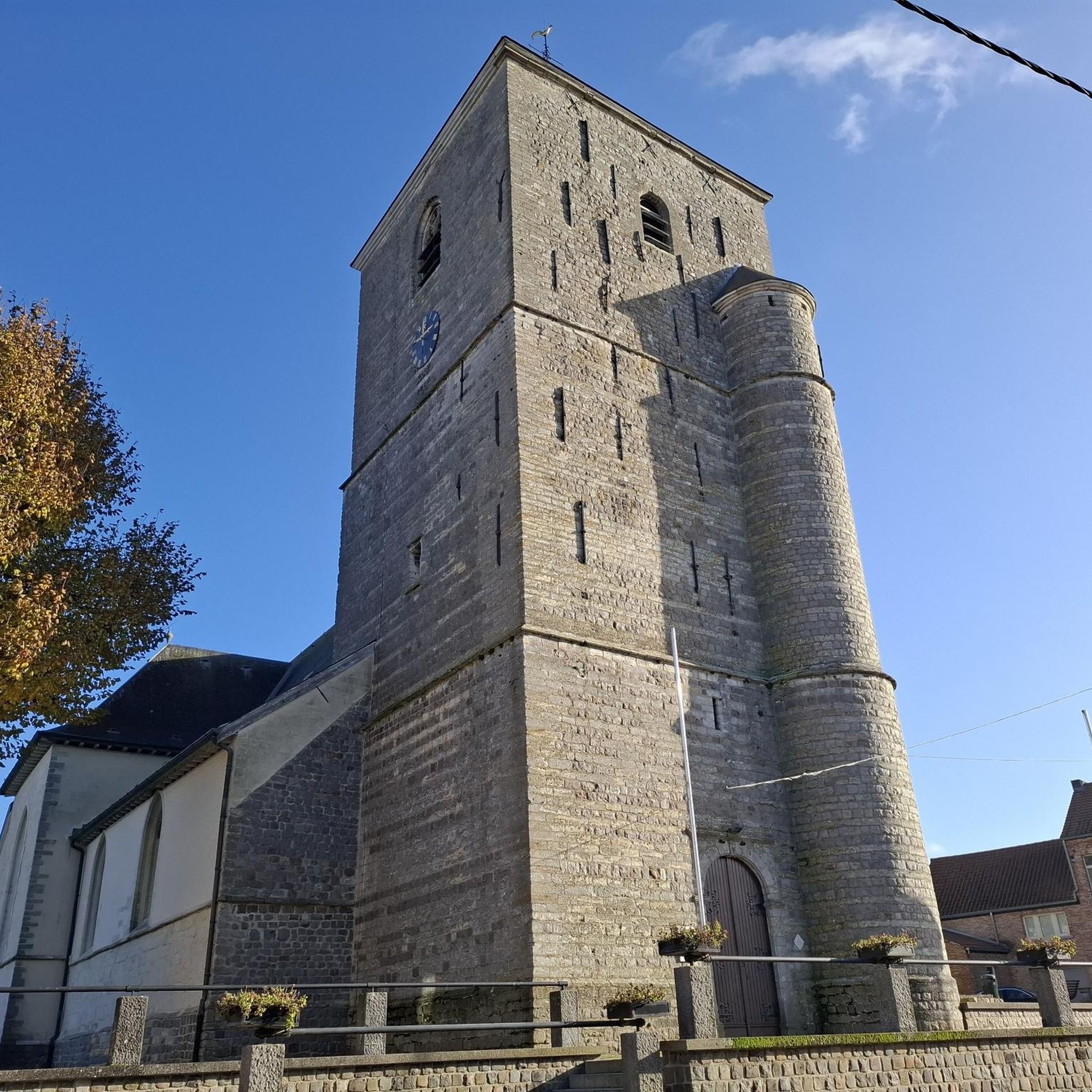
Polchow lay on Mecklenburg's oldest trade route, the Via Regia, which ran through this area 1,000 years ago and was already used by Slavic and Arab traders. The church in Polchow was built between 1888 and 1891 by Gotthilf Ludwig Möckel and is a neo-Gothic brick building with a recessed choir and a west tower, constructed over a three-year period. The choir windows depict the apostles Peter and Paul. The stone epitaph depicts the Crucifixion in its center, flanked by kneeling family members turning toward the scene of the crucifixion. Above it is the Resurrection. The old linden tree in the cemetery was declared a natural monument in 1937 and is considered the oldest linden tree in Mecklenburg. As early as 1886, its circumference was given as 13 meters.
1
0
Dalwitz was a manor village. Since 1349, the land around Dalwitz has been owned by the Counts of Bassewitz. Starting in 1992, Count Heinrich Bassewitz expanded the Dalwitz estate into an organic farm. The farm received the Agricultural Culture Prize in 1999 and the Thünen Medal in 2001. The manor house, built in the Swedish country house style in 1726, was remodeled and expanded in the Tudor style in 1855. After 1992, vacation apartments were built on the estate, as well as a riding stable with a riding facility and a restaurant. This offers numerous options for vacationers. The farm shop and the excellent restaurant "La Remise" offer supplies, as does the nearby small shop "Ihre Kette."
0
0

The 13th century church originally had the patronage of the Apostle Bartholomew. Mentioned for the first time in 1269, it belonged to the Schwerin diocese. It was the patronage church of the Rossewitz manor house. In the base zones there are two alliance coats of arms and one of the von Buch family, who had been the church patron since 1753. The masonry of the building consists of field and brick. The choir of the slightly longitudinally rectangular nave has been drawn in and is equipped with a blind gable. While the choir is still finished with the original eight-rib domical vault, the nave was covered with four cross-rib vaults over a central octagonal pillar with round services in the 14th century. The interior is lit by lancet windows in groups of two and three. On the south side there is a vestibule, which is also provided with a blind gable. The square, narrow-looking tower, like the hall, is made of mixed masonry. The upper part made of half-timbered and brick is crowned by a high hipped roof. The bell was cast in 1370. The church stands in the middle of a churchyard where several interesting tombstones and a mausoleum of the von Buch family have been preserved. - Wikipedia -
2
0
Solitary in the middle of fields, meadows and forests, Rossewitz is located - a mansion of indescribable charm. Gut Rossewitz was owned by the von Moltke, von Normann (Nortman) families and, from 1450 to 1782, the von Vieregge family. From 1780 Rossewitz was owned by the ducal chamber of Schwerin and was used by Friedrich Franz I as a hunting lodge, later it was Dominalgut and was leased to the von Voss family. As early as 1930, the manor house was not looking good, and it began to decline. From 1945 to 1972 the castle was a home for many refugee families. After the last residents moved out in 1973, it fell into disrepair. In 1973 the DEFA film "Die Wahlverwandschaft" by Goethe was shot within its walls. The then vacant castle was looted and in the mid-1980s the roof and ceilings broke down. Security measures have been carried out by the German Foundation for Monument Protection since 1993. The remains of the park have been preserved. - Manor houses and castles M.-V. -
3
1
Τα πιο δημοφιλή αξιοθέατα Prebberede

Εμπνεύσου με την εφαρμογή komoot για κινητά


Ανακάλυψε περισσότερα
Δεν βρήκες ακόμη το Highlight που ψάχνεις; Δες οδηγούς για τα κορυφαία αξιοθέατα σε άλλες περιοχές:
