Τα 17 καλύτερα κάστρα Machern
Μια επίσκεψη σε ένα κάστρο — είτε το ανακαλύψετε κατά τη διάρκεια μιας πεζοπορίας είτε το εξερευνήσετε με ξεναγό — είναι πάντα κάτι ξεχωριστό, και έχετε 17
πανέμορφα κάστρα να επιλέξετε Machern. Περιηγηθείτε στη λίστα μας για να βρείτε το αγαπημένο σας κάστρο και προσθέστε λίγη ιστορία στην επόμενη περιπέτειά σας!
Τελευταία ενημέρωση: 25 Σεπτεμβρίου 2026
Schloss Machern
Highlight • Κάστρο
Μετάφραση από Google •
Συμβουλή από

Ritterburg Ruin Machern
Highlight • Κάστρο
Μετάφραση από Google •
Συμβουλή από

Εγγράψου τώρα για να ανακαλύψεις μέρη σαν αυτό
Λάβε προτάσεις για τα καλύτερα single tracks, κορυφές και πολλά ακόμα συναρπαστικά υπαίθρια μέρη.
Schloss Püchau
Highlight • Κάστρο
Μετάφραση από Google •
Συμβουλή από
Schloss Thallwitz
Highlight • Κάστρο
Εμφάνιση μετάφρασης
Συμβουλή από

Schloss Nischwitz
Highlight • Κάστρο
Μετάφραση από Google •
Συμβουλή από

Εγγράψου δωρεάν για να ανακαλύψεις ακόμα περισσότερα κάστρα Machern.
Έχεις ήδη λογαριασμό;
Ξεκίνα σήμερα με έναν δωρεάν λογαριασμό
Η επόμενη περιπέτειά σου σε περιμένει.


Συμβουλές από την κοινότητα

Information at https://www.thallwitz.de/thallwitz_schloss.htm
4
0
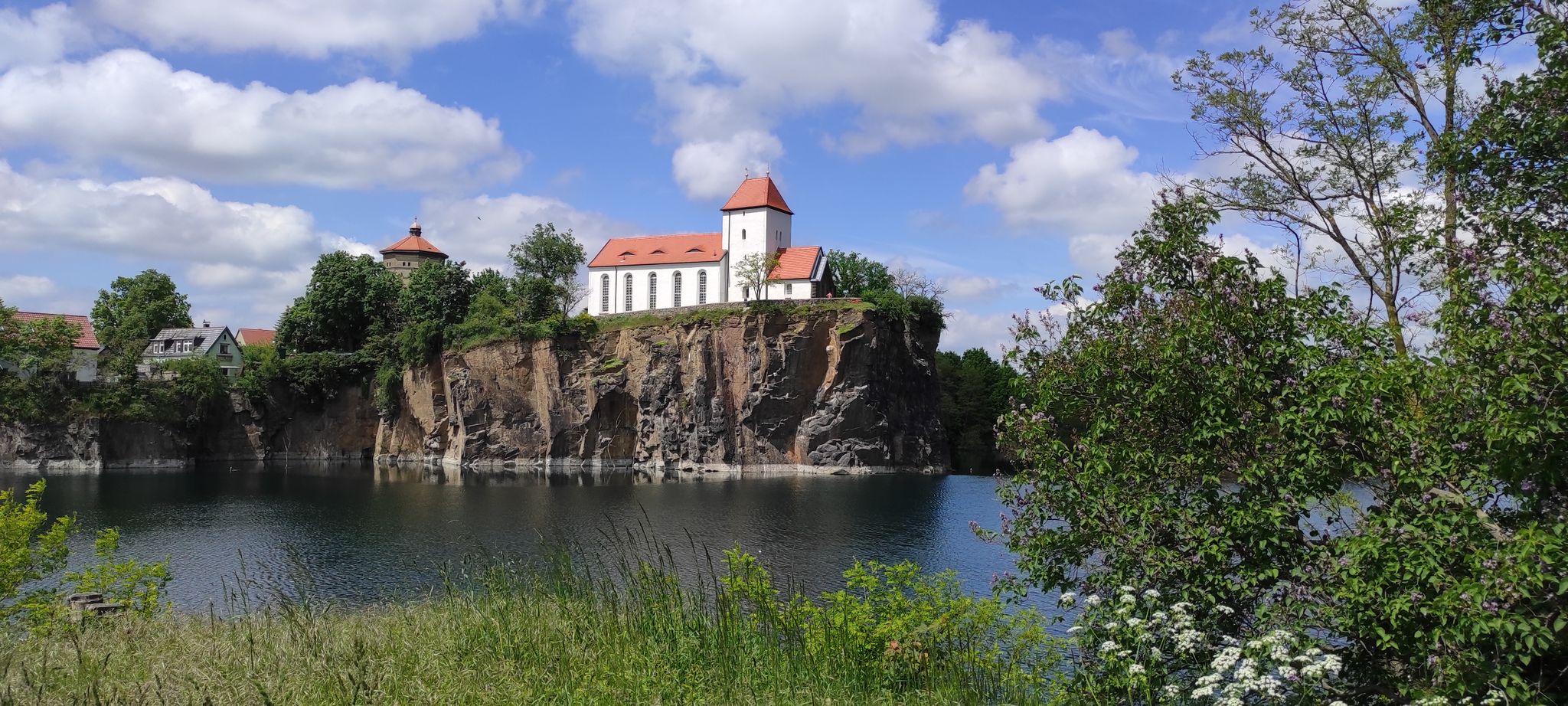
Το 1968, το κύριο κλίτος της εκκλησίας απέκτησε νέα στέγη. Ανανεώθηκαν επίσης οι υδρορροές και το σύστημα αλεξικέραυνου, καθώς και τοποθετήθηκε νέος σταυρός στην οροφή. Το 1971 ξεκίνησε η ανακαίνιση του κύριου κλίτους, κατά την οποία χτίστηκε ένα νέο βωμό και τοποθετήθηκε νέος σταυρός. Στη συνέχεια, την άνοιξη του 1972, έγινε η επανατοποθέτηση του εκκλησιαστικού οργάνου και η εξωτερική νέα σοβάντισμα του κύριου κλίτους. Η τελετουργική επαναεγκαινίαση του τεχνικά ξεπερασμένου εκκλησιαστικού οργάνου πραγματοποιήθηκε τον Αύγουστο του 1992. Τον Σεπτέμβριο του 1998, ο πύργος της εκκλησίας ανακαινίστηκε, και στις 23 Ιανουαρίου 1999, ολοκληρώθηκε η κορύφωση του πύργου. Από το φθινόπωρο του 2000, οι επισκέπτες μπορούν να ανεβούν στην πλατφόρμα θέας του πύργου της εκκλησίας και να απολαύσουν την πανοραμική θέα Πηγή https://de.wikipedia.org/wiki/Kirche_Thallwitz
3
0
Η εκκλησία χτίστηκε τον 15ο αιώνα, από αυτή την εποχή σώζονται τα θεμέλια και η κάτω βάση του πύργου της εκκλησίας. Ο Επίσκοπος Johann VI. von Saalhausen ανέθεσε την επέκταση του χορού και την ανύψωση του πύργου της εκκλησίας. Η στέγη του πάνω από το οκταγωνικό ανώτερο τμήμα δημιουργήθηκε τον 17ο αιώνα. Η επιγραφή στον ανεμοδείκτη υποδεικνύει την ανοικοδόμηση του κλίτους το 1626, η οποία πιθανώς ενσωμάτωσε παλαιότερη τοιχοποιία. Η οροφή απέκτησε ένα επίπεδο θολωτό ταβάνι. Το 1896 πραγματοποιήθηκε η εκτεταμένη ανακατασκευή σύμφωνα με τα σχέδια του αρχιτέκτονα Oswald Haenel από τη Δρέσδη. Η εκκλησία και ο πύργος της εκκλησίας σοβατίστηκαν πλήρως εξωτερικά, η στέγη της εκκλησίας και η στέγη του πύργου ξανακαλύφθηκαν, επισκευάστηκαν και ασφαλίστηκαν με αλεξικέραυνα. Εσωτερικά, το 1896 αφαιρέθηκε η δεύτερη εσωτερική στοά, αντ' αυτού η εναπομείνασα εσωτερική στοά απέκτησε διπλές σειρές καθισμάτων. Το εκκλησιαστικό όργανο διευρύνθηκε. Τα παράθυρα απέκτησαν χρωματιστό βιτρό καθεδρικού, και αγοράστηκαν νέα άμφια από πράσινο, κόκκινο και μαύρο ύφασμα με χρυσή κεντητική. Μετά την αποκατάσταση, η επαναεγκαινίαση γιορτάστηκε μετά το Totenfest, την παλιά γιορτή των εγκαινίων της εκκλησίας του Thallwitz, με τη συμμετοχή του δικαιώματος πατρωνίας, της εκκλησιαστικής επιθεώρησης και πολυάριθμων ιερέων της περιοχής. Quelle https://de.wikipedia.org/wiki/Kirche_Thallwitz
3
0
As state property of the GDR, the palace, which had survived the war largely undamaged, served as a retirement and nursing home until reunification. During this time, the complex began to deteriorate progressively, which was only barely halted. Thanks to the work of a group of Polish restorers since the early 1980s, the palace's garden facade was largely restored to its original condition. In the early 1990s, the municipality sold the palace complex to a private investor named Grimm. It later became a holding company, which is gradually restoring the late Baroque palace complex. To date, the facade of the courtyard, the adjacent orangery and administration buildings, as well as the teahouse in the park, have been restored. Extensive restoration work has taken place inside, including the ceiling and wall paintings, as well as the late neoclassical staircase. Source: https://de.wikipedia.org/wiki/Schloss_Nischwitz
5
0
After further changes of ownership, extensive renovations were carried out on the ground floor in the mid-19th century under the direction of Gustav Adolf Boenisch. During this time, the Baroque staircase was replaced by a prestigious late-classical staircase and adorned with large wall and ceiling paintings. At this time, the Rococo park, designed by Friedrich August Krubsacius, was also transformed into an English landscape garden with tea pavilions, stone statues, and vases. In 1848, the von Ritzenberg family had a family crypt built in the form of a Doric temple in this park. Towards the end of the century, in 1888, Kurt von Zimmermann[3] purchased the Nischwitz Palace and Estate. In the final days of World War II, the von Zimmermann family fled from advancing Soviet troops and was expropriated during the Soviet occupation of 1945–1949. Later efforts by the family to regain their property after German reunification were unsuccessful, except for the return of some furniture. Source: https://de.wikipedia.org/wiki/Schloss_Nischwitz
4
0
The history of the castle dates back to the late Middle Ages.[2] The village, along with the associated manor, was acquired by the von Nischwitz family in 1450, and received its name from them. In 1714, after the old manor had fallen into disrepair, the then owner, Baron von Rackwitz, Chamberlain of the Electorate of Saxony, commissioned the construction of a new castle with appropriate outbuildings and a park. Matthäus Daniel Pöppelmann was the architect. After its completion in 1721, the property changed hands several times over the years. Finally, Count Heinrich von Brühl acquired the property in 1743. Around 1750, he had the property converted into his summer residence in the Rococo style under the direction of the chief architect, Johann Christoph Knöffel. The extensive extensions and renovations created an ensemble that has survived to this day, with its spacious courtyard, orangery, administrative buildings, and the palace park adjacent to the garden. However, much of the original, precious interior furnishings has been lost. The late Baroque wall and ceiling paintings in the garden and ballroom, attributed to the Italian painter Stefano Torelli, are worth seeing. They depict hunting scenes and mythological scenes. During the Seven Years' War, Prussian troops marched into Saxony in 1758. They occupied and plundered the palace. After the death of Heinrich von Brühl, his heirs sold the property to the Leipzig lawyer Philipp Heinrich Lastrop. Source: https://de.wikipedia.org/wiki/Schloss_Nischwitz
5
0
Püchau Castle rises on the eastern edge of the town on a mountain spur that towers several meters above the Mulde floodplain. The castle itself stands at the eastern end of the approximately 100 by 60 meter area. The square in front of it is lined with outbuildings, a few trees, and has a historic fountain at its center. The castle is an irregular three-wing complex grouped around an approximately 200 m² courtyard. The north side is enclosed by a one-story, crenellated battlement. In the southeast corner of the courtyard, a stair tower, also crenellated, rises above the three-story buildings. The entrance to the complex, designed as a bridge and flanked by two columns with eagles, leads to an arched gateway in the west wing. This is decorated with balconies and attached turrets on the front side. The outer southeast corner is also tower-like and features a two-story cast-iron balcony. Of the numerous rooms of the castle, the small dining room with its richly carved ceiling, the Marble Hall with its magnificent star-shaped ceiling[1], and the Armory are particularly magnificent. Below the castle hill, the 12.4-hectare English-style castle park with two ponds extends to the north and east. Source: https://de.wikipedia.org/wiki/Schloss_P%C3%BCchau
4
0

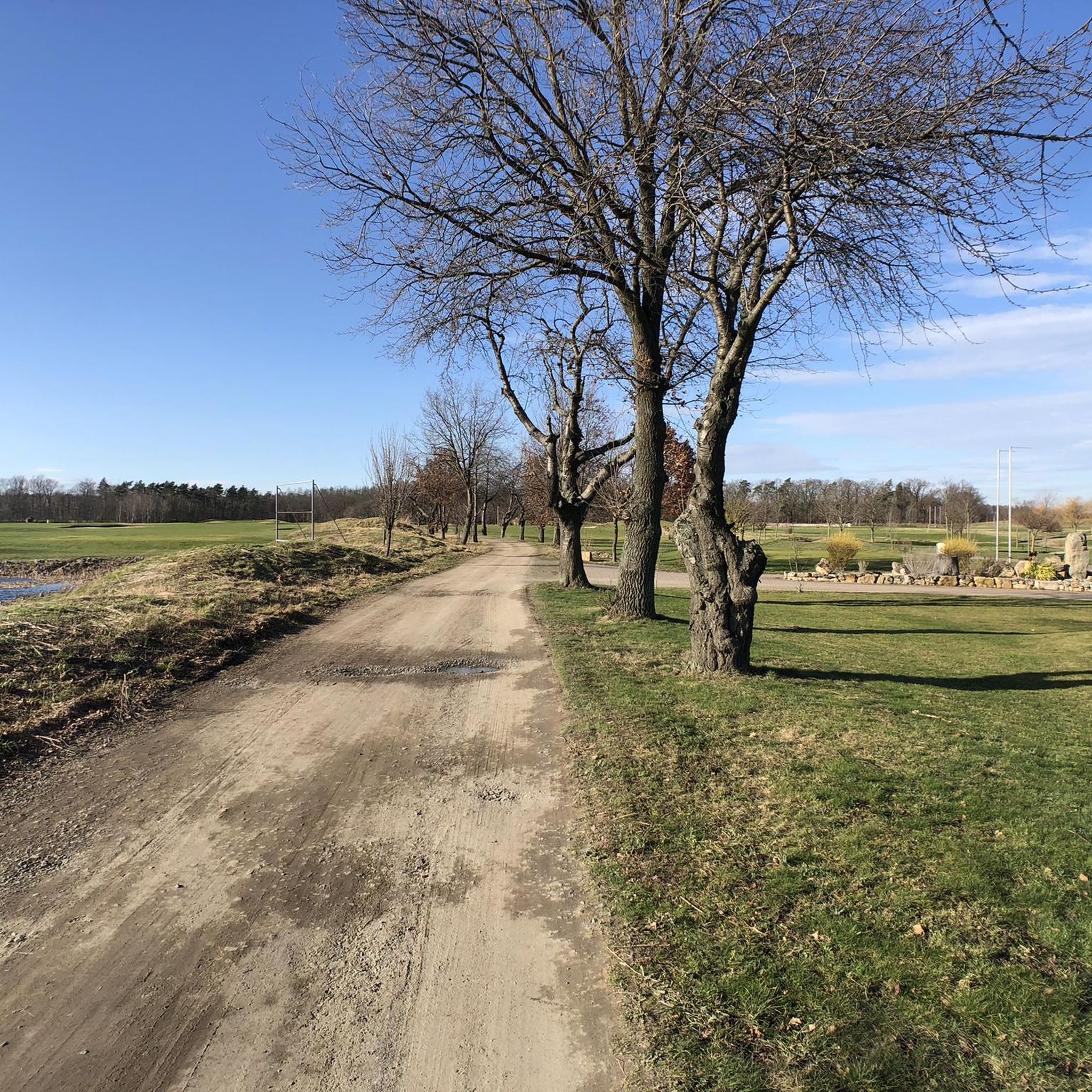
Nischwitz Castle with a great park, especially in spring and summer. There is also an interesting church right next to it. If you want to discover both on a hike, take a look at the tour on my profile. 16km round trip from Canitz to just before Wurzen with a restaurant.
4
0
Οι πιο δημοφιλείς διαδρομές Machern
Τα πιο δημοφιλή αξιοθέατα Machern

Εμπνεύσου με την εφαρμογή komoot για κινητά


Ανακάλυψε περισσότερα
Ψάχνεις τα καλύτερα κάστρα αλλού; Ανακάλυψε άλλους οδηγούς Machern:
