Αξιοθέατα και μέρη για επίσκεψη Węgrów - Top 20
Υπάρχουν πολλά μέρη να δείτε και να επισκεφθείτε Węgrów. Είτε αγαπάτε την πεζοπορία είτε την ποδηλασία, Węgrów είναι μια περιοχή όπου 20
κρυμμένα στολίδια περιμένουν να ανακαλυφθούν. Δείτε τα καλύτερα αξιοθέατα της περιοχής και σχεδιάστε την επόμενη περιπέτειά σας σήμερα.
Τελευταία ενημέρωση: 1 Νοεμβρίου 2026
Liw Castle and Armory Museum
Highlight • Κάστρο
Συμβουλή από

Church of Divine Mercy
Highlight • Θρησκευτικός χώρος
Συμβουλή από
Εγγράψου τώρα για να ανακαλύψεις μέρη σαν αυτό
Λάβε προτάσεις για τα καλύτερα single tracks, κορυφές και πολλά ακόμα συναρπαστικά υπαίθρια μέρη.
Łochów Palace
Highlight • Ιστορικός χώρος
Μετάφραση από Google •
Συμβουλή από

Oxbow Lake of the Bug River
Highlight • Λίμνη
Μετάφραση από Google •
Συμβουλή από

Museum of Wooden Architecture of the Siedlce Region
Highlight • Ιστορικός χώρος
Συμβουλή από

Moczydło Nature Reserve Path
Highlight • Μονοπάτι
Μετάφραση από Google •
Συμβουλή από

Bazylika Wniebowzięcia Najświętszej Maryi Panny w Węgrowie
Highlight • Θρησκευτικός χώρος
Μετάφραση από Google •
Συμβουλή από

Γέφυρα πάνω από τον ποταμό Λίβιετς
Highlight • Γέφυρα
Μετάφραση από Google •
Συμβουλή από

Singletrack Along the Bug River
Highlight (Segment) • Μονοπάτι
Μετάφραση από Google •
Συμβουλή από

Starej Wsi Palace Complex
Highlight • Ιστορικός χώρος
Μετάφραση από Google •
Συμβουλή από

Εγγράψου δωρεάν για να ανακαλύψεις ακόμα περισσότερα αξιοθέατα Węgrów.
Έχεις ήδη λογαριασμό;
Ξεκίνα σήμερα με έναν δωρεάν λογαριασμό
Η επόμενη περιπέτειά σου σε περιμένει.
Συμβουλές από την κοινότητα

Κατά κανόνα, η πατρωνία ενός χώρου λατρείας και της σχετικής ενορίας ανατίθεται σε ένα από τα πολλά πρόσωπα που τιμούμε ως μακαρίους ή αγίους λόγω της υποδειγματικής χριστιανικής τους ζωής. Εδώ, ωστόσο, συναντούμε την πατρωνία του Ελέους του Θεού – κάτι που, κατά την εμπειρία μου, συναντάται πολύ σπάνια. Στην αυγή της τρίτης χιλιετίας, ο Πάπας Ιωάννης Παύλος Β' εμπλούτισε το εκκλησιαστικό ημερολόγιο με μια αντίστοιχη εορτή, η οποία πηγάζει από τα οράματα της Πολωνής μοναχής Φαουστίνας, την οποία αγιοποίησε. Σε ένα βοήθημα κηρύγματος βρίσκεται το ακόλουθο κείμενο: „Ένα από τα ιδιαίτερα πολύτιμα μαργαριτάρια από την πλούσια κληρονομιά του Ιωάννη Παύλου είναι η... Κυριακή του Θείου Ελέους. Στο μεγάλο Ιωβηλαίο Έτος 2000, ο Άγιος Πατέρας εισήγαγε την εορτή του Θείου Ελέους για ολόκληρη την Εκκλησία την όγδοη ημέρα μετά το Πάσχα – την Κυριακή του Θωμά. Η προέλευση αυτής της εορτής συνδέεται στενά με την ιστορία ζωής του Κάρολου Βοϊτίλα και μπορεί επομένως να χαρακτηριστεί ως ένα προσωπικό του δώρο στην Εκκλησία του 21ου αιώνα.“
0
0

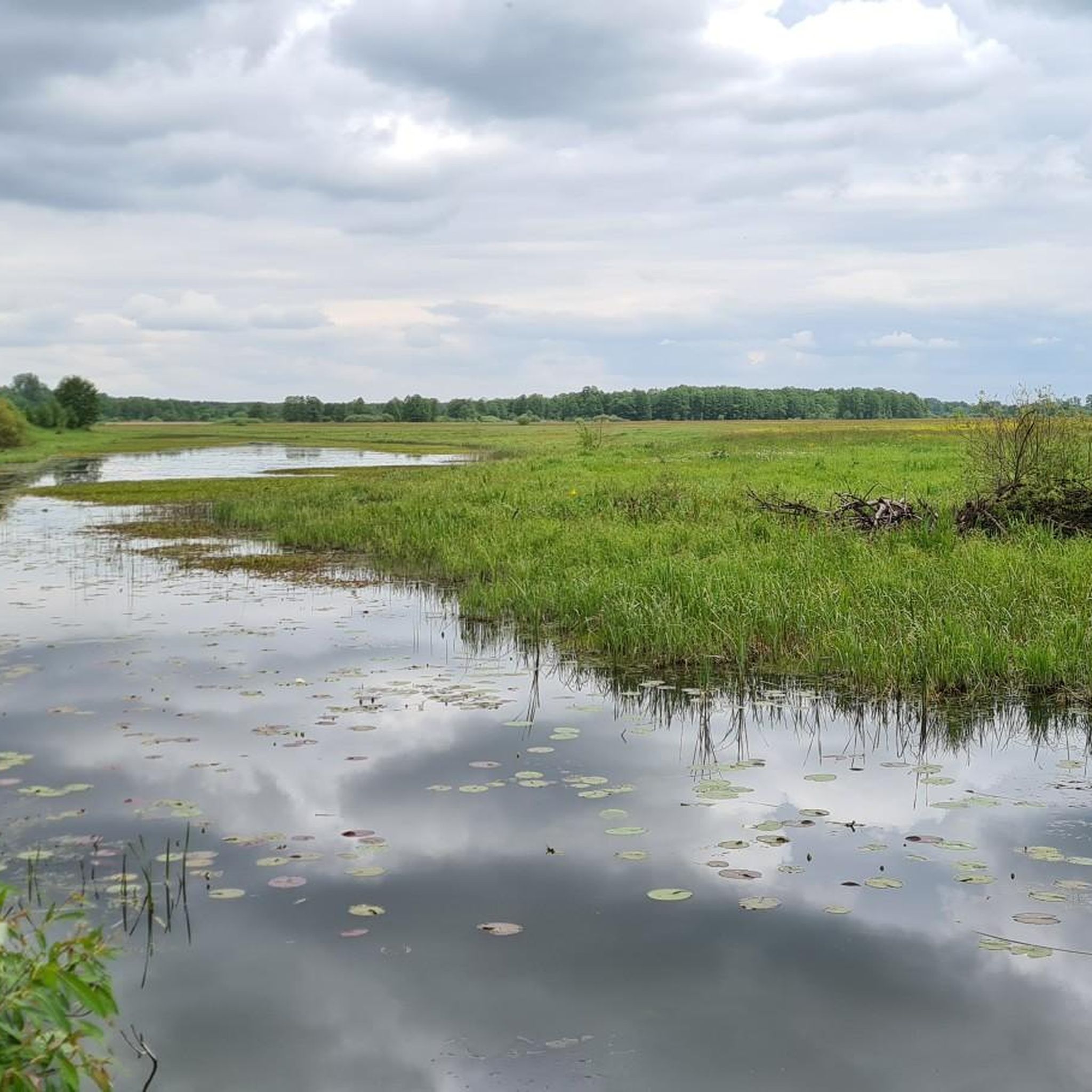
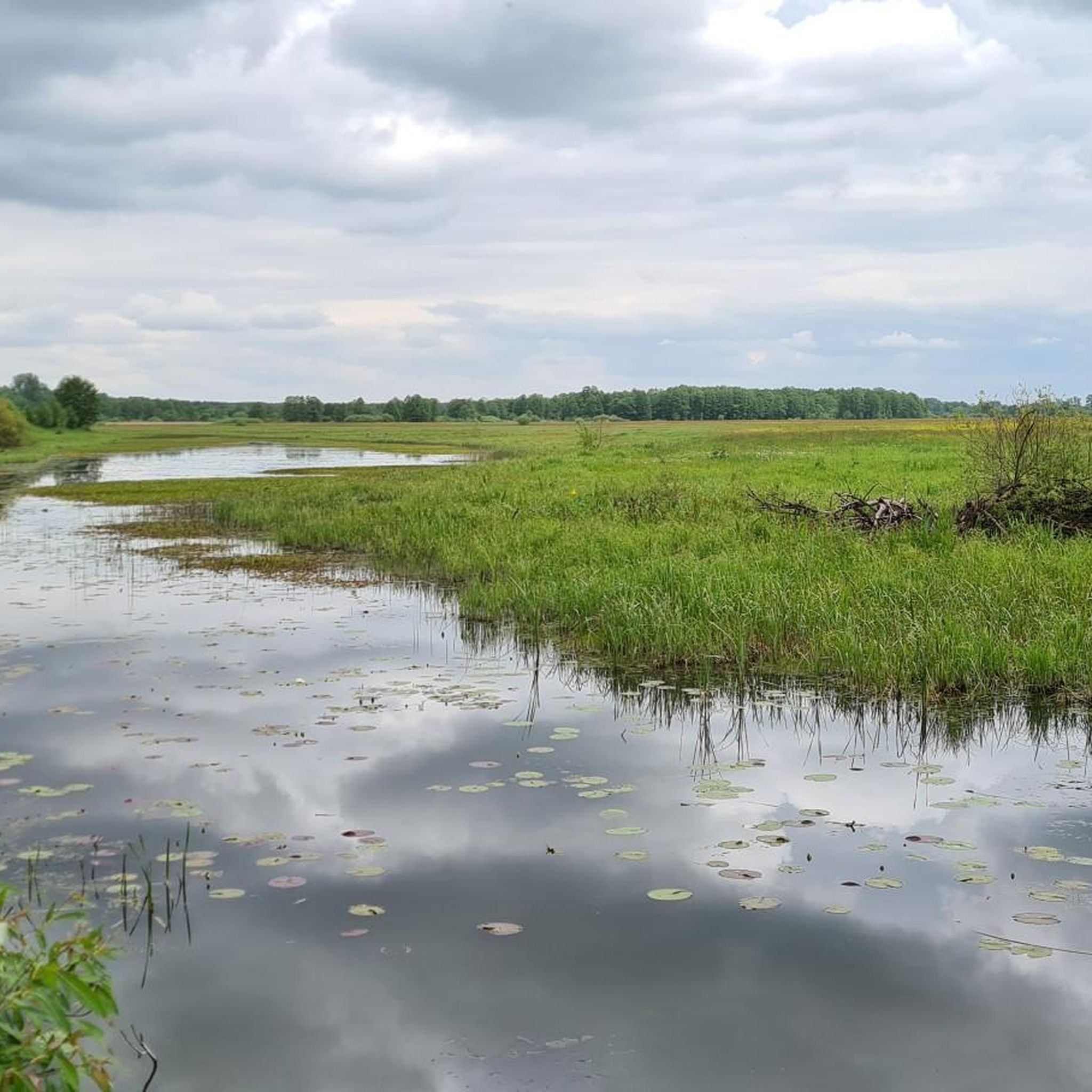
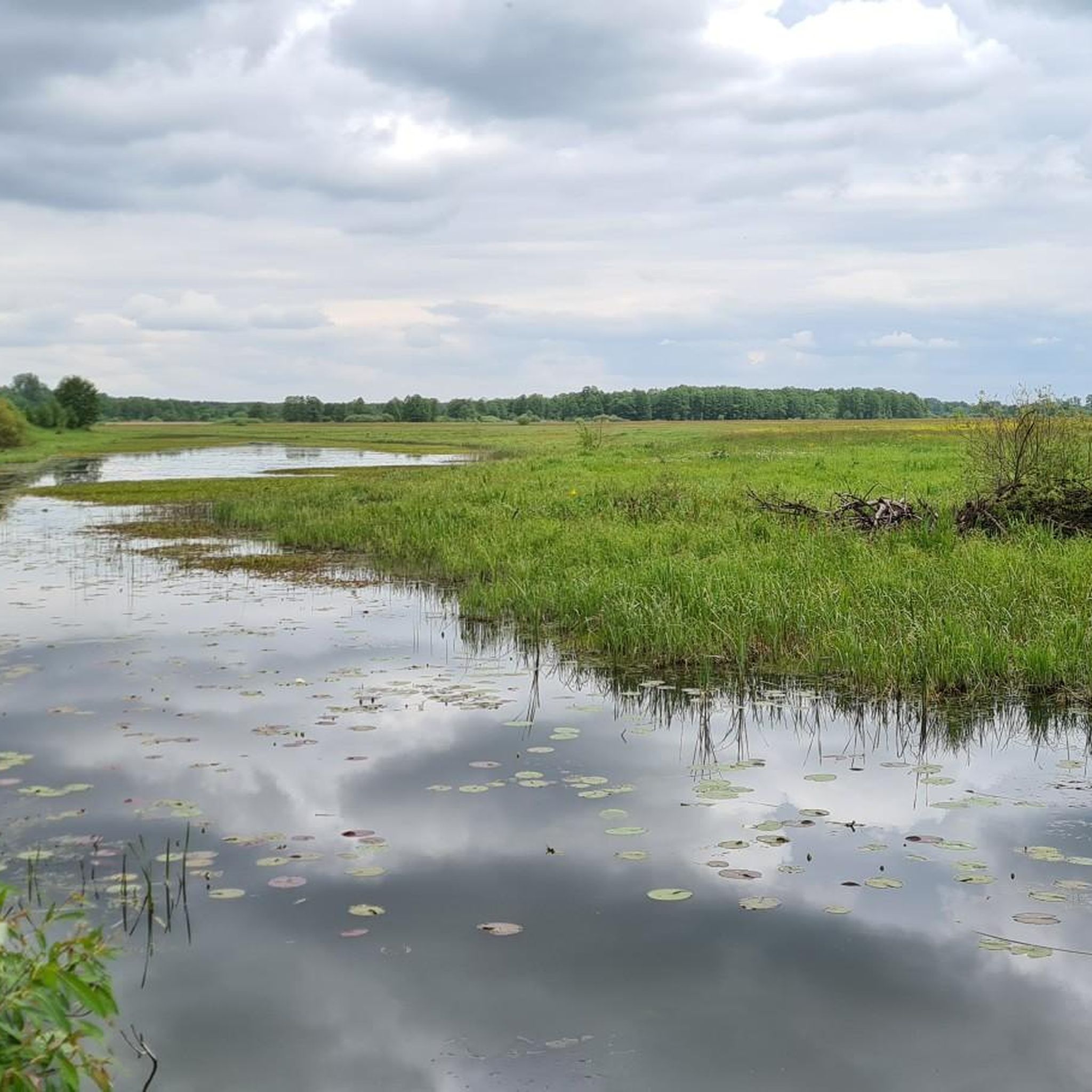
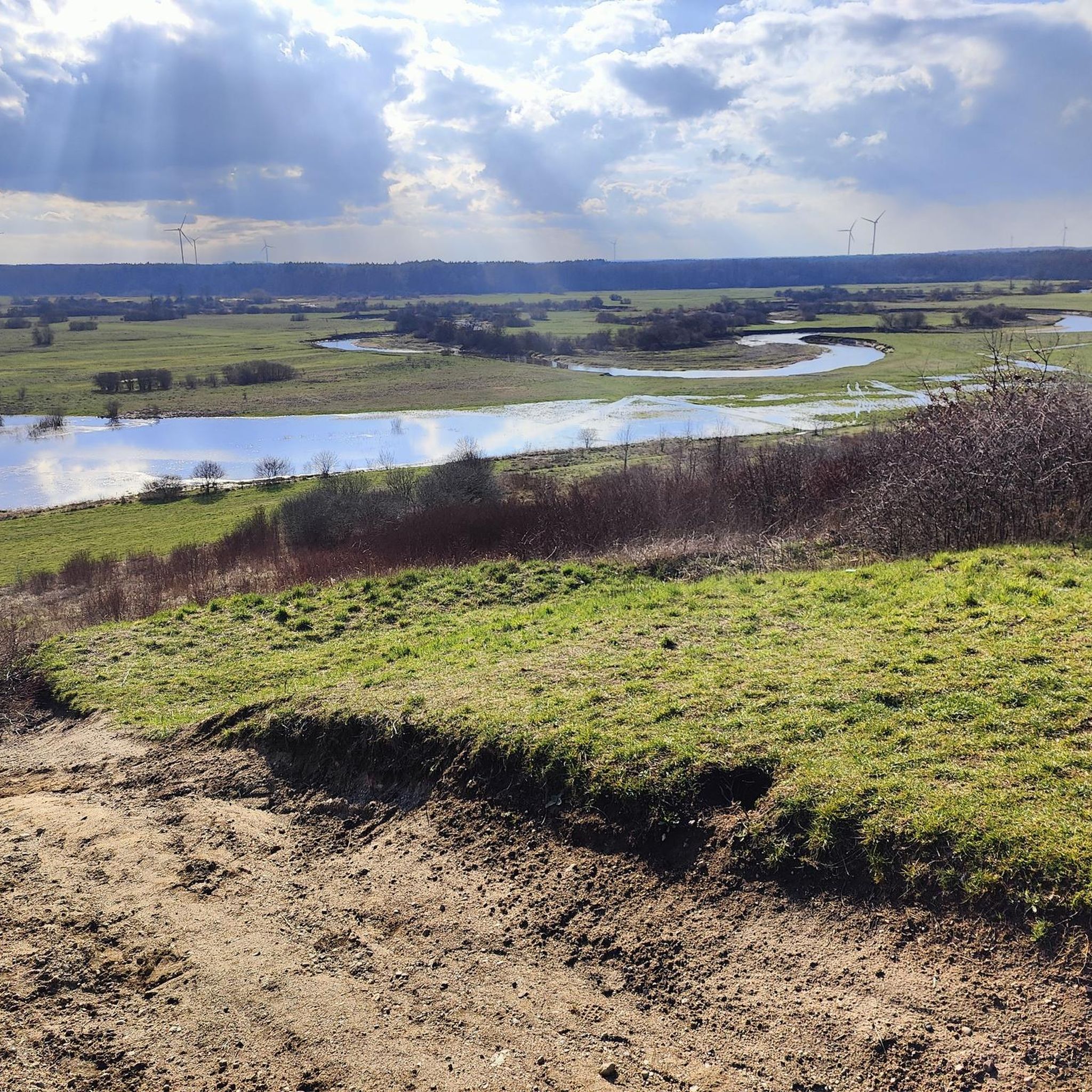
A faunal nature reserve established in the Stoczek commune, Stoczek forest district, Łochów forest district.
1
0
The tower (pulpit) in the Moczydło Reserve and the view from it
1
0
entrance from the other side to the reserve. This is a fauna reserve established in 1991 on an area of 58.08 ha in the Stoczek Forest District. The subject of protection is a forest lake with the surrounding peat bogs and tree stands that together create breeding sites for rare species of birds and amphibians. Over 60 species of breeding birds have been recorded here, including the little grebe, mallard, tufted duck and common teal, moorhen, marsh harrier and solitary sandpiper, and nearly 20 migratory birds, including the crane, garganey, common tern and black-headed gull. Species associated with the surrounding forests include the hawk, buzzard, raven and turtle dove, as well as several species of woodpeckers, warblers and flycatchers. The amphibian class is represented by the water frog and the grey and green toad. The most interesting protected plants found in the reserve include: white water lily, broad-leaved astragalus, marsh marigold and daphne mezereum.
1
0
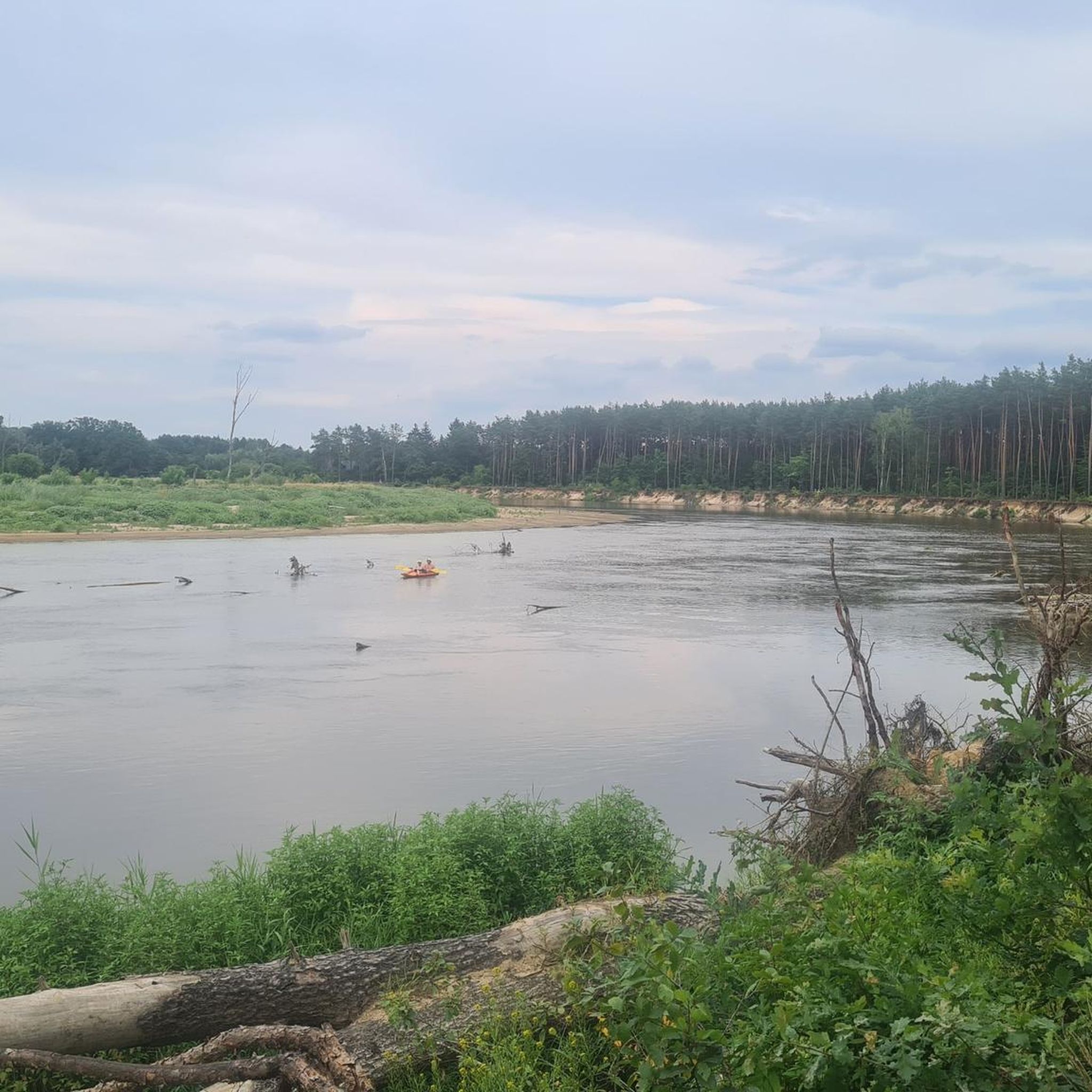
A brilliant piece of gravel, perfect for gravel riding
1
0

The temple was built in 1932 in the village of Wólka Dobryńska, in the Zalesie commune, in the Biała Podlaska district. It was originally named after St. Stanislaus Kostka. The church was built thanks to the efforts of Father Franciszek Michalik. It was designed by the architect Mr. Mazur. The builders of the temple were carpenters Józef Kozerski, Antoni Lewczuk, Wiktor and Antoni Arseniuków, Julian Romaniuk. In 2009, the building was moved by the Arche SA company to its current location. Thanks to the support of the president of this company, Władysław Grochowski, the church was restored. On May 13, 2010, on the Sunday of the Ascension of the Lord, the then bishop of Drohiczyn Antoni Dydycz consecrated the temple, giving it the name of Divine Mercy. During this ceremony, a plaque commemorating the founder was placed in the church.
1
0

The palace and park complex is a 19th-century building commissioned by Count Józef Hornowski. Originally, it was a single-storey building with a columned portico, the construction of which was completed in 1830. During the later expansion, carried out in the years 1852-1854 according to the design and under the supervision of the leading architect of the era, Bolesław Paweł Podczaszyński, two-storey projections and a front portico with cast iron columns were made. The interiors were maintained in the neo-Gothic style typical of the 19th century. https://www.palacifolwarklochow.pl/o-nas/historia-palacu-z-xix Currently a hotel with beautiful grounds!
1
0

19th century manor house, currently a hotel facility with SPA and restaurant. Large recreational area around the manor house.
1
0
Οι πιο δημοφιλείς διαδρομές Węgrów
Τα πιο δημοφιλή αξιοθέατα Węgrów

Εμπνεύσου με την εφαρμογή komoot για κινητά


Δεν βρήκες αυτό που ψάχνεις;
Θες να εξερευνήσεις περισσότερα εκπληκτικά μέρη κοντά σου; Περιηγήσου τους οδηγούς:
Ανακάλυψε περισσότερα
Δεν βρήκες ακόμη το Highlight που ψάχνεις; Δες οδηγούς για τα κορυφαία αξιοθέατα σε άλλες περιοχές:
