Αξιοθέατα και μέρη για επίσκεψη Ostróda - Top 20
Υπάρχουν πολλά μέρη να δείτε και να επισκεφθείτε Ostróda. Είτε αγαπάτε την πεζοπορία είτε την ποδηλασία, Ostróda είναι μια περιοχή όπου 20
κρυμμένα στολίδια περιμένουν να ανακαλυφθούν. Δείτε τα καλύτερα αξιοθέατα της περιοχής και σχεδιάστε την επόμενη περιπέτειά σας σήμερα.
Τελευταία ενημέρωση: 26 Αυγούστου 2026
Most Kolejowy nad Drwęcą w Czarnym Rogu
Highlight • Γέφυρα
Formerly a bridge over the Drwęca River for railway line No. 257 - connecting Ostróda station with Miłomłyn station. In …
Μετάφραση από Google •
Συμβουλή από

Ostróda Lakeside Promenade
Highlight • Μονοπάτι
Μετάφραση από Google •
Συμβουλή από

Εγγράψου τώρα για να ανακαλύψεις μέρη σαν αυτό
Λάβε προτάσεις για τα καλύτερα single tracks, κορυφές και πολλά ακόμα συναρπαστικά υπαίθρια μέρη.
Εγγραφή δωρεάν
Ostróda Teutonic Castle
Highlight • Κάστρο
Μετάφραση από Google •
Συμβουλή από
Śluza Zielona
Highlight • Δομή
Μετάφραση από Google •
Συμβουλή από

St. Bartholomew's Church with Defensive Walls, Miłomłyn
Highlight • Θρησκευτικός χώρος
Μετάφραση από Google •
Συμβουλή από

Εγγράψου δωρεάν για να ανακαλύψεις ακόμα περισσότερα αξιοθέατα Ostróda.
Εγγραφή δωρεάν
Έχεις ήδη λογαριασμό;
Ξεκίνα σήμερα με έναν δωρεάν λογαριασμό
Η επόμενη περιπέτειά σου σε περιμένει.
Σύνδεση ή εγγραφή



Άλλες περιπέτειες Ostróda

Συμβουλές από την κοινότητα

μπορείς να περάσεις στην άλλη πλευρά από μια αρκετά στενή γέφυρα (και το ποδήλατο αντέχει), δεν είδα καμία περιορισμό σε αυτόν τον τομέα
0
0

You have to drive sideways because the gate is closed.
0
0

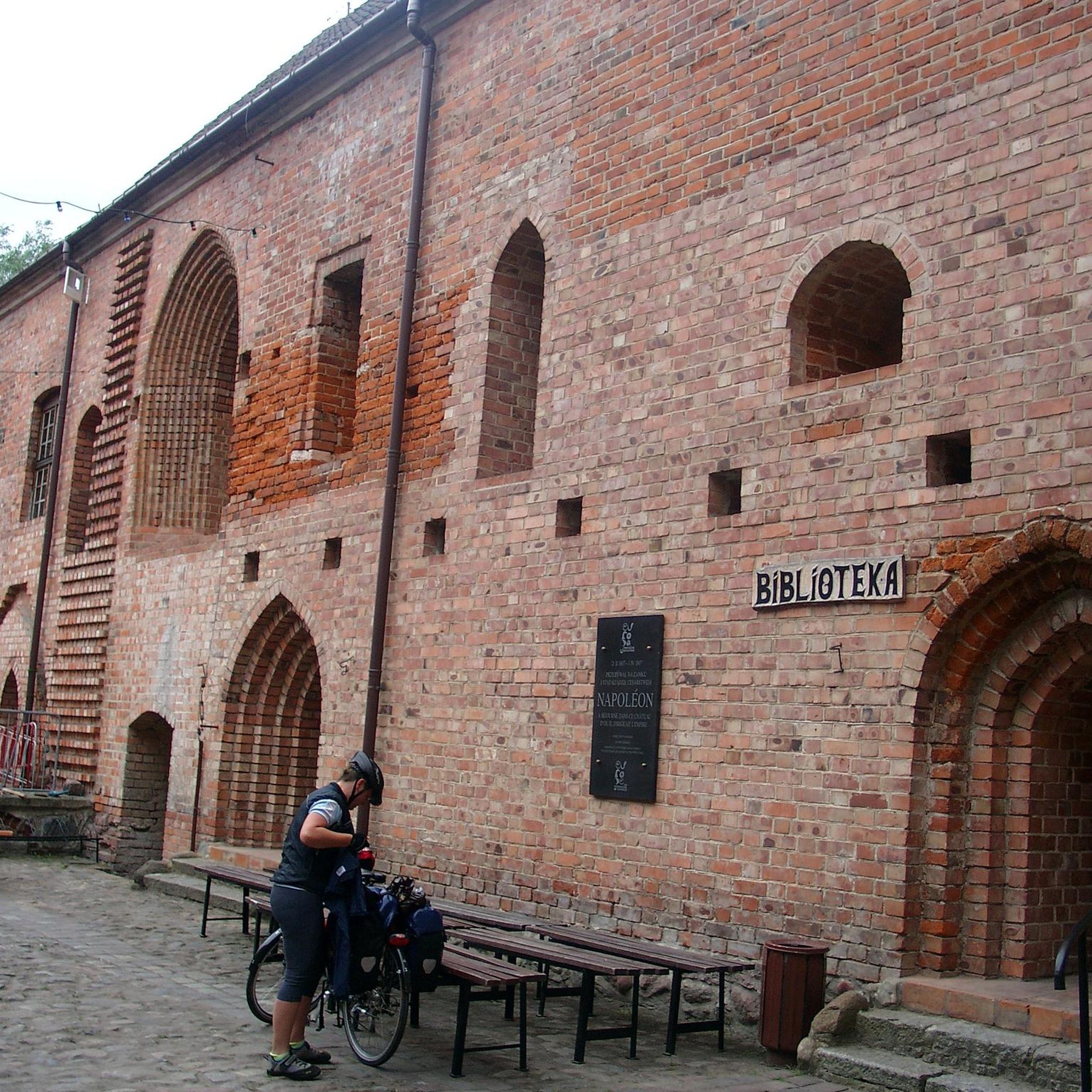
The Zamek Krzyżacki Castle is part of the long history of the Teutonic Order, a powerful military and religious organization that had great influence in Eastern Europe during the Middle Ages. Originally founded as a hospital order in the Holy Land, the Teutonic Order began conquering and Christianizing the pagan territories in what is now Poland and the Baltic States from the 13th century onwards, building numerous castles as administrative centers and military bases. The castle itself served as an important fortress and administrative seat in the region, especially during the conflicts between the Teutonic Order and the Kingdom of Poland-Lithuania. The famous Battle of Grunwald (1410), in which the Teutonic Knights suffered a decisive defeat against the combined Polish-Lithuanian forces, marked a turning point for the Order. Even though the castle was not abandoned afterward, the Teutonic Order gradually lost power. Over the centuries, the castle underwent numerous changes and reconstructions, especially after the secularization of the Order in the 16th century, when it served various purposes, including as a residence and later as a storage facility. Today it is a testimony to this eventful history and an important place of remembrance of the region's medieval past.
0
0
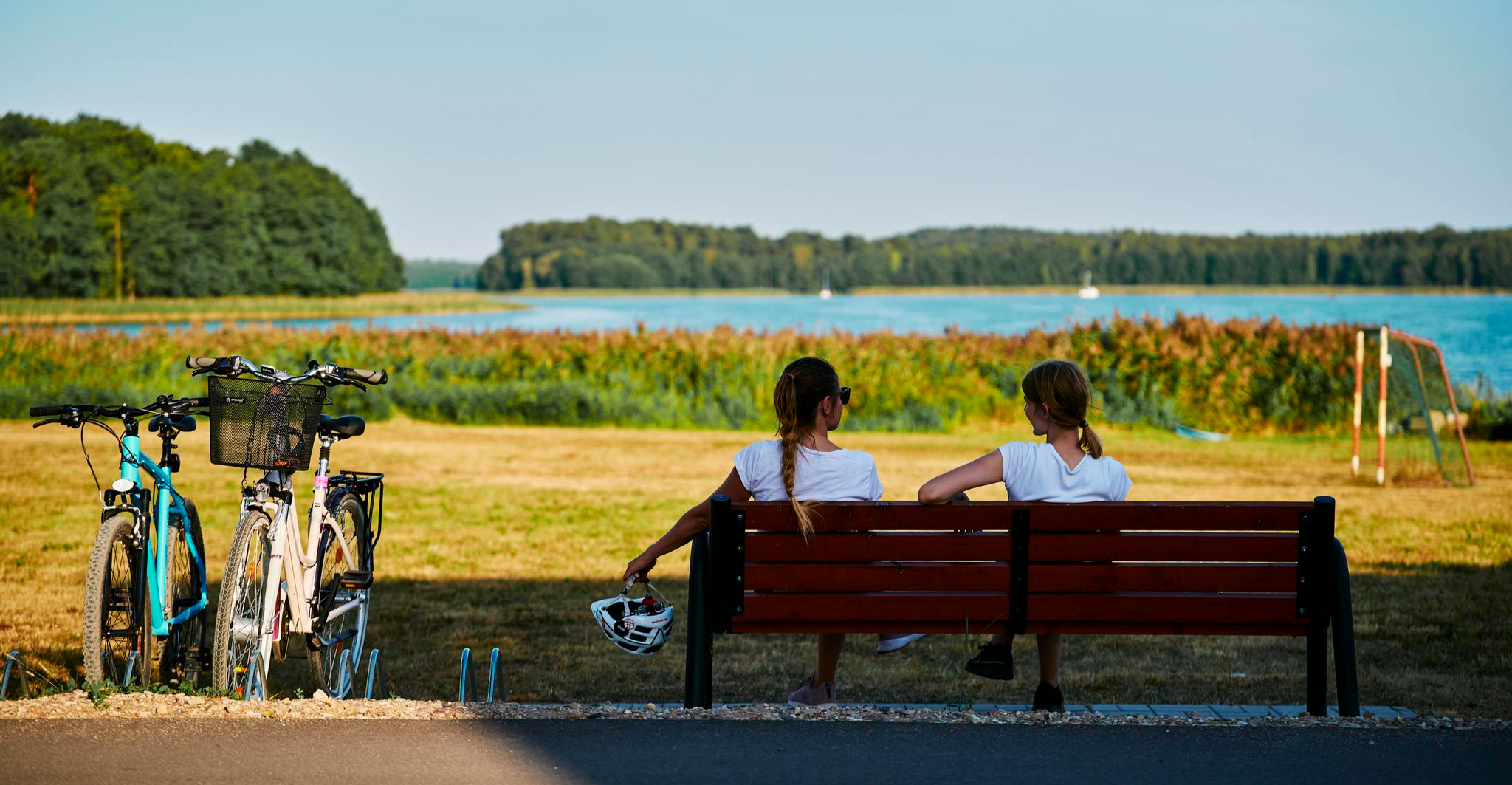
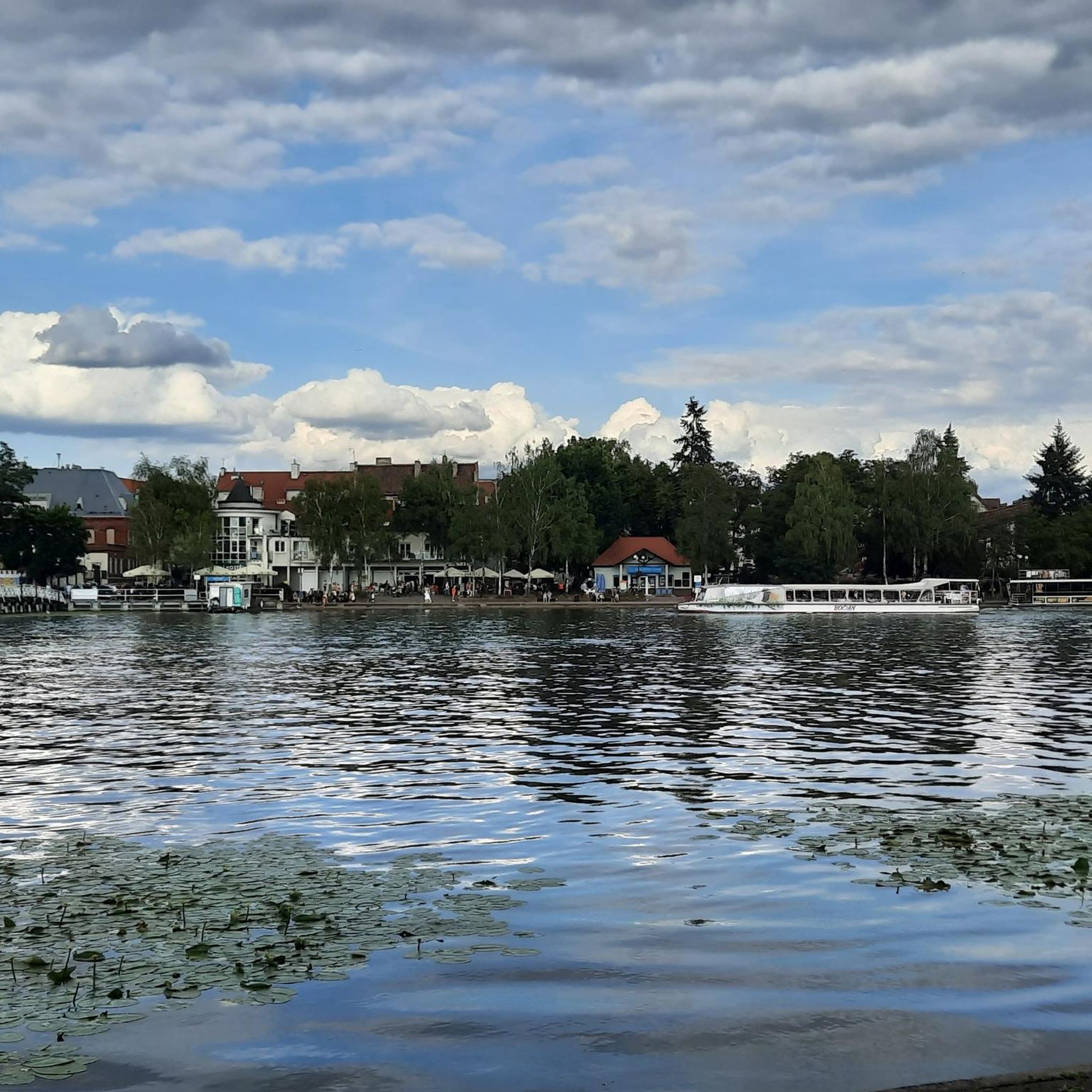
The Ostróda seafront promenade is a beautiful place that offers more than just a path along the water. The wide footpath and cycle path runs right along the shore and opens up new views of the lake, whose surface shimmers in different colors depending on the time of day. As you stroll, you can feel the fresh breeze and enjoy the hustle and bustle of people walking, cycling or simply sitting on one of the benches and enjoying the view. Just a few steps away, the old Teutonic castle towers up, telling its own story. From the masters of the Teutonic Order to Gustav Adolf of Sweden and Napoleon - many famous people have left their mark here. The castle forms an exciting contrast to the modern promenade and is worth a detour to immerse yourself a little in the history of the region. At the pier, you have the opportunity to take a boat trip across the lake district or even to the Elbląg Canal. These tours offer a relaxed opportunity to experience the surrounding nature from a different perspective. The promenade itself is a lively place that invites you to linger, be it for a break by the water or a longer walk along the lake.
0
0
The old railway bridge has something abandoned about it, as if it has already witnessed many a story. The rails have long been overgrown with moss and grass, and the beams creak quietly in the wind. Here, in the middle of the greenery, the former railway traffic is only a memory that resonates in the rusty railings and faded wooden planks. It almost feels like you are walking through a time capsule. The bridge not only connects the banks of the small river, but also the past with the present. You can literally feel how the trains once rattled here - a thought that gives the place a certain melancholy. The view from the bridge offers a charming view of the surrounding nature, which is reflected in the water and offers a moment of silence. Although the bridge is no longer passable, it remains a silent witness to history and a worthwhile detour for anyone who wants to discover the forgotten places on their hikes. A bit of a sense of adventure is required here, because the path is bumpy and the traces of time are unmistakable.
0
0

Bridge over the Drwęca River in Czarny Róg, tourist path. Formerly a bridge over the Drwęca River for railway line No. 257 - connecting Ostróda station with Miłomłyn station. In June 1992, passenger traffic was suspended and freight traffic in 1994.
2
0

A monument of sacred art built at the turn of the 19th and 20th centuries using the original northern wall from the 14th century. In 1341, the construction of the church began. Saint Bartholomew the Apostle, which was part of the city fortifications. In 1893, a decision was made to build a new church next to the medieval temple. The new church was built between 1898 and 1901, oriented along the north-south axis. During construction, the Gothic nave was demolished, but its northern wall and the medieval defensive tower, which still served as a bell tower, were preserved. The tower of the old church and the building of the new church were connected through a cloister open to the south with arcades, in order to maintain the symbolic continuity of the sacred function of the site of the medieval temple. The new three-nave church was built in the neo-Gothic style, with a low tower with a clock in the north-eastern corner. Outside the church, on its southern wall, there is a tombstone, which must have once been embedded in the floor of the old church, dedicated to Pastor Elias Lauriskus (1631-1665).
2
0
Οι πιο δημοφιλείς διαδρομές Ostróda
Τα πιο δημοφιλή αξιοθέατα Ostróda

Εμπνεύσου με την εφαρμογή komoot για κινητά


Ανακάλυψε περισσότερα
Δεν βρήκες ακόμη το Highlight που ψάχνεις; Δες οδηγούς για τα κορυφαία αξιοθέατα σε άλλες περιοχές:
