Οι καλύτερες διαδρομές και πεζοπορίες Parâmio
4,3
(232)
715
Πεζοπόροι
11
Πεζοπορίες
Για να σας βοηθήσουμε να βρείτε τις καλύτερες διαδρομές πεζοπορίας Parâmio, εξετάσαμε ολόκληρη τη συλλογή μονοπατιών και διαδρομών στην περιοχή. Δείτε όλες τις λεπτομέρειες κάθε διαδρομής παρακάτω — και εξερευνήστε περισσότερο τη φύση Parâmio.
Τελευταία ενημέρωση: 26 Αυγούστου 2026
4,2
(26)
111
Πεζοπόροι
7,89km
02:16
200m
190m
Hike the moderate PR4 Ornal Trail, a 4.9-mile route through Montesinho Natural Park, featuring river views and historic mills.
3
Πεζοπόροι
8,68km
02:23
140m
150m
Μέτρια πεζοπορία. Απαιτείται καλή φυσική κατάσταση. Εύκολα προσβάσιμα μονοπάτια. Κατάλληλο για όλα τα επίπεδα δεξιοτήτων.

Εγγραφή δωρεάν
4,7
(17)
61
Πεζοπόροι
8,30km
02:26
230m
230m
Μέτρια πεζοπορία. Απαιτείται καλή φυσική κατάσταση. Εύκολα προσβάσιμα μονοπάτια. Κατάλληλο για όλα τα επίπεδα δεξιοτήτων.
4,7
(17)
59
Πεζοπόροι
8,12km
02:23
230m
230m
Μέτρια πεζοπορία. Απαιτείται καλή φυσική κατάσταση. Εύκολα προσβάσιμα μονοπάτια. Κατάλληλο για όλα τα επίπεδα δεξιοτήτων.
3,6
(30)
65
Πεζοπόροι
4,44km
01:16
110m
110m
Εύκολη πεζοπορία. Κατάλληλο για όλα τα επίπεδα φυσικής κατάστασης. Εύκολα προσβάσιμα μονοπάτια. Κατάλληλο για όλα τα επίπεδα δεξιοτήτων.
Πάρε πρόσβαση σε περισσότερες διαδρομές και προτάσεις από άλλους εξερευνητές.
Εγγραφή δωρεάν
Έχεις ήδη λογαριασμό;
Οι προτάσεις διαδρομών μας βασίζονται σε χιλιάδες πεζοπορίες, ποδηλασίες και τρεξίματα που ολοκληρώθηκαν από άλλους χρήστες στο komoot.
Ξεκίνα σήμερα με έναν δωρεάν λογαριασμό
Η επόμενη περιπέτειά σου σε περιμένει.
Σύνδεση ή εγγραφή


Συμβουλές από την κοινότητα


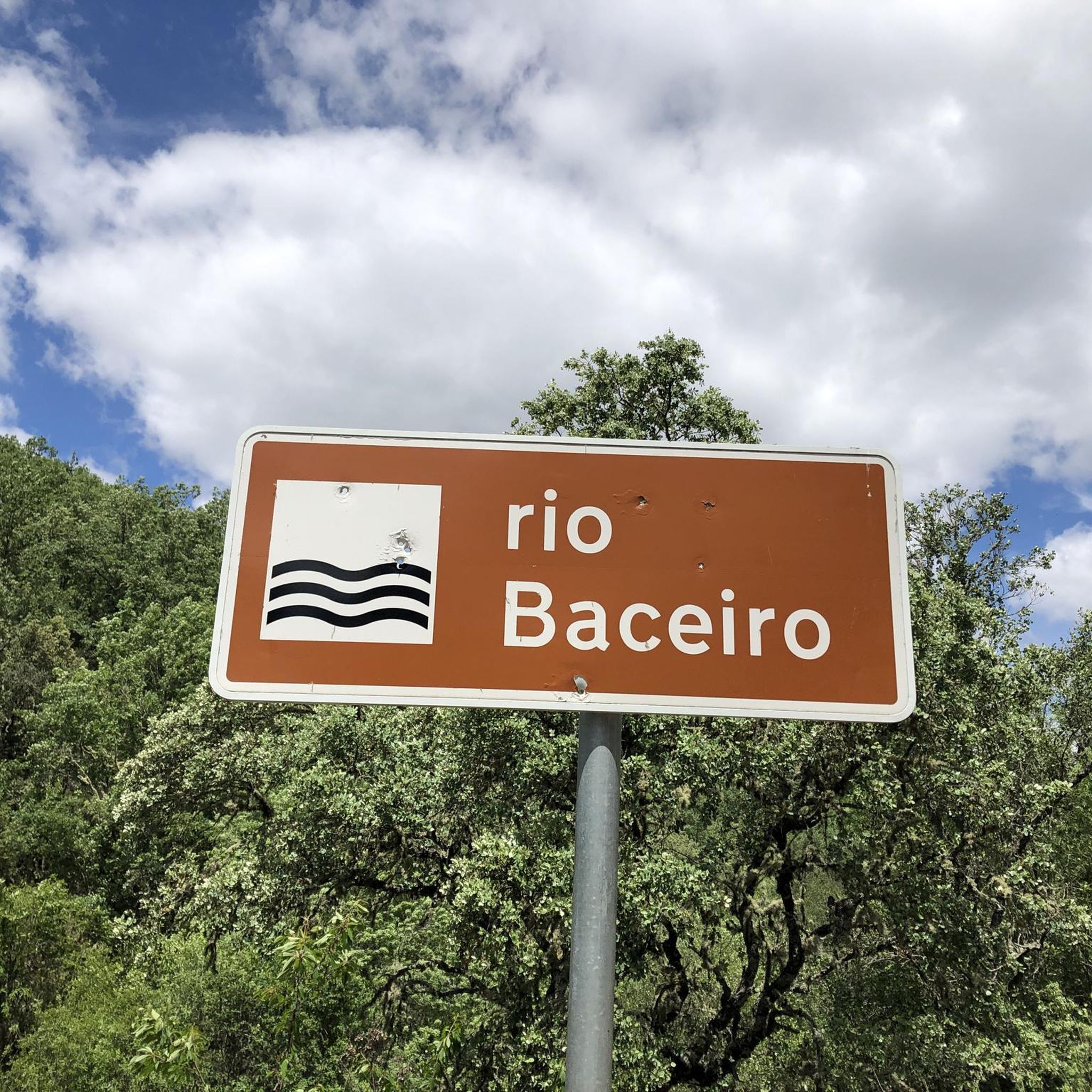
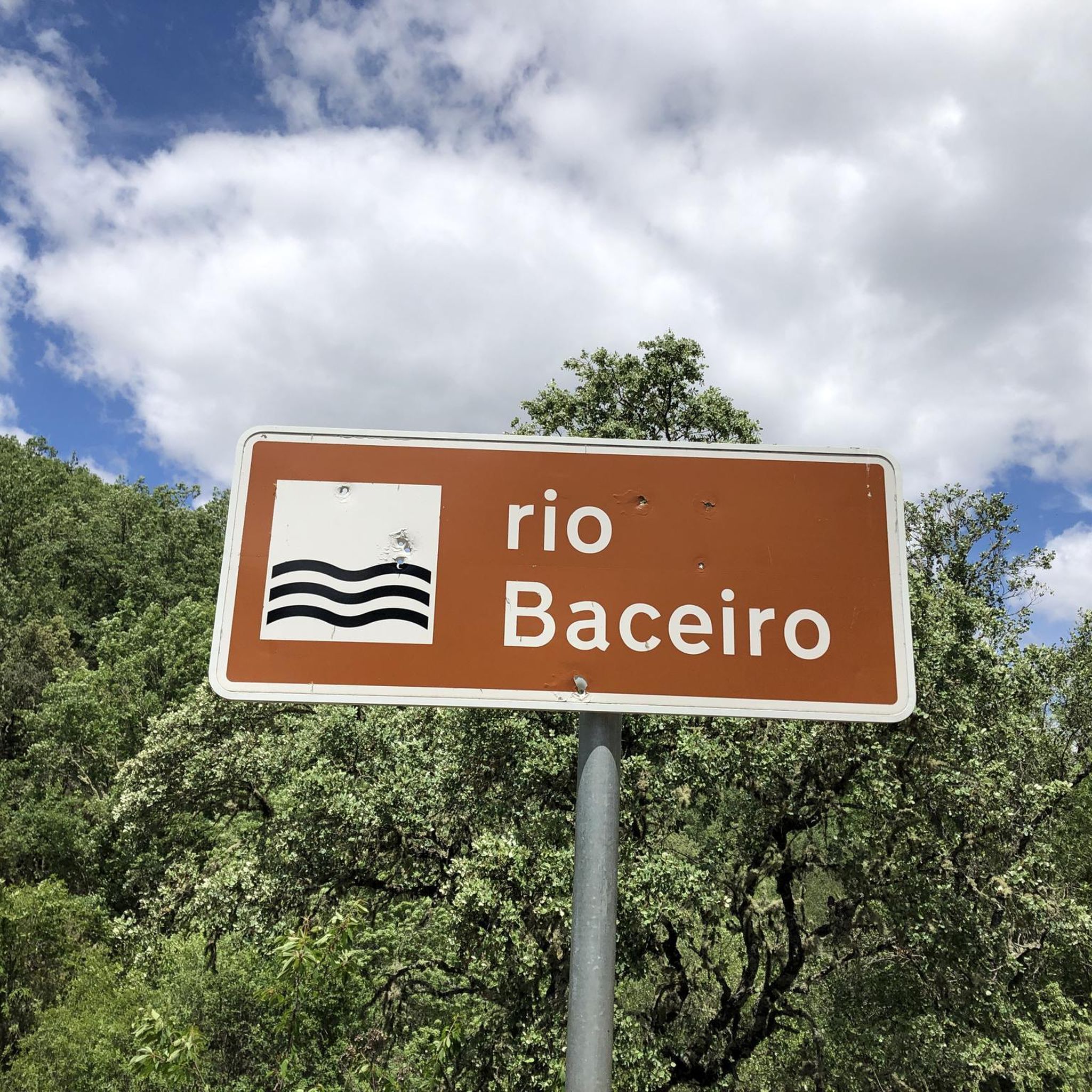
At this point, the trail invites you to embark on a little adventure: crossing the bed of a stream on the Baceiro River. When the rain lets up, the crossing is easy. And with a touch of excitement!
1
0
Along the Baceiro River, three community-run mills still stand, two in Vilarinho and one in Cova de Lua. This is one of them, a living relic of local ingenuity, which uses the power of water to grind grain and tell stories of a time when sharing and ingenuity went hand in hand.
2
0

Considered the “bread tree” in the regions north of the Tagus, the chestnut tree was the staple food before the arrival of the potato and the main source of carbohydrates in the north of the Iberian Peninsula. This deciduous tree can grow up to 30 to 35 metres in height and reach diameters of up to 12 metres, although the trunk becomes hollow as the tree ages. It is very long-lived and can live for over a thousand years. The European chestnut tree (Castanea sativa Miller) belongs to the Castanea genus and the Fagaceae family, the same family that includes cork oaks and oaks in general. The genus includes 12 to 13 species, five of which are of Asian origin and seven of which are North American. The common chestnut tree is the only one native to Europe. This is a tree that managed to survive the last glacial period (Würms glaciation) in some parts of central and Mediterranean Europe and is currently found all over the world, including North and South America and Australia. Several studies indicate that the natural distribution of the European chestnut tree corresponds to these refuge zones, where it remained during the glacial events. These areas later served as starting points for the colonization of other regions, before humanity dedicated itself to cultivating the species. One of these refuges is located in the Picos de Europa region and another between the south of Galicia and the north of Portugal, which is why the chestnut tree is considered an indigenous or native species of our country. The chestnut tree grows well in temperate climates and the ideal conditions for its development are found in places with average temperature and humidity, where rainfall reaches at least 600 mm per year – more than 100 mm in the summer. It is, however, sensitive to late frosts and very low temperatures. It prefers soils at least 50 cm deep, loose and rich in nutrients, slightly acidic (pH between 4.5 and 6.5) and not calcareous. Although it can grow in less suitable conditions, it develops and produces best in coastal or mountainous areas, at medium altitude, with hot and humid summers and mild winters.
2
0
The chestnut tree is a tall deciduous tree that can reach 35 m in height, generally imposing when adult and isolated; it has a broad, leafy crown, wide in isolated individuals. The trunk, thick, covered by rhytidome that changes color and texture with age, is thick and straight; the lower branches are compact and wide-spanning, while the upper branches are twisted.
0
0
Vilarinho is located 16 km northwest of Bragança, within the Montesinho Natural Park. It belongs to the parish of Espinhosela, which includes the villages of Terroso and Cova de Lua. An autonomous parish and a leaseholder of the king in the Inquisitions of 1258, it was taxed by D. Dinis at 70 pounds per year to fund the war against the Moors. Between the 16th and 18th centuries, the College of Jesus of Bragança held heritage assets here. Both the main church of São Cipriano, built within the village, and the Chapel of Santo Amaro, located 1 km southeast, on a hill of 819 m, have existed for centuries. The current Chapel is located in an ancient and fortified Iron Age settlement, with attested archaeological remains. It was later Romanized and Christianized. In the mid-16th century, the Temples were in a deplorable state in terms of sustainability and dignity. In 1699, with the facade in ruins and the doors open, it was decided to demolish the Chapel and use and sell materials to renovate the Church.
2
0

Town that is located a little further from the road and is a small town typical of this area with stone streets and the church in the very center.
0
0

Cool benches, good for breaks
0
0
Οι πιο δημοφιλείς διαδρομές Parâmio
Τα πιο δημοφιλή αξιοθέατα Parâmio

Εμπνεύσου με την εφαρμογή komoot για κινητά


Ανακάλυψε περισσότερα
Περιηγήσου τα καλύτερα Πεζοπορίες σε άλλες περιοχές.
