Αξιοθέατα και μέρη για επίσκεψη Ουγγαρία - Top 20
Υπάρχουν πολλά μέρη να δείτε και να επισκεφθείτε Ουγγαρία. Είτε αγαπάτε την πεζοπορία είτε την ποδηλασία, Ουγγαρία είναι μια περιοχή όπου 20
κρυμμένα στολίδια περιμένουν να ανακαλυφθούν. Δείτε τα καλύτερα αξιοθέατα της περιοχής και σχεδιάστε την επόμενη περιπέτειά σας σήμερα.
Τελευταία ενημέρωση: 12 Σεπτεμβρίου 2026
Fisherman's Bastion
Highlight • Μνημείο
Μετάφραση από Google •
Συμβουλή από

Matthias Church (Mátyás-templom)
Highlight • Θρησκευτικός χώρος
Μετάφραση από Google •
Συμβουλή από

Εγγράψου τώρα για να ανακαλύψεις μέρη σαν αυτό
Λάβε προτάσεις για τα καλύτερα single tracks, κορυφές και πολλά ακόμα συναρπαστικά υπαίθρια μέρη.
St. Stephen's Basilica
Highlight • Θρησκευτικός χώρος
Μετάφραση από Google •
Συμβουλή από

Austria–Hungary Border Crossing
Highlight • Μνημείο
Εμφάνιση μετάφρασης
Συμβουλή από

Balatonfüred Waterfront Promenade
Highlight • Σημείο θέας
Μετάφραση από Google •
Συμβουλή από

Front of the Hungarian Parliament
Highlight • Μνημείο
Μετάφραση από Google •
Συμβουλή από

Statue of St. Stephen
Highlight • Μνημείο
Μετάφραση από Google •
Συμβουλή από

Buda Castle
Highlight • Κάστρο
Μετάφραση από Google •
Συμβουλή από

Gate of Freedom (Tor zur Freiheit) – Pan-European Picnic Memorial
Highlight • Μνημείο
Μετάφραση από Google •
Συμβουλή από

Danube Riverside at Vác
Highlight • Ποταμός
Μετάφραση από Google •
Συμβουλή από

Εγγράψου δωρεάν για να ανακαλύψεις ακόμα περισσότερα αξιοθέατα στην Ουγγαρία.
Έχεις ήδη λογαριασμό;
Ξεκίνα σήμερα με έναν δωρεάν λογαριασμό
Η επόμενη περιπέτειά σου σε περιμένει.
Δημοφιλή γύρω από Ουγγαρία

NorthCape4000 – 12 days from Lake Garda to the North Cape
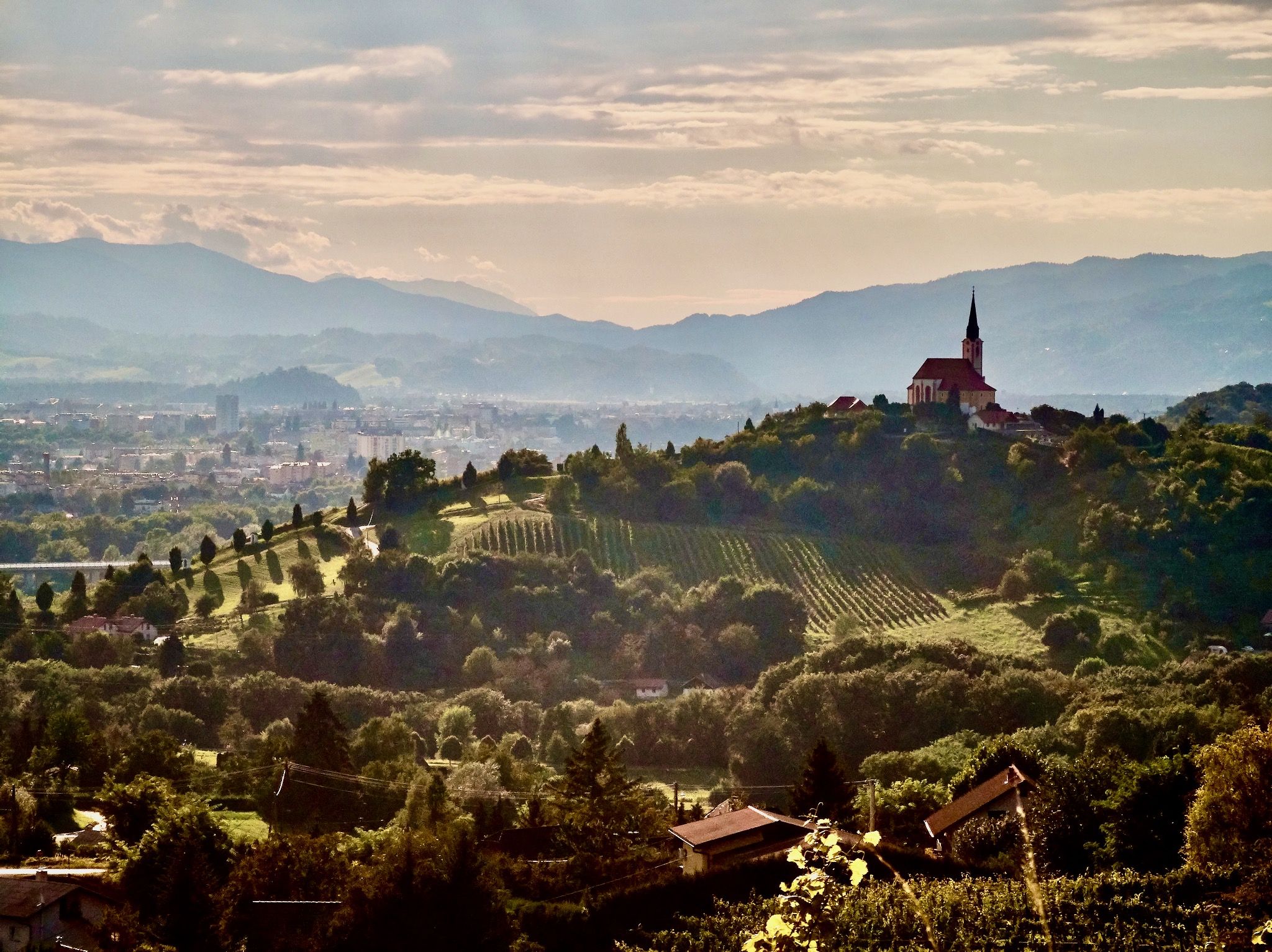
Budapest to Venice via the beautiful Soča Valley
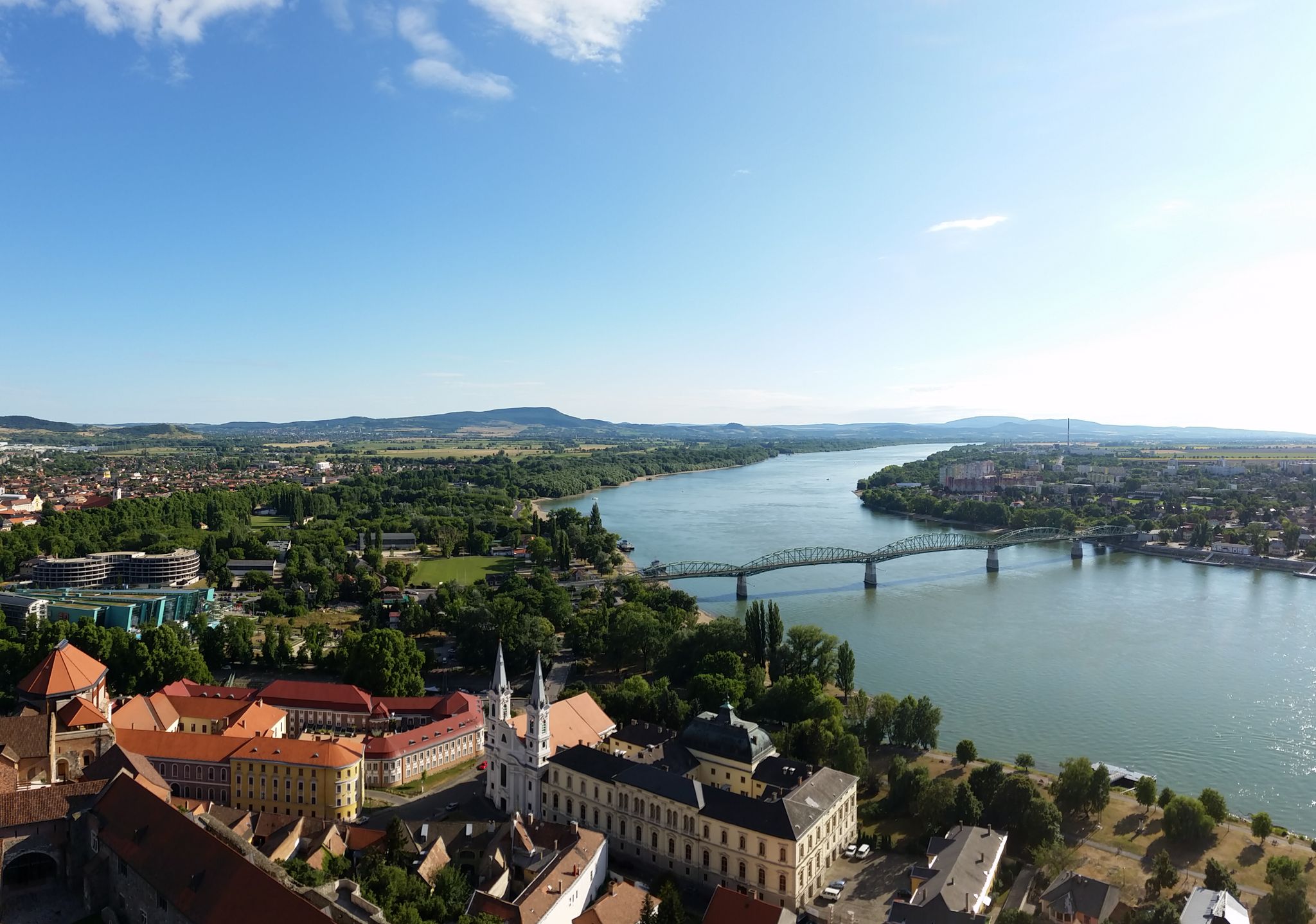
The Danube Cycle Path – From Donaueschingen to Budapest
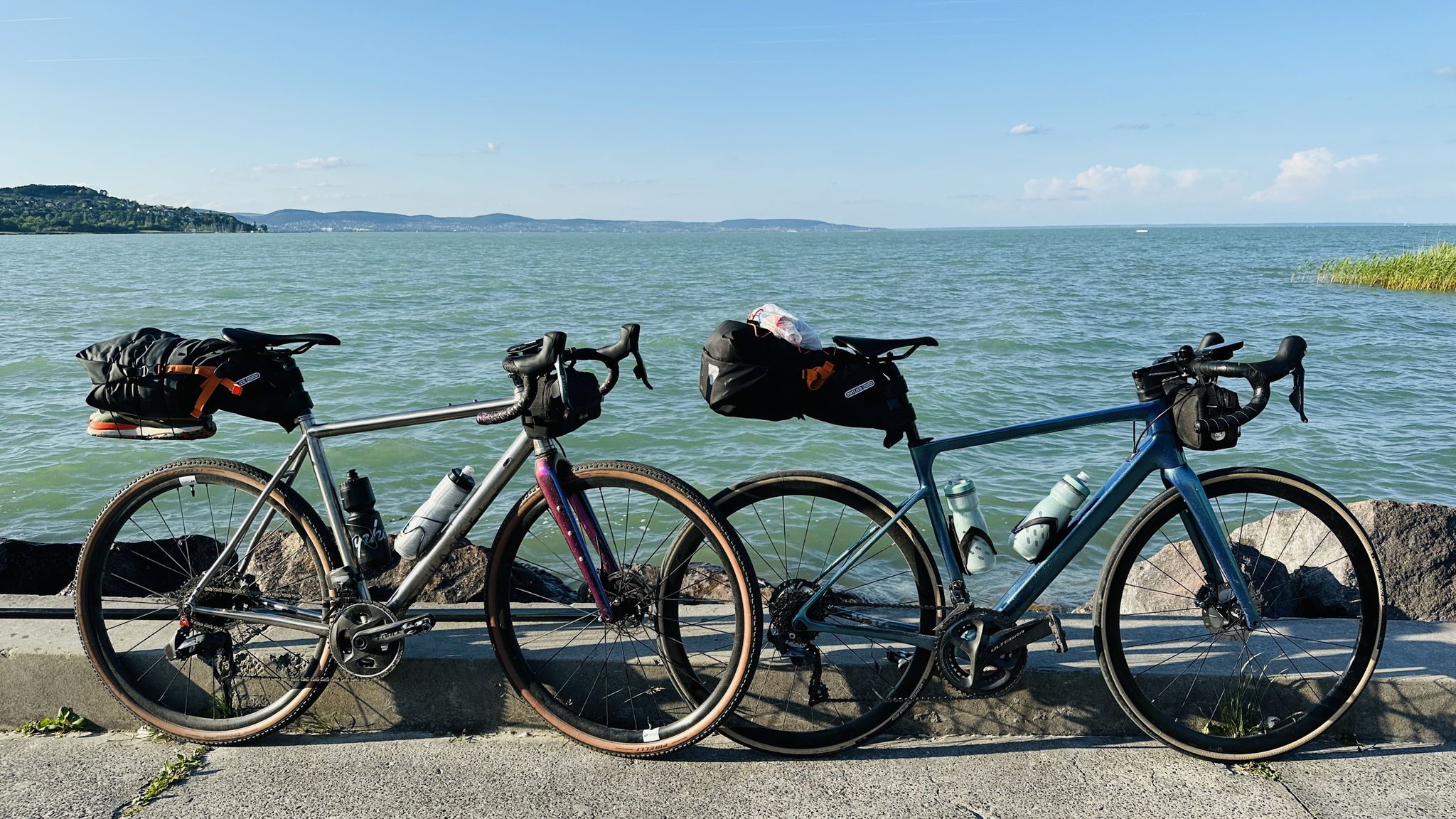
Riding two Koppels through five countries
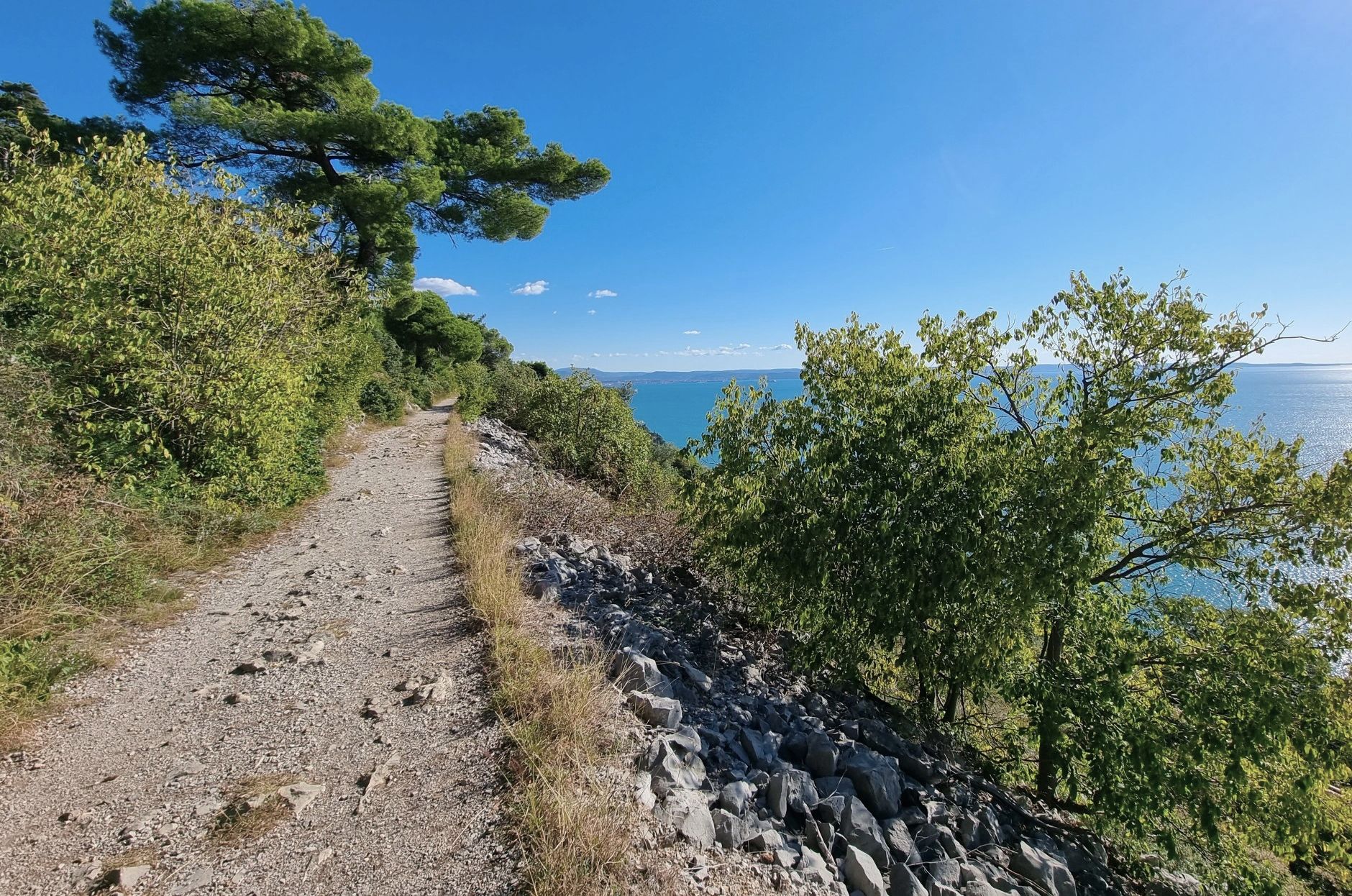
Ride to the sea – gravel bikepacking from Austria’s Vienna to Italy’s Grado
Roman paths in the Burgenland – Amber Trail East Route
As we wrote history – the Transcontinental Race #TCRN06
Ποδηλατικές διαδρομές Ουγγαρία
Πεζοπορία Ουγγαρία
Διαδρομές ποδηλασίας Ουγγαρία
Άλλες περιπέτειες στην Ουγγαρία


Συμβουλές από την κοινότητα

Στάση στα σύνορα Αυστρίας-Ουγγαρίας, βγάλτε μια φωτογραφία
4
0

Η όχθη του Δούναβη στη Βατς (γερμανικά: Waitzen) θεωρείται μια από τις ομορφότερες προκυμαίες στο ουγγρικό γόνατο του Δούναβη. Ενώ η απέναντι όχθη (Βισέγκραντ) είναι συχνά γεμάτη τουρίστες, η Βατς προσφέρει μια πιο χαλαρή, σχεδόν μεσογειακή ατμόσφαιρα. Η παραλιακή πεζογέφυρα είναι η καρδιά της πόλης για περιπατητές και ποδηλάτες. Είναι δενδροφυτεμένη με παλιές καστανιές και προσφέρει μια ευρεία θέα στον κύριο βραχίονα του Δούναβη και το νησί Szentendre.
0
0
Η παραλιακή πεζογέφυρα του Balatonfüred, επίσημα γνωστή ως Προμενάντ Tagore (Tagore sétány), είναι αναμφίβολα ο πιο κομψός και ιστορικός περίπατος σε ολόκληρη τη λίμνη Μπάλατον. Είναι η καρδιά της πόλης, συνδυάζοντας μεσογειακή αύρα με αριστοκρατική παράδοση.
0
0
The equestrian statue of Saint Stephen I (Szent István) is undoubtedly the centerpiece of Fisherman's Bastion in Budapest's Castle District. It is not only a popular photo opportunity but also steeped in symbolism and history. Stephen I was the first king of Hungary (crowned in 1000 or 1001). He is considered the founder of the Hungarian state, uniting the Hungarian tribes and consolidating Christianity in the country. He was canonized in 1083.
1
1

It is very important to remember that although Hungarian wine and palinka are acceptable, they are indecently expensive, even in a below average store. My recommendation is to buy the same products, but from Romanian, Bulgarian or Moldovan producers.
2
0

There are plenty of statues in Budapest.
2
0

The Saint Stephen Monument (Hungarian: Szent István szobra) stands on Castle Hill in Budapest, between the Fisherman's Bastion and Matthias Church on Szentháromság tér. Erected in 1906, it depicts the first Hungarian king, Stephen I, who introduced Christianity to Hungary and founded the kingdom. The bronze equestrian statue was created by the sculptor Alajos Stróbl, while the architect Frigyes Schulek designed the ornate base. The monument depicts Stephen on a proud horse, crowned and holding a cross, symbolizing the connection between secular power and the Christian faith. The stone base is decorated with reliefs depicting scenes from his life—including his coronation and the spread of Christianity. Set against the historic backdrop of the Castle District, the statue is one of Budapest's most famous landmarks and commemorates the canonized king, who is venerated as the founder of the Hungarian state.
2
0
The Saint Stephen's Monument (Szent István-szobor) in Budapest honors Stephen I, the first king of Hungary and founder of the Hungarian state. It is located in the Castle District of Buda, right next to the Fisherman's Bastion and Matthias Church – one of the city's most beautiful squares. The equestrian statue was created in 1906 by Alajos Stróbl, one of Hungary's most important sculptors. It depicts King Stephen (Hungarian: Szent István király) on horseback, wearing the Hungarian St. Stephen's Crown and holding a cross – a symbol of his role in the Christianization of Hungary. The bronze equestrian statue stands on a richly decorated Neo-Romanesque pedestal adorned with reliefs depicting scenes from Stephen's life. The pedestal was designed by the architect Frigyes Schulek, who also designed the neighboring Fisherman's Bastion. Today, the monument is a popular photo motif and commemorates the canonized king, who is venerated as the founder of the Hungarian state and patron saint of Hungary.
2
0
Οι πιο δημοφιλείς διαδρομές στην Ουγγαρία
Τα πιο δημοφιλή αξιοθέατα στην Ουγγαρία

Εμπνεύσου με την εφαρμογή komoot για κινητά


Δεν βρήκες αυτό που ψάχνεις;
Θες να εξερευνήσεις περισσότερα εκπληκτικά μέρη κοντά σου; Περιηγήσου τους οδηγούς:
Ανακάλυψε περισσότερα
Δεν βρήκες ακόμη το Highlight που ψάχνεις; Δες οδηγούς για τα κορυφαία αξιοθέατα σε άλλες περιοχές:
