Τα 17 καλύτερα κάστρα Simonswald
Μια επίσκεψη σε ένα κάστρο — είτε το ανακαλύψετε κατά τη διάρκεια μιας πεζοπορίας είτε το εξερευνήσετε με ξεναγό — είναι πάντα κάτι ξεχωριστό, και έχετε 17
πανέμορφα κάστρα να επιλέξετε Simonswald. Περιηγηθείτε στη λίστα μας για να βρείτε το αγαπημένο σας κάστρο και προσθέστε λίγη ιστορία στην επόμενη περιπέτειά σας!
Τελευταία ενημέρωση: 30 Αυγούστου 2026
Kastelburg Ruins
Highlight • Κάστρο
Μετάφραση από Google •
Συμβουλή από

Hochburg Castle Ruins (Emmendingen)
Highlight • Κάστρο
Εμφάνιση μετάφρασης
Συμβουλή από

Εγγράψου τώρα για να ανακαλύψεις μέρη σαν αυτό
Λάβε προτάσεις για τα καλύτερα single tracks, κορυφές και πολλά ακόμα συναρπαστικά υπαίθρια μέρη.
Εγγραφή δωρεάν
Keppenbach Castle Ruins
Highlight • Κάστρο
Μετάφραση από Google •
Συμβουλή από

St. Severin Chapel Ruins (Mauracher Berg)
Highlight • Θρησκευτικός χώρος
Μετάφραση από Google •
Συμβουλή από

View of Hochburg Castle
Highlight • Σημείο θέας
Μετάφραση από Google •
Συμβουλή από

Εγγράψου δωρεάν για να ανακαλύψεις ακόμα περισσότερα κάστρα Simonswald.
Εγγραφή δωρεάν
Έχεις ήδη λογαριασμό;
Ξεκίνα σήμερα με έναν δωρεάν λογαριασμό
Η επόμενη περιπέτειά σου σε περιμένει.
Σύνδεση ή εγγραφή
Δημοφιλή γύρω από Simonswald
ZweiTälerSteig – 5 stages hiking to discover Germany's Black Forest
Two valleys, endless views – hiking in the ZweiTälerLand
Autumn views on Genießerpfade and quality Tours in the Black Forest
Kids in boots – the most beautiful family Tours in the Black Forest

Ride legendary training passes in the Black Forest
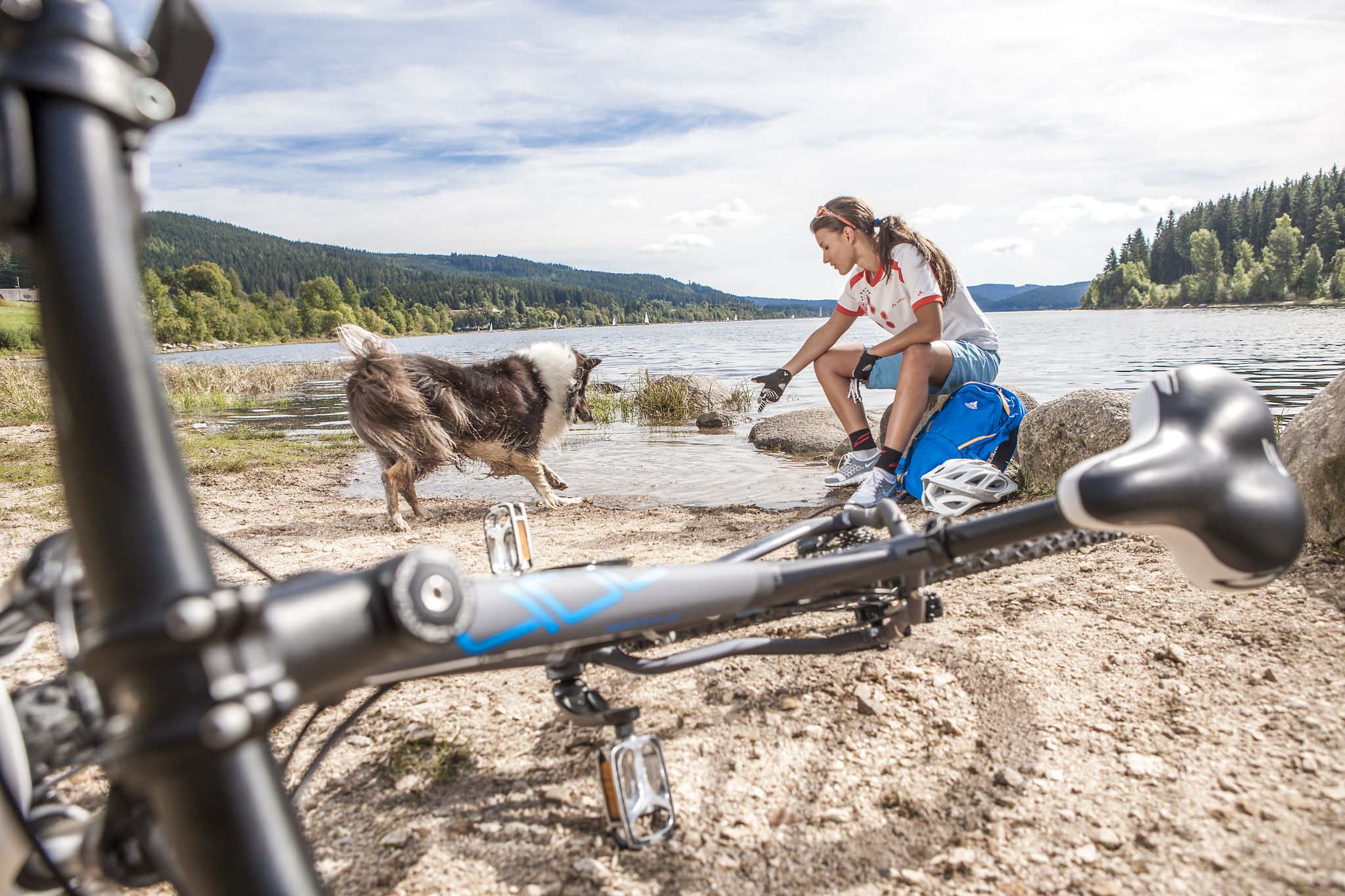
Panoramas, trails and lake hopping – biking in the Black Forest
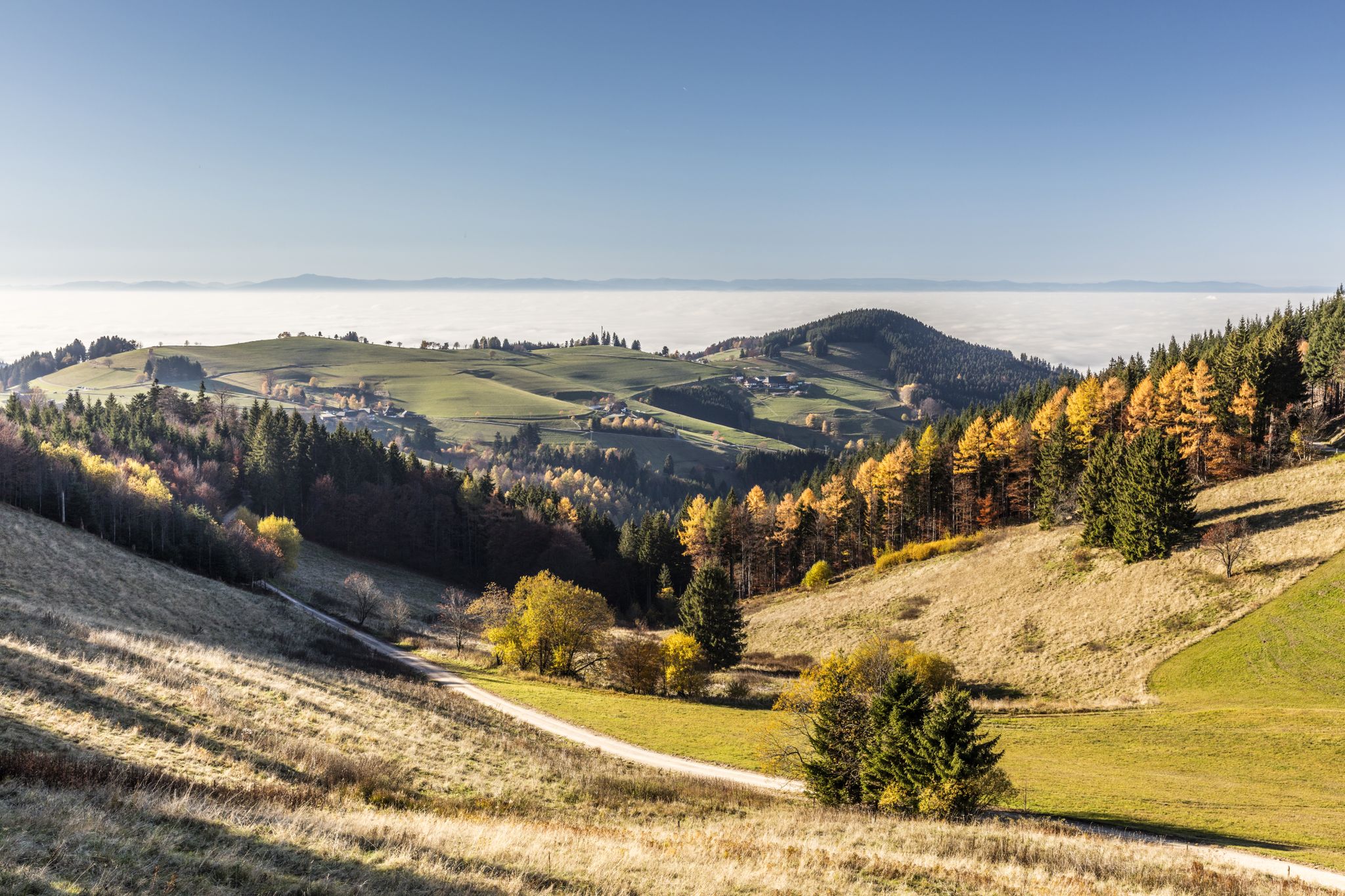
Rendezvous mit dem goldenen Herbst – Mountainbike-Touren durch den Schwarzwald
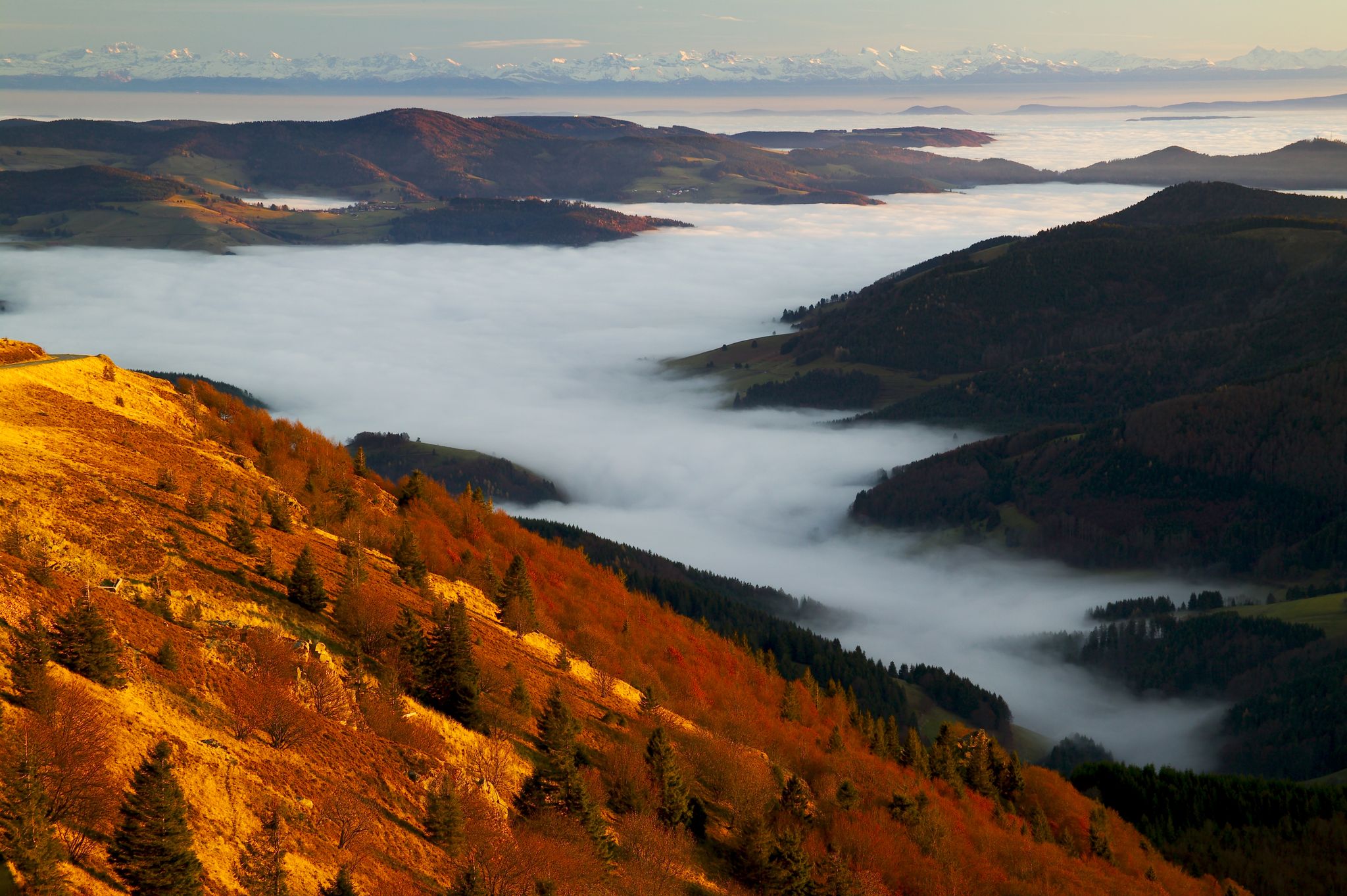
Herbst. Wandern. Farbenspiel.
Πεζοπορία Simonswald
MTB μονοπάτια Simonswald
Άλλες περιπέτειες Simonswald


Συμβουλές από την κοινότητα


Below the Sexau vineyard you have a beautiful view over the countryside to the impressive Hochburg ruins near Emmendingen. It is one of the largest castle ruins on the Upper Rhine.
1
0

It was first mentioned as “Hachberg” castle in the 12th century; The gentlemen from Hachberg are possible founders and first owners. The Margraves of Baden and the Hachberg branch had owned and used the complex since the 13th century. The castle's heyday began in the 17th century, when Margrave Georg Friedrich von Baden had it expanded into a fortress.
2
0

The St. Severin ruins are located on the eastern slope of the Mauracher Mountain, an elevation in the municipality of Denzlingen in northern Breisgau. One of Denzlingen's first places of worship was probably located here 1,000 years ago. The ruin bears the year 1497 on the Gothic door arch. Already in the Middle Ages one often heard the name of the "eclesia in Muron" or "eclesia in Gloter", church in Maurach" or in the parish of Glotter. However, the patronage was first mentioned in 1488, when the church of St. Serverin was called "S. Severini in Murach" is mentioned in writing. A relief plate made of red sandstone, which depicts St. Severin as a bishop and was found within the church ruins, is now in the Catholic Jakobuskirche in Denzlingen. Until the Reformation, pilgrimages took place regularly on the Mauracher Mountain. The Reformation, which was carried out in the towns of the Margraves of Baden in 1556, ended the pilgrimages and processions. 1575 It is mentioned that the margrave, after accepting the change of religion, banned pilgrimages to the chapel on the Mauracherberg and closed the little church. However, this probably did not stop many believers from continuing to pray in St. Severin, as the inscriptions on the relief panel from 1771 show. Today only a very dilapidated ruin remains of the old pilgrimage center on the Mauracher Berg, which was once the mother church of the Glottertal. https://www.alemannische-seiten.de/deutschland/denzlingen_st-severin-denzlingen.php
3
0

The settlement of the landscape in Freiamt has probably in the 11./12. Century during the great clearing epoch of the Black Forest. Even then, people knew that there could be silver ore veins between the rocks in the federal sandstone in the Brettenbach valley. So the Zähringer dukes took favorable land and pushed out the smaller nobility who were busy with the clearing. The Zähringers appointed a able subject a knight of Keppenbach and ordered him to build a castle to protect the silver ore mines. This finally reaches a length of 200 meters and a width of 35 meters. However, the yield of silver was lower than hoped. Mining was abandoned around 1800 at the latest. The first written mention of the Knights of Keppenbach was in 1161. Hartmut von Keppenbach is listed as a witness in a purchase deed from Tennebach. Since the age of the castle is not known, it can be concluded that Keppenbach Castle already existed at this time. You can find more information about Bur Keppenbach on my homepage: https://www.breisgau-burgen.de/de/index.php/breisgau-burgen/burgen-a-h/burgen-f/freiamt-burg-keppenbach
0
0
The ruins of St. Severin's Chapel are located on the eastern spur of the Mauracher Berg. It was built in 1497 by the St. Margarethen von Waldkirch monastery. Excavations by the University of Freiburg in recent years have not only documented the foundations of an older church, but also a large number of burials. The evaluation of the written sources has shown that the church was probably the Glottertal parish church until 1466. Only then did the Blasius chapel there receive full parish rights. The dating of the wall and ditch fortifications found on the Mauracher Berg is still open. An origin in prehistory is just as conceivable as an origin in the Middle Ages. But it is also possible to reuse an older fortification in the Middle Ages. For this reason, it cannot yet be said with certainty that there is a castle on the Mauracher Berg. More information on my website: https://www.breisgau-burgen.de/de/index.php/breisgau-burgen/kloester-a-z/denzlingen-ruine-der-st-severinskapelle
2
0

The history of the castle is very interesting. The tower can be walked on and you can enjoy a fantastic view
7
0

worth the climb, great castle with beautiful views. The tower can be climbed during the day.
7
0
Οι πιο δημοφιλείς διαδρομές Simonswald
Τα πιο δημοφιλή αξιοθέατα Simonswald

Εμπνεύσου με την εφαρμογή komoot για κινητά


Ανακάλυψε περισσότερα
Ψάχνεις τα καλύτερα κάστρα αλλού; Ανακάλυψε άλλους οδηγούς Simonswald:
