Τα 20 καλύτερα κάστρα Cham
Μια επίσκεψη σε ένα κάστρο — είτε το ανακαλύψετε κατά τη διάρκεια μιας πεζοπορίας είτε το εξερευνήσετε με ξεναγό — είναι πάντα κάτι ξεχωριστό, και έχετε 20
πανέμορφα κάστρα να επιλέξετε Cham. Περιηγηθείτε στη λίστα μας για να βρείτε το αγαπημένο σας κάστρο και προσθέστε λίγη ιστορία στην επόμενη περιπέτειά σας!
Τελευταία ενημέρωση: 25 Σεπτεμβρίου 2026
Schwarzenburg Castle Ruins
Highlight • Κάστρο
Μετάφραση από Google •
Συμβουλή από

Burgruine Kürnburg
Highlight • Κάστρο
Μετάφραση από Google •
Συμβουλή από

Εγγράψου τώρα για να ανακαλύψεις μέρη σαν αυτό
Λάβε προτάσεις για τα καλύτερα single tracks, κορυφές και πολλά ακόμα συναρπαστικά υπαίθρια μέρη.
Lichteneck Castle Ruins
Highlight • Κάστρο
According to a local story, the lords of the castle at Lichteneck are supposed to have defeated their worst enemies, …
Μετάφραση από Google •
Συμβουλή από

Schwarzenburg Castle Ruins
Highlight • Κάστρο
Μετάφραση από Google •
Συμβουλή από

Burgruine Wetterfeld
Highlight • Κάστρο
Μετάφραση από Google •
Συμβουλή από

Burgruine Lobenstein
Highlight • Κάστρο
Μετάφραση από Google •
Συμβουλή από
Sengersberg Castle Ruins
Highlight • Κάστρο
Μετάφραση από Google •
Συμβουλή από

Buchberg Castle Ruins
Highlight (Segment) • Κάστρο
The first representative of the Puchbergs, who can certainly be referred to this place, was Otto I, first mentioned in 1196. The family originally belonged to the …
Μετάφραση από Google •
Συμβουλή από

Falkenstein – Schlosspark, Ruine und Rittermahl
Highlight • Κάστρο
Μετάφραση από Google •
Συμβουλή από
Ödenturm (Ruins of Chameregg Castle)
Highlight • Κάστρο
Μετάφραση από Google •
Συμβουλή από

Εγγράψου δωρεάν για να ανακαλύψεις ακόμα περισσότερα κάστρα Cham.
Έχεις ήδη λογαριασμό;
Ξεκίνα σήμερα με έναν δωρεάν λογαριασμό
Η επόμενη περιπέτειά σου σε περιμένει.
Δημοφιλή γύρω από Cham
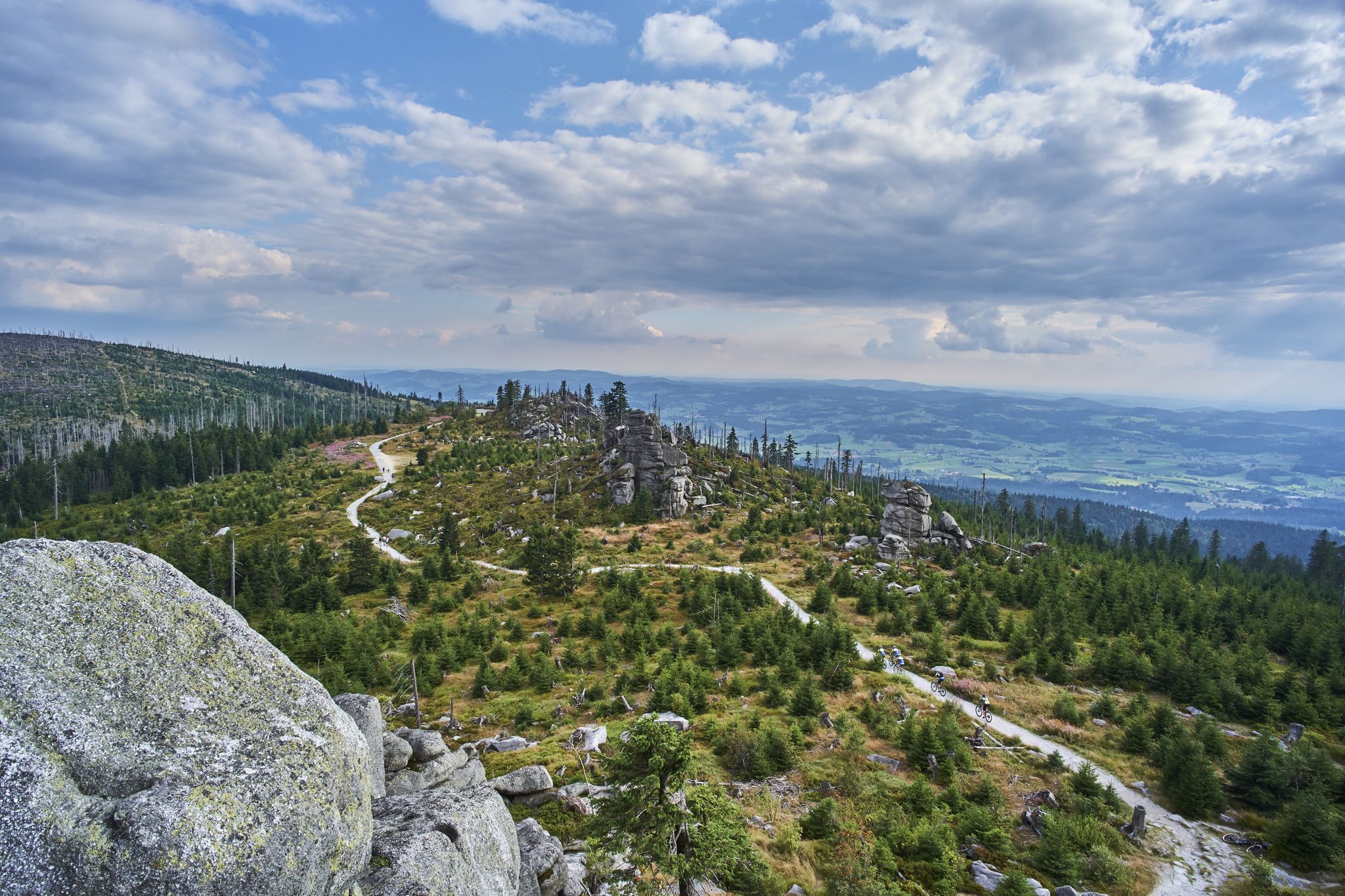
Trans Bayerwald – A mountain bike adventure through Bavaria's finest nature
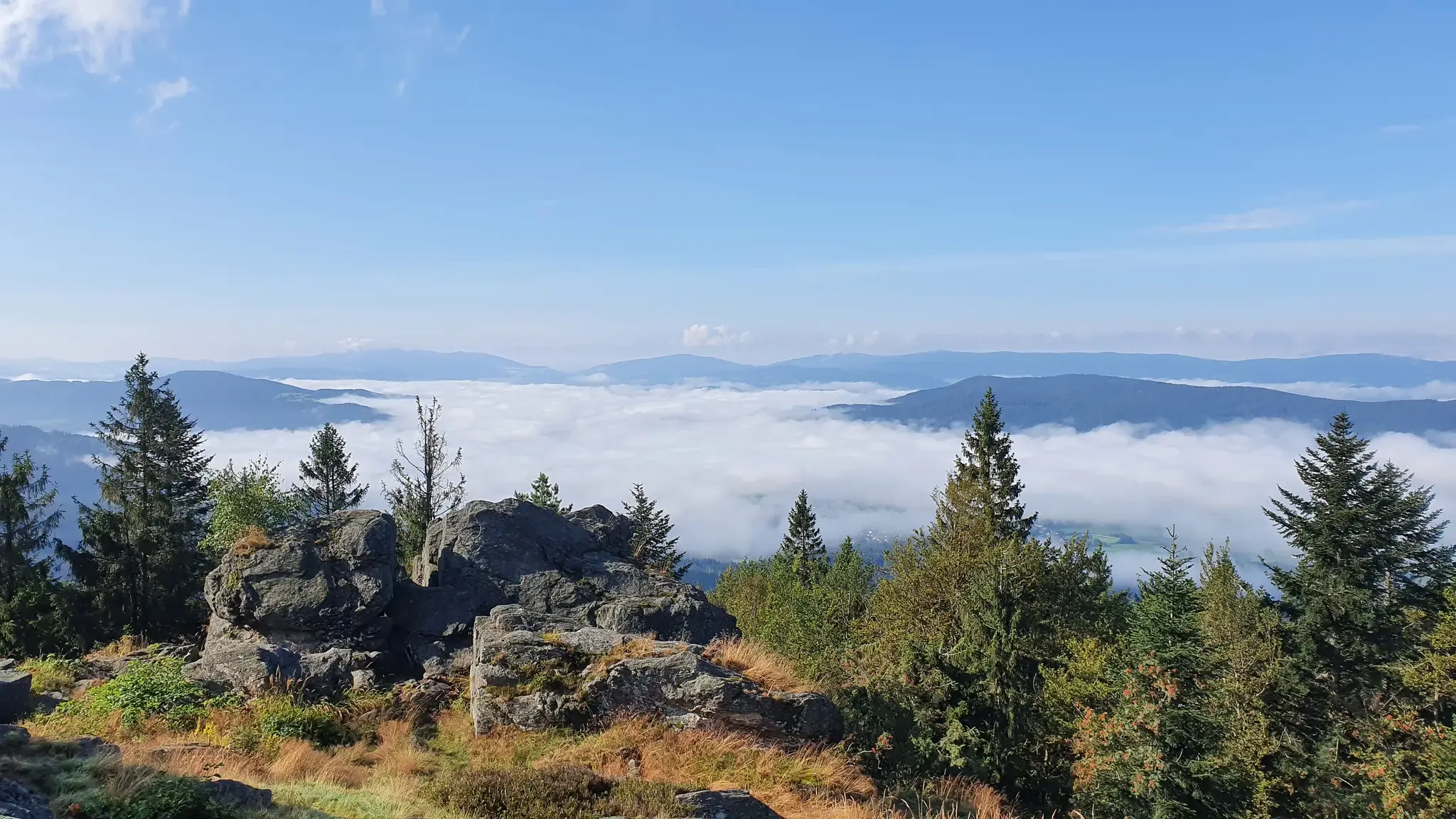
The Goldsteig – 38 stages between Upper Palatinate and Passau
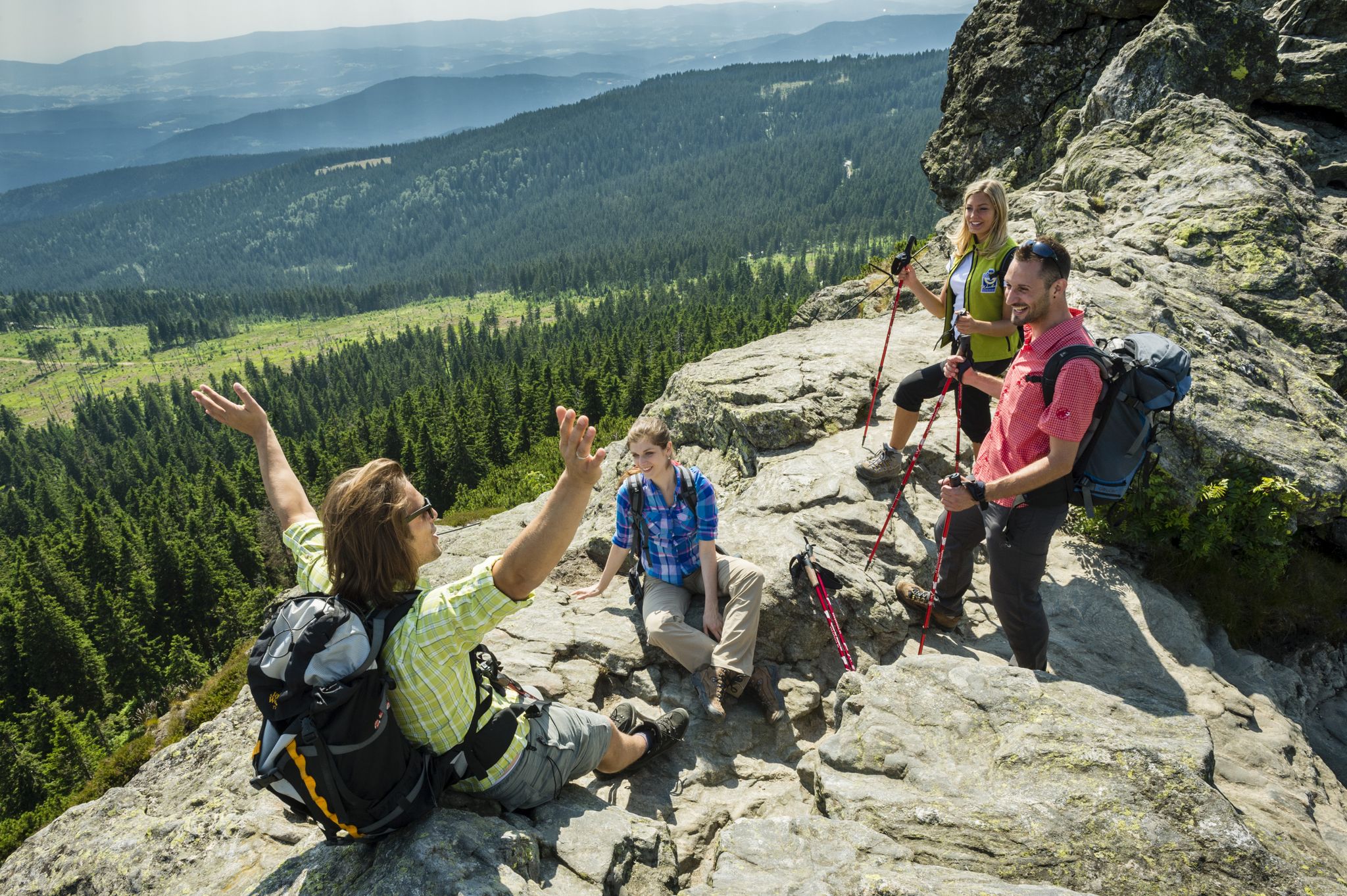
Goldsteig — The best routes for long distance hiking in Eastern Bavaria
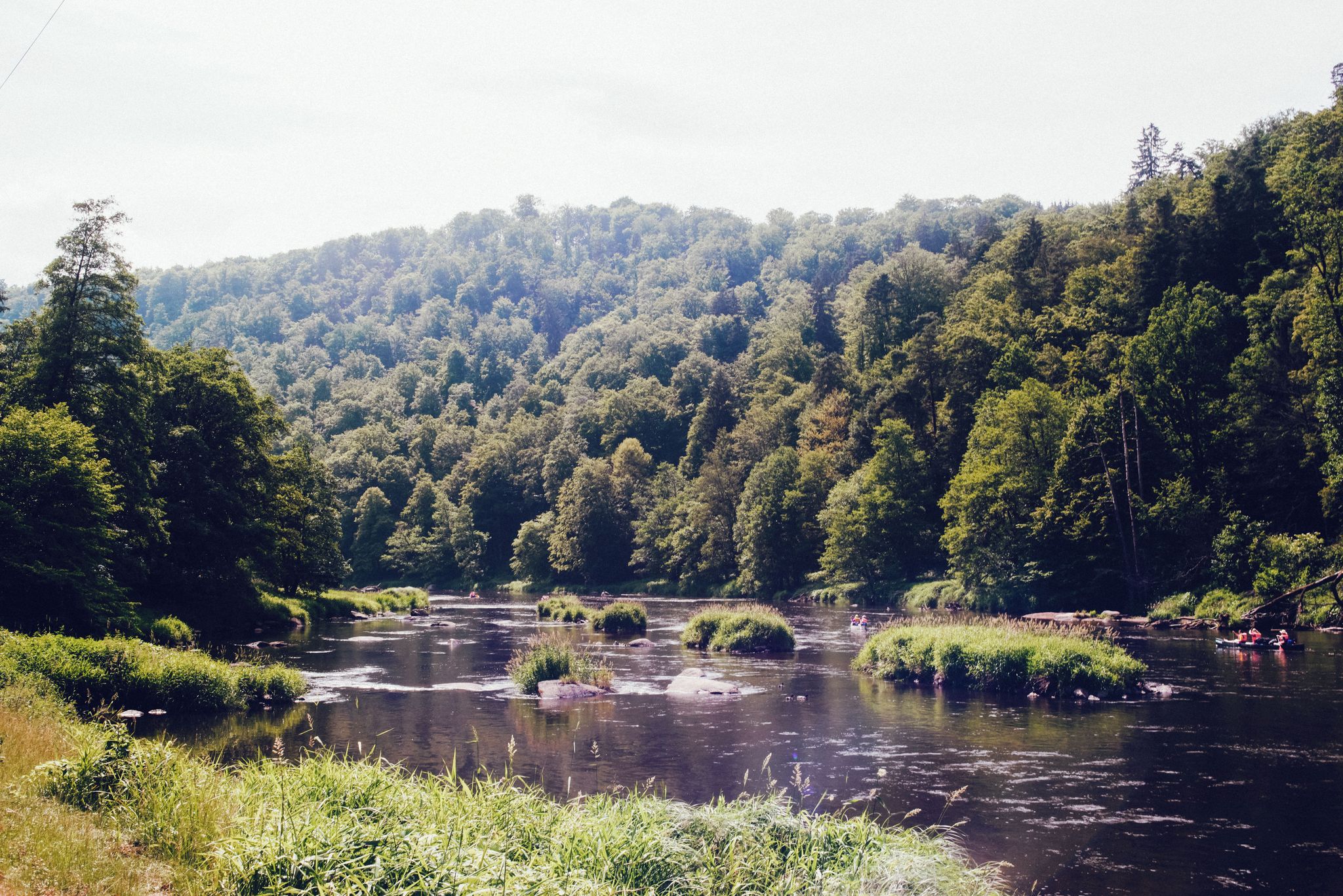
The Rain valley cycle path — 4 days through the Bavarian Forest
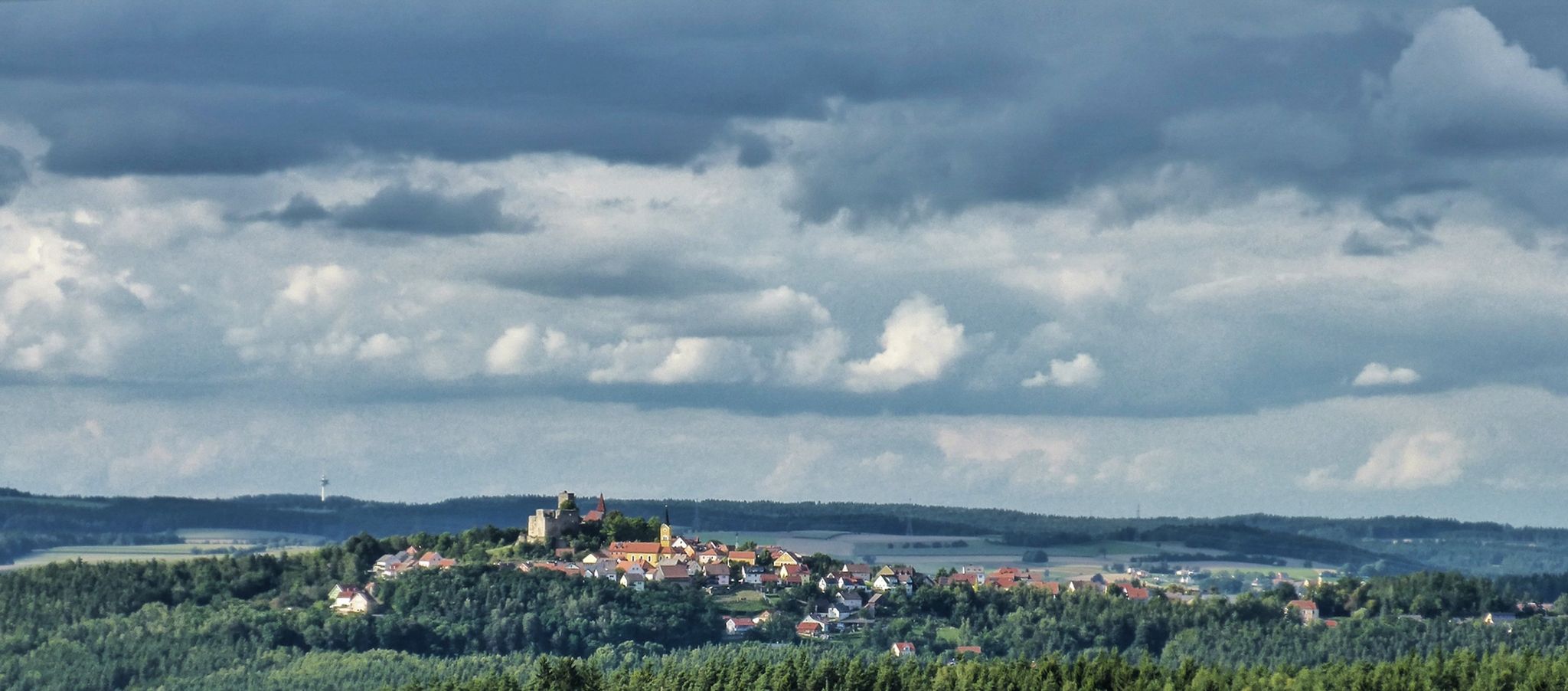
The Upper Palatinate Castle Trail — 9 days in picturesque northern Bavaria
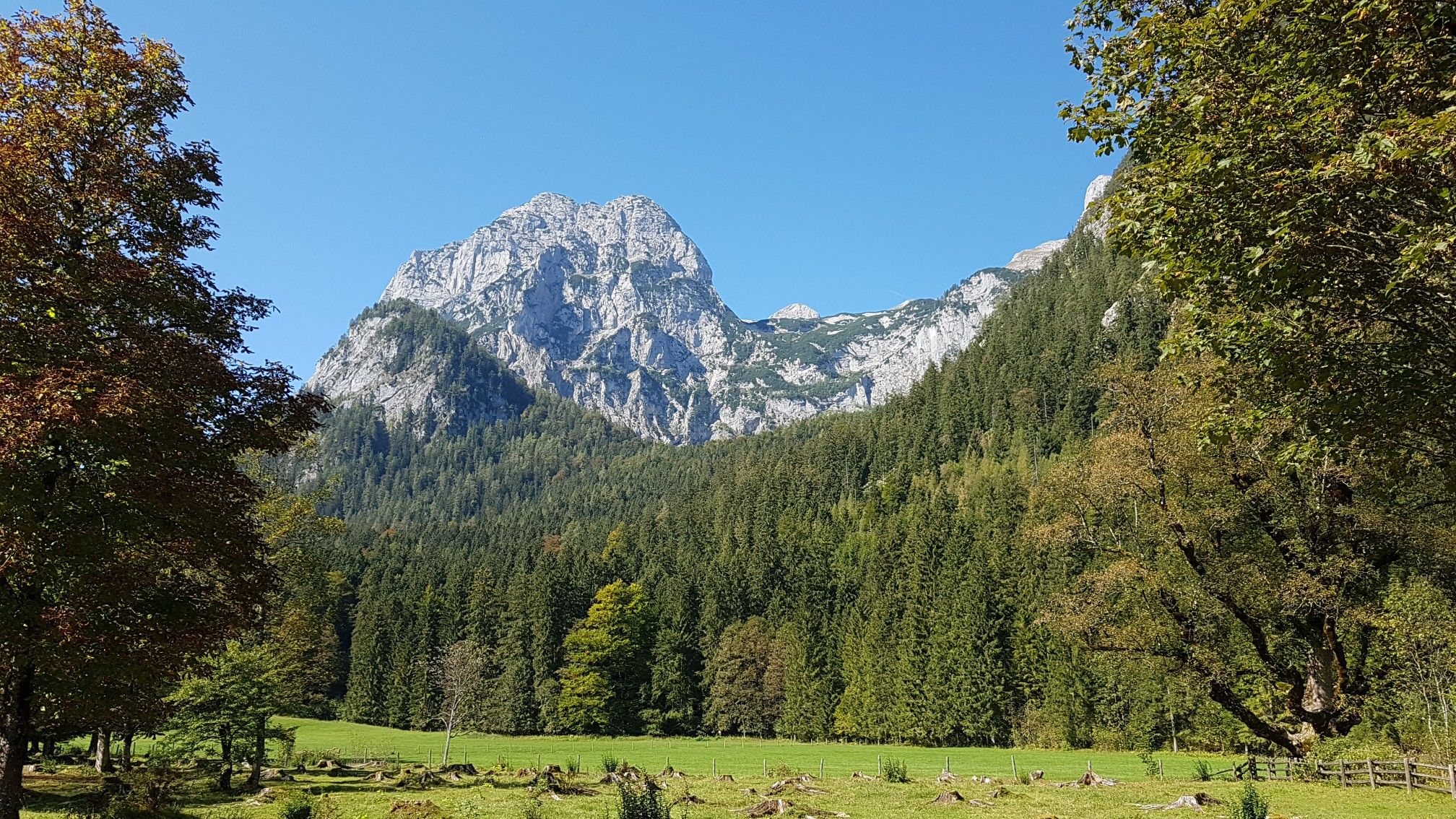
The National Natural Landscapes in Bavaria

Exciting cycle and (e)-mountain bike Tours in the Bavarian Forest
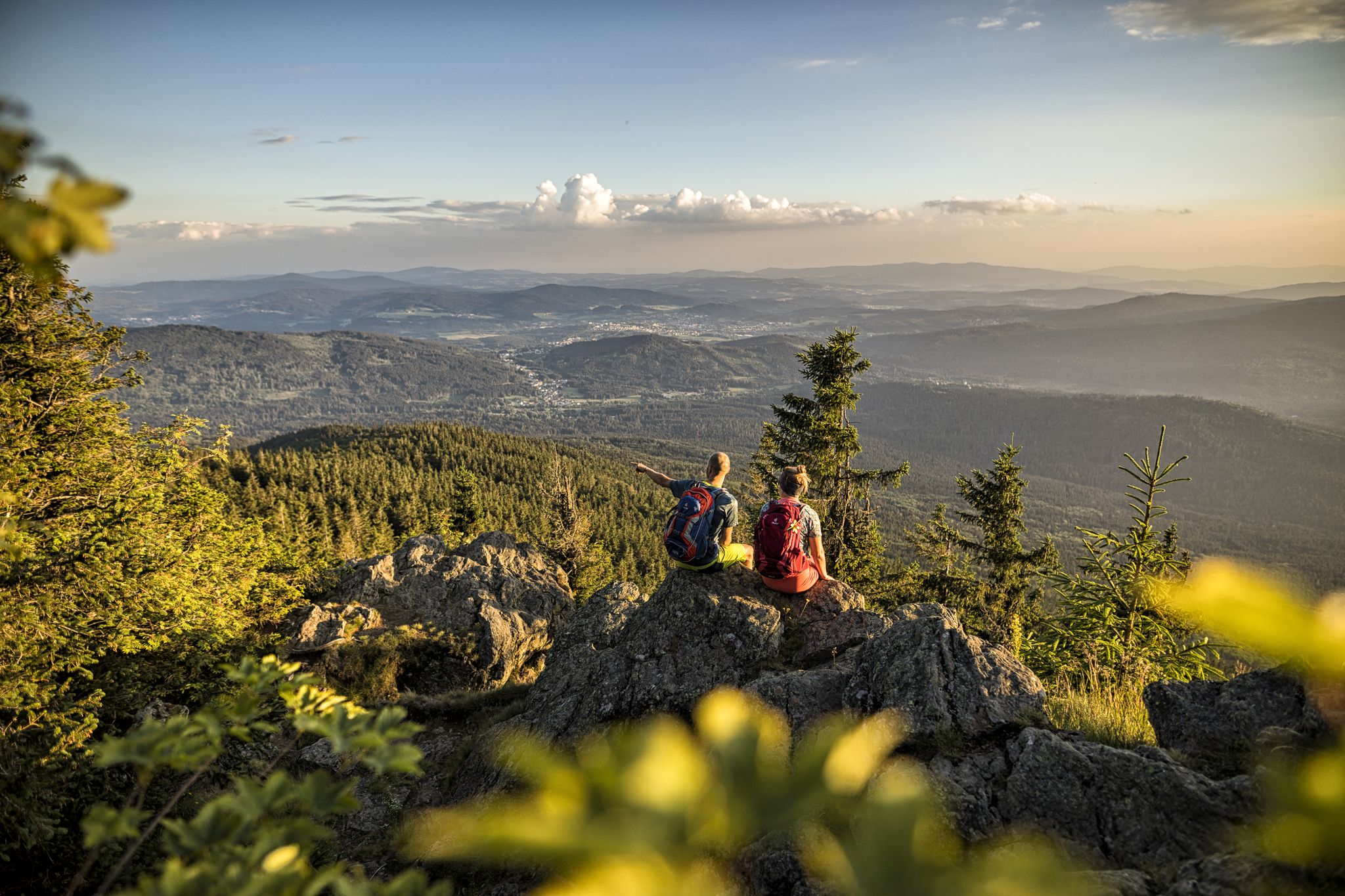
Hiking tips for the Bavarian Forest
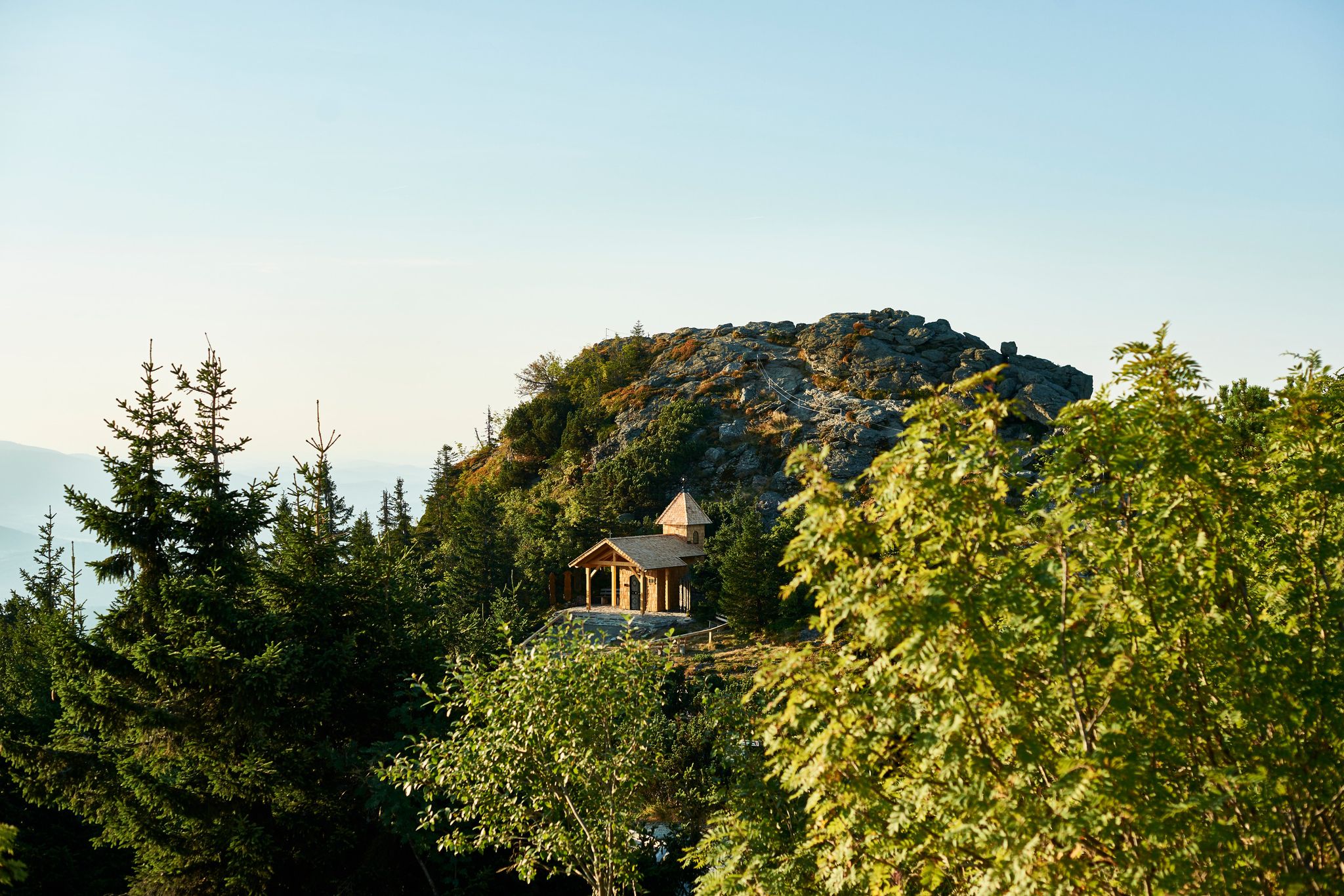
Six wonderful hikes around Bavaria’s Großer Arber

Varied day Tours on the Großer Arber
Άλλες περιπέτειες Cham


Συμβουλές από την κοινότητα

Ερείπια της οχύρωσης με αναμνηστικές πλάκες στο παρασκήνιο
0
0

Wetterfeld Castle Ruins As early as 1118, Gottfried von Wetterfeld appears as an influential ministerialis (unfree knight) of the Diepoldings, the powerful Margraves of Cham and Vohburg. He seems to have maintained good relations with many monasteries, especially Reichenbach Abbey—no wonder, since Abbot Reginboto was his brother. Numerous donations to various monasteries by Gottfried are documented, a widespread practice among knights to secure their salvation. In a donation from 1155, Heinrich is even mentioned as an imperial ministerialis, which demonstrates the family's rapid political rise. In 1179, Karl and Heinrich "de Weterinfeld" appear, after which the family disappears from the historical record. It is not until 1268 that we hear of a Deinhardus, who is now subject to the Bavarian dukes; perhaps they lost their independence with the inheritance of the Hohenstaufen dynasty. From 1283 onward, the Wittelsbachs sent judges to Wetterfeld. Ducal ministeriales from the surrounding area succeeded in office: Hauzendorfer, Katzdorfer, Zenger, and others. In 1322, it was pledged to the Chamerau family. In 1329, Wetterfeld came under the control of the Palatine line of the Wittelsbachs, who also appointed judges. In 1410, it passed to the sub-principality of Neumarkt-Neunburg, with the Degenberger, Nothaft, and Zenger families, among others, serving as administrators. During the Hussite raids of 1428 and 1433, the castle was destroyed and subsequently rebuilt. A unique feature of Wetterfeld is the four "castle guards"—four legally independent building complexes within the castle, which were granted separately—making the ownership situation quite complex. In 1621, during the Thirty Years' War, the Upper Palatinate, including Wetterfeld, came under the rule of Duke Maximilian of Bavaria. Later in the war, Wetterfeld was destroyed twice by the Swedes and subsequently rebuilt. But the castle and its buildings continued to deteriorate, and the administrators increasingly relocated their offices outside the castle. In 1812, the administrative office was moved to Roding, the castle grounds were subdivided, and private houses were built over. Wetterfeld is a moated castle—a branch of the Regen River bordered the complex to the northeast. The still clearly visible, deep, walled moat could be filled with sluice gates in case of attack. Essentially, only the large gate tower, built of rubble stone with corner quoins, remains. Its upper, habitable floors make it a variation of the late medieval residential tower. Source: www.burgenseite.de
1
0

The destination isn't worthwhile. The remains of the ruins are completely overgrown. Therefore, you don't get a complete overview and have no long-distance view.
0
0

Great place, in some places you can still see castle walls.
0
0

Nice place to come back
0
1
Chameregg Castle Ruins The castle may have been built as early as the 12th century; an iron kingdom of Chameregg is mentioned in a document from 1322, but the castle itself is not mentioned for the first time until 1352. At that time, Konrad von Chameregg was the owner; he came from the highly wealthy Chamerauer family. In the 14th century, the Chamerauers assumed important offices for the Duke of Lower Bavaria/Straubing – the four brothers Peter, Heinrich, Ulrich, and Friedrich were chamberlains, captains, vicars, and city administrators. In 1365, they lost all these high offices for breach of trust and revenue evasion. Whether this was justified is unclear, but they were gradually rehabilitated. Later, however, the family's fortunes declined rapidly; the horrendous expenses for representation and luxury could no longer be covered, and debts and mortgages piled up. In 1446, two unnamed Chamerauers were even executed by Duke Albrecht in Straubing for robbery and murder. Like so many other knights during this period, they had resorted to robber barons. In 1452, the last of the Chamerauers, Peter, died heavily in debt, and his remaining possessions went to creditors. Chameregg passed through many hands, perhaps abandoned decades earlier and falling into disrepair – the new lords had moved to a moated castle in the valley. In the 15th century, the Polling family still appears as owners, but then news of it ceases. The castle was renovated in the 1980s. Essentially, only part of the former keep remains of the small castle. The "halved" tower clearly shows how a medieval keep is constructed: four stories with vaults are clearly visible. The entrance is about 9 meters high. The wall consists of a shell of carefully hewn bossed ashlars on the outside, a rubble stone filling, and smaller, smooth ashlars on the inside. The rooms had an area of only 13 m². As usual, the lowest floor was only accessible from above through a so-called "fear hole." The careful construction suggests that it was built as early as the 12th century. In the northwest corner, traces of the wall of the entrance area can still be found, which was probably protected by a gate tower. The complex was surrounded by a surrounding moat, much of which can still be seen. Source: www.burgenseite.de
2
0
Buchberg Castle Ruins The first representative of the Puchbergs, who can certainly be referred to this place, was Otto I, first mentioned in 1196. The family originally belonged to the Diepoldinger ministeriality, and from 1204 to the Wittelsbacher. Relationships with the Bogeners arose from the widely scattered family property. In 1301, Hildebrand II sold the last remaining share of the castle to Duke Otto III of Lower Bavaria. The focus of the family's possessions now shifted to southern Lower Bavaria. The ancestral castle is said to have been pledged by the dukes to Rudlant Göttlinger in 1320. It was last mentioned in 1331 during the division of Lower Bavaria. It was then possibly used by the Göttlingers as a starting point for raids and destroyed or abandoned by the citizens of Cham. As early as 1347, grazing and usage rights were mentioned on the Buchberg, and in 1470 forests and a former castle. After its abandonment or destruction after 1331, it served as a quarry until recently. The oval complex, with a total length of 150 m and a maximum width of 60 m, is divided into an outer and main castle. The former occupies the highest peak covered with granite blocks at the southern end of the castle hill. To the north-northwest it is secured by a moat up to 12 m wide with an outer rampart, some of which has been preserved. The egg-shaped interior of the main castle measures approx. 50 x 40 m. The lower western part was protected by a ring wall that made clever use of the terrain, a 17 m long section of which has been preserved. The higher part of the castle was surrounded by its own ring wall, some of which can be seen. The southern part of the area was occupied by a large, multi-room building. At the highest point is the base of the keep. To the north-northwest, the main castle is adjoined by a plateau up to 20 m wide. In front of this is a ditch-like structure about 70 m long. It runs into the slope in the east and leaves the access to the main castle free in the west. Overall, the structure of the complex is not easy to understand due to the heavy vegetation. After 1997, the few remaining parts were secured. Source: Extracts from www.ebidat.de
4
0

The Buchberg castle ruins, also known as Schlossberg, are located on a 563-meter-high hill on the Buchberg. The Counts of Bogen built the castle in the 12th century and the Lords of Puchberg joined them later. The castle was destroyed in the 14th century and today only the stump of the keep and the remains of the walls remain.
2
0
Οι πιο δημοφιλείς διαδρομές Cham
Τα πιο δημοφιλή αξιοθέατα Cham

Εμπνεύσου με την εφαρμογή komoot για κινητά


Δεν βρήκες αυτό που ψάχνεις;
Ανακάλυψε τα καλύτερα κάστρα του Cham περιοχή‑προς‑περιοχή:
Ανακάλυψε περισσότερα
Ψάχνεις τα καλύτερα κάστρα αλλού; Ανακάλυψε άλλους οδηγούς Cham:
