Τα 20 καλύτερα κάστρα Σλέσβιχ-Χόλσταϊν
Μια επίσκεψη σε ένα κάστρο — είτε το ανακαλύψετε κατά τη διάρκεια μιας πεζοπορίας είτε το εξερευνήσετε με ξεναγό — είναι πάντα κάτι ξεχωριστό, και έχετε 20
πανέμορφα κάστρα να επιλέξετε Σλέσβιχ-Χόλσταϊν. Περιηγηθείτε στη λίστα μας για να βρείτε το αγαπημένο σας κάστρο και προσθέστε λίγη ιστορία στην επόμενη περιπέτειά σας!
Τελευταία ενημέρωση: 30 Αυγούστου 2026
Eutin Castle
Highlight • Κάστρο
Μετάφραση από Google •
Συμβουλή από

Glücksburg Castle
Highlight • Κάστρο
Μετάφραση από Google •
Συμβουλή από

Εγγράψου τώρα για να ανακαλύψεις μέρη σαν αυτό
Λάβε προτάσεις για τα καλύτερα single tracks, κορυφές και πολλά ακόμα συναρπαστικά υπαίθρια μέρη.
Εγγραφή δωρεάν
View of Plön Castle from Großer Plöner See
Highlight • Σημείο θέας
Μετάφραση από Google •
Συμβουλή από
Gut Panker
Highlight • Ιστορικός χώρος
Μετάφραση από Google •
Συμβουλή από

Gottorf Castle
Highlight • Κάστρο
Μετάφραση από Google •
Συμβουλή από

Schlossinsel Barmstedt
Highlight • Κάστρο
Μετάφραση από Google •
Συμβουλή από

Schloss Hagen
Highlight • Κάστρο
Μετάφραση από Google •
Συμβουλή από
Ahrensburg Castle
Highlight • Κάστρο
Μετάφραση από Google •
Συμβουλή από
Prinzenhaus und Schlosspark Plön
Highlight • Ιστορικός χώρος
Μετάφραση από Google •
Συμβουλή από

View of Glücksburg Castle
Highlight • Κάστρο
Μετάφραση από Google •
Συμβουλή από

Εγγράψου δωρεάν για να ανακαλύψεις ακόμα περισσότερα κάστρα στο Σλέσβιχ-Χόλσταϊν.
Εγγραφή δωρεάν
Έχεις ήδη λογαριασμό;
Ξεκίνα σήμερα με έναν δωρεάν λογαριασμό
Η επόμενη περιπέτειά σου σε περιμένει.
Σύνδεση ή εγγραφή
Δημοφιλή γύρω από Σλέσβιχ-Χόλσταϊν
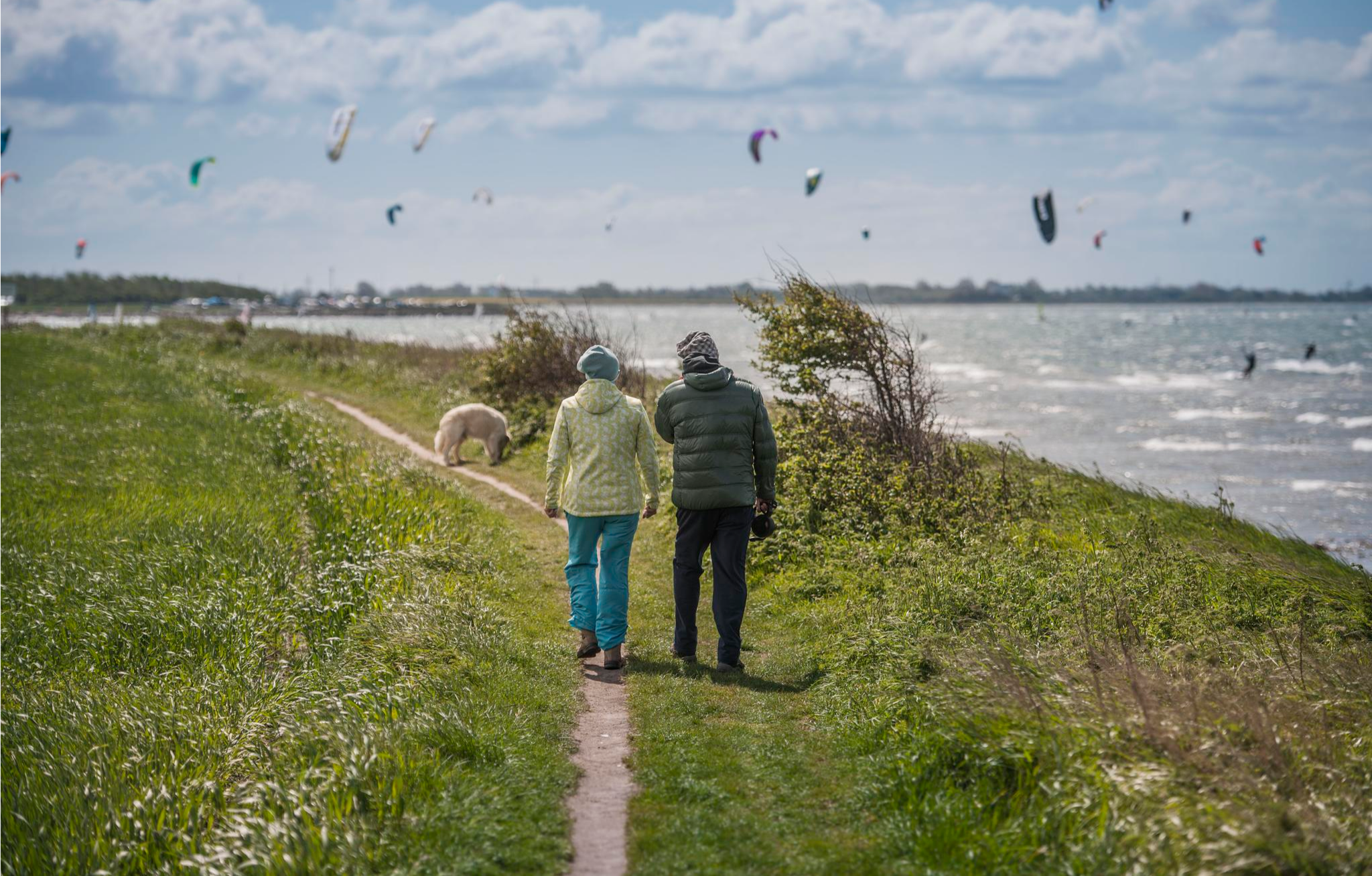
Autumn walks on Fehmarn – between coast and culture
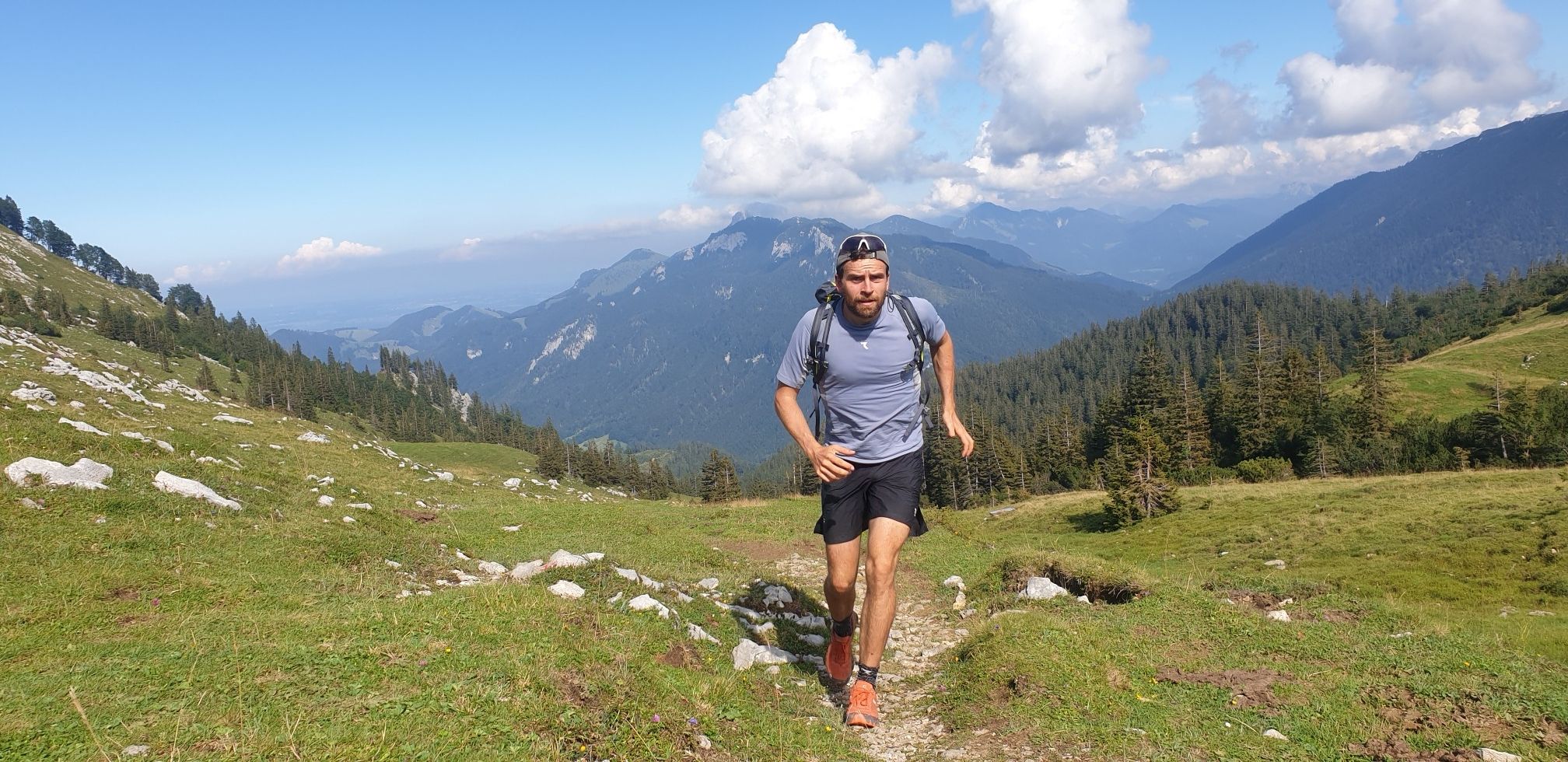
Triathlon around Germany
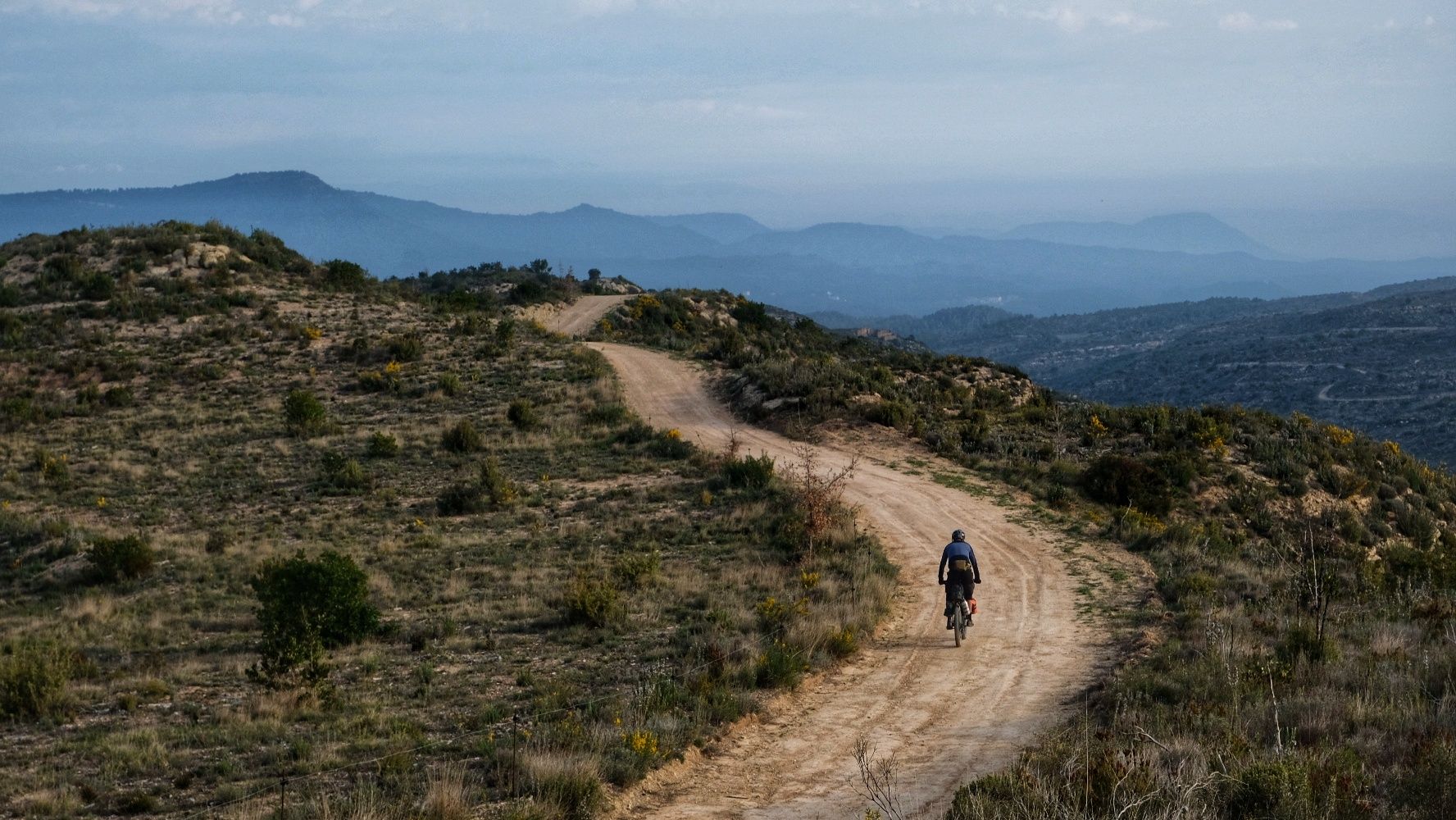
European Divide Trail — 7,600 km across the continent
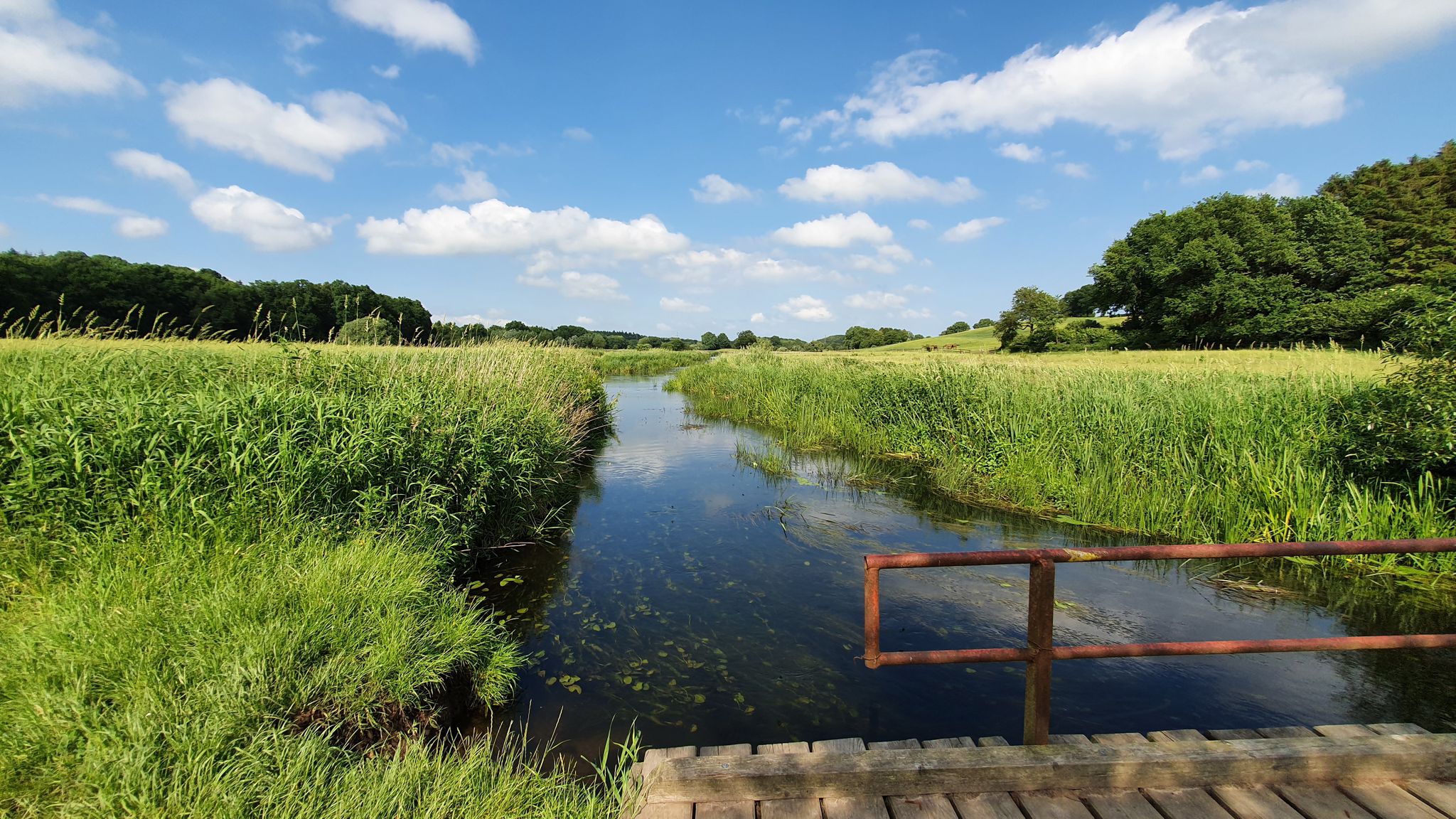
North-Baltic Sea Hiking Trail – Between the Seas
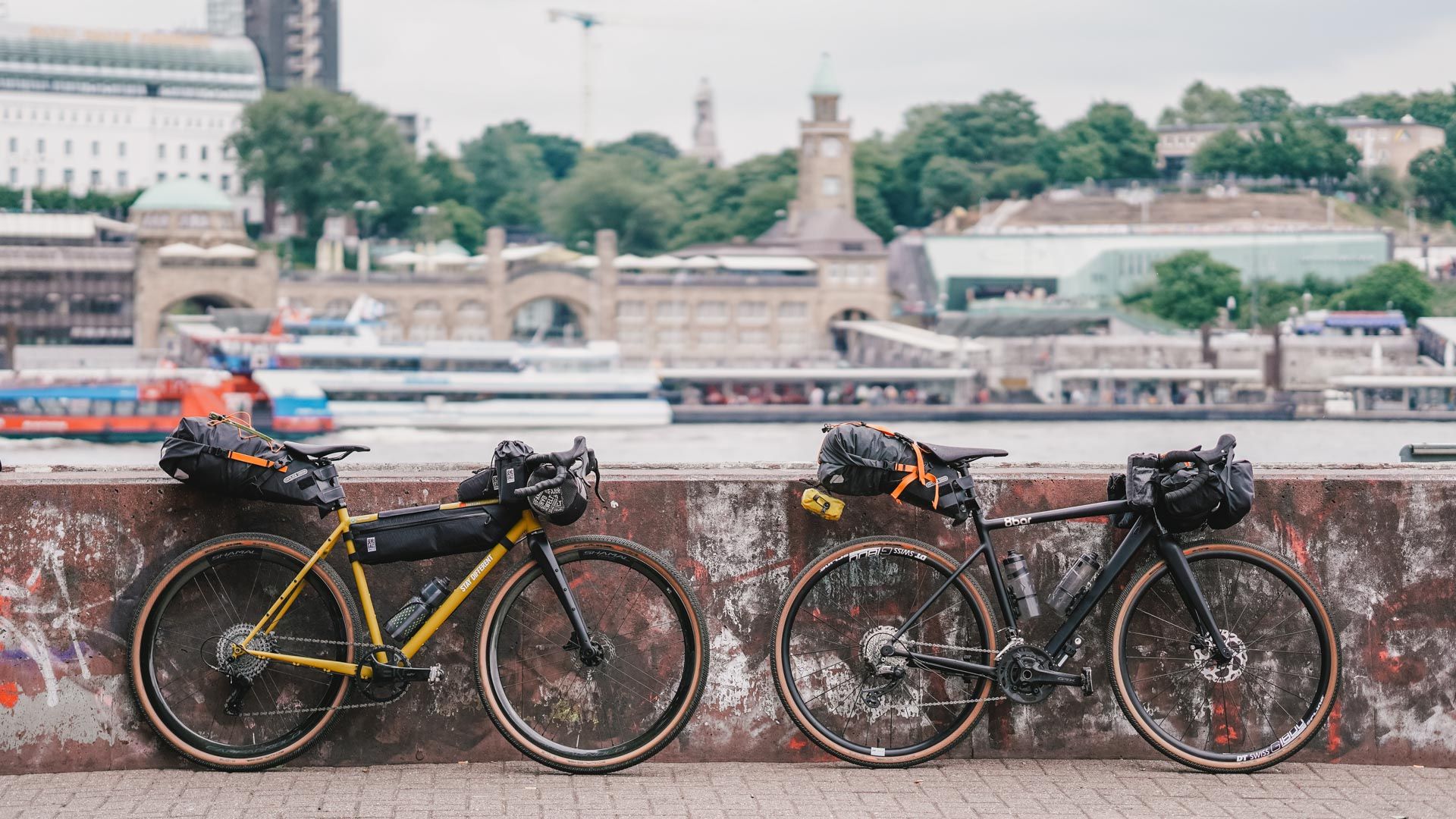
North Sea Deluxe — bikepacking with Radelmädchen
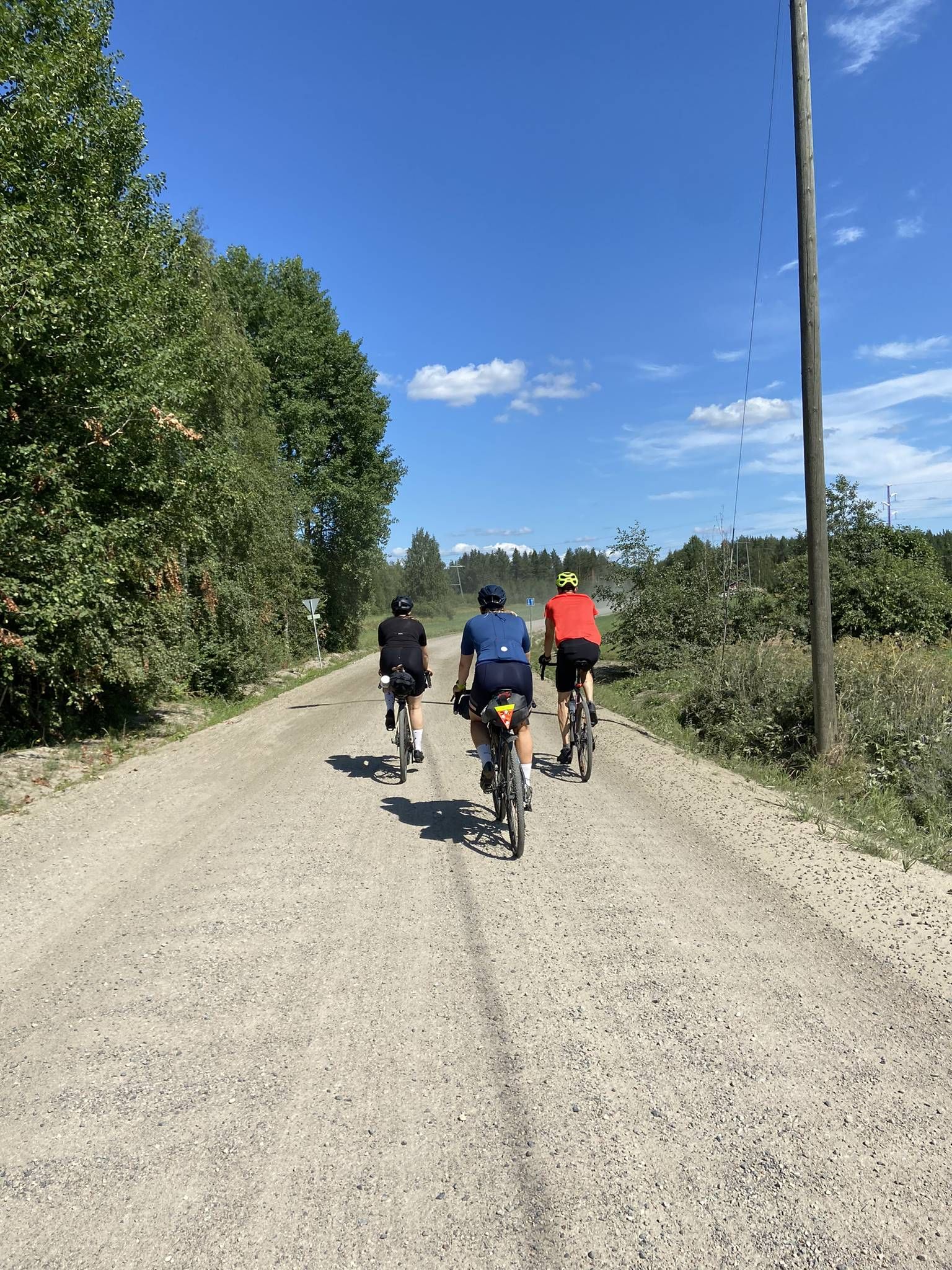
Naples to North Cape — Two friends, one purpose and many scoops of ice-cream
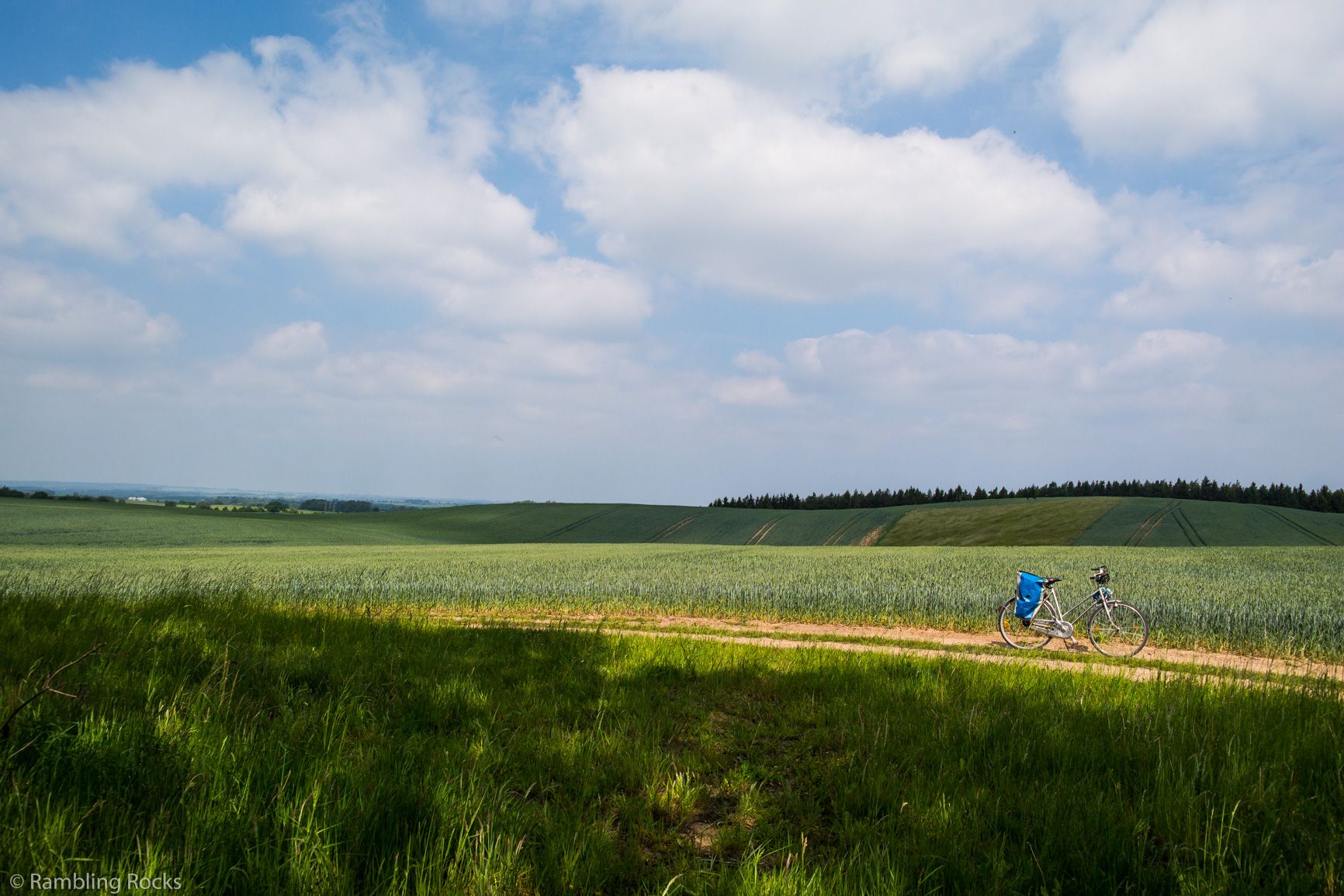
The Hanseatic Way – Cycling across North Germany to Poland, follow the cog!
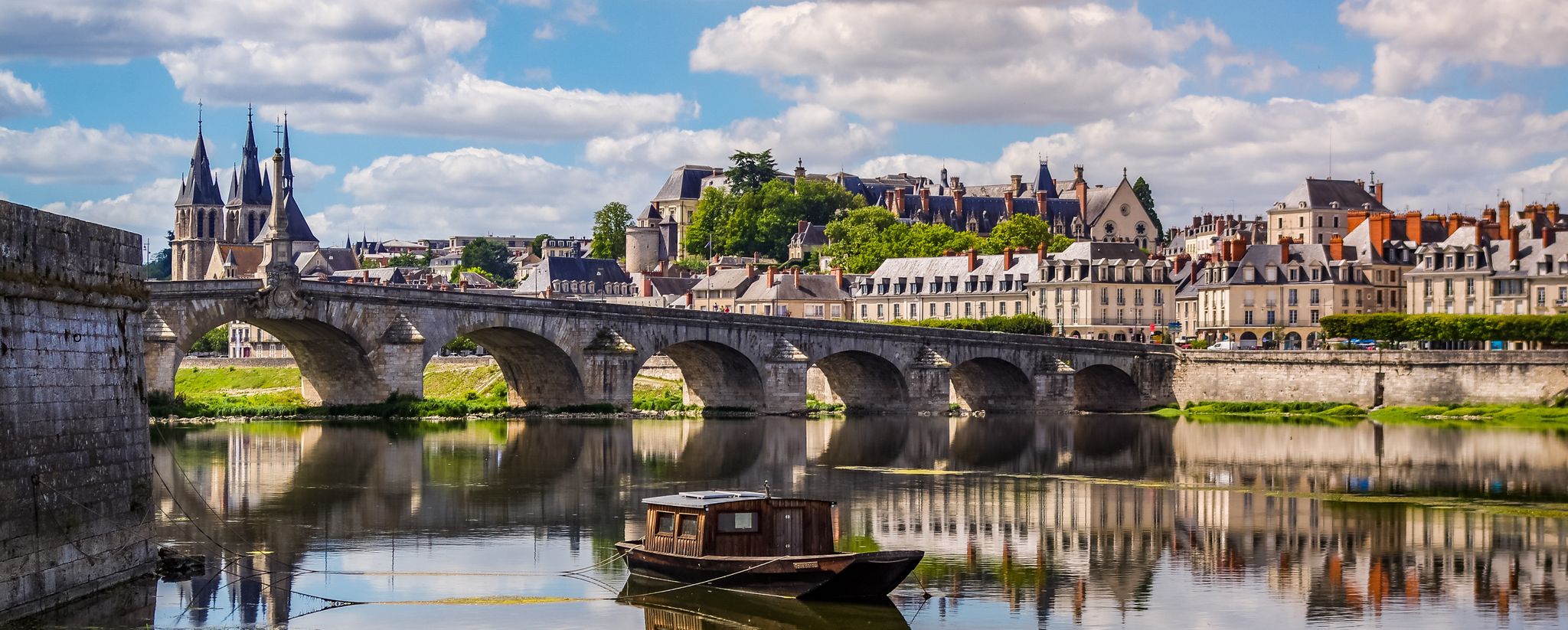
EuroVelo 3 – A cycling pilgrimage from Norway to France
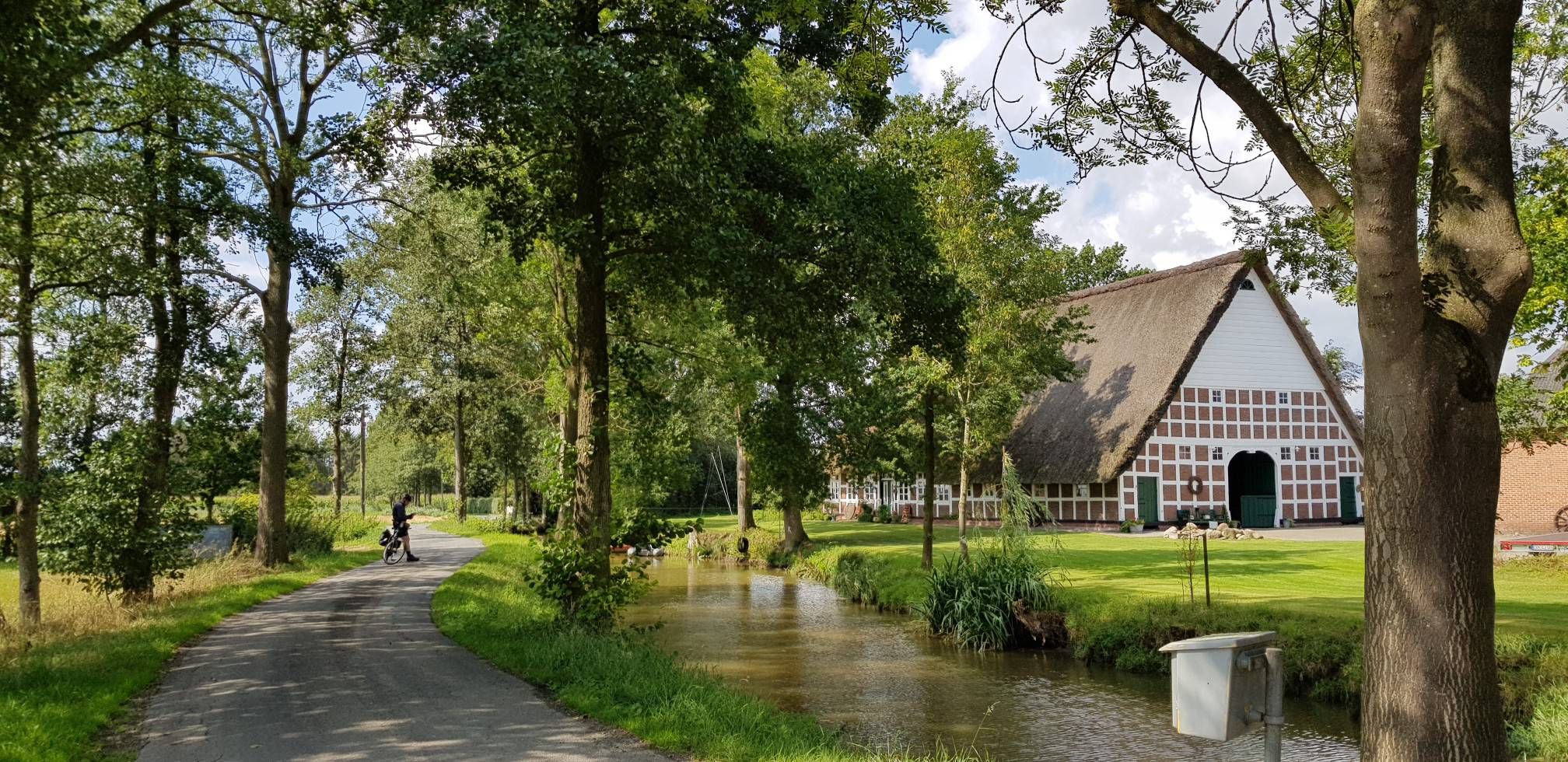
The Monks' Trail – From Bremen to the Baltic Sea
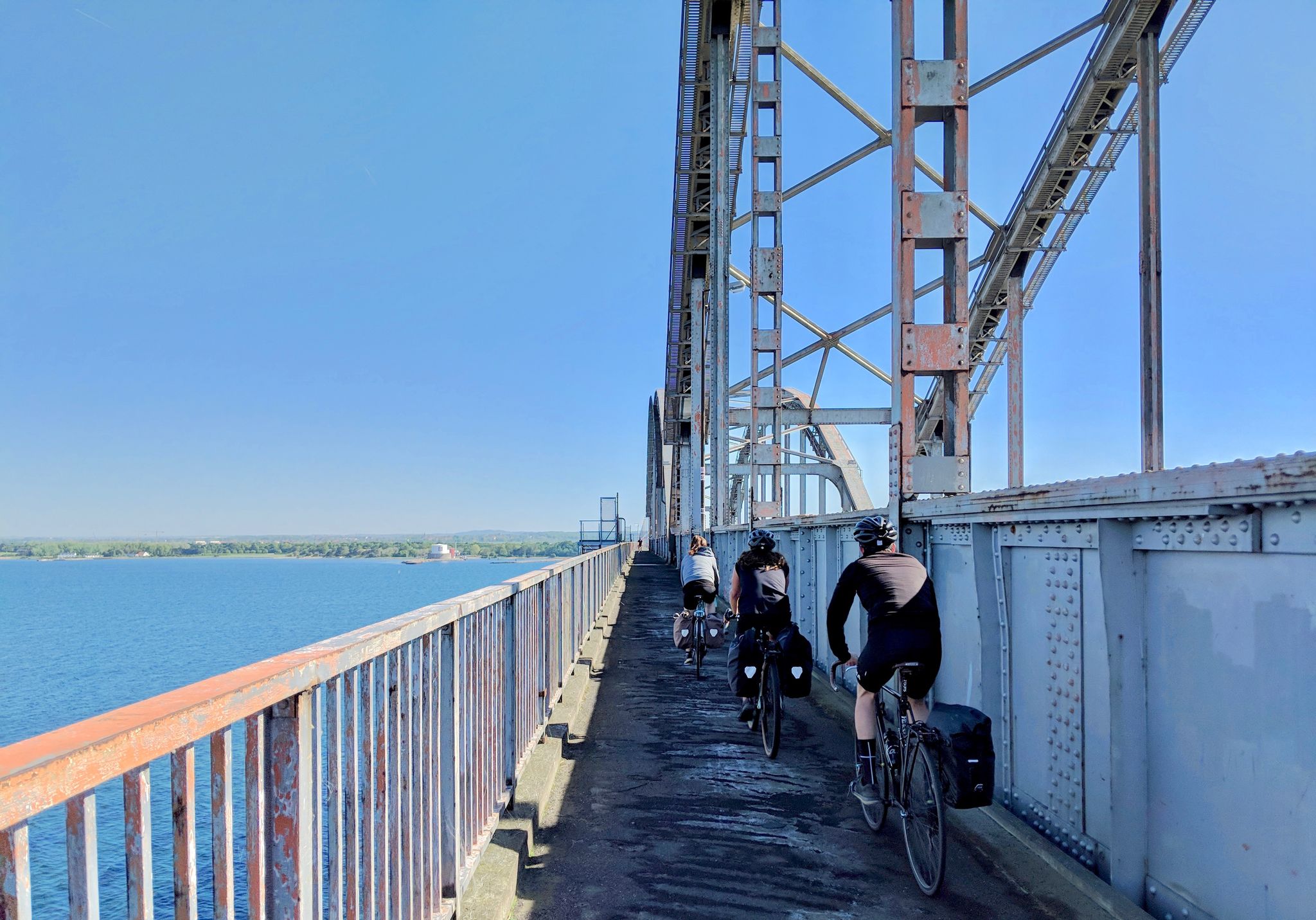
Cycling from Hamburg to Copenhagen – salty air included
Άλλες περιπέτειες στο Σλέσβιχ-Χόλσταϊν


Συμβουλές από την κοινότητα

Το κάστρο φιλοξενεί τα σημαντικότερα μουσεία του Σλέσβιχ-Χόλσταϊν και εντάσσεται σε μια πληθώρα πολιτιστικών εκδηλώσεων. Εκτός από περιοδικές εκθέσεις (και σύγχρονων καλλιτεχνών), σε ακανόνιστα χρονικά διαστήματα πραγματοποιούνται παραστάσεις θεάτρου στην αυλή, καθώς και συναυλίες. Ολόκληρη η περιοχή και ένας μεγάλος αριθμός εσωτερικών χώρων είναι προσβάσιμοι στους επισκέπτες. Ένα μέρος της αρχικής επίπλωσης του κάστρου έχει διατηρηθεί και μπορεί να επισκεφθεί στο πλαίσιο των ξεναγήσεων στο μουσείο. Ιδιαίτερα αξιοσημείωτη είναι η τελετουργική αίθουσα των ελαφιών του 1591 και το διώροφο αναγεννησιακό παρεκκλήσι. Το κάστρο θεωρείται το σημαντικότερο κοσμικό κτίριο στο κρατίδιο του Σλέσβιχ-Χόλσταϊν.
15
2
At the beginning of 1945, more and more refugees from the eastern territories of the German Reich arrived in Schleswig, their number rising to almost 18,000 by the summer. Gottorf, like many of the country's residences, was used as a temporary reception camp, and several hundred refugees were housed in the castle.[31] In the post-war period, the entire complex was made available to the Schleswig-Holstein State Museums from 1948 onwards.
15
2
After the war of 1848, the Danes first set up a hospital and then a barracks in the castle,[22] in order to be able to operate more effectively against the insurgents in Schleswig-Holstein. The building was adapted to the new needs, and the interior lost much of its once significant furnishings. The former state rooms and ducal apartments were converted into dormitories and dining rooms. The outbuildings were demolished and replaced by extensive stables, and the defensive structures were demolished. Gottorf remained a barracks[22] when it fell to Prussia in 1867 as a result of the Second Schleswig War, and it retained this function until 1945.
15
2
Subsequently, Gottorf became the center of power of the Dukes of Schleswig and was repeatedly at the center of political conflicts. In 1283, the young Duke Waldemar IV of Schleswig was imprisoned in the castle for a time by the Danish King Eric V. In 1329, Gottorf was besieged for the first time (unsuccessfully) by a coalition of Jutland nobles in their fight against Count Gerhard III of Holstein, who had served as Duke for several years.[6] In June 1340, the castle was transferred as a pledge into the permanent possession of the Counts of Holstein from the House of Schauenburg,[7] who resided in Gottorf until their extinction in 1459. Initially as counts, after Count Gerhard VI was invested with the duchy by the Danish regent Margaret I in 1386[8], then formally again as dukes.[9]
15
2
After the Schleswig bishop Niels II was captured during the Battle of Lohheide in 1261, Gottorf became the property of Duke Eric I of Schleswig. In return, the bishops received lands on the lower reaches of the Treene, where the episcopal castle of Schwabstedt was built a short time later.[4] It was only the duke, as the contemporary annals of the Rude monastery report, who had a new castle built "at great expense", which replaced the older ducal castle on the Möweninsel in the Schlei.
16
2
The present-day castle, on an island in the Schlei west of the town, had several predecessor buildings, but little is known about their function and appearance. The oldest structures date to the 13th century and possibly originate from a residence of the bishops of Schleswig called Klein-Gottorf. The name goes back to an older, still visible complex called Alt- or Groß-Gottorf in the Ruhekrug near the Falkenberg estate, which, according to the Danish chronicler Saxo Grammaticus, was destroyed around 1161.[2] As a result, the residence was probably relocated to the more centrally located Klein-Gottorf, where a possibly barely fortified half-timbered building with warm-air heating was built around the middle of the 13th century.
16
2
The state's largest castle was owned by the Danish royal family and the dukes of Schleswig. After Denmark's annexation of the Gottorf portion of the Duchy of Schleswig in 1713, the castle served as the seat of the Royal Danish Governor in Schleswig, subsequently being used as a barracks. Today, it houses two Schleswig-Holstein state museums and the Schleswig-Holstein State Museums Gottorf Castle Foundation. To the north of the castle, the Neuwerk Garden, one of the first Baroque terraced gardens in Northern Europe, has been reconstructed in recent years.
16
2
Gottorf Castle (Low German: Slott Gottorp, Danish: Gottorp Slot) in Schleswig is one of the most important secular buildings in Schleswig-Holstein.[1] In its more than eight hundred year history, it has been rebuilt and expanded several times, transforming from a medieval castle to a Renaissance fortress and finally to a Baroque palace. It gave its name to the ducal House of Schleswig-Holstein-Gottorf, from which four Swedish kings and several Russian tsars emerged in the 18th century.
18
2
Οι πιο δημοφιλείς διαδρομές στο Σλέσβιχ-Χόλσταϊν
Τα πιο δημοφιλή αξιοθέατα στο Σλέσβιχ-Χόλσταϊν

Εμπνεύσου με την εφαρμογή komoot για κινητά


Δεν βρήκες αυτό που ψάχνεις;
Ανακάλυψε τα καλύτερα κάστρα του Σλέσβιχ-Χόλσταϊν περιοχή‑προς‑περιοχή:
Ανακάλυψε περισσότερα
Ψάχνεις τα καλύτερα κάστρα αλλού; Ανακάλυψε άλλους οδηγούς στο Σλέσβιχ-Χόλσταϊν:
