Οι καλύτερες διαδρομές ποδηλασίας δρόμου Creenagh
734
Ποδηλάτες
164
Ποδηλασίες
Η ποδηλασία δρόμου γύρω από το Creenagh προσφέρει ποικίλα τοπία, από τις όχθες της λίμνης Lough Neagh έως το απαιτητικό έδαφος των Ορέων Sperrin. Η περιοχή διαθέτει ένα δίκτυο διαδρομών με μεταβαλλόμενες υψομετρικές διαφορές, παρέχοντας επιλογές για διαφορετικά επίπεδα φυσικής κατάστασης. Πολλές διαδρομές χρησιμοποιούν καλά ασφαλτοστρωμένες επιφάνειες, διασχίζοντας αγροτικούς δρόμους και συνδέοντας τοπικές πόλεις. Αυτή η περιοχή προσφέρει ένα μείγμα από επίπεδα τμήματα κοντά στη λίμνη και πιο κυματιστό έδαφος πιο εσωτερικά.
Καλύτερες διαδρομές ποδηλασίας δρόμου γύρω από το Creenagh
…Τελευταία ενημέρωση: 4 Σεπτεμβρίου 2026
1
Ποδηλάτες
92,6km
03:59
580m
580m
Μέτρια ποδηλασία δρόμου. Απαιτείται καλή φυσική κατάσταση. Κυρίως καλά ασφαλτοστρωμένες επιφάνειες και εύκολο στην οδήγηση.
55,6km
02:36
440m
440m
Μέτρια ποδηλασία δρόμου. Απαιτείται καλή φυσική κατάσταση. Κυρίως καλά ασφαλτοστρωμένες επιφάνειες και εύκολο στην οδήγηση.

Εγγραφή δωρεάν
14
Ποδηλάτες
79,8km
03:19
510m
510m
Μέτρια ποδηλασία δρόμου. Απαιτείται καλή φυσική κατάσταση. Κυρίως καλά ασφαλτοστρωμένες επιφάνειες και εύκολο στην οδήγηση.
11
Ποδηλάτες
93,5km
04:00
770m
770m
Μέτρια ποδηλασία δρόμου. Απαιτείται καλή φυσική κατάσταση. Κυρίως καλά ασφαλτοστρωμένες επιφάνειες και εύκολο στην οδήγηση.
10
Ποδηλάτες
60,2km
02:32
350m
350m
Μέτρια ποδηλασία δρόμου. Απαιτείται καλή φυσική κατάσταση. Κυρίως καλά ασφαλτοστρωμένες επιφάνειες και εύκολο στην οδήγηση.
Πάρε πρόσβαση σε περισσότερες διαδρομές και προτάσεις από άλλους εξερευνητές.
Εγγραφή δωρεάν
Έχεις ήδη λογαριασμό;
Οι προτάσεις διαδρομών μας βασίζονται σε χιλιάδες πεζοπορίες, ποδηλασίες και τρεξίματα που ολοκληρώθηκαν από άλλους χρήστες στο komoot.
Ξεκίνα σήμερα με έναν δωρεάν λογαριασμό
Η επόμενη περιπέτειά σου σε περιμένει.
Σύνδεση ή εγγραφή
Δημοφιλή γύρω από Creenagh

Συμβουλές από την κοινότητα

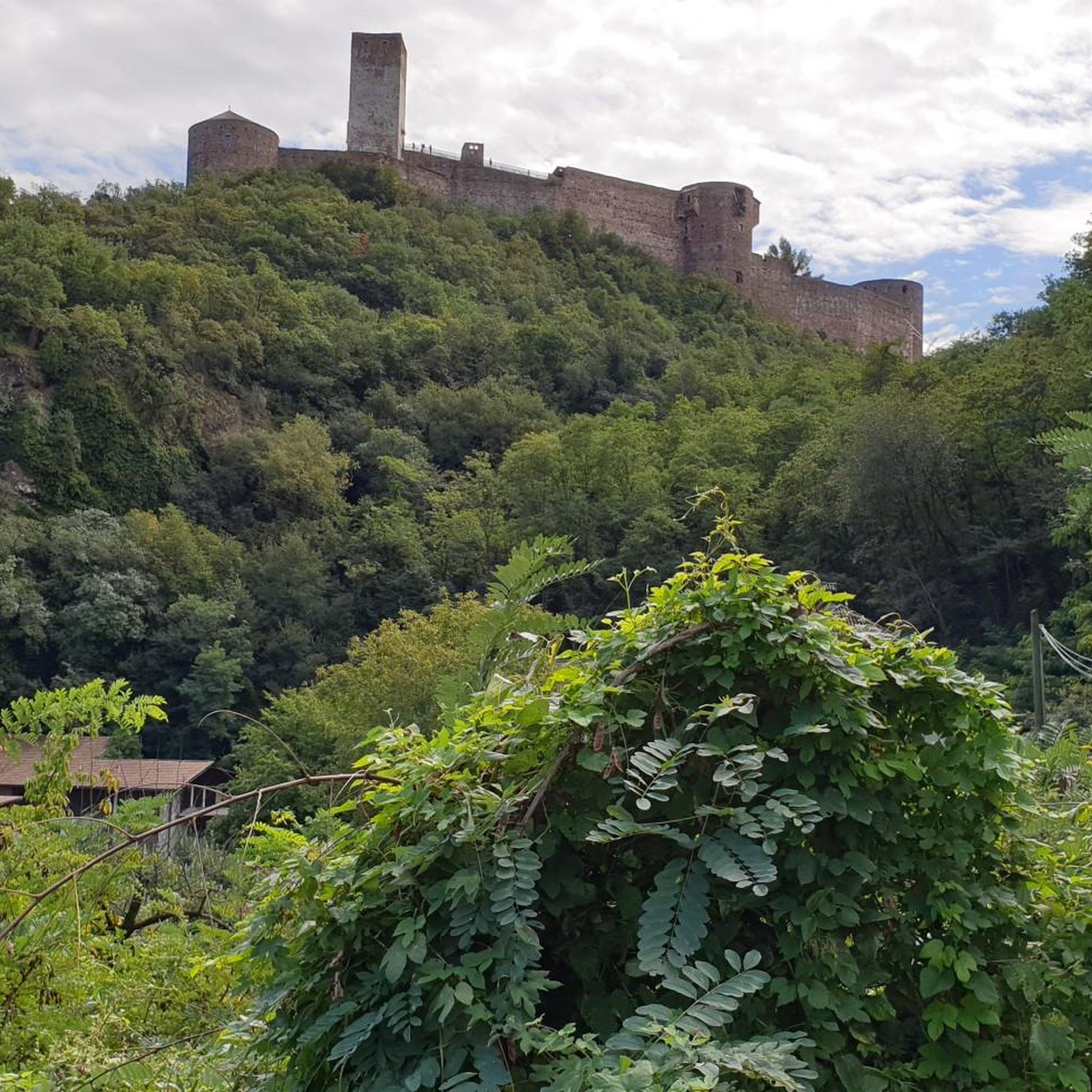
Στην όχθη της λίμνης Lough Neagh, κοντά στο χωριό Brockagh, βρίσκεται το εντυπωσιακό ερείπιο του Κάστρου Mountjoy. Αυτό το κάστρο χτίστηκε μεταξύ 1602 και 1605 από τον Λόρδο Mountjoy και χρησίμευσε εκείνη την εποχή ως ένα κρίσιμο στρατιωτικό προπύργιο κατά τα ταραγμένα χρόνια του Εννεαετούς Πολέμου. Μοναδικός είναι ο ιδιαίτερος συνδυασμός δομικών υλικών: ο κάτω όροφος είναι χτισμένος από ακατέργαστη φυσική πέτρα, ενώ ο επάνω όροφος αποτελείται από τοπικά ψημένα κόκκινα τούβλα. Παρόλο που το κάστρο είναι ερείπιο από το 1648, ο κεντρικός όγκος και οι χαρακτηριστικοί γωνιακοί πύργοι σε σχήμα αιχμής βέλους εξακολουθούν να είναι ευδιάκριτοι στο τοπίο.
8
0
Καθώς κάνετε ποδήλατο μέσα από το κυματιστό τοπίο της Κομητείας Tyrone, το Wellbrook Beetling Mill είναι μια απόλυτη σύσταση για μια στάση. Βρίσκεται σε μια ειδυλλιακή, δασώδη κοιλάδα δίπλα στον ποταμό Ballinderry, αυτό το εργοστάσιο του 19ου αιώνα έρχεται σε έντονη αντίθεση με την ηρεμία του περιβάλλοντος. Αυτό είναι το τελευταίο λειτουργικό "beetling mill" στο Ηνωμένο Βασίλειο. Το "Beetling" ήταν το τελευταίο βήμα στην παραδοσιακή ιρλανδική παραγωγή λινού: με τεράστιους ξύλινους σφυριά (beetles), που κινούνταν από έναν τροχό νερού ύψους σχεδόν πέντε μέτρων, το λινό επεξεργαζόταν για ώρες μέχρι να αποκτήσει τη χαρακτηριστική του λάμψη. Όταν το εργοστάσιο λειτουργεί, μπορείτε να ακούσετε τον ρυθμικό βόμβο από μακριά – ένας εντυπωσιακός ήχος που σας μεταφέρει πίσω στις βιομηχανικές δόξες της Βόρειας Ιρλανδίας.
8
0

In the shadow of Northern Ireland's vast skies, the mysterious Mountjoy Castle rises on a hill above Lough Neagh. This ruined castle, whose Irish name "Caisleán Mhuinseo" whispers into the wind, stands like a proud sentinel in the village of Mountjoy, County Tyrone. The castle was built in 1602 by order of Charles Blount, 1st Earl of Devonshire and 8th Baron Mountjoy. But times have not always been kind to this building: as early as 1643, a devastating fire left scars on the walls of the castle. What remained is a two-story brick building with the ground floor clad in stone. The architecture speaks of a time of defense and vigilance - a central rectangular block protected by four spear-shaped towers, crisscrossed by embrasures. The north-western tower testifies to the fragility of time - partially collapsed, while the western curtain wall has lost its presence. The entrance, once on the south side of the eastern curtain wall, seems to whisper stories of days gone by, while wide windows on the upper floor capture the eyes of visitors. Unfortunately, an extension at the back keeps some of the castle's secrets hidden, and the interior area is closed to visitors' eyes. But even in its ruined state, Mountjoy Castle embodies the soul and history of Northern Ireland. Not only is it a State Care Historic Monument in the townland of Magheralamfield in the Mid Ulster District, but it is also a silent testament to time, inviting every walker to pause for a moment and listen to the whispers of history.
4
0

Near the banks of Lough Neagh stands Ardboe High Cross. Take a close look at the carvings on the cross which represent both the Old and New Testament. A monastery was founded here in the 6th century by St Colman and legend has it that it was created by the milk of a magic cow. Ardboe means hill of the cow, so who knows!
2
0
Also known as Black Lough, it's unique habitat means it is a great place for bird watching with a number of rare species being seen. You're also likely to spot people course fishing for pike and perch. There are even eels in the water.
0
0
The O'Neills ruled the region for over 400 years and this was their seat of power for over 300. You can enjoy a guided tour and learn more about the history of Ulster and marvel at the views from the top, from where you can see all the way to the Sperrin Mountains, the Mournes and Lough Neagh. A fine view for the O'Neills over their land.
0
0
Built in the early 17th century for Sir Toby Caulfield, who was given land during the Plantation. Park up your bike and take some time to explore the ruins by foot. Keep an eye out for the murder holes which give an idea of its grim history, as well as the Caulfield Coat of Arms in a prominent position above the doorway.
0
0
Despite being a village, Clogher boasts a Cathedral. It dates from 1744 and of note is the spectacular stained glass window behind the altar. History lovers will enjoy a stroll round the churchyard where interesting graves are labelled.
0
0
Οι πιο δημοφιλείς διαδρομές Creenagh
Τα πιο δημοφιλή αξιοθέατα Creenagh

Εμπνεύσου με την εφαρμογή komoot για κινητά


Ανακάλυψε περισσότερα
Περιηγήσου τα καλύτερα Διαδρομές δρόμου σε άλλες περιοχές.
