Οι καλύτερες διαδρομές ποδηλασίας δρόμου Losacino
5,0
(2)
119
Ποδηλάτες
22
Ποδηλασίες
Ψάχνετε διαδρομές ποδηλασίας δρόμου Losacino; Τότε είστε στο σωστό μέρος. Εξετάσαμε ολόκληρη τη συλλογή ποδηλατικών διαδρομών μας Losacino για να σας φέρουμε τις καλύτερες. Εξερευνήστε τις όλες παρακάτω.
Τελευταία ενημέρωση: 19 Οκτωβρίου 2026
3
Ποδηλάτες
This moderate 41.8-mile road cycling route around Embalse de Ricobayo offers scenic views of the dam and reservoir, taking about 3 hours and
This difficult 45.3-mile route near Vegalatrave follows the Río Aliste through villages and historical sites, best suited for mountain bikin

41
Ποδηλάτες
93,4km
04:12
910m
910m
Δύσκολη ποδηλασία δρόμου. Απαιτείται πολύ καλή φυσική κατάσταση. Κυρίως καλά ασφαλτοστρωμένες επιφάνειες και εύκολο στην οδήγηση.
10
Ποδηλάτες
97,1km
04:37
1.310m
1.310m
Δύσκολη ποδηλασία δρόμου. Απαιτείται πολύ καλή φυσική κατάσταση. Κάποια τμήματα αυτής της διαδρομής μπορεί να είναι μη ασφαλτοστρωμένα και δύσκολα για οδήγηση.
7
Ποδηλάτες
92,1km
04:27
1.250m
1.250m
Δύσκολη ποδηλασία δρόμου. Απαιτείται πολύ καλή φυσική κατάσταση. Κάποια τμήματα αυτής της διαδρομής μπορεί να είναι μη ασφαλτοστρωμένα και δύσκολα για οδήγηση.
Πάρε πρόσβαση σε περισσότερες διαδρομές και προτάσεις από άλλους εξερευνητές.
Έχεις ήδη λογαριασμό;
Οι προτάσεις διαδρομών μας βασίζονται σε χιλιάδες πεζοπορίες, ποδηλασίες και τρεξίματα που ολοκληρώθηκαν από άλλους χρήστες στο komoot.
Ξεκίνα σήμερα με έναν δωρεάν λογαριασμό
Η επόμενη περιπέτειά σου σε περιμένει.
Δημοφιλή γύρω από Losacino
Συμβουλές από την κοινότητα

Η Τάμπαρα είναι ένας ισπανικός δήμος με περίπου 830-950 κατοίκους που βρίσκεται στην επαρχία της Ζαμόρα, εντός της αυτόνομης κοινότητας της Καστίλλης και Λεόν. Αυτό το μικρό χωριό βρίσκεται σε υψόμετρο 749 μέτρων και είναι η πρωτεύουσα της κομάρκας Tierra de Tábara. Αποτελεί ένα κέντρο μεγάλης ιστορικο-πολιτιστικής σημασίας, καθώς και ένα θεμελιώδες στάδιο για τους προσκυνητές που διασχίζουν το Camino Sanabrésl
1
0

It's located in the heart of the Arribes del Duero Natural Park, an area of great scenic beauty and biodiversity. Things to do nearby: Viewpoints: The viewpoint at the bridge itself and others nearby, such as the one in Villadepera. Hiking trails: Paths through the Arribes, ideal for photography and birdwatching. Charming villages: Villadepera, Pino del Oro, and other towns in the area. From the bridge, you can admire the granite cliffs of the Duero River and the deep riverbed that marks the natural border with Portugal.
2
0
The Requejo Bridge, also known as the Pino Bridge, is a jewel of historical engineering located in Villadepera (Zamora) over the Duero River, within the Arribes del Duero Natural Park. Year of inauguration: 1914. Designed by the engineer José Eugenio Ribera, a pioneer in the use of reinforced concrete in Spain. It was built to connect the Aliste and Sayago regions, facilitating communication between Zamora and Portugal.
2
0
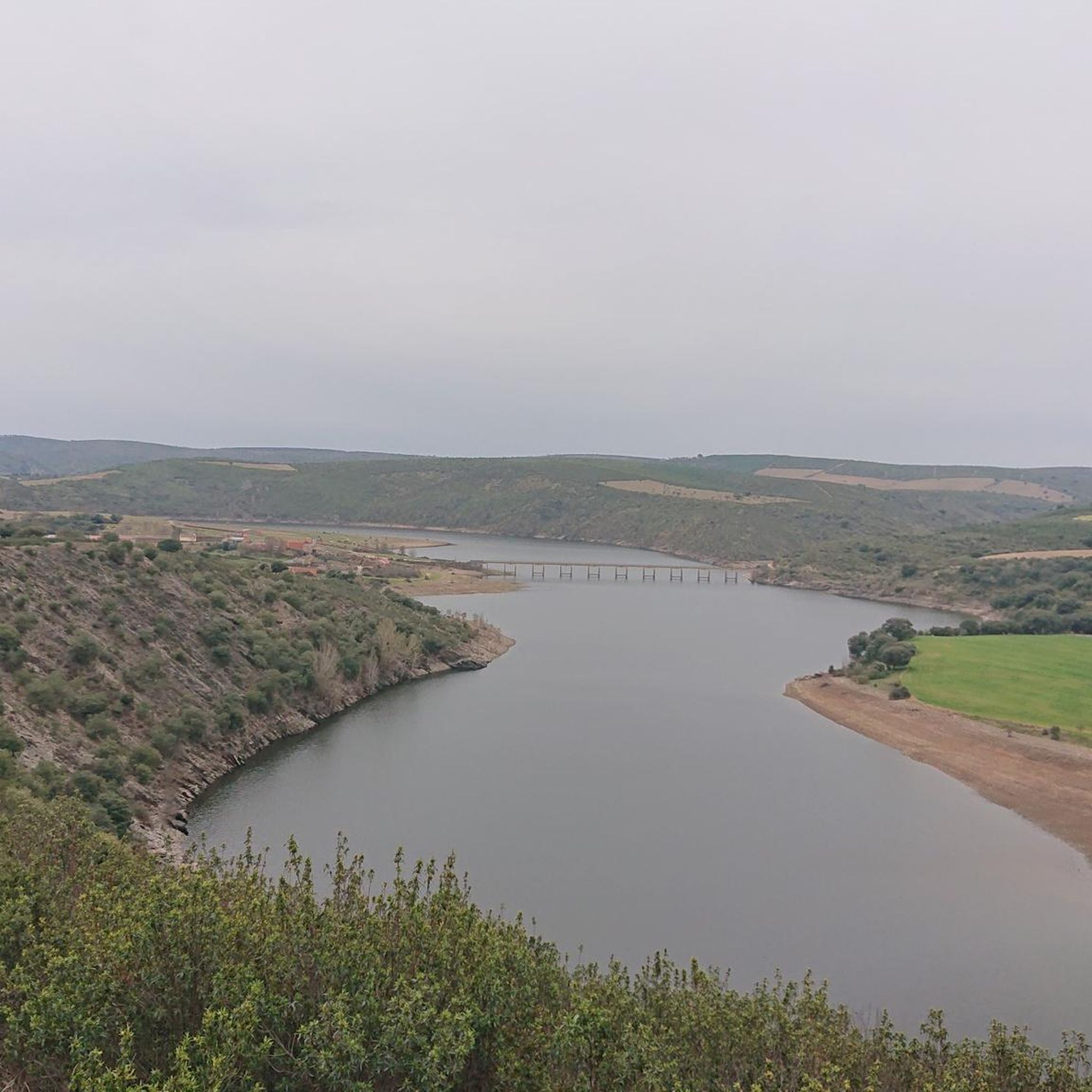
What to see and do Viewpoints: There are scenic viewpoints along the road and in the surrounding area offering views of the dam and reservoir. Ricobayo Reservoir: Ideal for water sports, fishing, and hiking. Natural surroundings: Very close to the Arribes del Duero Natural Park, with its spectacular landscapes.
2
0
The Ricobayo Dam is located on the Esla River, in the province of Zamora (Castilla y León), and is part of the Iberdrola hydroelectric system. Completed in 1934, it was one of the major hydraulic engineering projects of the 20th century in Spain.
2
0
It spans the Duero River in Zamora (Castilla y León), connecting Avenida de Portugal (Pinilla neighborhood) with Calle de Salamanca in the city. The project began in 1882, with construction starting in 1892, under the direction of engineer Prudencio Guadalajara, to alleviate the overloading of the old Stone Bridge. Inaugurated in 1900, it represented a significant improvement in handling the growing traffic in the city. It was designed in steel, using a metal lattice structure of the St. Andrew's Cross type, typical of the late 19th century.
3
0
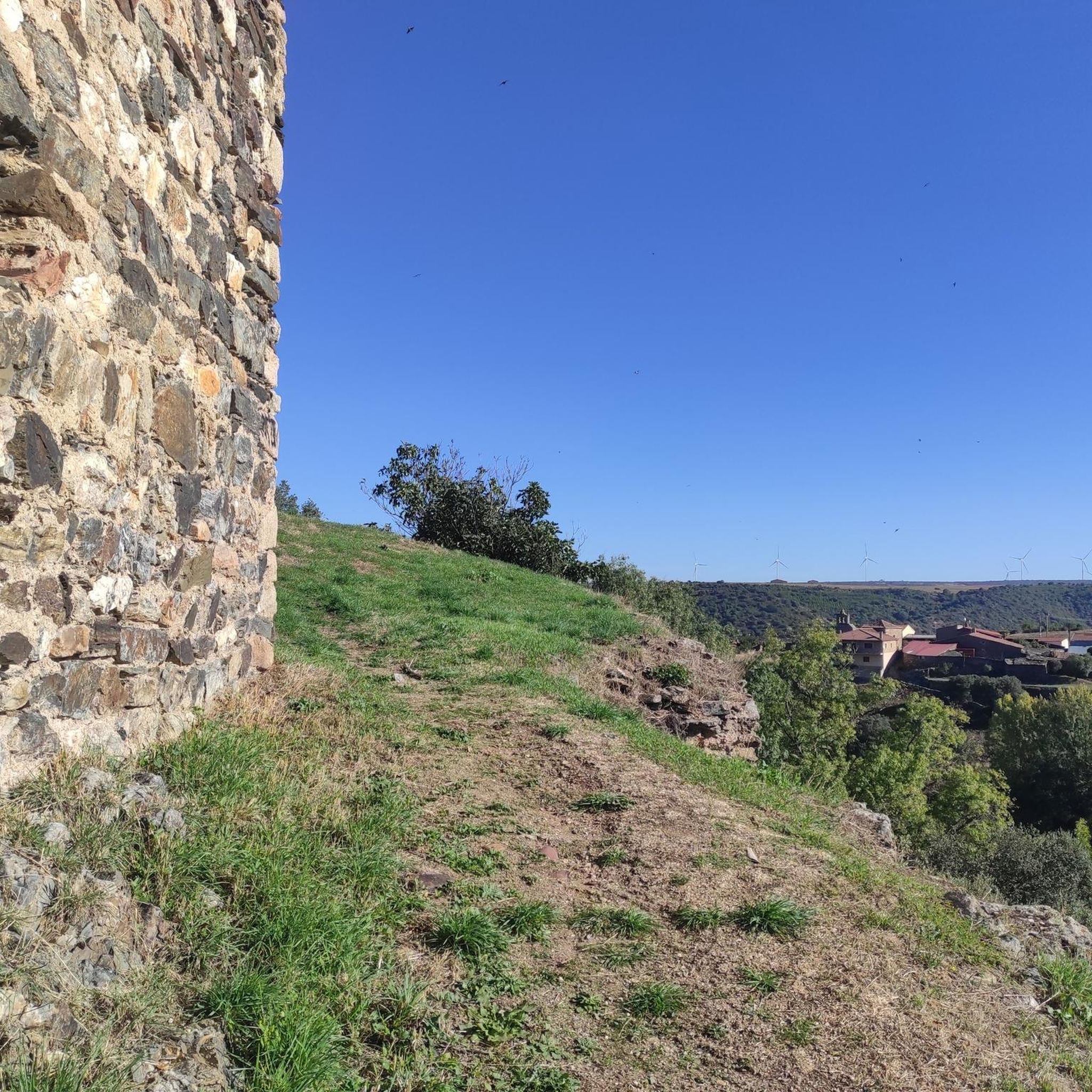
Tábara, located in the northwest of the province of Zamora (Castilla y León), is a town with a rich medieval history, a stunning natural setting, and a significant cultural heritage. Origins: These date back to the Bronze Age and Roman period. Middle Ages: It was an important monastic center with the Monastery of San Salvador de Tábara, founded by Saint Froilán in the 9th century at the behest of Alfonso III.
10
0

Visigothic church (7th century) of San Pedro de la Nave. It originally stood on the banks of the Esla River, but the construction of the Ricobayo reservoir threatened to flood it. Historian Manuel Gómez Moreno managed to have it dismantled from its original location and moved stone by stone between 1930 and 1932 to the nearest town: El Campillo, where it can be seen today.
0
0
Τα πιο δημοφιλή αξιοθέατα Losacino

Εμπνεύσου με την εφαρμογή komoot για κινητά


Ανακάλυψε περισσότερα
Περιηγήσου τα καλύτερα Διαδρομές δρόμου σε άλλες περιοχές.
