Αξιοθέατα και μέρη για επίσκεψη Treillières - Top 20
Υπάρχουν πολλά μέρη να δείτε και να επισκεφθείτε Treillières. Είτε αγαπάτε την πεζοπορία είτε την ποδηλασία, Treillières είναι μια περιοχή όπου 20
κρυμμένα στολίδια περιμένουν να ανακαλυφθούν. Δείτε τα καλύτερα αξιοθέατα της περιοχής και σχεδιάστε την επόμενη περιπέτειά σας σήμερα.
Τελευταία ενημέρωση: 9 Οκτωβρίου 2026
Port de plaisance de Sucé-sur-Erdre
Highlight • Δομή
Μετάφραση από Google •
Συμβουλή από

Trentemoult, ancien village de pêcheurs
Highlight • Οικισμός
Μετάφραση από Google •
Συμβουλή από

Εγγράψου τώρα για να ανακαλύψεις μέρη σαν αυτό
Λάβε προτάσεις για τα καλύτερα single tracks, κορυφές και πολλά ακόμα συναρπαστικά υπαίθρια μέρη.
Les Anneaux
Highlight • Μνημείο
Μετάφραση από Google •
Συμβουλή από

Grue Titan Jaune
Highlight • Μνημείο
Μετάφραση από Google •
Συμβουλή από

L'Erdre
Highlight • Σημείο θέας
Μετάφραση από Google •
Συμβουλή από

Εγγράψου δωρεάν για να ανακαλύψεις ακόμα περισσότερα αξιοθέατα Treillières.
Έχεις ήδη λογαριασμό;
Ξεκίνα σήμερα με έναν δωρεάν λογαριασμό
Η επόμενη περιπέτειά σου σε περιμένει.


Συμβουλές από την κοινότητα

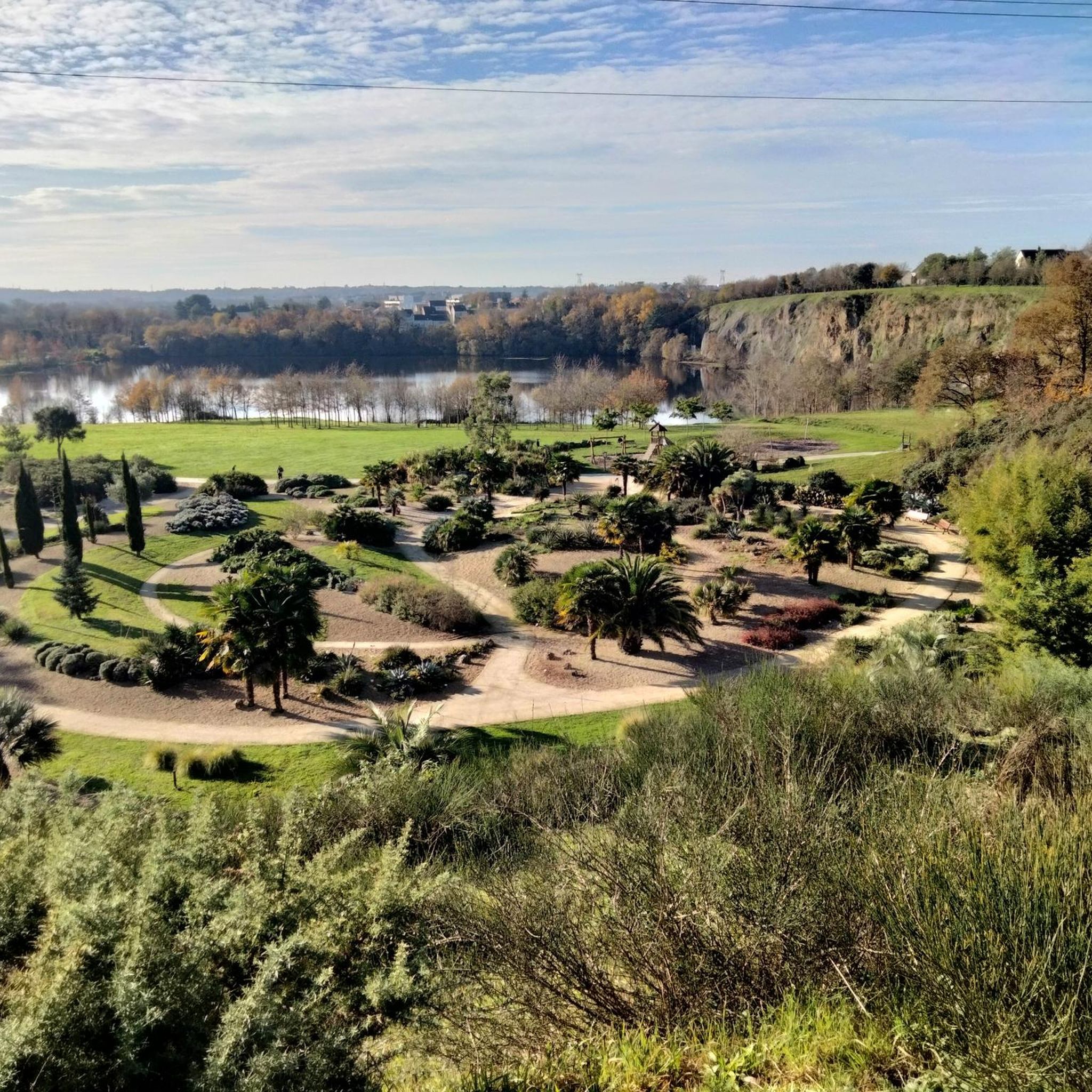
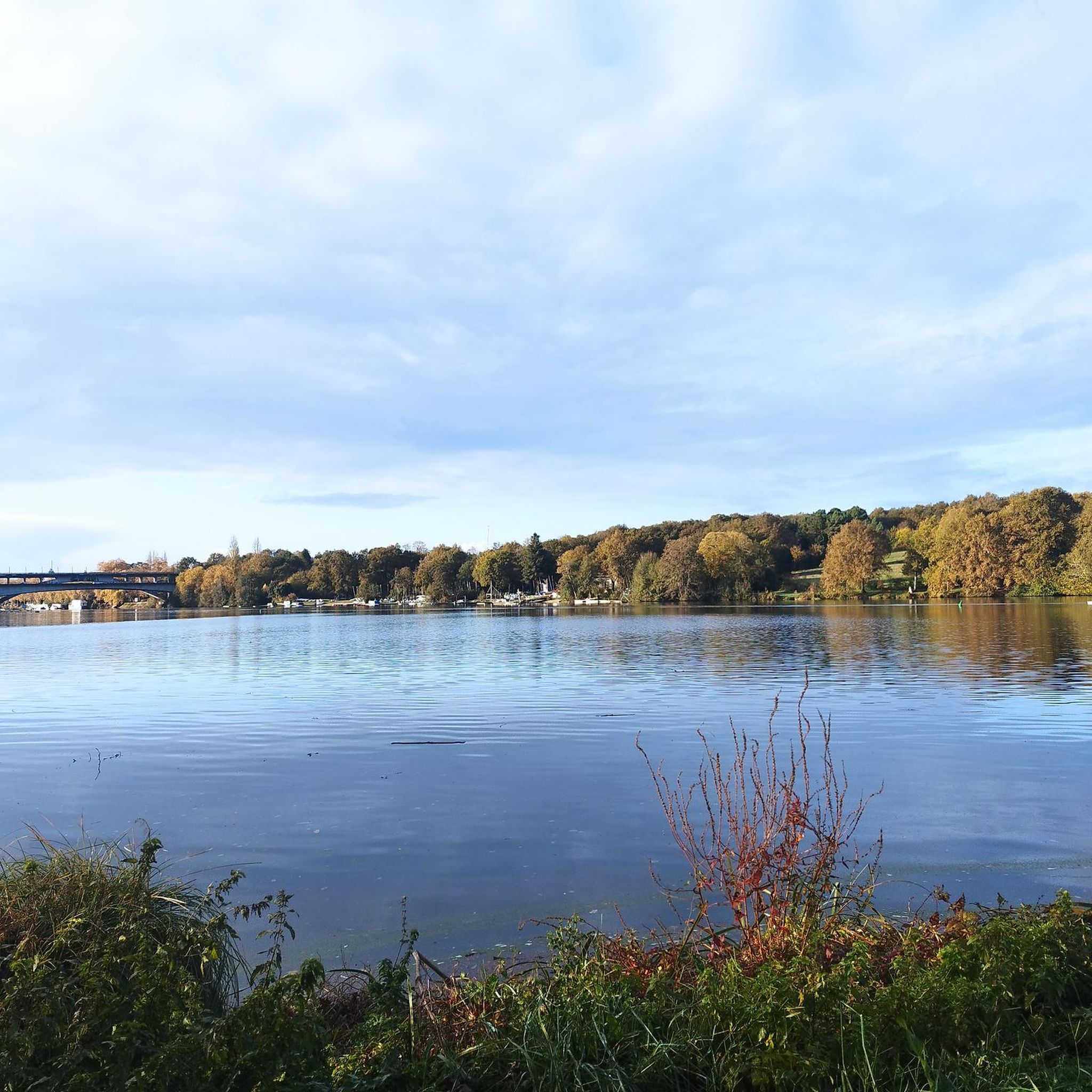
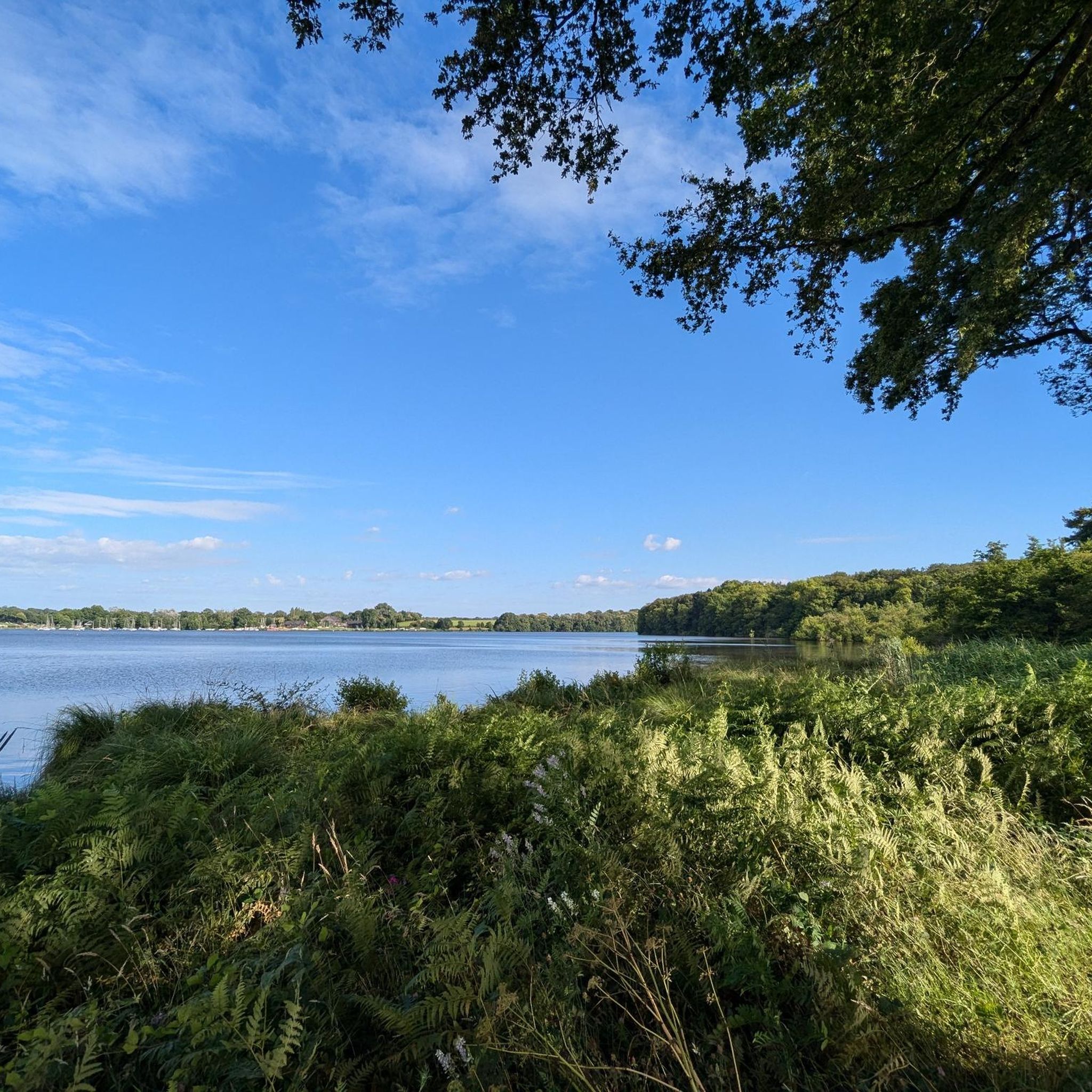
Ο Ερντ, που ονομάστηκε από τον Φραγκίσκο Α' «το ομορφότερο ποτάμι της Γαλλίας», είναι ένας παραπόταμος του Λίγηρα που γοητεύει με τα καταπράσινα τοπία του, τις όχθες του διάσπαρτες με επιβλητικά κάστρα και τα ήρεμα νερά του που ευνοούν την αναψυχή.
0
0

Άλλοτε ένα ψαροχώρι με πολύχρωμα σπίτια, το Trentemoult είναι μια πρώην νησιωτική περιοχή που συνορεύει με τον Λίγηρα, απέναντι από τα ερείπια του λιμανιού της Νάντης. Από τον 14ο αιώνα, το χωριό αναγνωριζόταν για το μονοπώλιο της αλιείας στον Κάτω Λίγηρα. Στη συνέχεια, τον 19ο αιώνα, οι ναυτικοί του Trentemoult εγκατέλειψαν την αλιεία υπέρ του θαλάσσιου εμπορίου. Σήμερα, καλλιτέχνες και τεχνίτες έχουν αντικαταστήσει τους ψαράδες, καφέ και μικρά εστιατόρια έχουν πάρει τη θέση τους στο λιμάνι, το οποίο πλέον είναι αφιερωμένο στην αναψυχή.
0
0

The last landmark of the Nantes shipyards.
0
0

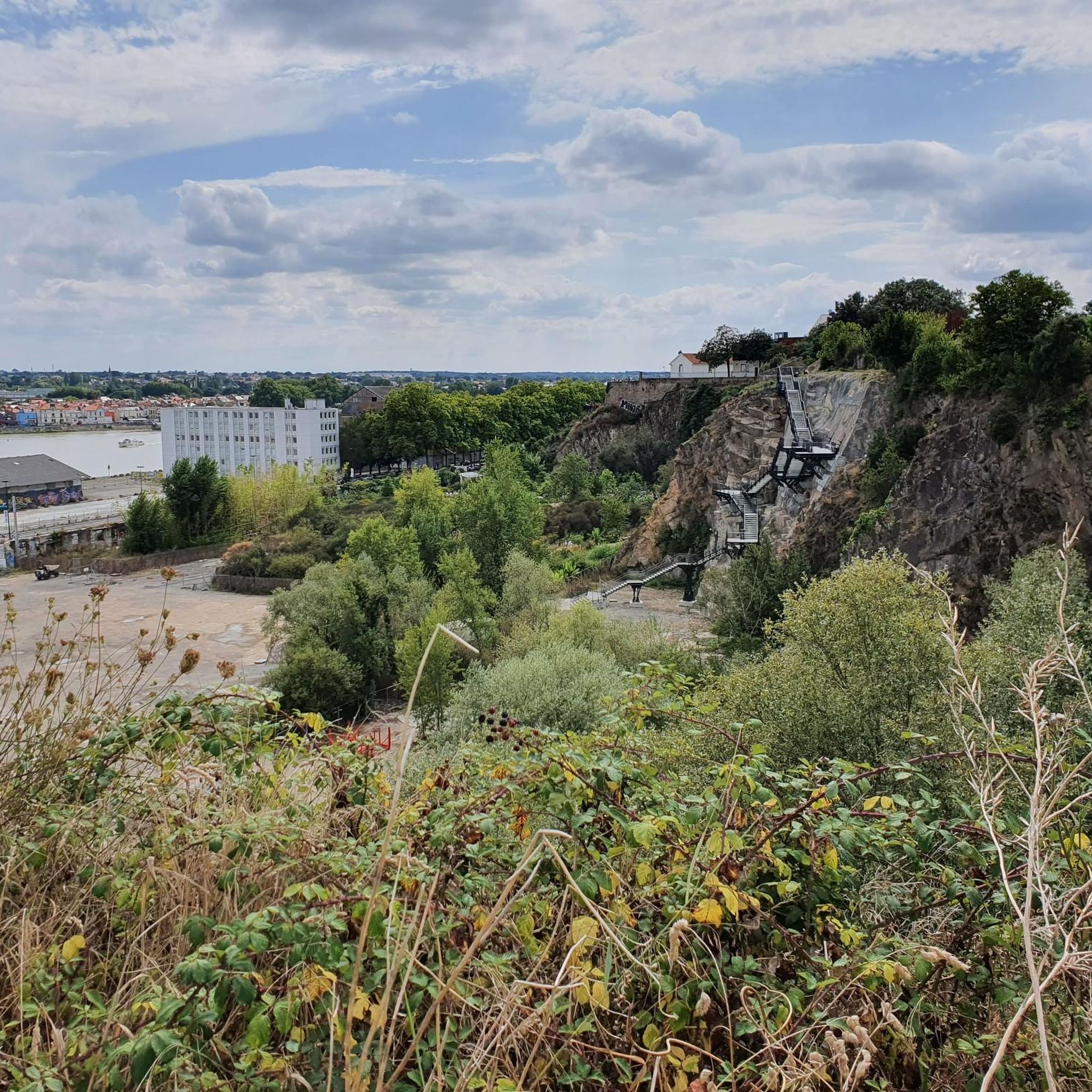
On of the two iconic harbour cranes of the city and the one easier to reach by a walk from the centre. Quite impressive to stand below this huge structure.
2
0

One of the most beautiful places in Nantes, but also one of the most touristic. To visit with respect for its inhabitants.
0
0

The Erdre is a direct tributary of the Loire which crosses the city center of Nantes. Just before flowing into the "wildest river in Europe", the Erdre is channelled. During the beautiful summer days, it becomes a holiday resort for Nantes residents in search of improvised aperitifs.
1
0

Οι πιο δημοφιλείς διαδρομές Treillières

Εμπνεύσου με την εφαρμογή komoot για κινητά


Ανακάλυψε περισσότερα
Δεν βρήκες ακόμη το Highlight που ψάχνεις; Δες οδηγούς για τα κορυφαία αξιοθέατα σε άλλες περιοχές:
