Αξιοθέατα και μέρη για επίσκεψη Mazères - Top 20
Υπάρχουν πολλά μέρη να δείτε και να επισκεφθείτε Mazères. Είτε αγαπάτε την πεζοπορία είτε την ποδηλασία, Mazères είναι μια περιοχή όπου 20
κρυμμένα στολίδια περιμένουν να ανακαλυφθούν. Δείτε τα καλύτερα αξιοθέατα της περιοχής και σχεδιάστε την επόμενη περιπέτειά σας σήμερα.
Τελευταία ενημέρωση: 27 Μαΐου 2026
Canal latéral à la Garonne
Highlight (Segment) • Άλλο
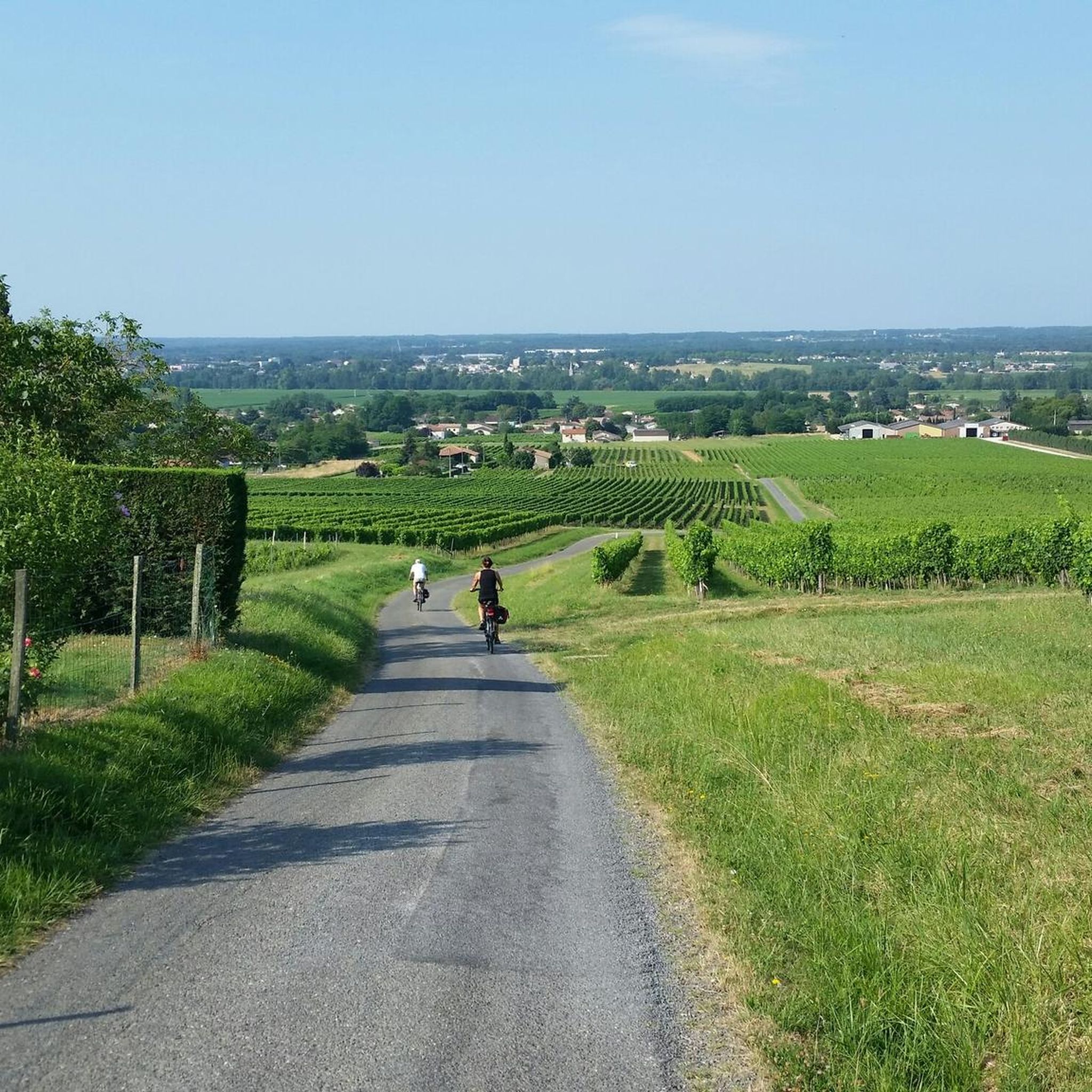
In the Gironde department, the surface is better than in the Lot-Garonne department.
Sometimes nice and shady, many small locks.
Μετάφραση από Google •
Συμβουλή από

Château de Villandraut
Highlight • Κάστρο
If you want to visit it, all the info here:
chateaudevillandraut.fr/visites-animations/visites-guid%C3%A9es-visites-libres
Μετάφραση από Google •
Συμβουλή από

Εγγράψου τώρα για να ανακαλύψεις μέρη σαν αυτό
Λάβε προτάσεις για τα καλύτερα single tracks, κορυφές και πολλά ακόμα συναρπαστικά υπαίθρια μέρη.
Εγγραφή δωρεάν
Château de Budos
Highlight • Κάστρο
Μετάφραση από Google •
Συμβουλή από

Bazas Cathedral
Highlight • Θρησκευτικός χώρος
Μετάφραση από Google •
Συμβουλή από

Écluse de Castets, n°53
Highlight • Δομή
Μετάφραση από Google •
Συμβουλή από

Εγγράψου δωρεάν για να ανακαλύψεις ακόμα περισσότερα αξιοθέατα Mazères.
Εγγραφή δωρεάν
Έχεις ήδη λογαριασμό;
Ξεκίνα σήμερα με έναν δωρεάν λογαριασμό
Η επόμενη περιπέτειά σου σε περιμένει.
Σύνδεση ή εγγραφή


Συμβουλές από την κοινότητα

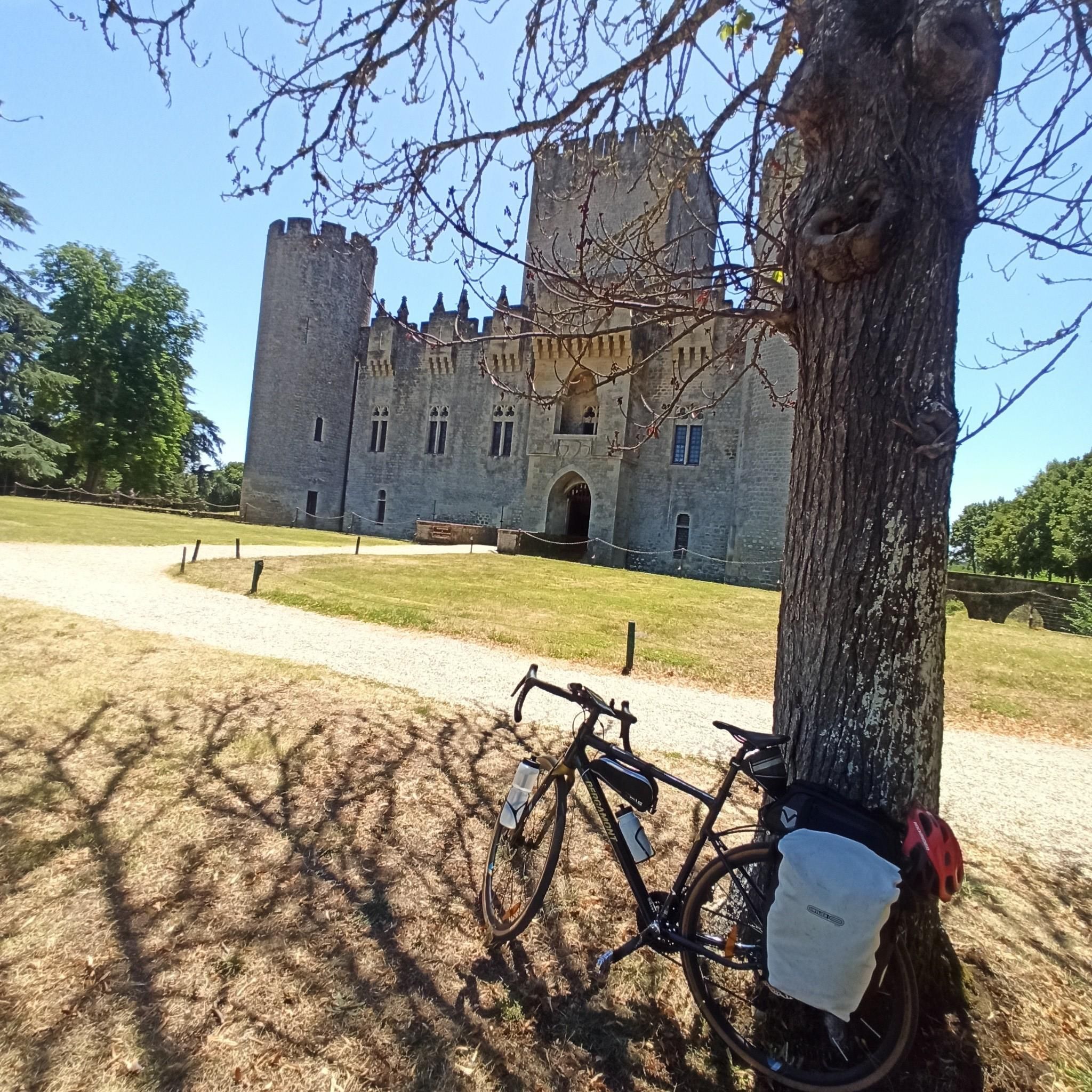
Budos Castle is the work of Raymond Guilhem de Budos, nephew of Pope Clement V. Largely supported by his uncle, he rebuilt the old family castle in 1306, adopting the architectural features of the neighboring Château de Villandraut, as evidenced by the following document from King Edward I, written from Wynten on March 9, 1306, to the Seneschal of Gascony[4]: "The Knight of Budos, nephew of Clement V, Sovereign Pontiff, has begged us to allow him to crenellate his house in Budos, to surround it with walls, towers, moats, and finally to fortify it. Out of respect for the Sovereign Pontiff, and because a fortress of this nature will protect not only our possessions in this part of Guienne, but also the subjects of the Pope's nephew, we grant the aforementioned Raymond permission to fortify his castle and we grant it to him, his heirs, and successors in perpetuity, and we undertake not to disturb him in any way in this possession." In 1422-23, the King of England took possession of the castle and placed Pons, Lord of Castillon, in charge. Around 1433, Henry VI granted the lands and the castle to the Duke of Gloucester. In 1446-47, Budos was given to Gaston IV of Foix-Béarn, Count of Foix, following the death of the Earl of Gloucester. After the conquest of Guyenne, the Budos family, which had supported the cause of France, regained possession of its lordships in Guyenne. Purchased from the Budos family by Raymond de La Roque in 1571, Budos Castle suffered a severe assault in 1652 during the Fronde Wars. Lasserre ransacked, pillaged, and burned its archives. The Budos lordship remained in the La Roque family until the Revolution, which nearly destroyed it. It was sold as national property and used as a quarry to build dikes on the Ciron. In 1841, the Gironde Historical Monuments Commission was informed of this by Léo Drouyn. In 1860, it became the property of Léon de Brivazac, son of Delphine Catherine de La Roque de Budos (born at the castle in 1789). Five descendants (including Savary de Beauregard) entrusted it to the Adichats association, which brings together young people to enhance and preserve what can be preserved. The castle was registered as a historic monument in 1988
0
0

Very interesting flood marks, sometimes you can't even imagine how high the water once was.
1
0

The castle has variable opening hours. In August, we found the gates closed. It only opens at 2:30 PM.
0
0
The cathedral is an impressive Gothic church. The windows and the light are fantastic. The side altars for Peter and John the Baptist are beautifully designed and painted with pictures from the lives of both of them.
2
0

Worth seeing and imposing castle ruins.
5
1
Seen from Toulouse, the last lock on the side canal.
3
1
Very scenic, a few places to stop for refreshments. In the Gironde department, the surface is better than in the Lot-Garonne department. Sometimes nice and shady, many small locks.
4
0
Τα πιο δημοφιλή αξιοθέατα Mazères

Εμπνεύσου με την εφαρμογή komoot για κινητά


Ανακάλυψε περισσότερα
Δεν βρήκες ακόμη το Highlight που ψάχνεις; Δες οδηγούς για τα κορυφαία αξιοθέατα σε άλλες περιοχές:
