Αξιοθέατα και μέρη για επίσκεψη Bitsch - Top 20
Τα αξιοθέατα και τα μέρη που πρέπει να δείτε γύρω από το Bitsch, έναν δήμο στο καντόνι του Βαλαί της Ελβετίας, προσφέρουν ένα μείγμα φυσικής ομορφιάς και σημείων ενδιαφέροντος. Η περιοχή βρίσκεται ανάμεσα σε βουνά και κοιλάδες, παρέχοντας ένα ιδανικό σκηνικό για υπαίθριες δραστηριότητες. Βρίσκεται κοντά στον Παγετώνα Aletsch, Μνημείο Παγκόσμιας Κληρονομιάς της UNESCO, αναγνωρισμένο για τη φυσική του σημασία. Οι επισκέπτες μπορούν να εξερευνήσουν διάφορα φυσικά χαρακτηριστικά και ιστορικά ορόσημα εντός και γύρω από το Bitsch.
Καλύτερα αξιοθέατα και…
Τελευταία ενημέρωση: 9 Οκτωβρίου 2026
Altschlossfelsen (με βραχώδη διάβαση)
Highlight • Φυσικό μνημείο
Μετάφραση από Google •
Συμβουλή από

Altschlossfelsen (Βορειοανατολικό τμήμα)
Highlight • Φυσικό μνημείο
Μετάφραση από Google •
Συμβουλή από

Εγγράψου τώρα για να ανακαλύψεις μέρη σαν αυτό
Λάβε προτάσεις για τα καλύτερα single tracks, κορυφές και πολλά ακόμα συναρπαστικά υπαίθρια μέρη.
Altschlossfelsen (Νοτιοδυτικό τμήμα)
Highlight • Φυσικό μνημείο
Μετάφραση από Google •
Συμβουλή από
Altschlossfelsen Sandstone Formations
Highlight • Φυσικό μνημείο
Μετάφραση από Google •
Συμβουλή από

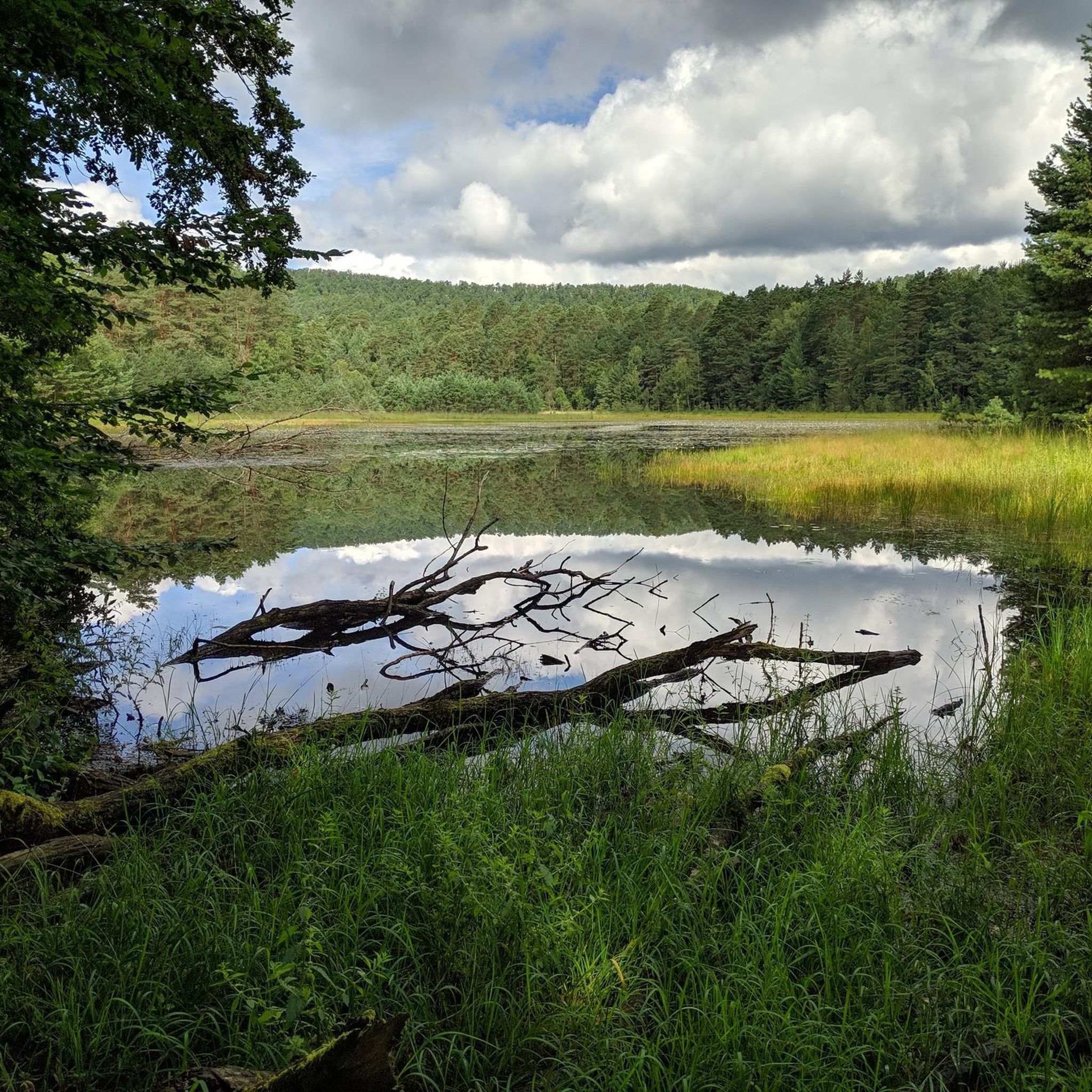
Rösselsweiher
Highlight • Λίμνη
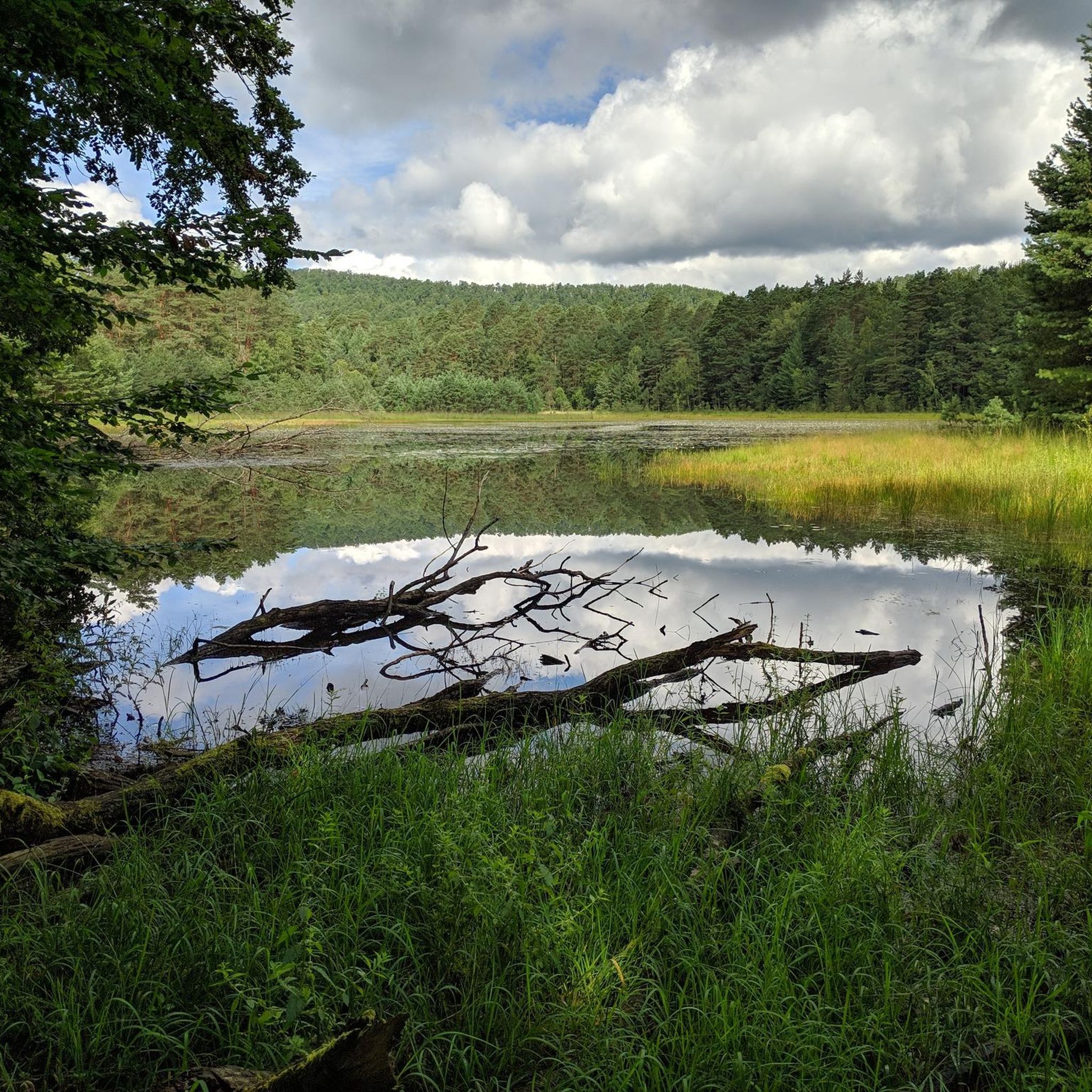
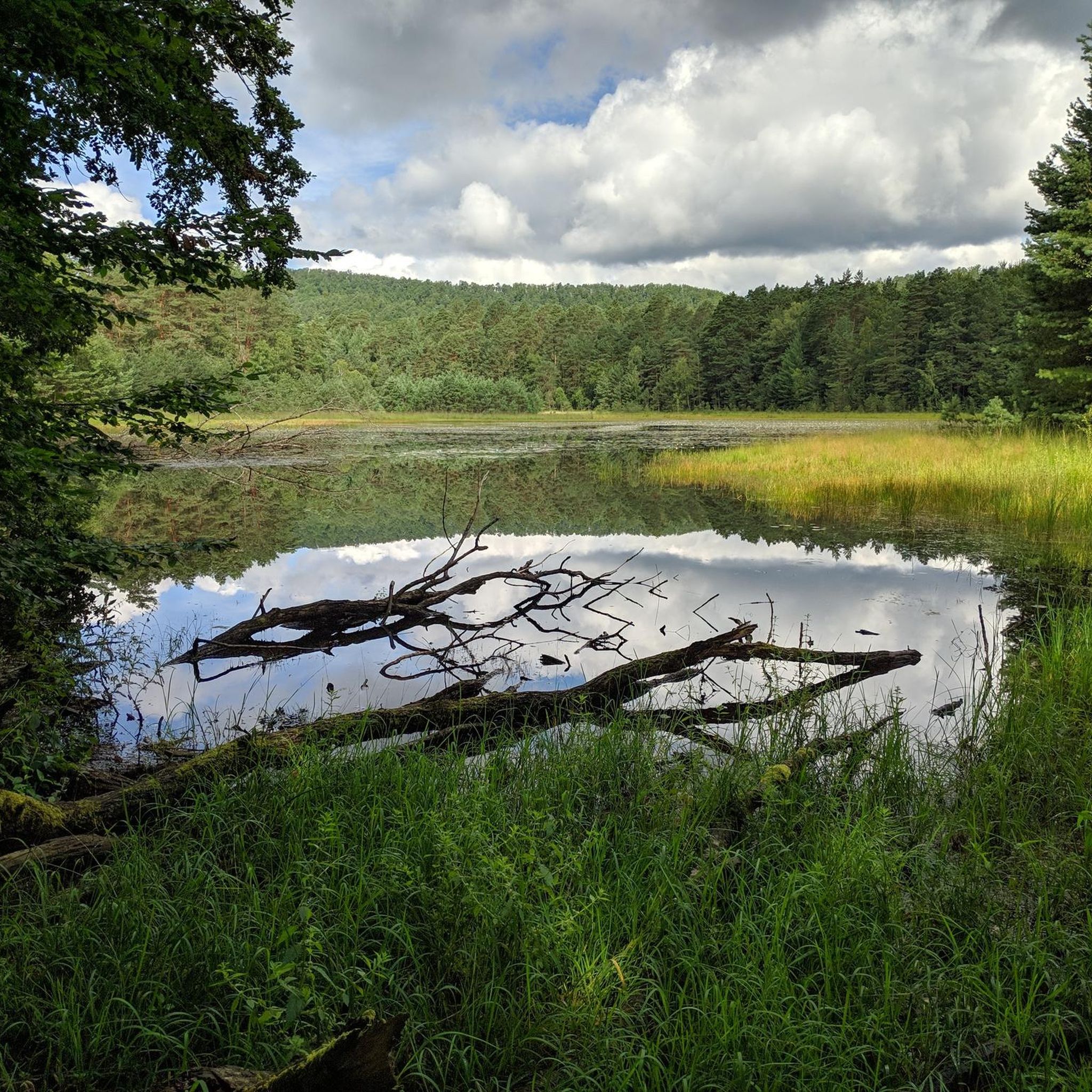
This NSG is approximately 39 hectares.
What I liked best was that the …
Μετάφραση από Google •
Συμβουλή από

Εγγράψου δωρεάν για να ανακαλύψεις ακόμα περισσότερα αξιοθέατα Bitsch.
Έχεις ήδη λογαριασμό;
Ξεκίνα σήμερα με έναν δωρεάν λογαριασμό
Η επόμενη περιπέτειά σου σε περιμένει.
Συμβουλές από την κοινότητα

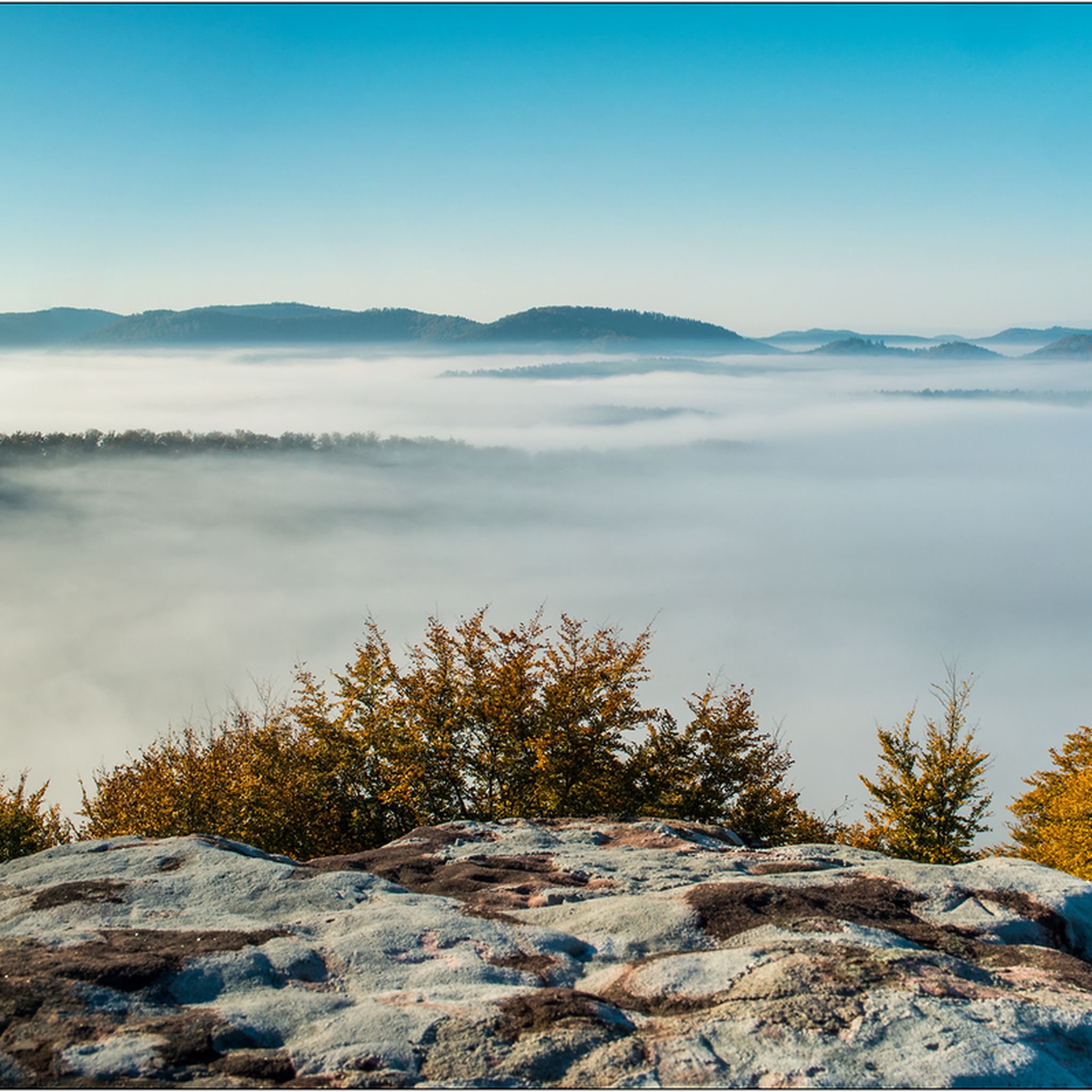
Ένα παιχνίδι χρωμάτων που αναζητά το όμοιό του. Από έντονο κόκκινο, ανάλογα με το φως, πορτοκαλί, ανάμεσα σε γκρίζους και βρυώδεις βράχους. Και ξανά και ξανά τα διαφορετικά σχήματα, σπηλιές και περάσματα.
5
0

The Altschlosspfad was rightly named the most beautiful hiking trail in Germany in 2022. It leads to one of the mightiest rocks in the Palatinate Forest. The name goes back to an old castle that has long since fallen into disrepair. A good starting point is from the car park at the Hotel Kupper and follow the well-signposted path👍
5
1

A magnificent play of colors on the whole tour... Unlimited amazement
11
0

Great circular route on the Altschlossfels, great route, well signposted and this phenomenal rock formation, just very, very worth seeing
8
0

The sandstone formation Altschlossfelsen, which is designated as a natural and cultural monument and is also the largest rock reef in the Palatinate, is really fantastic. The name comes from a castle built on the rock towers many hundred years ago was built, but has long since fallen into ruin. Beautiful rocks run through the forest for more than a kilometer. Unfortunately often overcrowded on Sundays and public holidays...
13
0
The Altschlossfelsen sandstone formation, which is designated as a natural and cultural monument and is also the largest rock reef in the Palatinate, is really very impressive and gives this tour its name. The name comes from a castle built on the rock towers many hundred years ago was built, but has long since fallen into ruin. Beautiful rocks run through the forest for more than a kilometer. Tip: it is better not to visit on Sundays and public holidays and allow plenty of time to explore!
12
1

Very nice, varied tour with many highlights.
6
0

The Altschlossfelsen are traversed by cracks and joints, some of which are wide enough to climb through. They are best known for their diverse weathering phenomena and rare lichens. The summit plateau can be hiked on narrow paths from north and south. There is a sparse forest and stones overgrown with moss. Depending on the weather, vegetation and position of the sun, the "rock glow" is best seen in the first half of April at 7:00 p.m. on the southeast side of the third rock from the east (from Eppenbrunn).
10
1
Οι πιο δημοφιλείς διαδρομές Bitsch
Τα πιο δημοφιλή αξιοθέατα Bitsch

Εμπνεύσου με την εφαρμογή komoot για κινητά


Ανακάλυψε περισσότερα
Δεν βρήκες ακόμη το Highlight που ψάχνεις; Δες οδηγούς για τα κορυφαία αξιοθέατα σε άλλες περιοχές:
