Τα 11 καλύτερα ορεινά περάσματα Le Châtel
Είτε για τη θέα, είτε για τις αναβάσεις είτε για τις καταβάσεις, περιηγηθείτε στη λίστα μας με τα καλύτερα ορεινά περάσματα Le Châtel και κάντε την επόμενη περιπέτειά σας αξέχαστη. Από την κοινότητα, για την κοινότητα — κάθε ορεινό πέρασμα είναι μια αξιόπιστη προσωπική σύσταση, οπότε απλά βρείτε το αγαπημένο σας και ξεκινήστε.
Τελευταία ενημέρωση: 16 Σεπτεμβρίου 2026
Col du Chaussy
Highlight • Ορεινό πέρασμα
Μετάφραση από Google •
Συμβουλή από

Col de la Madeleine
Highlight • Ορεινό πέρασμα
Μετάφραση από Google •
Συμβουλή από

Εγγράψου τώρα για να ανακαλύψεις μέρη σαν αυτό
Λάβε προτάσεις για τα καλύτερα single tracks, κορυφές και πολλά ακόμα συναρπαστικά υπαίθρια μέρη.
Ascension du col de la Madeleine depuis La Chambre
Highlight (Segment) • Αναρρίχηση
Μετάφραση από Google •
Συμβουλή από

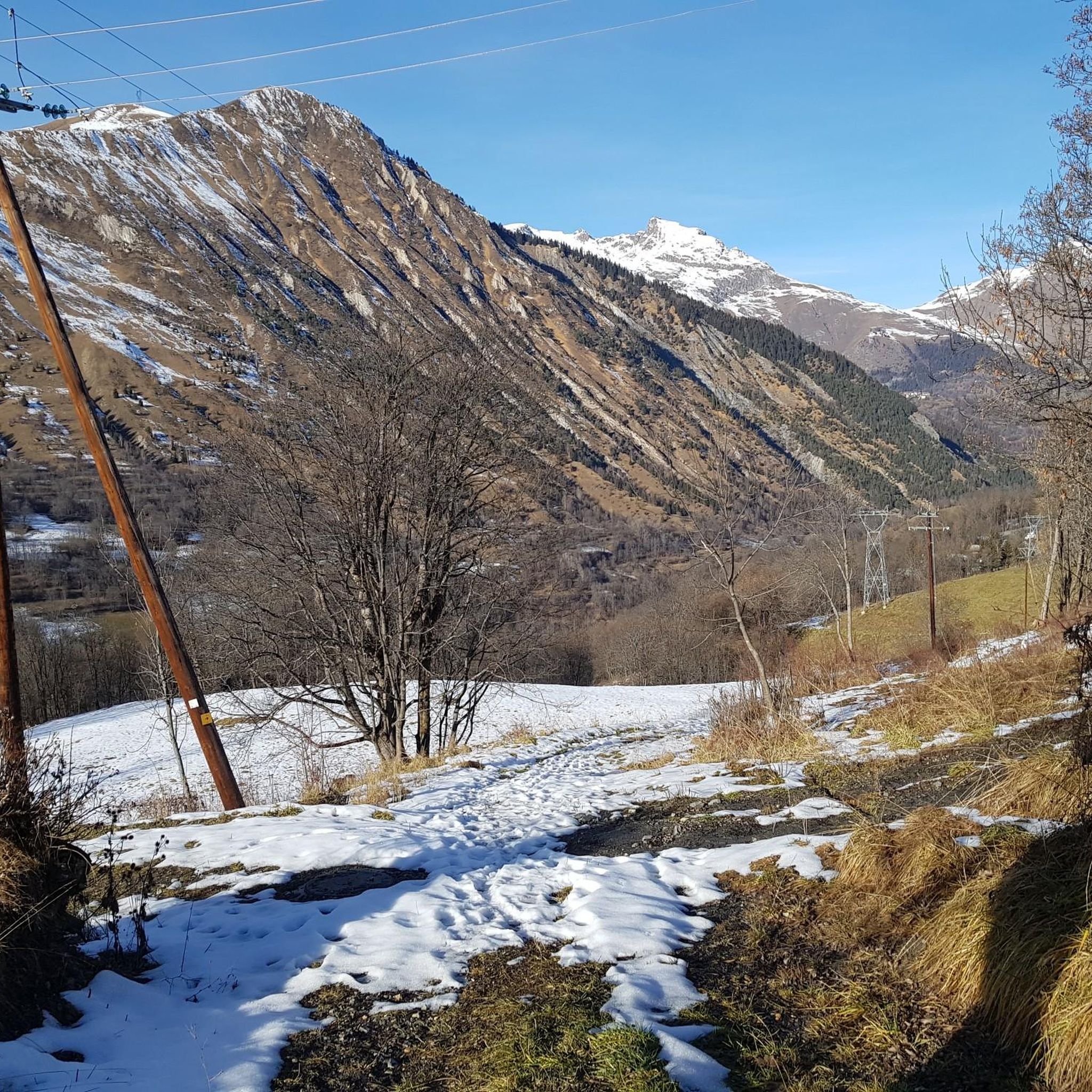
Spectacular Cliffside Road Above Montvernier
Highlight • Δομή
Εμφάνιση μετάφρασης
Συμβουλή από

Col du Glandon - depuis Saint-Étienne-de-Cuines
Highlight (Segment) • Ορεινό πέρασμα
20km, D+ 1450m
Μετάφραση από Google •
Συμβουλή από

Εγγράψου δωρεάν για να ανακαλύψεις ακόμα περισσότερα ορεινά περάσματα Le Châtel.
Έχεις ήδη λογαριασμό;
Ξεκίνα σήμερα με έναν δωρεάν λογαριασμό
Η επόμενη περιπέτειά σου σε περιμένει.
Συμβουλές από την κοινότητα

Στενός δρόμος, υπέροχη θέα. Σχετικά λίγη κίνηση.
2
0
Στενό δρόμο δίπλα στο βράχο, υπέροχη θέα.
2
0

Here is the route for the ascent of the Col du Glandon starting from Saint-Étienne-de-Cuines
1
0
Here is the route for the ascent of the Col de la Croix de Fer starting from Saint-Étienne-de-Cuines, passing through the Col du Glandon!
1
0

The north face of the Col du Glandon, starting from Saint-Étienne-des-Cuines, is one of the most demanding and iconic climbs in the French Alps. The summit sits at 1,924 meters above sea level, overcoming a gradient of 1,470 meters over just over 21 kilometers, resulting in an average gradient of around 7%. However, what truly defines the character of this climb is the unevenness of the profile, which alternates very tough sections with recovery phases before facing an extremely demanding finale. For almost eleven kilometers, the gradient remains within a range of 6 to 8% as the route enters a dense forest. After this initial phase, the landscape opens up and the road passes through Saint-Colomban-des-Villards, where the gradient decreases significantly and even offers practically flat areas. This is a strategic point to hydrate, eat, and prepare your mind for the rest of the climb. After the false flat and approaching the Glandon torrent, the vegetation begins to thin, the road narrows, curves follow, and the average gradient is around 10%, with several sections at 11% that really grind your legs after more than an hour and a half of accumulated effort. Once around the last curve, the arrival at the pass offers spectacular scenery, with views toward the Belledonne massif and the Arves peaks, a pure alpine environment with high-altitude pastures, torrents, and, occasionally, the occasional remnant of snowfields. Conclusion: a legendary climb in the French Alps, with extraordinary scenery and sustained difficulty. As always, the effort is worth it!
0
0

A col is meant to be climbed—and then descended. Because it's fun!
0
0
In my opinion, this is the best side of the Col du Glandon due to the beauty of its final 9 kilometers. The climb is clearly divided into two parts. The first stretches until reaching the village of St. Colomban-des-Villards; it's 8.5 km along a perfectly maintained road, very winding, with no views at all. The second part begins as we leave the village of St. Colomban, after a 1.5 km rest stop and a beautiful fountain where we can refill our water bottles. The second part is pure poetry. The road narrows and you enter a pure high-mountain landscape. It's a much tougher stretch.
1
0

Empty, a gas road 😱
0
0
Οι πιο δημοφιλείς διαδρομές Le Châtel
Τα πιο δημοφιλή αξιοθέατα Le Châtel

Εμπνεύσου με την εφαρμογή komoot για κινητά


Ανακάλυψε περισσότερα
Δες ακόμα περισσότερα επικά ορεινά περάσματα σε αυτούς τους οδηγούς Le Châtel:
