Αξιοθέατα και μέρη για επίσκεψη Vaxy - Top 10
Υπάρχουν πολλά μέρη να δείτε και να επισκεφθείτε Vaxy. Είτε αγαπάτε την πεζοπορία είτε την ποδηλασία, Vaxy είναι μια περιοχή όπου 10
κρυμμένα στολίδια περιμένουν να ανακαλυφθούν. Δείτε τα καλύτερα αξιοθέατα της περιοχής και σχεδιάστε την επόμενη περιπέτειά σας σήμερα.
Τελευταία ενημέρωση: 18 Οκτωβρίου 2026
Église St Privat de Salonnes
Highlight • Άλλο
Μετάφραση από Google •
Συμβουλή από

Marsal
Highlight • Άλλο
Μετάφραση από Google •
Συμβουλή από

Εγγράψου τώρα για να ανακαλύψεις μέρη σαν αυτό
Λάβε προτάσεις για τα καλύτερα single tracks, κορυφές και πολλά ακόμα συναρπαστικά υπαίθρια μέρη.
Vic-sur-Seille
Highlight • Άλλο
Μετάφραση από Google •
Συμβουλή από
Abri de l'association Chemins Faisant Moyenvic
Highlight • Ορεινό καταφύγιο
Shelter offers shelter from wind, rain or sun rays.
Enjoy your rest break.
Μετάφραση από Google •
Συμβουλή από

Château des évêques de Metz.
Highlight • Άλλο
Μετάφραση από Google •
Συμβουλή από
Εγγράψου δωρεάν για να ανακαλύψεις ακόμα περισσότερα αξιοθέατα Vaxy.
Έχεις ήδη λογαριασμό;
Ξεκίνα σήμερα με έναν δωρεάν λογαριασμό
Η επόμενη περιπέτειά σου σε περιμένει.


Συμβουλές από την κοινότητα

On the edge of Vic-sur-Seille lies the former episcopal castle, an impressive remnant of the power of the bishops of Metz. Built from the end of the 12th century by Bishop Bertram, it served as both the residence and the administrative centre of the secular authority of the diocese. The castle was expanded in the 13th century into a pentagonal complex, fortified with semicircular towers and a deep moat. Under Bishop Thierry Bayer de Boppard (1365–1384), important restorations were carried out, including the construction of a south-west wing with access to the gardens and the “Grand Parc”. Of the original complex, only part of the residential building on the west side remains today, recognisable by the windows with niches. The most striking structure is the châtelet, the fortified entrance gate from the 15th century, with its white limestone machicolations and traces of a drawbridge. After its restoration in 2008, the castle is once again visible as a silent witness to the medieval power and strategic location of Vic-sur-Seille, especially in the context of salt mining and the rivalry with the Dukes of Lorraine.
9
0
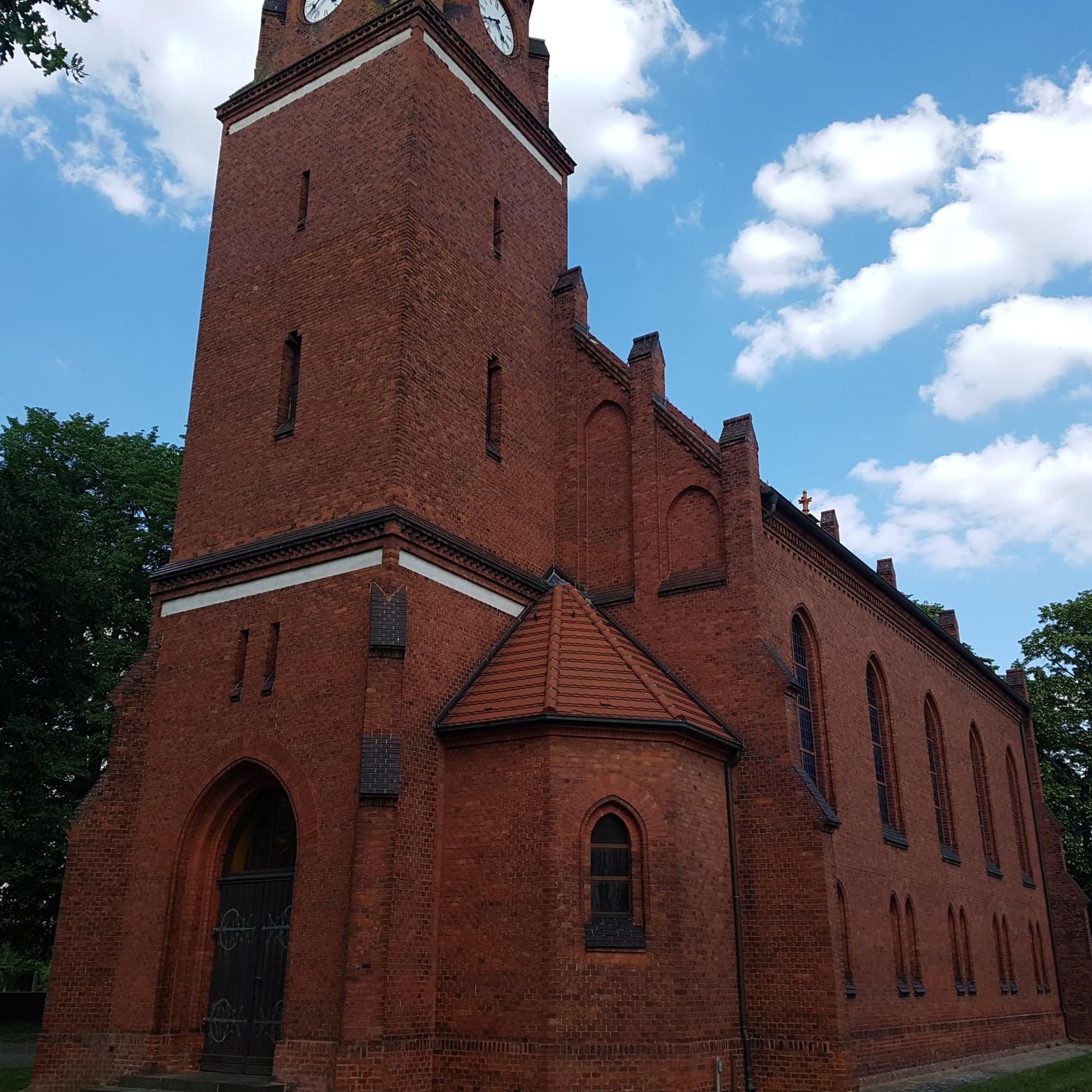
The church of Salonnes has a rich history dating back to the 8th century, when it was built to house the relics of Saint-Privat and Saint-Hilaire. After being destroyed during conflicts over the salt mines and later the Thirty Years' War, it was rebuilt in 1540 and again in 1750. The most striking element is the Gothic portal, which is the only original part from the 16th century to have been preserved. Made of Jaumont stone, it features an accolade arcade flanked by pinnacles. Three Gothic niches above the double doors recall the ornate style of the late Gothic period.
8
0

Vic-sur-Seille, which benefits from the label "Small cities of character", is an essential place of passage for itinerants who cross the region. If its old stones undeniably recall the history of the village, its leisure center invites you to rest and relax. The village has all the amenities, from accommodation to restaurants. Take the time to visit the museum which takes its name from Georges de La Tour, born in 1593 in Vic-sur-Seille. The exhibitions offer many indications on the region and its evolution.
3
0
Marsal is a small hamlet with a very salty history: from the Bronze Age until the middle of the 17th century, the village knew how to use its salt water sources to prosper in the salt trade. Today, nothing remains of the saltworks and Marsal today looks like a peaceful village. If you wish, you can organize a guided tour with the Pays du Saulnois Tourist Office on 03 87 01 16 26.
1
0

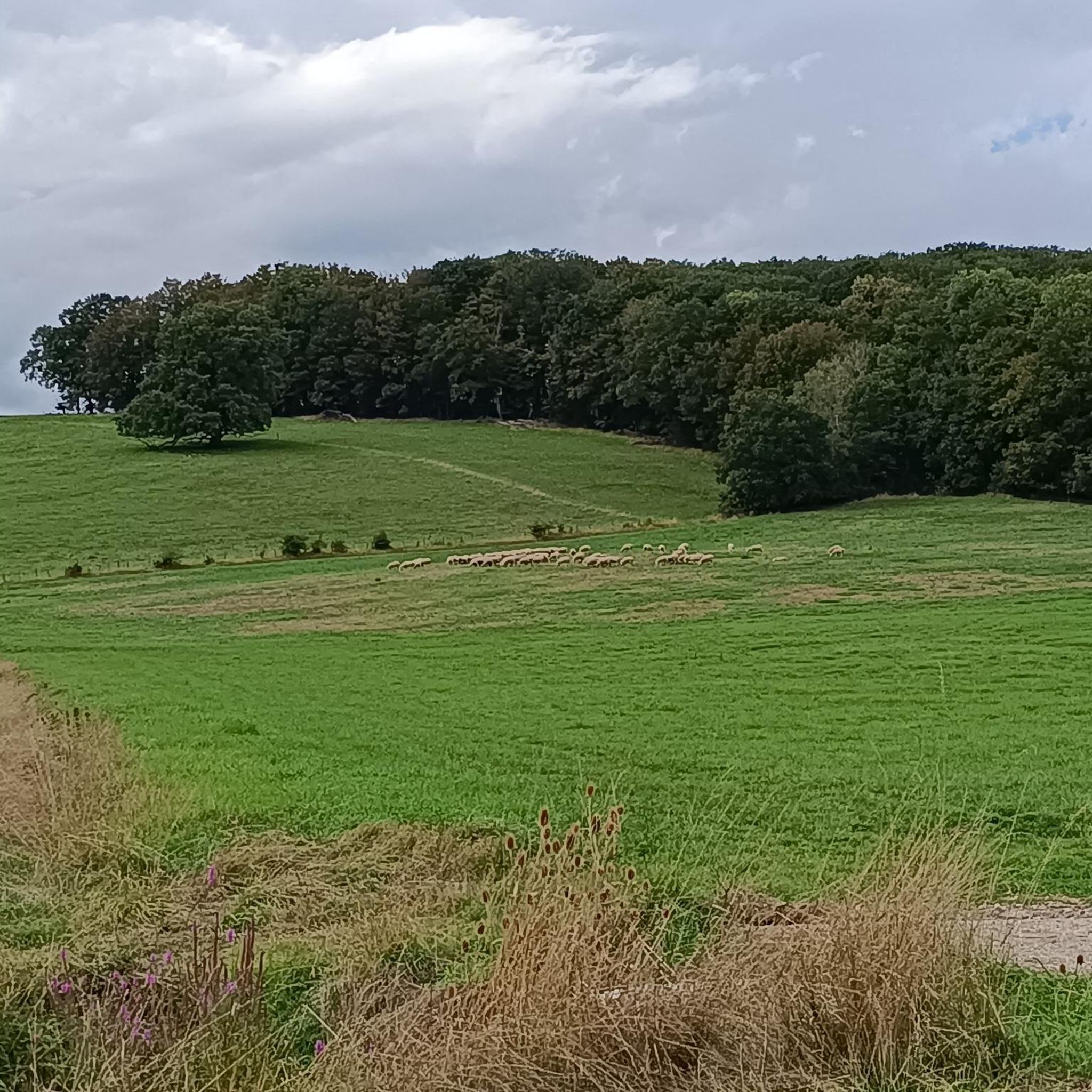
An excellent place to relax here in all weather conditions. Shelter offers shelter from wind, rain or sun rays. Enjoy your rest break.
4
0

This church, originally built in the 8th century for the remains of St Privat, bishop of Mende, was greatly altered in the 16th century and has a flamboyant Gothic portal. The canopies of the empty niches are...More Source: petit-patrimoine.com
0
0

Εμπνεύσου με την εφαρμογή komoot για κινητά


Ανακάλυψε περισσότερα
Δεν βρήκες ακόμη το Highlight που ψάχνεις; Δες οδηγούς για τα κορυφαία αξιοθέατα σε άλλες περιοχές:
