Αξιοθέατα και μέρη για επίσκεψη Bizingen - Top 13
Υπάρχουν πολλά μέρη να δείτε και να επισκεφθείτε Bizingen. Είτε αγαπάτε την πεζοπορία είτε την ποδηλασία, Bizingen είναι μια περιοχή όπου 13
κρυμμένα στολίδια περιμένουν να ανακαλυφθούν. Δείτε τα καλύτερα αξιοθέατα της περιοχής και σχεδιάστε την επόμενη περιπέτειά σας σήμερα.
Τελευταία ενημέρωση: 18 Οκτωβρίου 2026
Château de Pange
Highlight • Κάστρο
Μετάφραση από Google •
Συμβουλή από

Mont Saint-Pierre
Highlight • Σημείο θέας
Μετάφραση από Google •
Συμβουλή από

Εγγράψου τώρα για να ανακαλύψεις μέρη σαν αυτό
Λάβε προτάσεις για τα καλύτερα single tracks, κορυφές και πολλά ακόμα συναρπαστικά υπαίθρια μέρη.
Château de LandonVillers
Highlight • Άλλο
Μετάφραση από Google •
Συμβουλή από

Monument du Pont de Domangeville
Highlight • Μνημείο
Μετάφραση από Google •
Συμβουλή από

Ouvrage de Bambesch
Highlight • Ιστορικός χώρος
It is possible …
Μετάφραση από Google •
Συμβουλή από
Εγγράψου δωρεάν για να ανακαλύψεις ακόμα περισσότερα αξιοθέατα Bizingen.
Έχεις ήδη λογαριασμό;
Ξεκίνα σήμερα με έναν δωρεάν λογαριασμό
Η επόμενη περιπέτειά σου σε περιμένει.

Συμβουλές από την κοινότητα

The origin of “Pont-à-Domangeville is lost in the mists of time. The Roman road from Metz to the Rhine already passed through there. Under the old regime, it was a tiny separate lordship, with a toll bridge. Usually blocked and padlocked, to cross it you had to pay a fee, depending on the livestock and products passed through. The lordship belonged in the 13th century to the Saint-Vincent de Metz abbey, then to the successive lords of Domangeville; in 1716, to the Laubrussels, then to the Leuryses, finally to the Thomas de Pange. It included, in addition to the bridge, the road - 50 toises on this side, 18 beyond - the bed of the Nied on both sides and, on the south-east bank, land with a hostelry (current Mayot farm) . In 1789, the community of Bazoncourt declared in its list of grievances “the enlightenment of the State and the kindness of the King will undoubtedly eliminate a right of final injustice perceived at Pont-à-Domangeville. However poor a plowman he may be, he pays three does and several pay without passing through.” After the revolution, the bridge had to be repaired. Paradoxically, the general council had the expenditure entered in the 1814 and 1815 rolls of the localities which had subscribed to the bridge in 1766. On this ordeal is inscribed: “This monument of our redemption was erected by the care of MM. De Pange, de Courten, Devaux and Dauphin, Commissioners responsible for the reconstruction of this bridge, in the year of our Lord 1816. During the reconstruction work and near the bridge, Joseph GRANDIDIER de Hernicourt and François ANIEL perished in the waters on July 20 from Domangeville, both attached to the service of the neighboring farm »
1
0

Two people died during the reconstruction of the bridge over the Nied Française in Domangeville in 1816.
1
0

This typical castle of classicism was built in the 18th century. Property of the Pange family, it is entrusted to an association responsible for making it a house of arts, encounters and cultures. Besides the building, the gardens are also splendid. More information is available on the chateau website: http://www.chateaudepange.fr/.
1
0
This work is part of the fortifications of the infamous Maginot line. It is made up of three combat blocks, one of which serves as the entrance. It is possible to visit the interior two Sundays a month. The opening dates are available on the book's website: https://www.lebambesch.com/visiter-le-bambesch/.
3
0

The castle is privately owned. However, there is the possibility to visit the icon collection.
0
0
Religious works of art such as relics and icons can be admired in the castle. There are no regular opening hours, you have to register in advance - preferably as a group.
0
0
The castle dates from 1720 and was the residence of the Marquis de Pange. It is still family-owned today and unfortunately (currently) not open to the public.
0
0

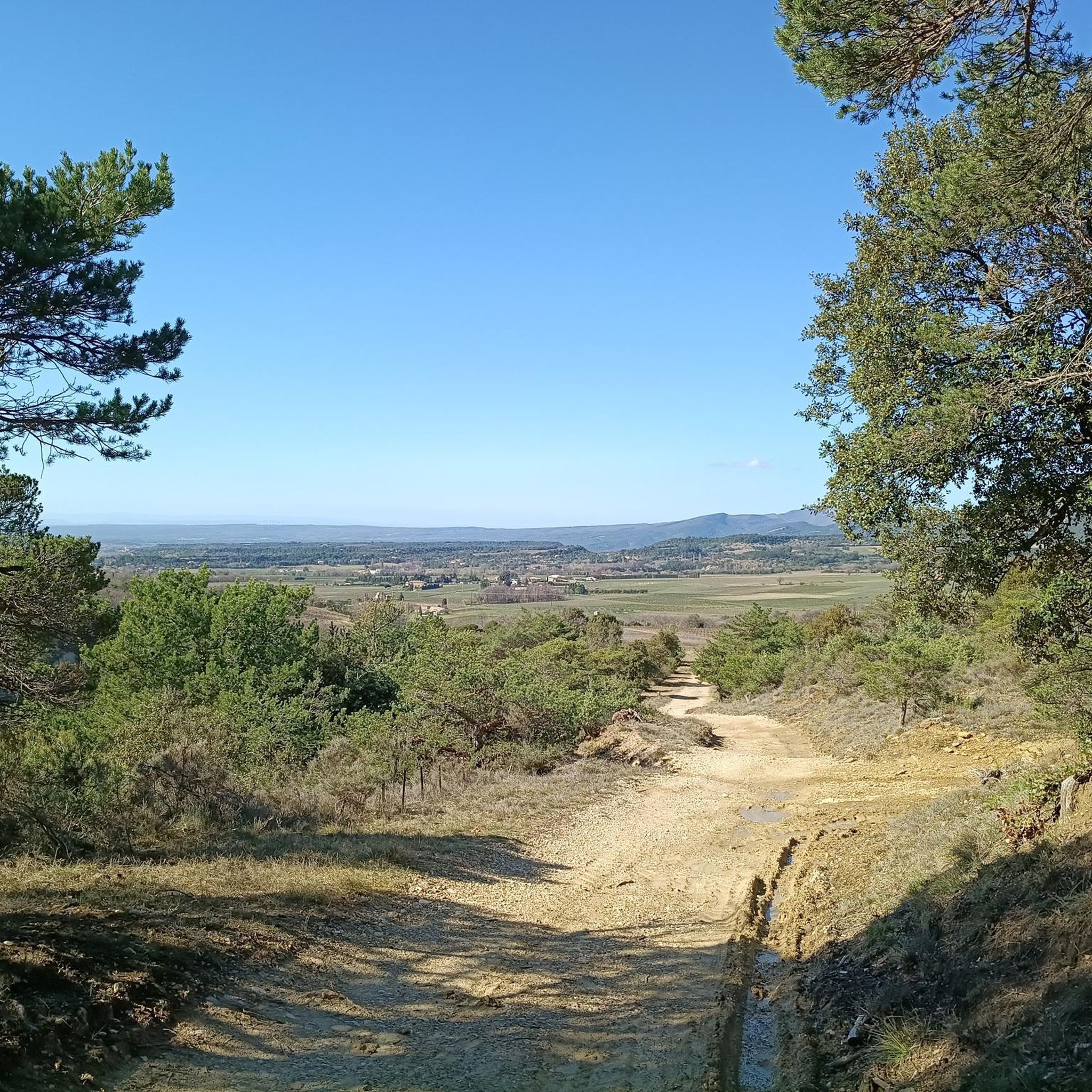
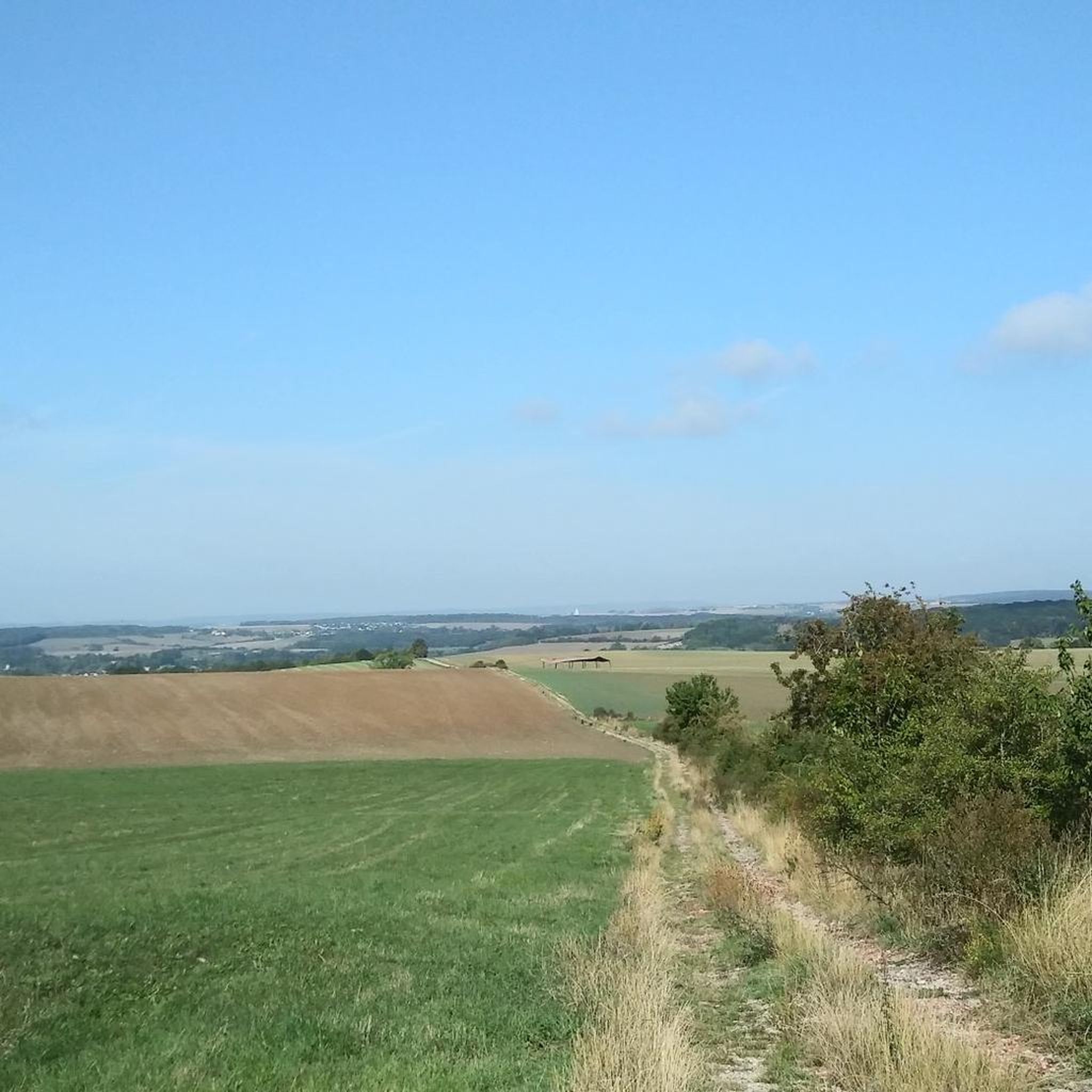
Panoramic view of the Lorraine plateau. Picnic area
1
0
Οι πιο δημοφιλείς διαδρομές Bizingen

Εμπνεύσου με την εφαρμογή komoot για κινητά


Ανακάλυψε περισσότερα
Δεν βρήκες ακόμη το Highlight που ψάχνεις; Δες οδηγούς για τα κορυφαία αξιοθέατα σε άλλες περιοχές:
