Attraktioner og steder at se omkring Coustouges - Top 20
Der er masser af steder at se og besøge omkring Coustouges. Uanset om du elsker vandring eller cykling, er Coustouges en region, hvor 20
skjulte perler venter på at blive opdaget og besøgt. Se de bedste steder at besøge i regionen og planlæg dit næste eventyr i dag.
Sidst opdateret: 25. september 2026
Mare de Déu del Mont Summit
Highlight • Top
Tip af

Pont de Valentí
Highlight • Bro
Oversat af Google •
Tip af

Tilmeld dig nu for at opdage steder som dette
Få anbefalinger til de bedste singletracks, toppe og mange andre spændende udendørssteder.
Pont d'en Bertran
Highlight • Bro
Oversat af Google •
Tip af

Puig de Bassegoda
Highlight • Top
Oversat af Google •
Tip af

Col del Pou de la Neu
Highlight • Bjergpas
Oversat af Google •
Tip af

Opret en gratis konto for at opdage endnu flere seværdigheder omkring Coustouges.
Har du allerede en konto?
Start i dag med en gratis konto
Dit næste eventyr venter.
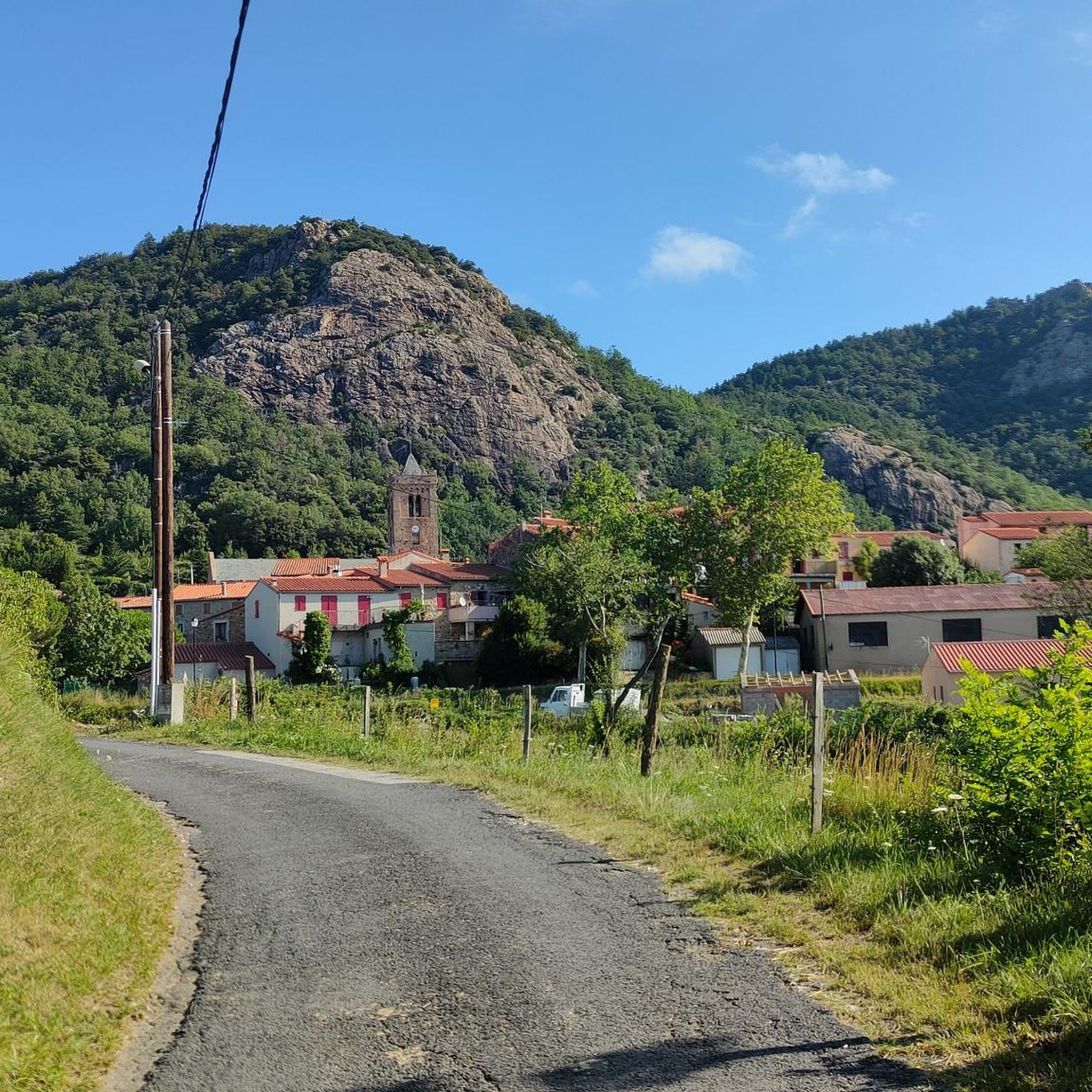
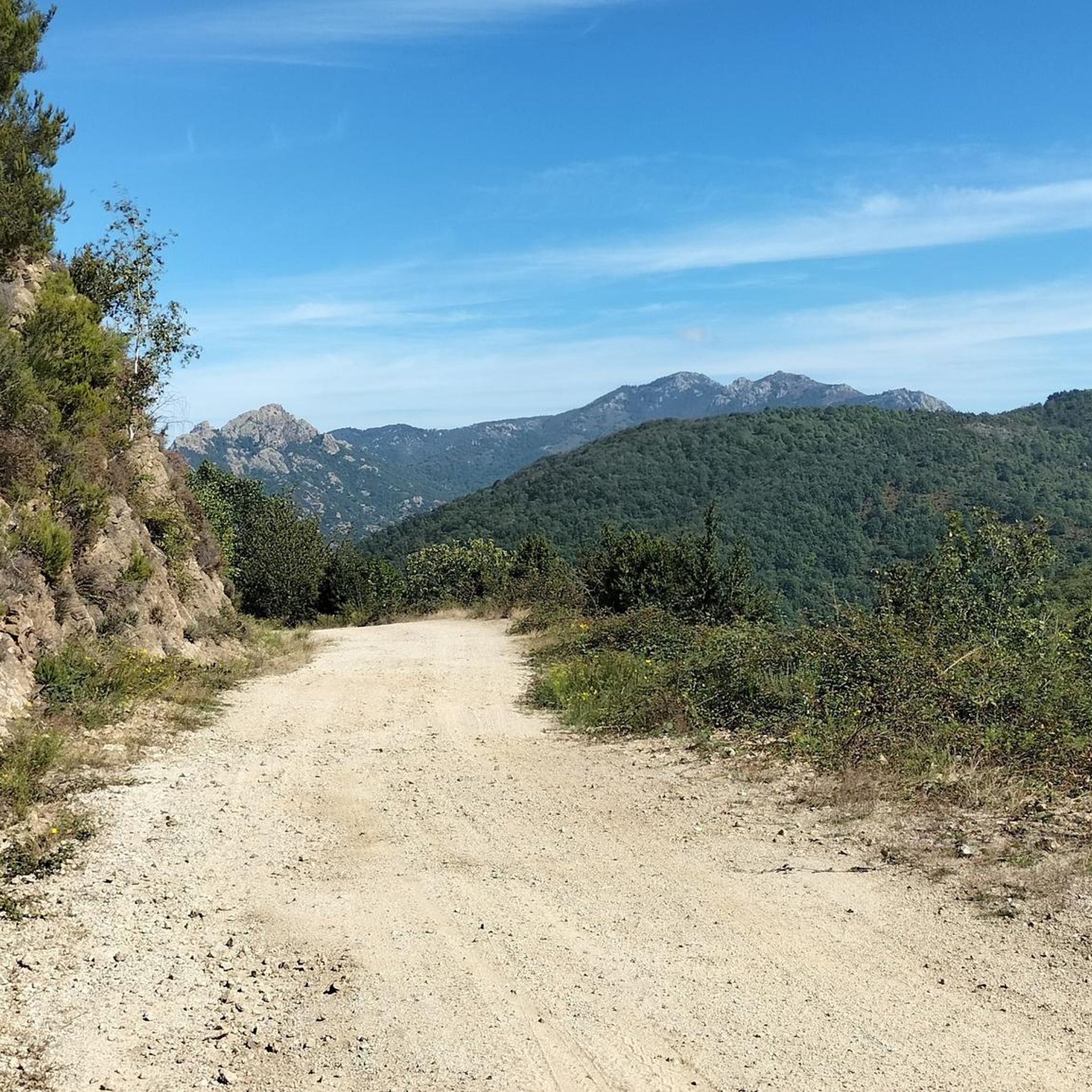
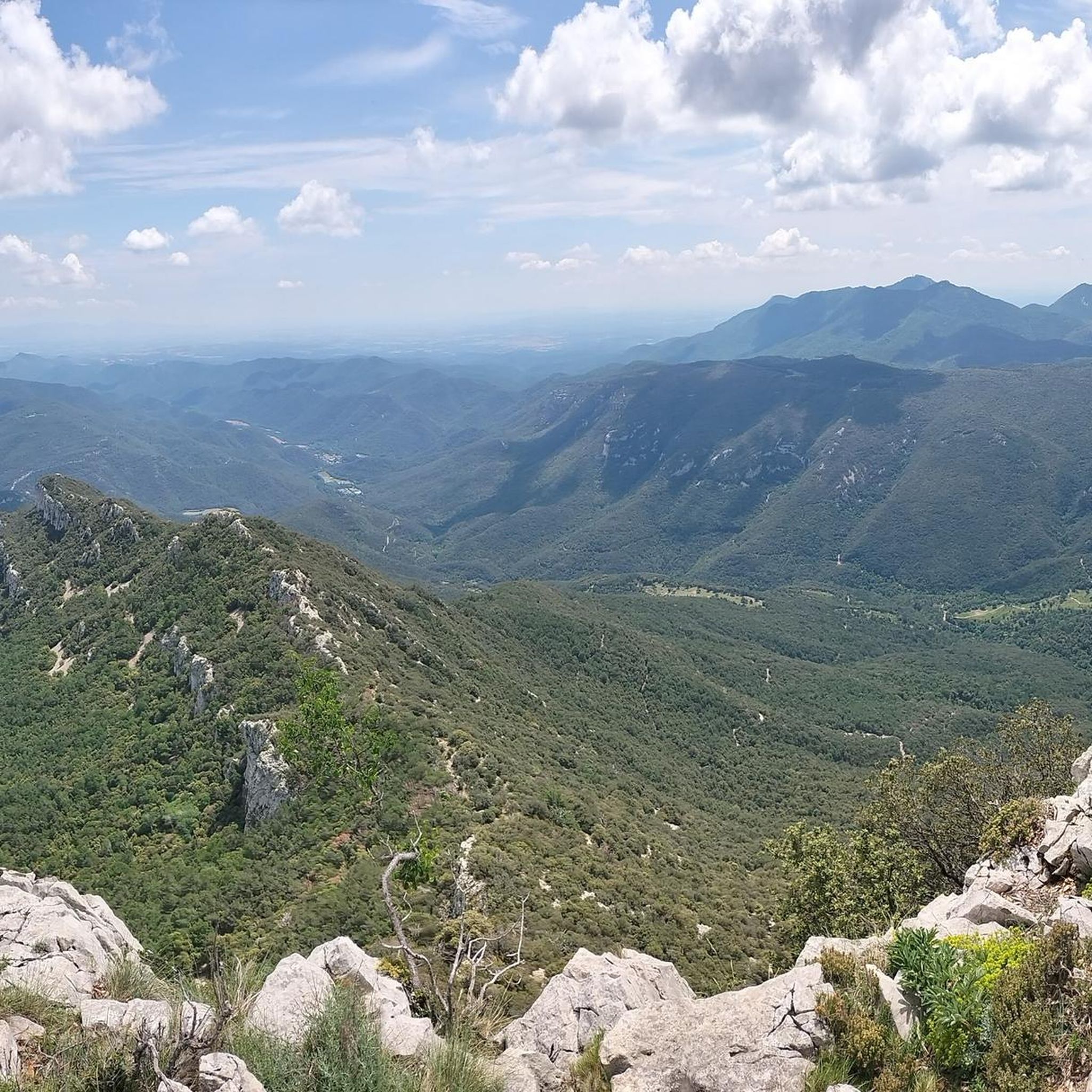

Tips fra fællesskabet

Hej, jeg ville spare penge til en ny silikonemarinadepensel, fordi min gamle pensel tabte børster i saucen. Efter ugers tab på de sædvanlige sider tog jeg chancen på https://ivy-bets.com.de/, da min saldo næsten var nul. En vild funktion med en pludselig multiplikator gav mig et beløb, der nemt rakte til to silikonepensler, en marinadepotte og endda en skål. For spillere fra Tyskland gik verificeringen behageligt hurtigt her.
0
2

You can't just drive to Sadernes and park at the moment. You need a QR code to reserve a parking space. You can download this in advance via a website or at a checkpoint on one of the access roads. The cost was 6 euros. The best thing is to do it in advance, because the first time we came in the weekend everything was already occupied and we had to go back.
1
0

This pass was important as a passage between regions, especially in activities such as transhumance or the transport of goods. The snow wells that give the place its name were also key elements in the economy of the mountainous areas. The term "Pou de la Neu" refers to the snow or ice wells that were traditionally used to store snow during the winter. These structures, dug into the ground or built with stones, served to preserve ice that was later transported to the lower areas for use in food, medicine or food preservation.
1
0

This hiking pass is a real hub of hiking trails that go to both France and Spain. The views there are magnificent.
3
1

At 1,373 meters high, the Puig de Bassegoda is located on the border between the regions of La Garrotxa and Alt Empordà. The climb accumulates a lot of positive unevenness in a short distance. For this reason, in the last section it has staples and chains to help itself.
2
1

Medieval bridge with a single large semicircular arch. It crosses the Sant Aniol river. It was an obligatory passage for smugglers, charcoal burners and traders. The bridge is located at the access to the Sant Aniol d'Aguja route and the Valencian path that leads to Sales de Llierca.
0
0
Bridge of the municipality of Albanyà included in the Inventory of the Architectural Heritage of Catalonia. It is located northwest of the urban area of the town of Albanyà, on the course of the Muga river. The structure is built of unworked stone of various sizes, bonded with plenty of lime mortar. According to the inscription located on one of the breakwaters of the structure, the bridge was built by Ysidro Bertran in 1891.
1
1

the views upon arrival pay for all the effort of the climb
3
0
Mest populære ruter omkring Coustouges
Mest populære seværdigheder omkring Coustouges

Bliv inspireret med komoot mobile app


Udforsk mere
Har du stadig ikke fundet det Highlight, du leder efter? Se guider til topattraktionerne i andre regioner:
